AI Pet Translators in 2026: How They Work and What to Expect (Review)
- AI & Data
- Exienent
- · Updated
An AI Pet Translator is a smart collar that analyzes a dog's barks, biometrics, and body language and sends the owner a translated emotion or need, such as High Anxiety Detected. In 2026 these devices are genuinely useful for catching subtle, silent cues, but they lack context, can misread situations, and will flood your phone with notifications unless you tune them.
When a dog lets out a specific, low-pitched bark, it is natural to run through a checklist: Does he need to go outside? Is the water bowl empty? Did the favorite toy roll under the couch again? It is easy to assume you are pretty good at guessing. AI pet translators promise to test that assumption. Unlike the gimmicky toys of the early 2000s that played pre-recorded phrases when a dog barked, these collars use machine learning, acoustic analysis, and even micro-cameras for body language interpretation to try to decode what a pet is feeling.
How Do AI Pet Translators Actually Work?
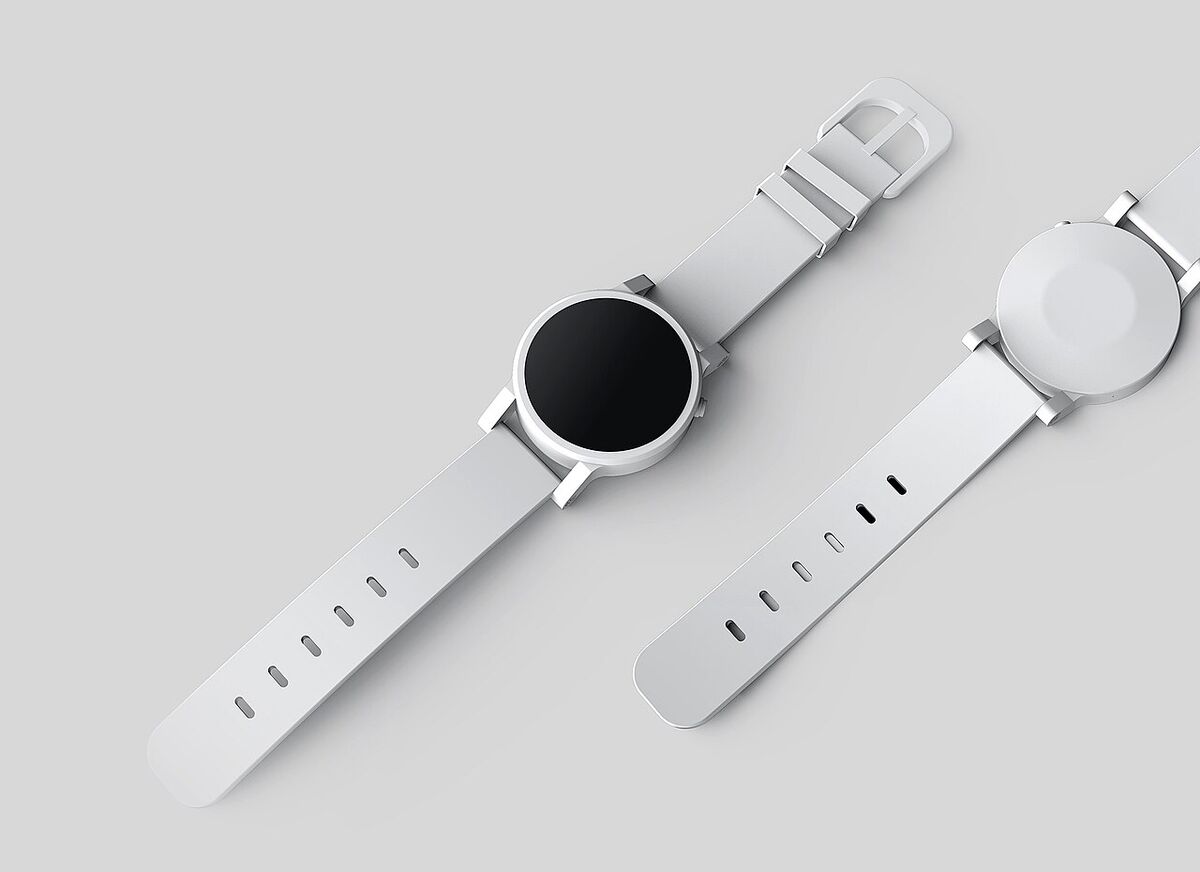
AI pet translators work by combining several streams of data rather than just listening for barks. Leading collars are lightweight and connect to a smartphone app, and they analyze a wide spectrum of data points.
- Acoustic Profiling: The AI doesn't just register a "bark." It measures the pitch, frequency, duration, and cadence of the sound. A sharp, high-pitched yip means something very different than a prolonged, rumbling growl.
- Biometric Sensors: The collar measures the dog's heart rate and body temperature. If heart rate spikes alongside a specific type of whine, the AI can correlate that with anxiety or excitement.
- Body Language Integration: The most premium models feature a tiny, wide-angle lens that monitors the dog's head position and ear posture, cross-referencing that visual data with the audio.
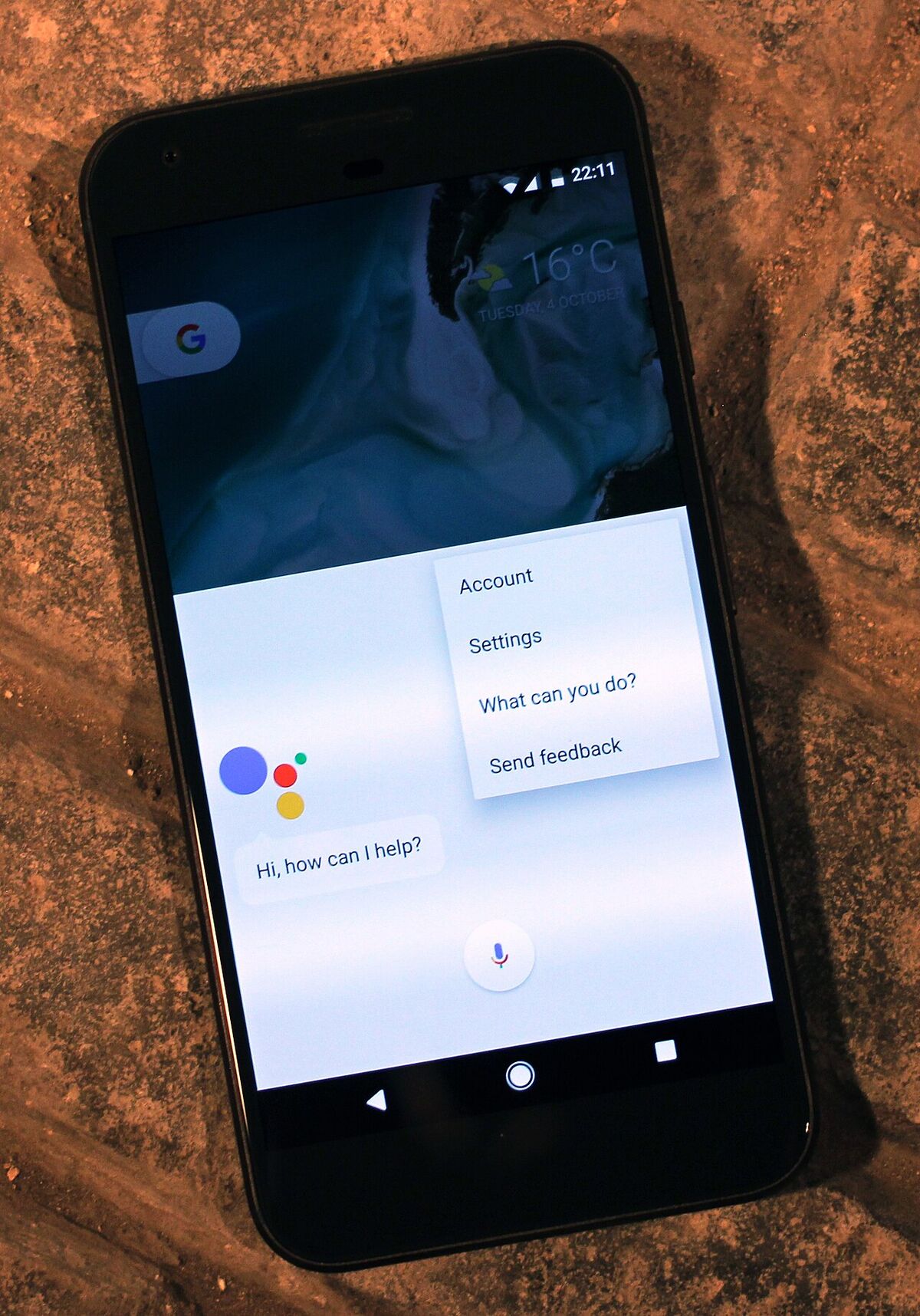
When the collar detects a communication event, it sends a push notification with a translated emotion or need. It doesn't literally say, "Father, I desire the premium beef kibble." Instead, it provides actionable insights like: High Anxiety Detected (Possible cause: loud noise) or Playful Demand (Energy level: High).
What Can an AI Pet Translator Reveal About Your Dog?
An AI pet translator can reveal blind spots in how an owner reads behavior, especially around stress.
- The "Play With Me" vs. "I'm Stressed" Bark: Some dogs have a loud, sharp bark at the dog park that owners read as aggressive play. A translator may consistently flag that bark as Overwhelmed/Seeking Space, suggesting the dog is telling other dogs they are being too rough. That gives the owner a cue to step in.
- Silent Discomfort: Biometric alerts can be more striking than bark translation. A dog lying quietly on its bed may trigger an alert such as Sustained Low-Grade Stress (Heart rate elevated, posture tense), and a check could turn up something like a burr embedded between the paw pads before limping starts. Treat these alerts as a reason to look closer, and consult a vet if signs of pain persist.
What Are the Drawbacks of AI Pet Translators?
The main drawbacks are information overload and misinterpretations, sometimes called AI hallucinations. Living with an AI interpreting your dog's every move can be exhausting.
- Notification Fatigue: Dogs communicate a lot. Out of the box, the app may buzz constantly: Max is curious. Max is mildly excited. Max is resting. It helps to adjust the settings to notify only for high-intensity emotions or urgent needs.
- Misinterpretations (AI Hallucinations): The AI is smart, but it lacks contextual awareness. A dog staring out the window at a squirrel and letting out frustrated whines might trigger Separation Anxiety Detected. The AI hears the whine and senses the elevated heart rate, but it can't see the squirrel. You still have to use your own judgment to supply the context the machine lacks.
Is an AI Pet Translator Worth It?
An AI pet translator is worth it for owners who want an extra channel of communication and have the budget for it.
If you are a highly attentive pet owner, an AI pet translator won't necessarily tell you anything shocking. However, it acts as a translation layer that can validate your suspicions and catch the subtle, silent cues that humans are notoriously bad at noticing. It won't give your dog the ability to speak English, but it can make you a more empathetic listener.
In my view, the technology in 2026 has crossed the threshold from novelty to genuine utility. If you have the budget, getting a glimpse into your pet's emotional life is worth considering.