Can AI Smart Glasses Replace Your Smartphone in 2026? Here's the Reality
- Technology, Review, Lifestyle
- Exienent
- · Updated
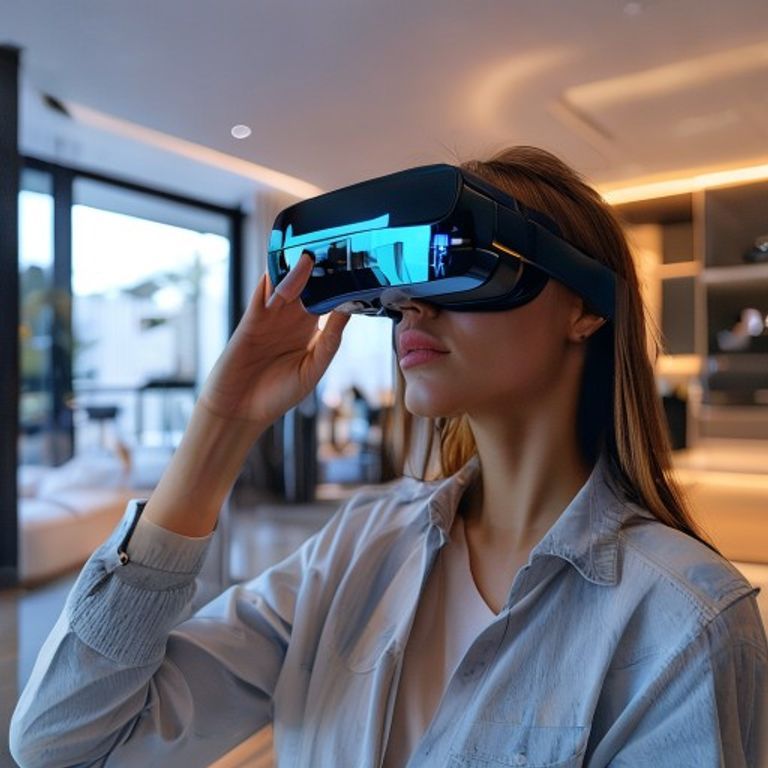
AI smart glasses in 2026 can cover a surprising share of what a smartphone does—navigation, quick questions, notifications, and messages—completely hands-free. But they cannot fully replace a phone yet: battery life is short under heavy use, and complex visual work like spreadsheets or long documents is exhausting on a tiny floating display.
We've all seen the futuristic commercials. People walking down the street, effortlessly pulling up holographic maps, translating foreign languages in real-time, and answering calls without ever touching a screen. For years, smart glasses were either incredibly clunky (remember Google Glass?) or just glorified Bluetooth speakers with a camera attached. With the rapid miniaturization of micro-OLED displays and advanced multi-modal AI agents integrated directly into the hardware, the landscape has shifted. Here is what living with AI smart glasses as a primary daily device would actually look like.
What Are AI Smart Glasses Good At?
AI smart glasses are best at hands-free, glanceable tasks. The most immediate change is physical freedom: we rarely notice how much of our day is spent looking down, tethered to a glowing rectangle in our hands.
- Real-Time Contextual AI: This is where the 2026 models truly shine. These aren't just displays; they have a "brain." In a grocery store, you could look at a box of cereal, ask, "Does this fit my low-sugar diet?" and the built-in AI can analyze the nutritional label via the onboard camera and whisper the answer in your ear, while projecting a red 'X' over the box in your field of vision. It is like having an invisible assistant standing next to you at all times.
- AR Navigation: Walking through a crowded city with AR navigation is a game-changer. Instead of staring at a map, you follow glowing arrows projected onto the pavement. That can ease the anxiety of getting lost in new neighborhoods and leave your attention free for the architecture and people around you.
- Heads-Up Posture: Because information appears at eye level, glasses may encourage you to keep your head up instead of bending over a screen. That could matter for people who spend hours looking down at a phone, though glasses are not a treatment for neck pain—persistent pain is worth raising with a professional.
Why Do Smart Glasses Still Feel Socially Awkward?
Smart glasses still feel awkward because social etiquette hasn't caught up with the technology.
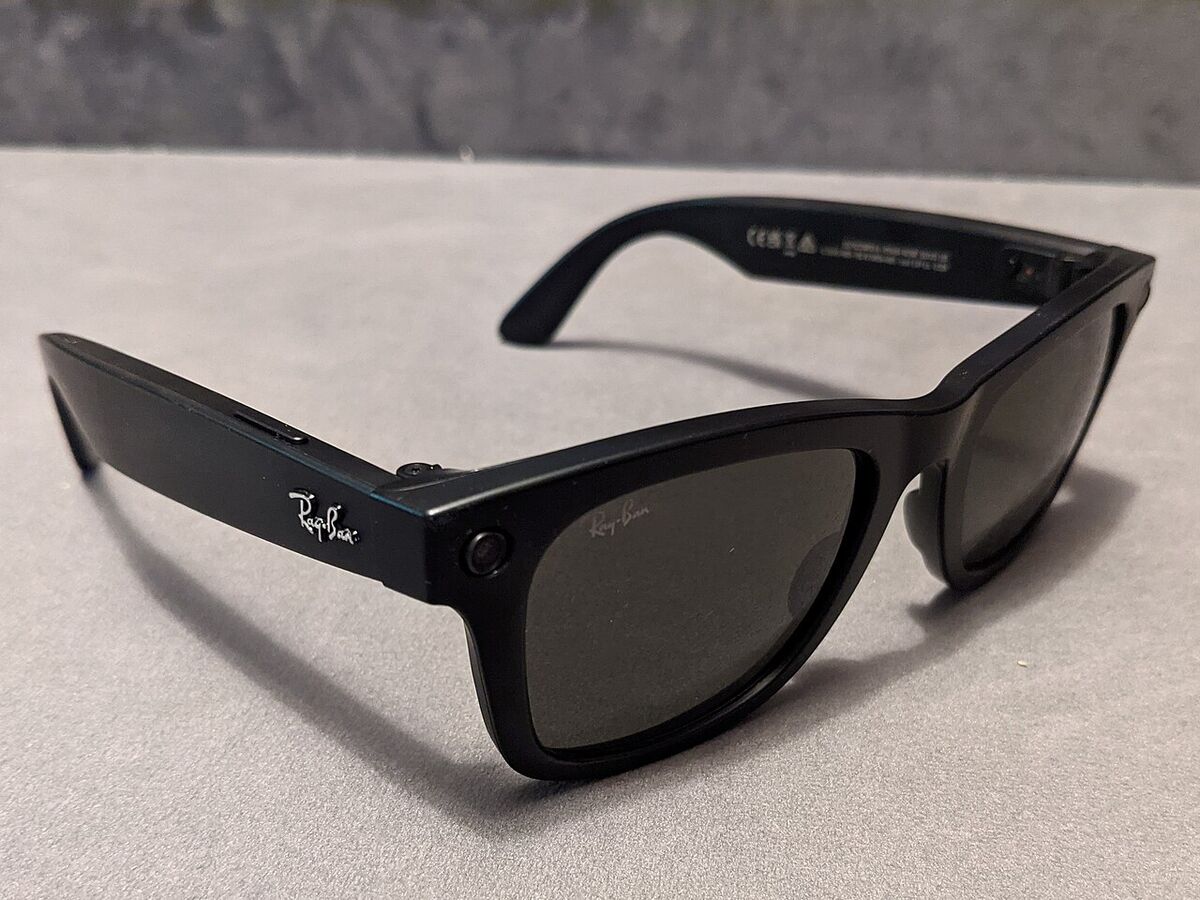
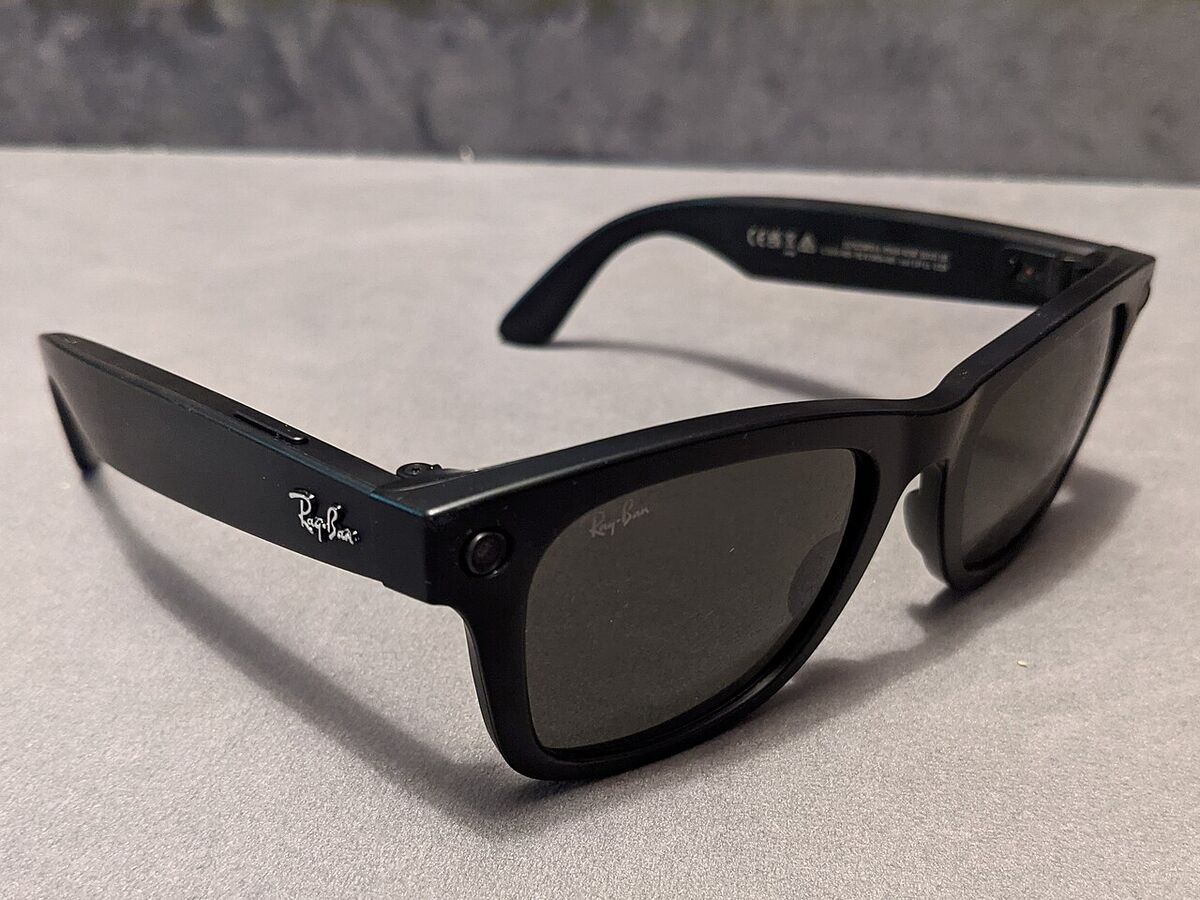
- The "Are You Recording Me?" Stare: Current designs can be remarkably sleek—some look almost exactly like standard Wayfarer-style frames. However, there is still a tiny, glowing LED indicator when the camera or microphone is active. Even a simple weather question to the AI can draw suspicious looks on the subway, and wearers may find themselves reassuring people that they aren't secretly filming them.
- Voice Control in Public: To get the most out of the glasses, you have to talk to them. While bone-conduction audio means you hear the AI privately, you still have to speak your commands out loud. Dictating an email in a quiet coffee shop feels incredibly obnoxious, and you may end up adopting a weird, hushed whisper-yell.
Can AI Smart Glasses Completely Replace a Smartphone?
In 2026, the honest answer is: almost, but not quite. Two limitations stand in the way.
- Complex Visual Tasks Are a Nightmare: If you need to deeply edit a spreadsheet, read a long-form PDF document, or edit a video, doing it on a floating, semi-transparent micro-display is exhausting. The glasses are excellent for quick, digestible information—notifications, messages, simple directions—but they cannot replace the tactile utility of a 6-inch touch screen for heavy lifting.
- Battery Life Anxiety: This is the biggest hurdle. Processing real-time AI and driving dual micro-OLED displays requires a massive amount of power. Heavy use can drain the glasses within a few hours, sending them back to their charging case. If you have a long commute and rely on them constantly, battery anxiety can set in well before the end of the day.
Are We Ditching Phones? The Verdict
No, but AI smart glasses are no longer a gimmick. The integration of generative AI has transformed them from passive displays into active, intelligent tools. In my view they are the ultimate companion device, better than a smartwatch for keeping you connected while keeping your hands free.
They are not yet a complete smartphone killer, because they serve a different purpose. The phone is your deep-work workstation; the glasses are your quick-action, real-world interface.
I wouldn't throw a smartphone away just yet, but I think smart glasses have earned a place alongside it. We are standing on the edge of a major shift in how we interact with the digital world, and for the first time, it feels like we might finally be looking up.