Is Commercial Space Tourism Worth It in 2026? What a Suborbital Flight Involves
- Technology
- Exienent
- · Updated
Commercial suborbital space tourism is bookable in 2026, but it is a premium experience: the whole flight lasts under two hours, weightlessness lasts only a few minutes, and getting there requires medical screening and G-force training. In my view, it is worth it only with genuinely disposable income, never if it means going into debt.
For decades, going to space was a privilege reserved strictly for highly trained government astronauts or billionaires with eccentric hobbies. But lately, you've probably noticed the ads popping up in your social media feeds. In 2026, commercial space tourism has finally shifted from a futuristic pipe dream into a bookable, albeit premium, reality. Ticket prices for suborbital flights have dropped just enough to be considered "an insane luxury" rather than "financially impossible."
Here is what leaving the Earth on a suborbital flight involves, from training to weightlessness to looking down at the curvature of our planet.
How Do You Prepare for a Suborbital Space Flight?
You cannot simply show up at the spaceport with a boarding pass and a carry-on bag. Don't let the glossy marketing fool you; the physical demands of spaceflight, even a brief suborbital hop, require serious preparation.
- Medical Screening: This isn't just a standard physical. Cardiovascular health is tested extensively. If you have severe high blood pressure or a history of heart issues, you might not get clearance.
- The Centrifuge Experience: Before the flight, passengers undergo mandatory G-force training in a centrifuge. It is brutal. Learning how to properly breathe and tense your core muscles to stop the blood from rushing out of your head during a sustained high-G pull is exhausting.
- Suiting Up: Modern pressure suits aren't the bulky Michelin-man suits of the Apollo era. They are surprisingly sleek, tailored specifically to your measurements, and packed with biometric sensors that feed your vitals directly to mission control.
What Does a Rocket Launch Feel Like for a Passenger?
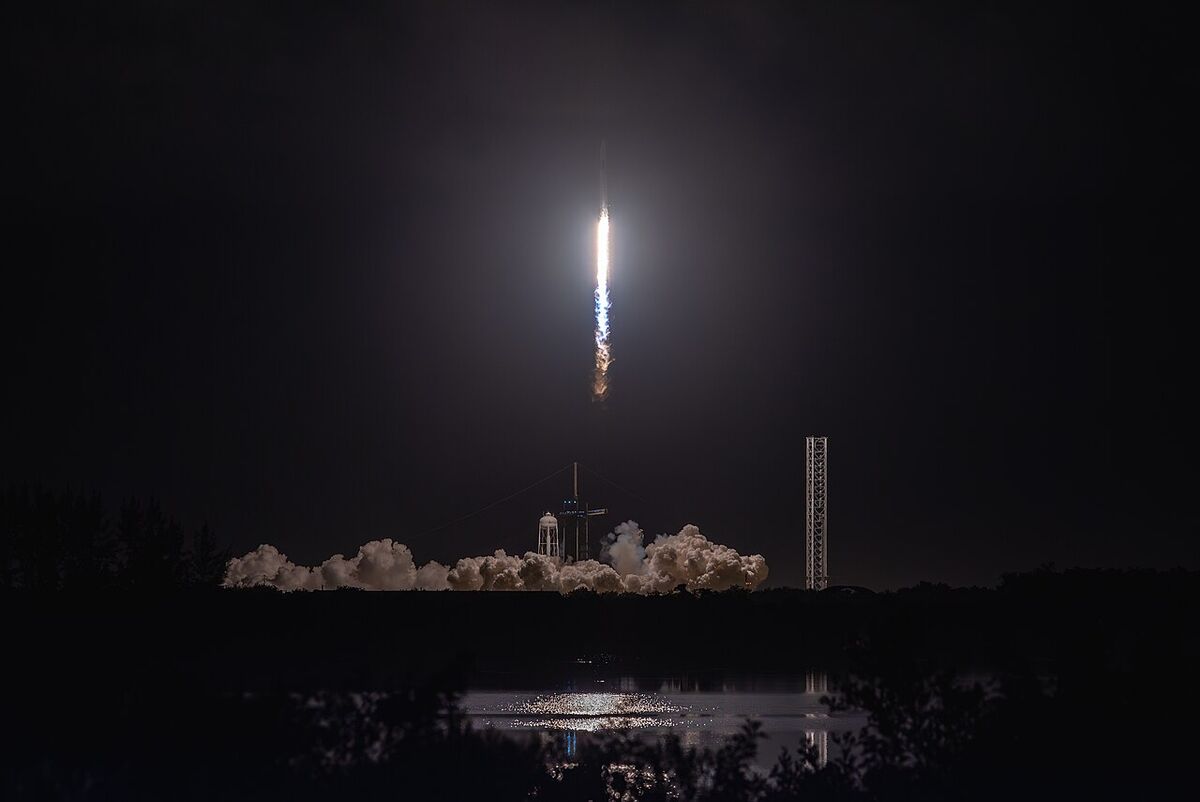
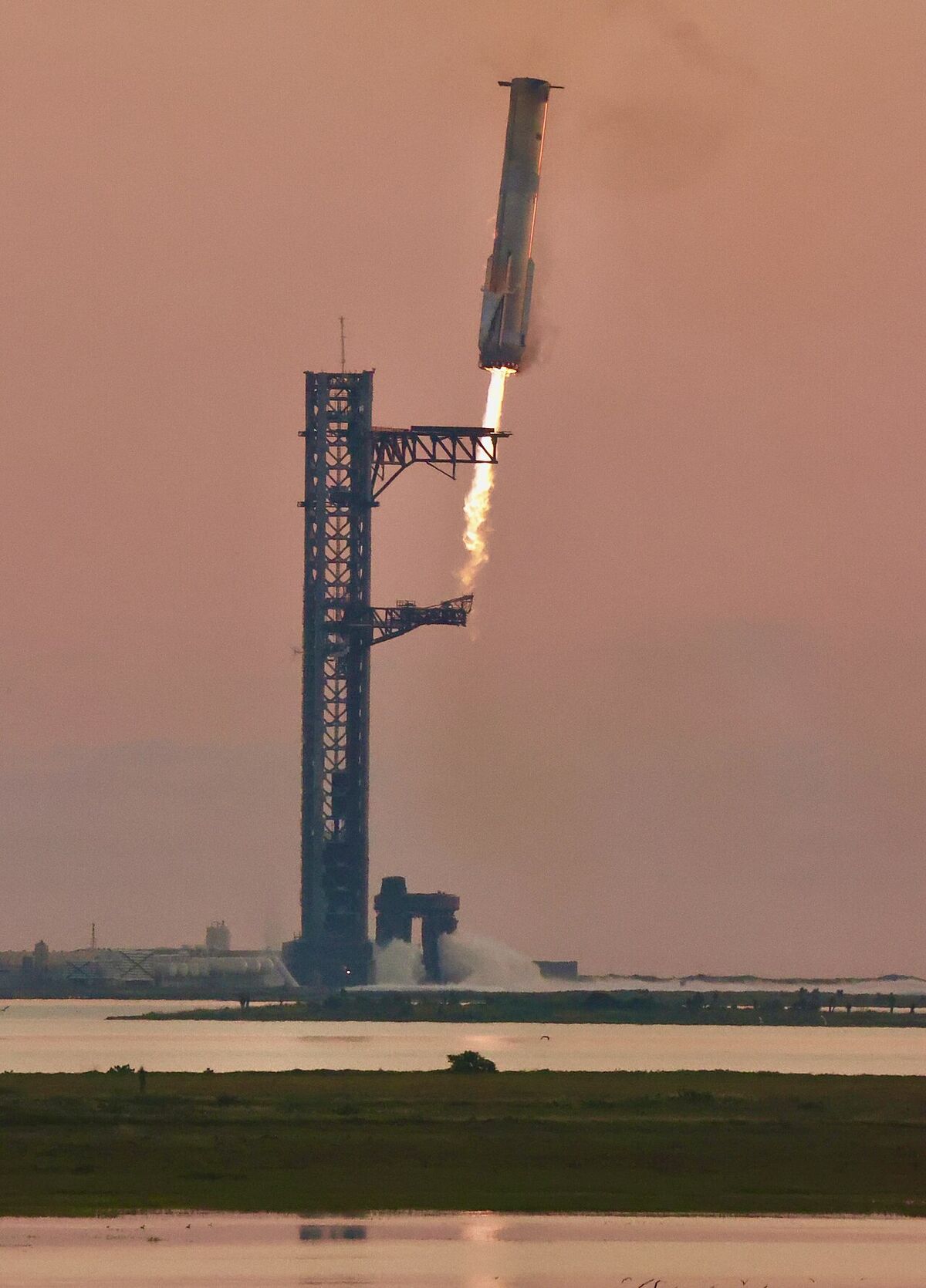
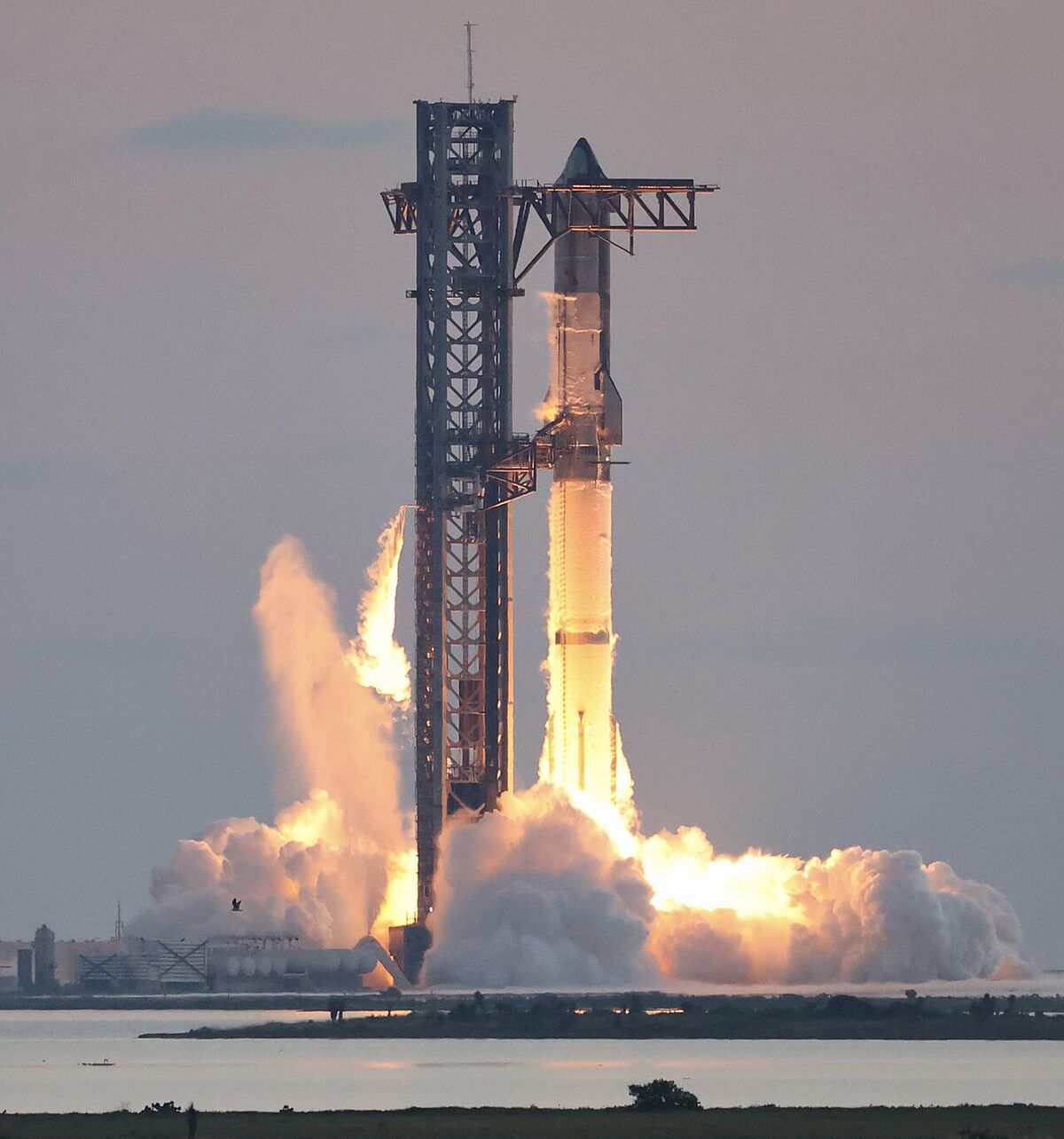
A launch is pure, terrifying power. Walking out to the launch vehicle can feel less like boarding a commercial airliner and more like strapping into a highly controlled explosion.
Once the countdown hits zero, the sheer violence of the ascent can literally take your breath away.
- The G-Forces: As the rocket engines ignite, passengers are pinned into their seats with an unrelenting pressure that can feel like a heavy weight sitting directly on the chest. The breathing techniques from centrifuge training are what help keep panic at bay.
- The Sound: It is a deafening, bone-rattling roar. You don't just hear the engines; you feel them vibrating through your teeth and spine.
Then the engines cut off. The transition is instantaneous. One second you are being crushed by gravity; the next, you are floating.
What Is Zero Gravity Like on a Suborbital Flight?
The main event is a few minutes of sustained microgravity at the apex of the trajectory, and it can be profound.
Unbuckling from the seat and simply pushing off with one finger is enough to send you gliding across the cabin. The sensation is deeply disorienting at first. Your inner ear throws a tantrum because there is no "up" or "down," though the brain can adapt fairly quickly.
Mid-air somersaults and catching floating droplets of water are part of the fun, but the true highlight is the window.
What Is the Overview Effect?
Out of a panoramic window, the sky isn't blue; it is an absolute, terrifyingly deep black. And below it is the Earth.
Seeing the thin, fragile glowing blue halo of the atmosphere curving around the planet can trigger an unexpected emotional response. It's called the Overview Effect—a cognitive shift in awareness reported by astronauts. Looking down, there are no borders, no politics, no daily stresses. It is just a solitary, beautiful marble hanging in the void. For anyone who dreams of space, that view may be the whole point of the ticket.
Is Commercial Space Tourism Worth the Money in 2026?
Re-entry is just as intense as the launch, but this time the G-forces push passengers forward into the straps as the atmosphere acts as a giant brake pad. Even after a smooth touchdown, your legs may feel unsteady for a while.
So, is commercial space tourism actually worth it in 2026?
If you have to go into debt to afford it, I'd say absolutely not. The flight is incredibly short—the entire experience from liftoff to touchdown is under two hours, with only a few minutes of actual weightlessness.
However, if you have the disposable income and a lifelong dream of touching the stars, I think it is an unparalleled human experience. It can change your perspective on our planet in a way that no photograph or VR headset ever could. Space is finally open for business, and it is glorious.