Living With a Powered Exoskeleton: Is This the End of Back Pain?
- Technology
- Exienent
- · Updated
A consumer-grade powered exoskeleton in 2026 is a sub-5-lb hip-and-thigh frame that adds motor assistance when you lift, climb, or walk downhill. It won't turn you into a superhero, and it won't carry loads for you, but it can take noticeable strain off the lower back and knees. The trade-offs are short battery life under heavy load, extra width at the hips, and a price close to a high-end e-bike.
A few years ago, "powered exoskeleton" meant Iron Man or heavily armored soldiers from sci-fi movies. Since then, the technology has quietly slimmed down, shed the military aesthetic, and entered the consumer market, with a leading robotics company releasing a lightweight model aimed at hikers, DIY enthusiasts, and anyone looking to protect their back. Below is a breakdown of what wearing robotic muscles in daily life involves, from moving furniture to a weekend hike.
What does a consumer exoskeleton look like?
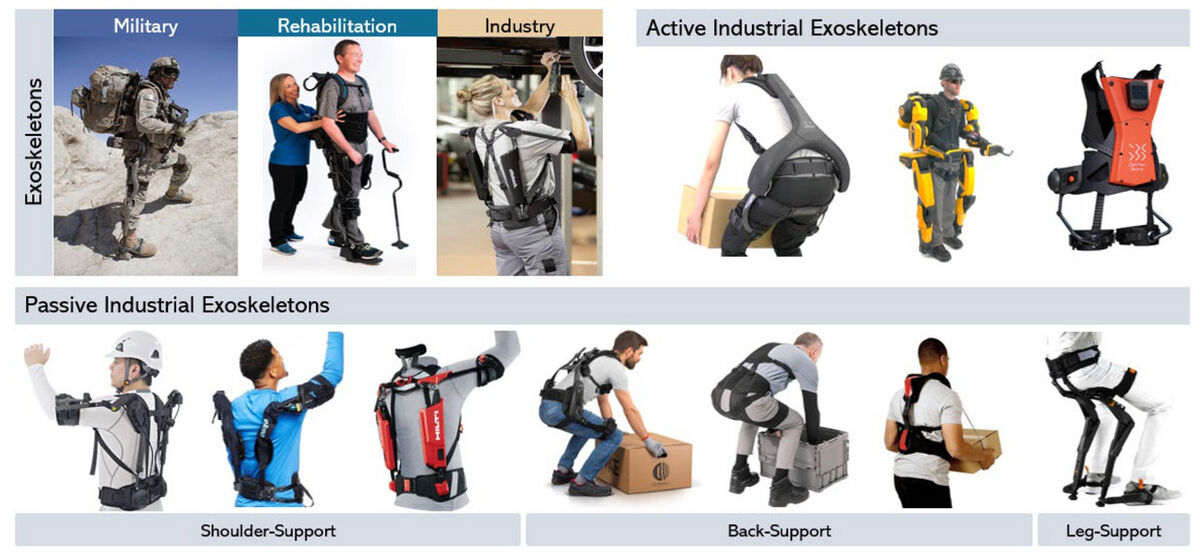
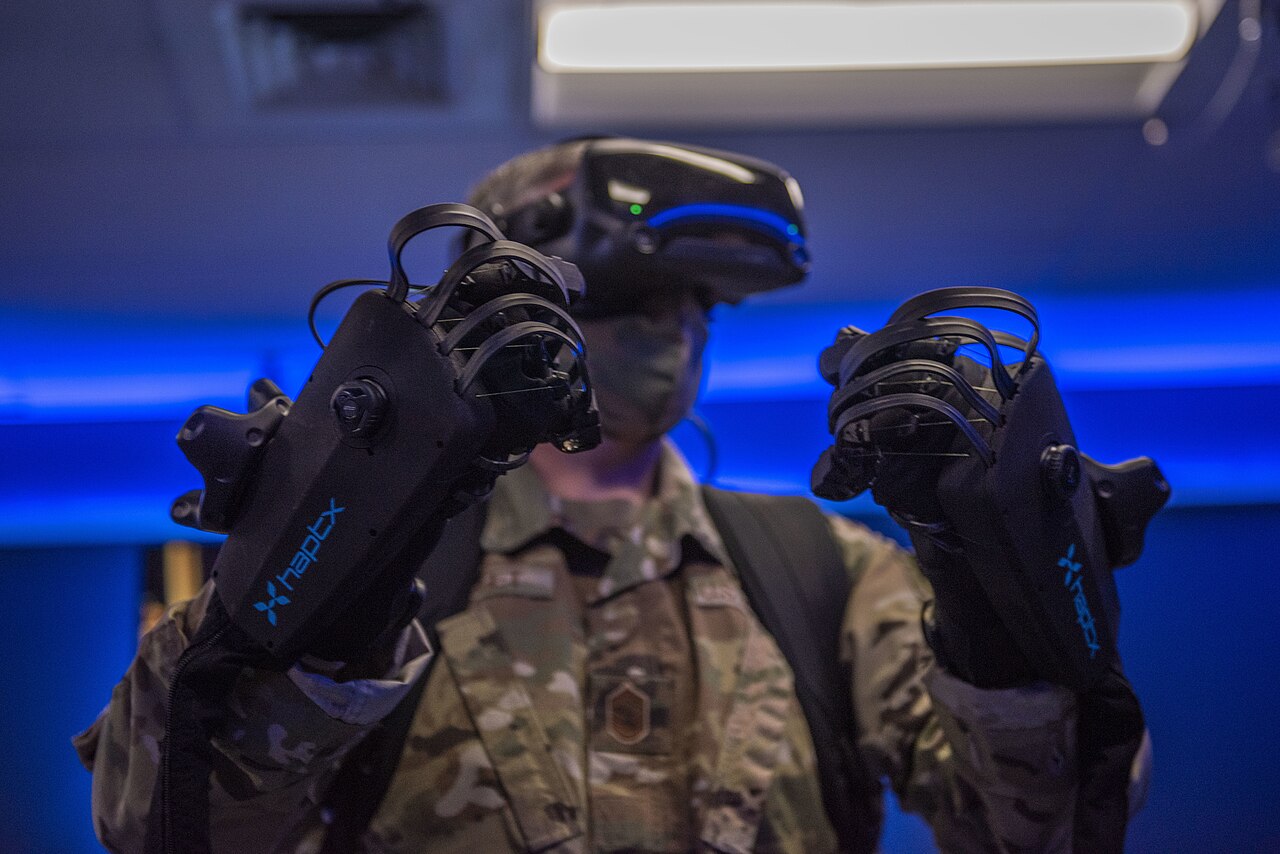
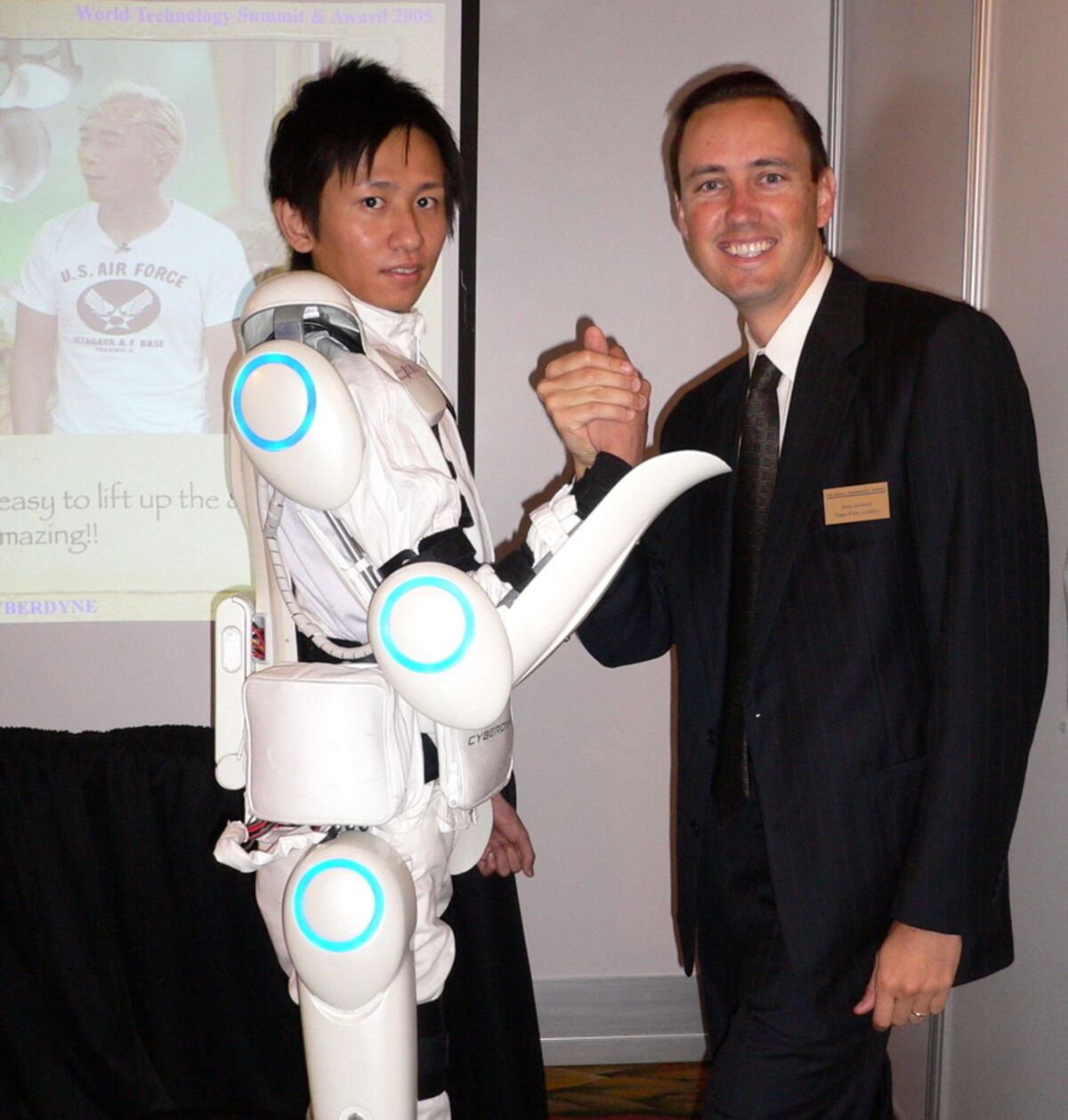
A consumer exoskeleton is far more minimal than the full-body suits of science fiction. It consists of a rigid but padded belt that wraps around your waist, connected to two carbon-fiber struts that run down the outside of your thighs, ending in straps just above the knee.
- Weight: The entire system weighs just under 5 lbs (about 2.2 kg), with the battery pack sitting flush against the lower back.
- Putting it on: Strapping in takes a few minutes at first, and with practice it can become about as quick as putting on a complicated hiking backpack.
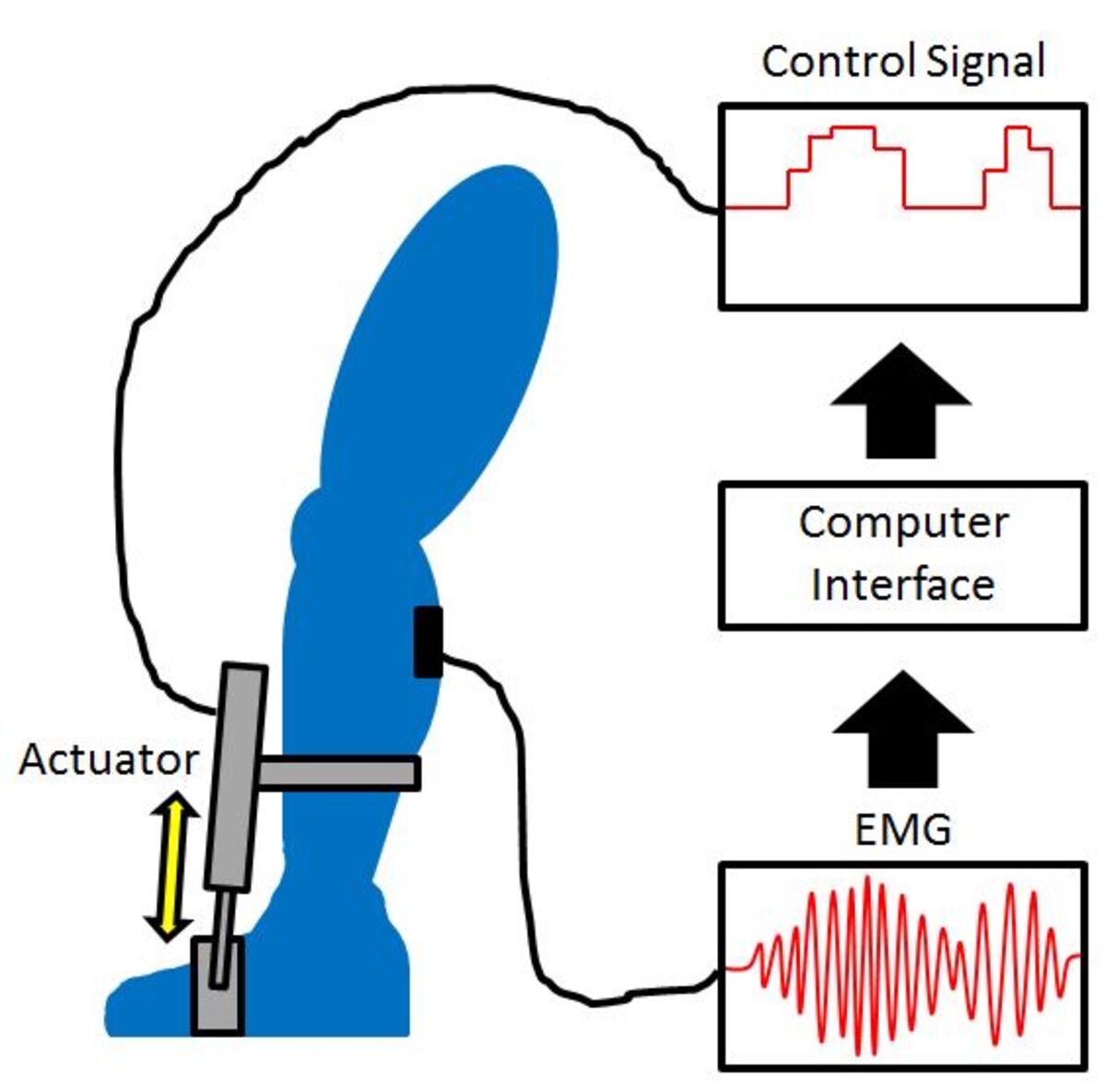
- The Interface: There are no joysticks or buttons. The exoskeleton uses tiny sensors to read the micro-movements of your muscles and intent, activating its motors instantly to assist your motion.
Does an exoskeleton help with lifting heavy things?
Yes, but only partly: the exoskeleton assists your legs and hips, not your arms. Carrying boxes of books or wooden dressers up stairs is exactly the kind of job that usually leaves people with a sore lower back, and it is where the device is meant to help.
When you bend your knees to lift a heavy box, the hip actuators engage with a faint whir. The exoskeleton doesn't lift the box for you—your arms still bear the weight. As you stand up, however, the motors kick in, pushing your torso upward and reducing the strain on your lumbar spine and quadriceps.
The sensation is like someone gently but firmly pushing you up by the waist. Over a long session of carrying, that support may mean less soreness the next day, though it is not a medical treatment, and anyone with persistent back pain should see a professional.
How does an exoskeleton feel on a hike?
On a hike with real elevation gain and a loaded backpack, the device's assist modes become most useful.
- Going Uphill: The exoskeleton has an 'active assist' mode. With every step up a steep incline, the motors provide a subtle boost to your leg swing. It doesn't feel like the suit is walking for you; it can feel more like your legs are younger and slower to tire.
- Going Downhill: Walking downhill is notoriously tough on the knees. The exoskeleton recognizes the downward slope and actively applies resistance, acting as a shock absorber, which may leave your knees feeling fresher at the bottom of the trail.
What are the drawbacks of a powered exoskeleton?
The technology still has three clear weaknesses.
- Battery Life: Under heavy load (like carrying furniture up stairs), the battery can run down within a few hours. You will likely need spare, hot-swappable batteries if you plan to use it for a full workday.
- Bulkiness in Tight Spaces: While sleek, it still adds a few inches to your hips. Doorframes and tight corners are easy to bump into until your spatial awareness adjusts.
- The Price: At roughly the cost of a high-end electric mountain bike, it is still a significant investment for a casual user.
Is a powered exoskeleton worth it?
A powered exoskeleton is worth considering if you regularly do physically demanding work, because its real value is practical: it helps preserve your body rather than adding superhuman strength.
For warehouse workers, construction crews, or regular people who want to protect their joints while doing yard work, I think this technology could be a game-changer. It also hints at massive potential for eldercare and mobility assistance in the near future. The era of wearable robotics is officially here; the remaining questions are battery life and price.