Smart Pills in 2026: The Reality of Ingestible Sensors
- Health, Technology, Wearables
- Exienent
- · Updated
A consumer smart pill is a vitamin-sized ingestible sensor that confirms when a dose was taken and can track metrics like core body temperature from inside the body. In 2026 it is built to make medication adherence verifiable, but for generally healthy people the daily, inside-out tracking is likely more than they need; the clearest use cases are complex medication regimens managed with a clinician.
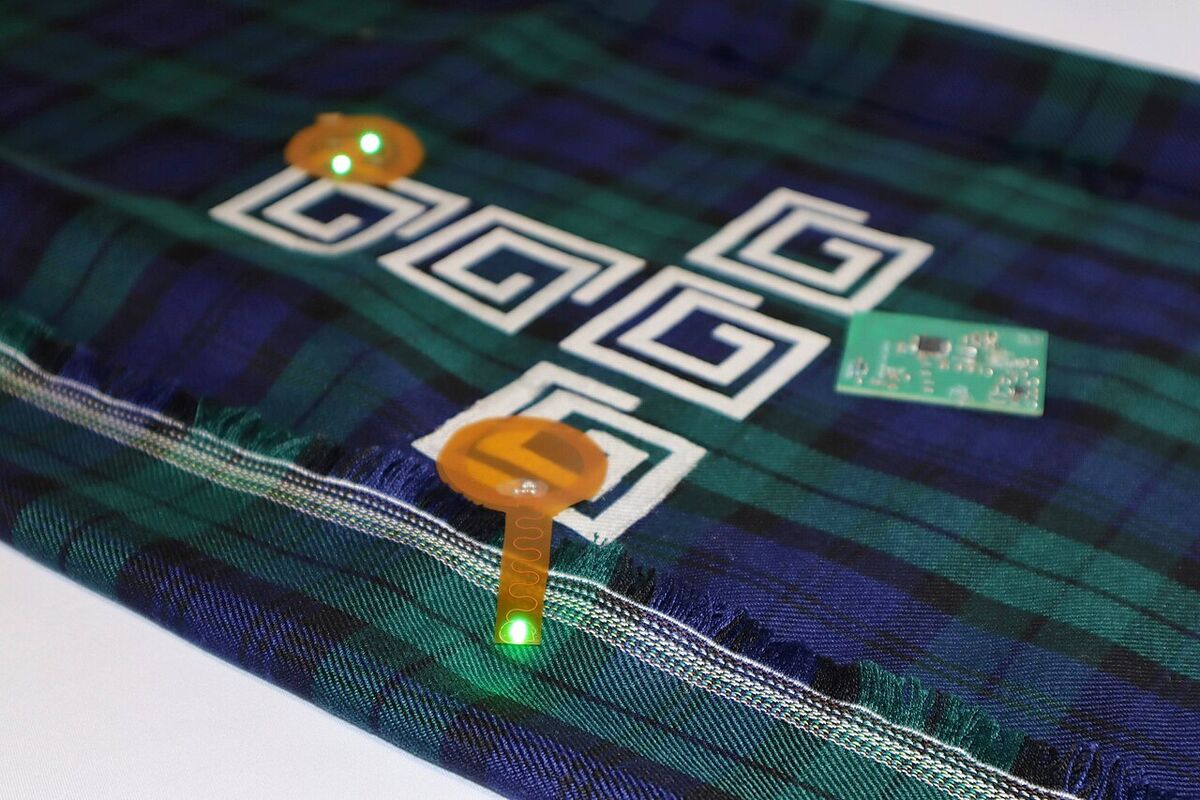
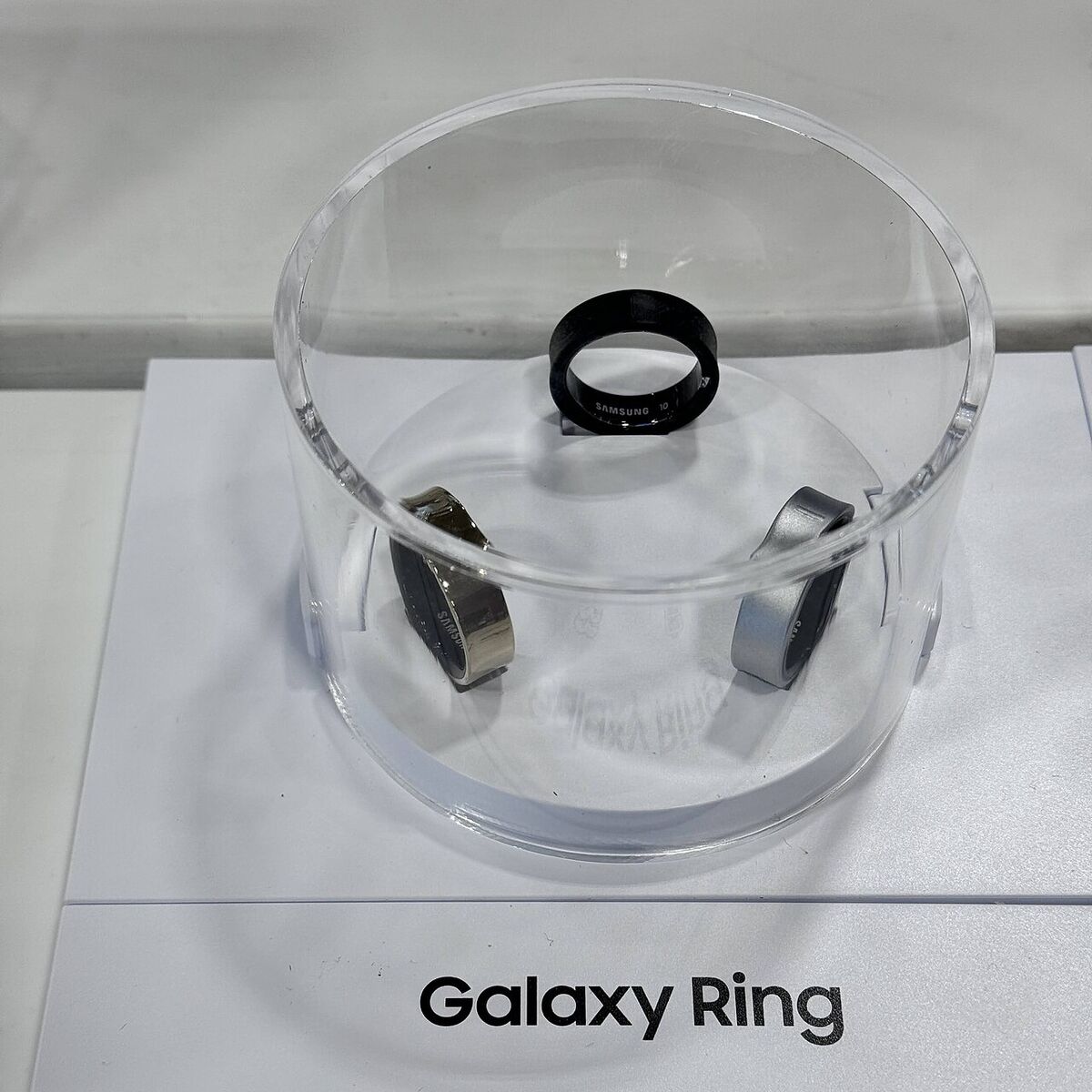
For the last decade, health tracking has focused on what we put on our bodies: from simple pedometers to smartwatches, smart rings, and even smart fabrics that monitor heart rate variability and sleep from the outside in. The next frontier may be something you swallow. 2026 is the year the Smart Pill (Ingestible Sensor) officially reached the mainstream consumer market, after a leading health-tech startup announced an FDA-cleared consumer ingestible sensor program aimed at optimizing medication adherence and tracking core biometrics. Here is what taking a daily smart pill alongside regular supplements actually involves.
1. What Exactly Is a Smart Pill?
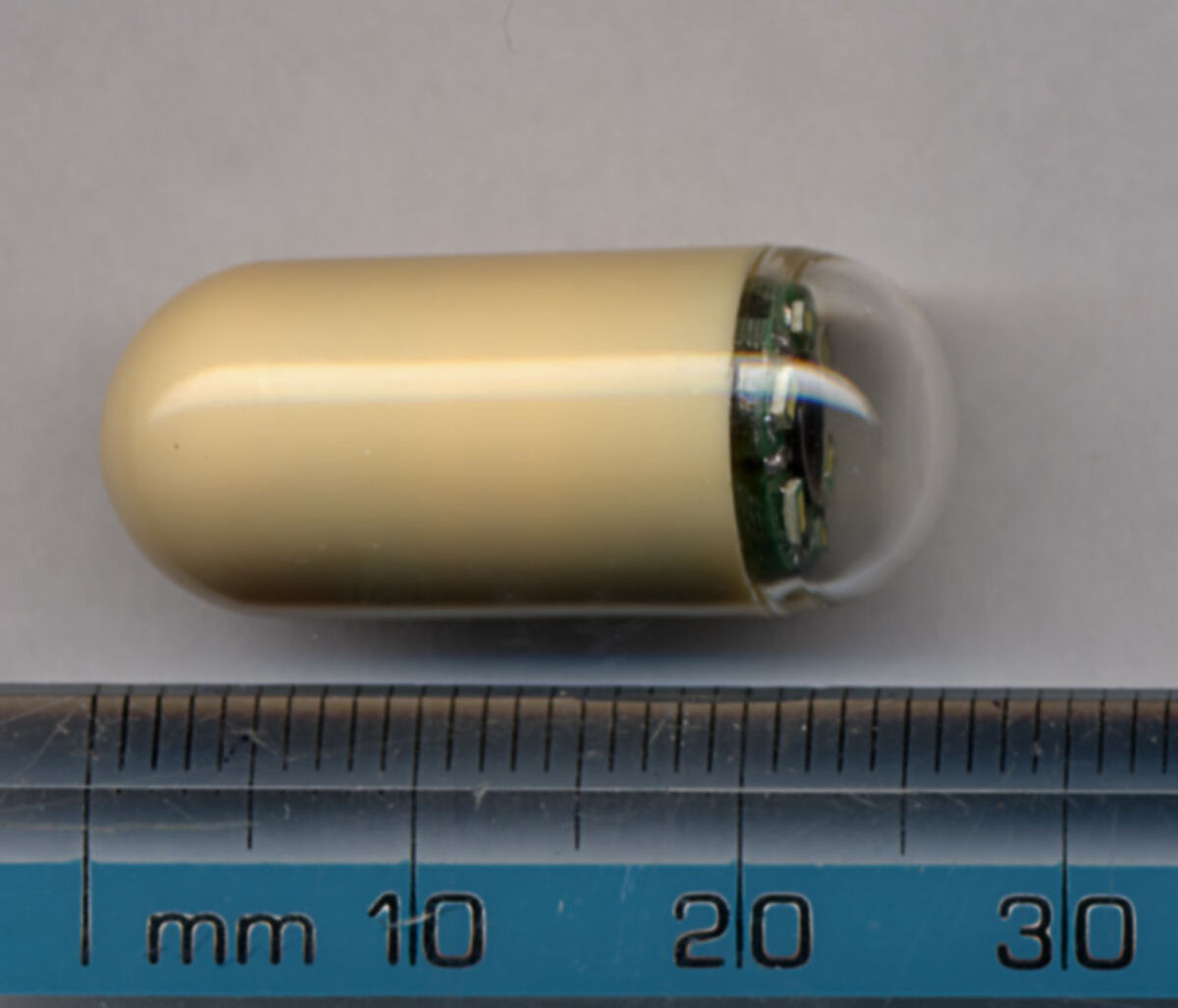
A consumer smart pill is a tiny ingestible computer, not a surgical micro-robot. Microscopic robots that operate on the stomach lining are still strictly in the realm of advanced medical trials.
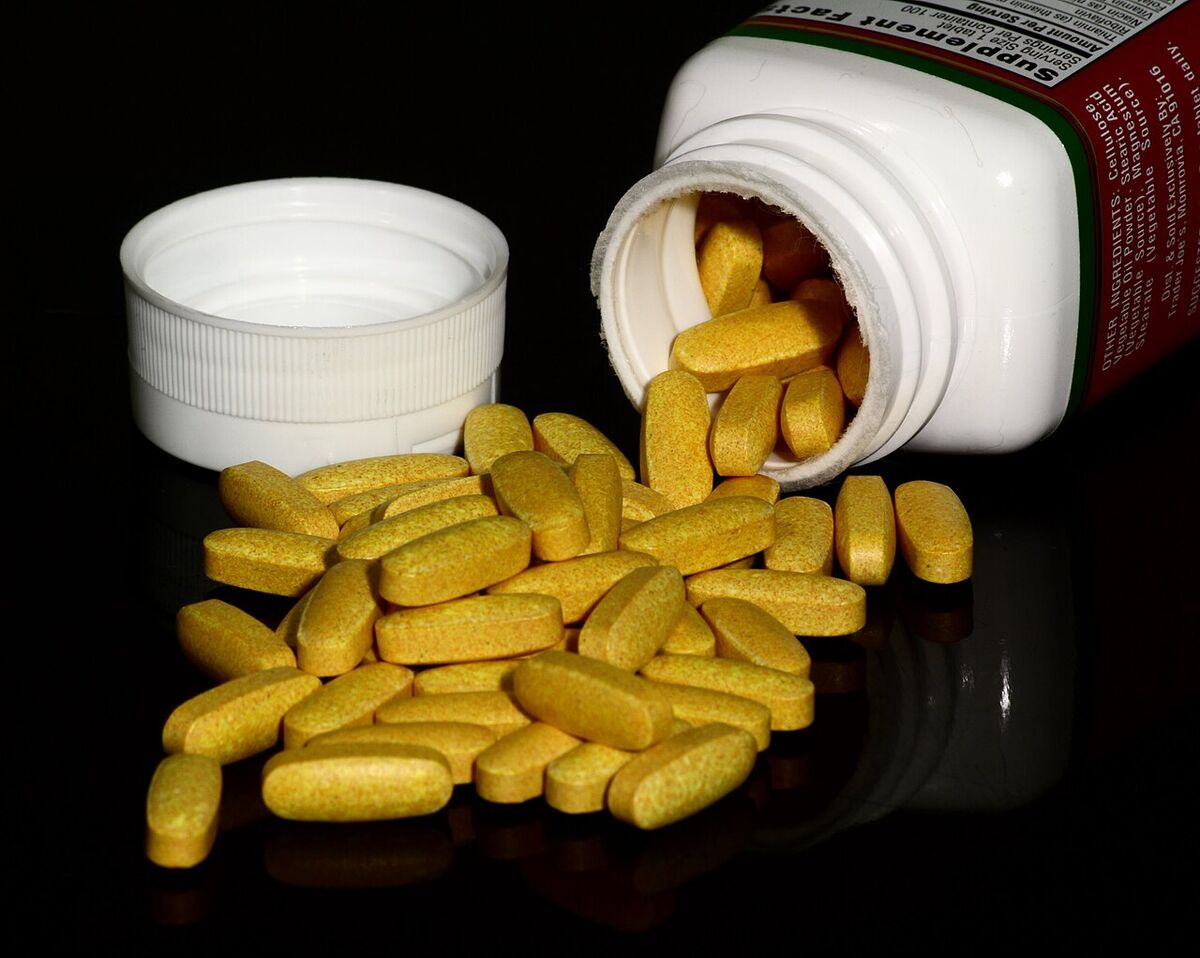
The pill is roughly the size of a standard multivitamin capsule. Inside the dissolvable gelatin casing is a very small silicon chip equipped with a microscopic radio-frequency (RF) transmitter.
Here is how it works:
- The Battery Is You: The pill has no traditional lithium-ion battery. It is powered by a chemical reaction with stomach acid. Once the pill reaches your stomach fluids, the magnesium and copper coatings on the chip generate a tiny electrical charge, just enough to power the transmitter.
- The Signal: Once powered, the pill sends a weak RF signal through your body tissue.
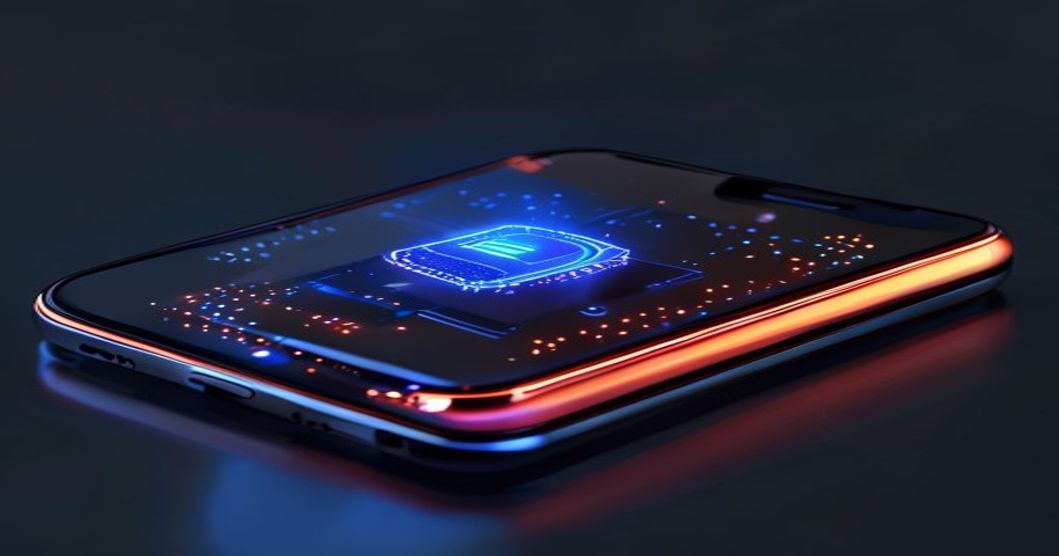
- The Receiver: To capture that signal, you wear a small adhesive patch (the receiver) on your torso, usually on your ribcage. The patch picks up the ping from the pill and syncs the data via Bluetooth to a smartphone app.
2. What Is It Like to Use a Smart Pill Every Day?
Day to day, a smart pill feels like taking any other capsule, followed by a confirmation on your phone. The core promise of this ecosystem is perfect medication adherence plus deeper biometric tracking.
Swallowing a microchip can feel surreal for the first few days, but physically it is no different from taking a fish oil capsule. Within minutes of swallowing it, the app can log a notification along the lines of "Dose confirmed. Medication and supplements logged."
Why Is a Smart Pill Useful for Medication Adherence?
A smart pill removes the guesswork from "Did I take my pill today?" That matters most for people taking multiple daily medications or managing care for an elderly parent. If the pill does not reach stomach acid, the signal is not sent, so the record reflects whether the dose was actually swallowed rather than relying on memory.
It goes beyond adherence, too. Because the pill sits inside your core, it can track metrics that external wearables struggle with:
- Core Body Temperature: A smartwatch estimates temperature from your skin. A smart pill measures the temperature inside your body, which can provide a more accurate baseline for spotting early signs of fever or tracking metabolic cycles.
- Digestive Transit Time: By tracking when the pill is swallowed and when it is eventually... expelled (the chip passes through the system naturally within 24 to 48 hours), the app gives a daily reading on gastrointestinal motility. That data could help users notice which foods slow their digestion.
3. What Are the Limitations of Ingestible Sensors?
Ingestible tech still comes with real friction.
- The Patch Is Annoying: You still have to wear the receiver patch on your ribs and change it every week. After a few days of showering and sweating at the gym, the adhesive can get itchy and peel at the edges.
- The "Passage" Anxiety: The chip is designed to pass safely through the digestive tract, and you do not feel it. Mentally, though, knowing a silicon chip is working its way through your intestines can take some getting used to.
- Privacy Concerns: People are already wary of tech companies tracking location and search history. Are we ready to let them track what is happening inside our stomachs? The data is reportedly anonymized and encrypted, but the privacy implications of ingestible data are massive and largely untested in courts.
Is Ingestible Tech the Future of Health Tracking?
Ingestible sensors look like a serious next step for health tech, but their value depends heavily on who is using them. For a generally healthy person, daily inside-out tracking is probably more granular than necessary, even when the technology works reliably.
For people managing complex chronic conditions, organ transplant recipients who must follow strict immunosuppressive regimens, or biohackers interested in core temperature data, a smart pill could be genuinely useful. Anyone in the first two groups should use it only as part of a plan with their care team, not as a replacement for medical guidance.
In my view, the wrist has been conquered, and the next frontier is quite literally inside us. The era of the ingestible sensor has arrived in 2026, and it is more practical than science fiction led us to expect.