The 'Dopamine Menu': A Practical Way to Curb Doomscrolling in 2026
A dopamine menu is a short, written list of enjoyable activities, grouped by how much time and energy they take, that you choose from when you feel the urge to scroll. Because the decision is made in advance, it can make it easier to pick something other than your phone when you are tired. It is not a cure for smartphone overuse, but it is a simple, analog tool that may help some people reclaim their downtime.
Why Is Doomscrolling So Hard to Stop?
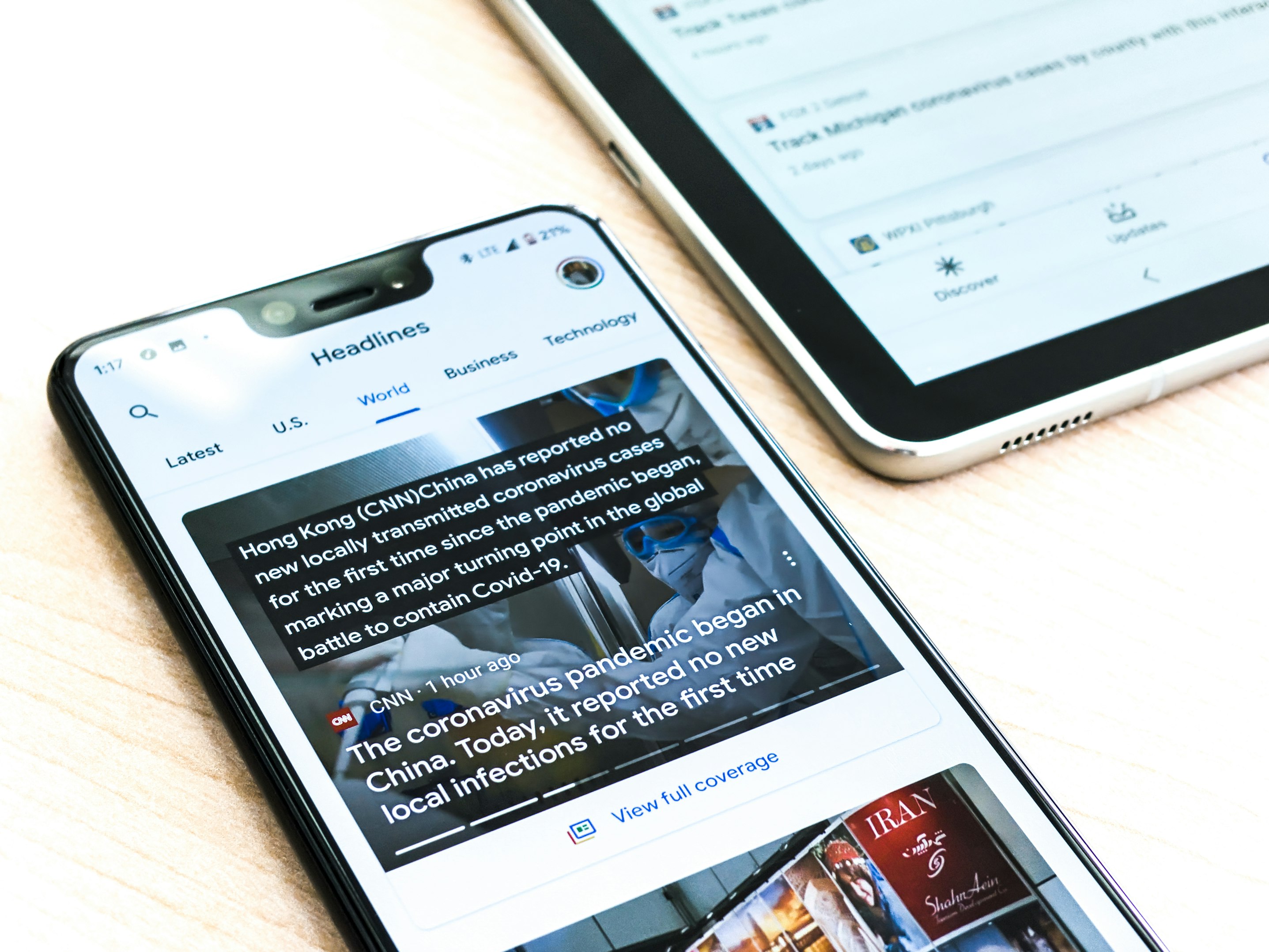
Doomscrolling is hard to stop because it asks nothing of a tired brain. It’s 11:30 PM. You are exhausted, your eyes are burning, and you know you need to sleep. Yet your thumb keeps swiping through short-form videos. You aren't even enjoying the content anymore; you are simply chasing the ghost of a good feeling.
Common fixes like screen time limits (easily bypassed), hiding the phone (annoying), or swearing off social media entirely can fall apart quickly. The problem may not be a lack of willpower so much as a misunderstanding of what the brain is looking for. A tired brain wants stimulation, and the phone is the cheapest, easiest fast-food joint in town.
What Is a Dopamine Menu?
A dopamine menu is a list of go-to activities that provide mental stimulation and enjoyment, written down before you need it. The concept originally gained traction within the ADHD community as a tool for executive dysfunction, but by 2026, it has become a mainstream strategy for anyone battling digital burnout.
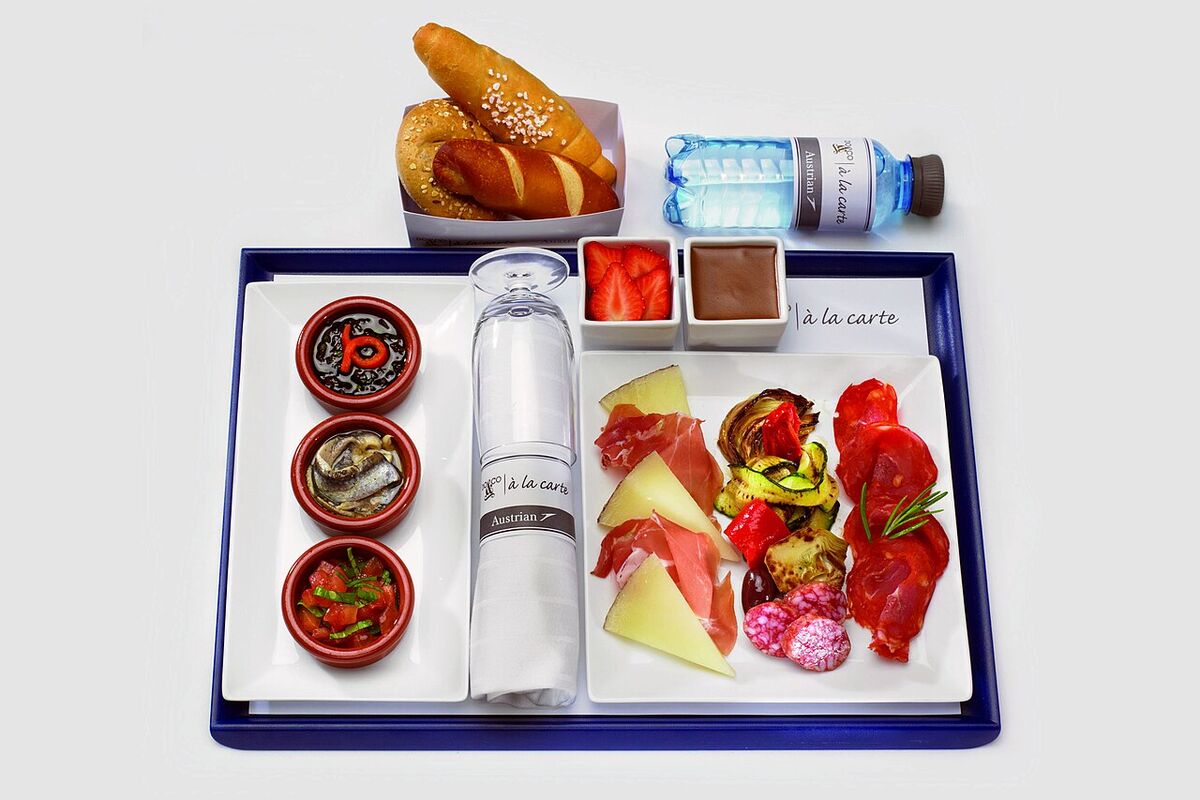
Think of it like a restaurant menu, but instead of food, you are ordering activities that provide specific types of mental stimulation and joy (dopamine).
When we are tired or stressed, our brains crave a quick hit of feel-good chemicals. If we haven't planned ahead, the path of least resistance is always the smartphone. By creating a physical, pre-written menu of alternative activities, you remove the friction of having to "think of something to do" when your executive function is already depleted. You just look at the menu and order.
How Do You Build a Dopamine Menu?
You build a dopamine menu by sorting activities into "courses" based on the time you have and the energy level you are working with. Writing down "read a book" and "go for a walk" is not enough. The structure below can serve as a blueprint.
1. Appetizers (Quick Bites - 5 to 10 Minutes)
Appetizers are for tiny pockets of time—like waiting for water to boil, sitting on the toilet, or transitioning between tasks. These moments are the prime danger zone for doomscrolling. Appetizers provide a quick, satisfying hit without sucking you into an hour-long vortex.
- Example Appetizers:
- Do the daily Wordle or a quick crossword puzzle.
- Do 10 deep stretches.
- Water the indoor plants.
- Pet your cat and give it undivided attention for 5 minutes.
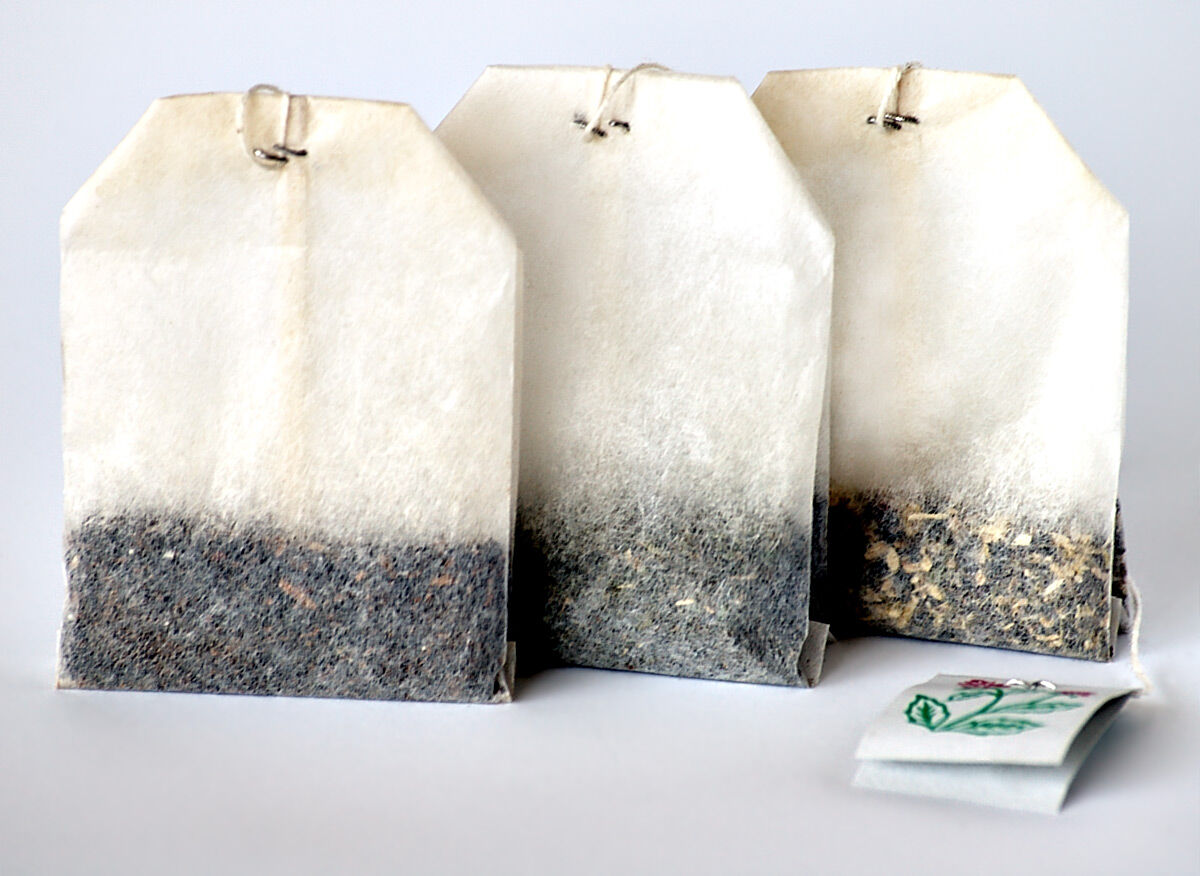
- Make a cup of herbal tea.
2. Entrées (Main Courses - 30 to 60 Minutes)
Entrées are for a solid block of free time, such as after work or on a lazy Sunday afternoon. These activities require more sustained attention and can provide a deeper, longer-lasting sense of satisfaction than scrolling.
- Example Entrées:
- Read a physical fiction book (strictly no business/self-help books for this category).
- Go for a walk outside while listening to a long-form podcast.
- Cook a meal that requires chopping vegetables (the tactile sensation can feel grounding).
- Play a cozy, low-stress video game (like Stardew Valley or Animal Crossing).
- Call a friend or family member just to catch up.
3. Desserts (High Dopamine, Proceed with Caution)
Desserts are the ultra-stimulating activities. They aren't inherently bad, but they can easily lead to a binge if you aren't careful. These are the things you enjoy but need to consume mindfully.
- Example Desserts:
- Scrolling TikTok or Instagram Reels.
- Watching a highly bingeable Netflix series.
- Eating actual, sugary dessert.
A rule for Desserts: only order one when you have consciously chosen to do so and set a timer, and never use a dessert as an "Appetizer" when you're just trying to kill five minutes.
4. Sides (To Accompany Unpleasant Tasks)
Sides are passive sources of dopamine that make boring, mandatory tasks (like folding laundry or doing taxes) more bearable.
- Example Sides:
- Playing an upbeat 90s pop playlist.
- Lighting a nice candle.
- Putting on an ambient noise track (like rain or coffee shop sounds) while working.
Why Can a Dopamine Menu Work?
A dopamine menu can work because it takes the decision out of the moment when you are least able to make it. Sticking a list on the fridge may feel a bit childish at first, but the reasoning behind it is straightforward.
It Bypasses Decision Fatigue
By 8 PM, your brain has made thousands of decisions. The frontal lobe is tired. When you feel that urge for stimulation, asking your tired brain to brainstorm a healthy, engaging hobby is a losing battle. The phone wins because it requires zero cognitive load. The menu helps because the decision has already been made by your "past self." You just have to point and execute.
It Provides Higher-Quality "Nutritional" Value
Scrolling provides a jagged, chaotic spike in dopamine that plummets quickly, which can leave you feeling empty and anxious. The activities on your menu (especially Entrées) tend to offer a slower, steadier kind of reward. Reading a chapter of a book can leave you feeling calm and accomplished; scrolling for an hour can leave you feeling slightly nauseous.
It Highlights the Illusion of "No Time"
It is easy to feel there is no time to read or do yoga. Swapping even a 30-minute scrolling session for an "Entrée" from your menu can reveal free time that was hiding in plain sight.
How Do You Make a Dopamine Menu Stick?
A dopamine menu sticks when it is visible, honest, and regularly refreshed:
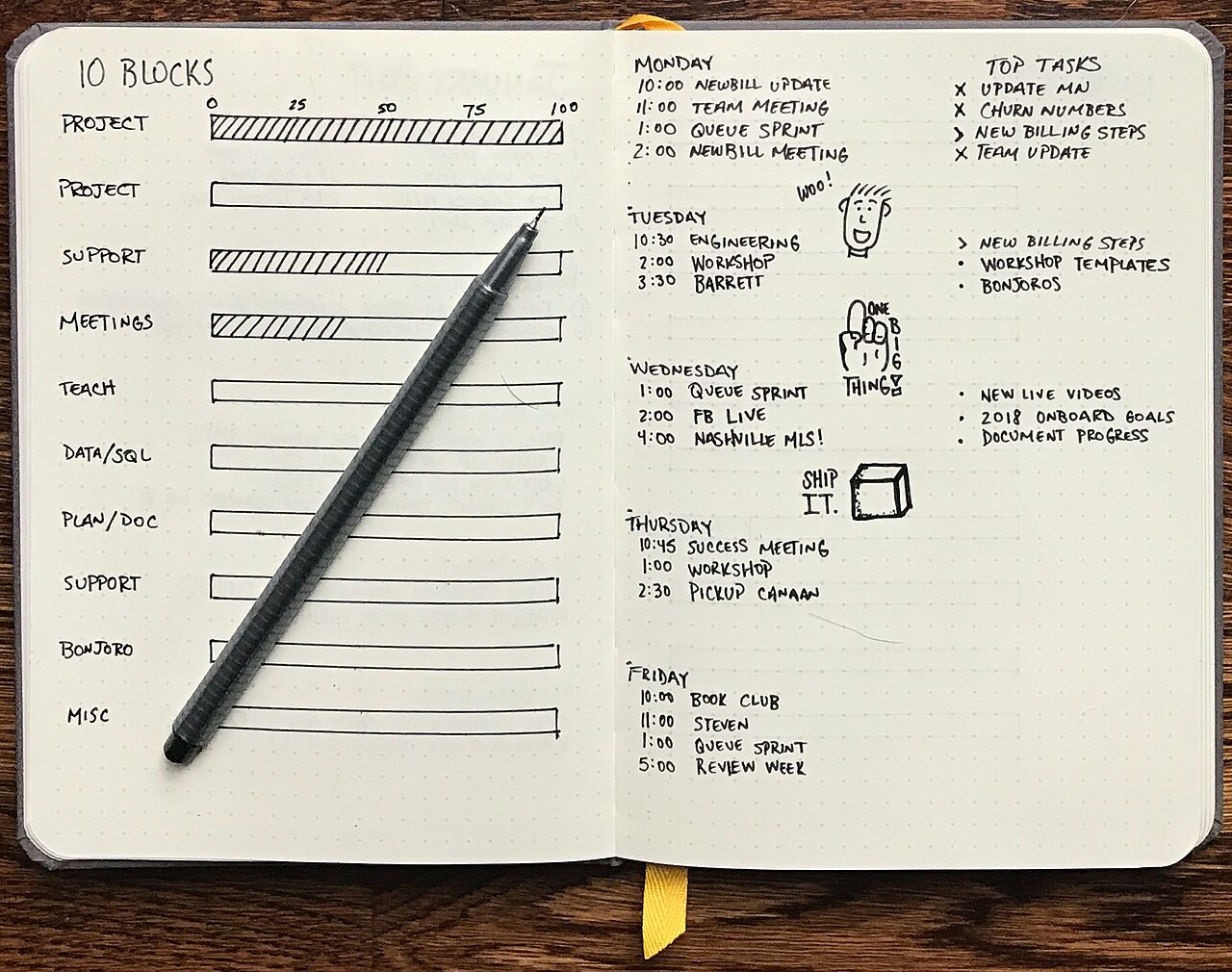
- Make it Physical: Do not type your menu into the Notes app on your phone. If you pick up your phone to look at the menu, you have already lost. Write it on a nice piece of paper and stick it somewhere visible—on the fridge, on your desk, or next to your bed.
- Be Brutally Honest: Don't put "learn Mandarin" on your menu if you hate studying. Your menu must consist of things you actually enjoy doing. If it feels like a chore, it won't provide the dopamine you are looking for.
- Update It Regularly: You will get bored of your appetizers. When an activity stops feeling rewarding, swap it out for something new. The menu should be a living document.
We live in an attention economy that spends billions of dollars figuring out how to hijack our brain chemistry. The dopamine menu is a simple, analog defense mechanism. It’s a way of saying, "I recognize my brain needs stimulation, but I am going to choose how I get it." It’s not about never touching your phone again; it’s about reclaiming your agency, one appetizer at a time. If phone use feels out of control or is affecting your mood or sleep, talking to a mental health professional is a good next step.