Underconsumption Core: How to Stop Buying Things You Don’t Need in 2026
- Lifestyle, Environment
- Exienent
- · Updated
Underconsumption core is a 2026 social media trend that celebrates using what you already have, repairing what breaks and buying fewer, better things instead of chasing new purchases. It isn't extreme minimalism; it is a practical shift toward intentional spending, built on a few simple habits such as shopping your own home first and waiting before non-essential purchases.
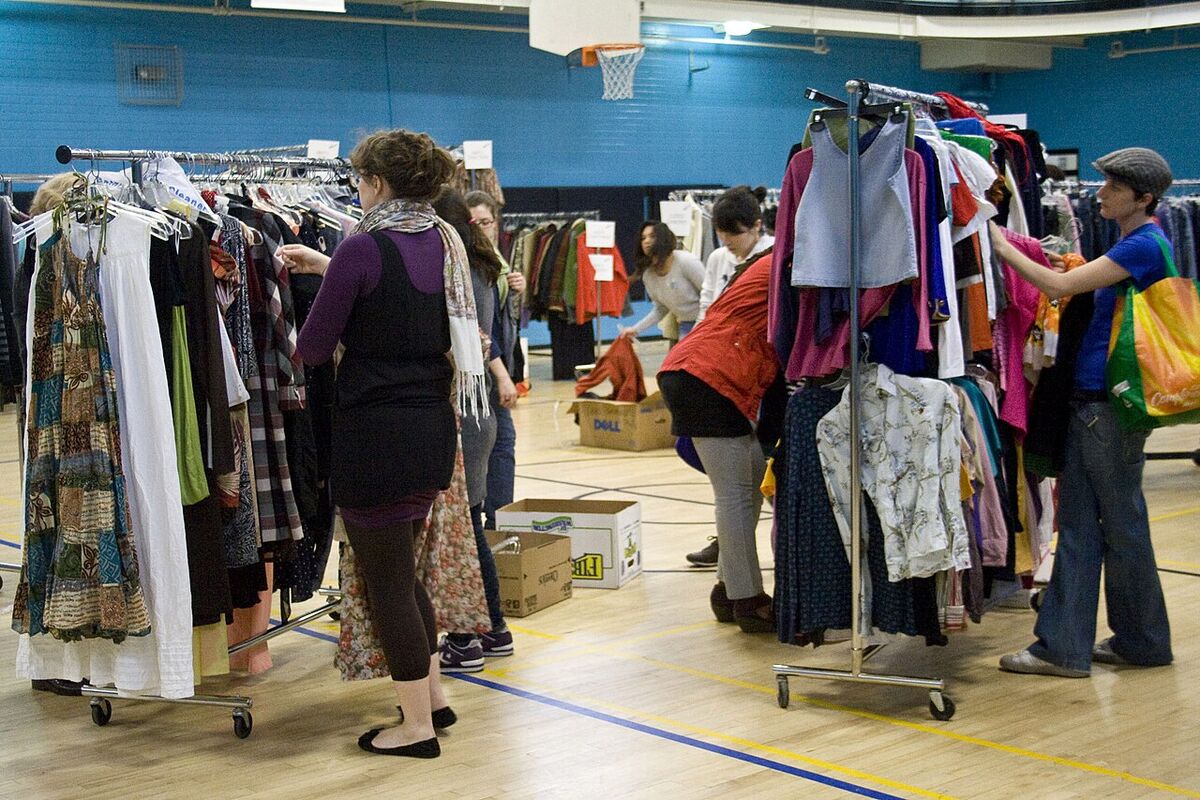
It speaks to a familiar pattern: clicking "buy now" when slightly stressed, bored, or vaguely inspired by a new hobby that gets abandoned two weeks later. The result is a home filled with hyper-specific kitchen gadgets, unworn fast fashion, and stacks of aesthetic notebooks too pretty to actually write in. That isn't just consuming; it is overconsuming on autopilot, and the mental weight of managing, cleaning, and simply looking at all that stuff can feel exhausting rather than joyful.
What exactly is underconsumption core?
Underconsumption core is the quiet opposite of "haul" culture. If you spend any time on social media in 2026, you've probably noticed a stark shift away from massive "hauls" and chaotic unboxing videos. In their place is a quiet, radical movement celebrating the exact opposite: using what you have, repairing what’s broken, and aggressively normalizing not buying new things.
It isn't about extreme, ascetic minimalism where you only own 30 items and sleep on the floor. It's much more practical and forgiving. It’s an intentional shift toward conscious consumption. It’s the aesthetic of the well-worn, the repaired, and the cherished over the pristine and newly purchased. It's about finding value in longevity rather than novelty.
Why is hyper-consumerism so hard to resist?
Hyper-consumerism is hard to resist because the environment is built to manufacture desire. We live in an algorithmic age designed for exactly that.
- The Illusion of Need: Social media feeds are essentially personalized, non-stop shopping channels. You are constantly shown things you didn't know existed but suddenly feel you desperately need to complete your life.
- The Dopamine Trap: The friction of buying has been completely eliminated. With saved payment details and one-click checkouts, the brief dopamine hit of a purchase is easier to access than ever.
- The Environmental Toll: Behind the cheap prices and next-day deliveries is a staggering environmental cost. Fast fashion mountains in deserts and e-waste piling up globally are the direct results of our collective buying habits.
How do you practice underconsumption core?
Underconsumption is practiced through a handful of habits that rewire the brain's reward system over time rather than overnight.
1. The "Shop My Own Home" Strategy
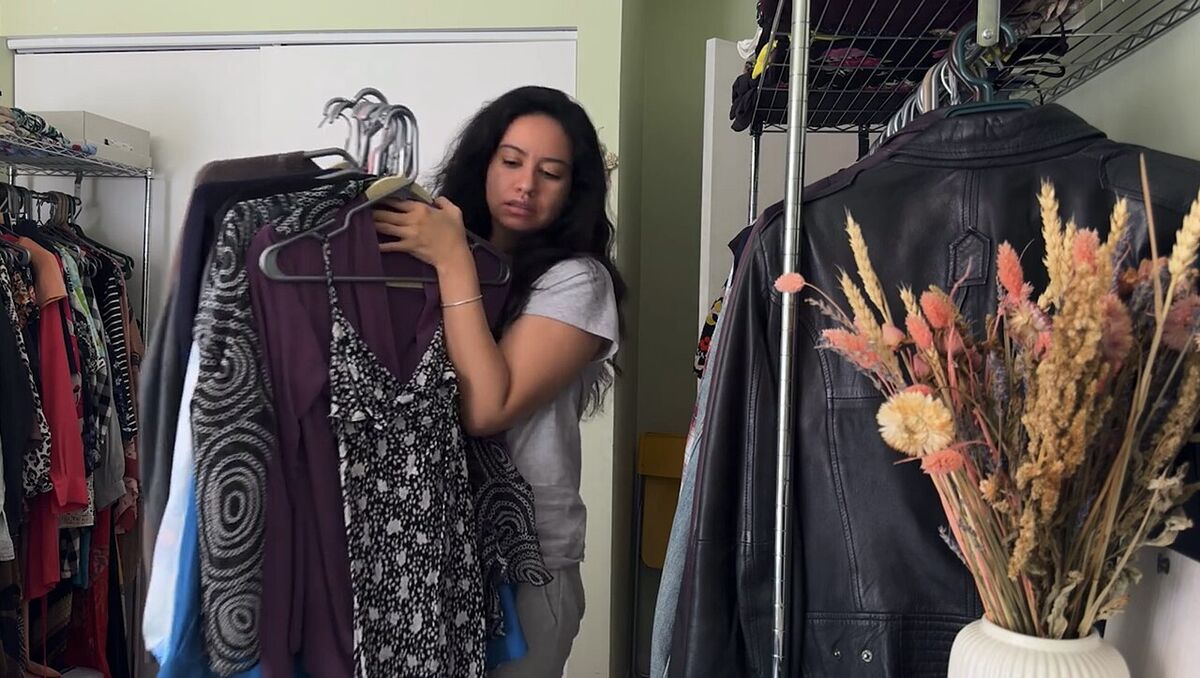
The most practical first step is a strict "shop my home first" rule. Before buying anything—whether it is a new organizational bin, a specific tool, or a piece of clothing for an event—spend 15 minutes looking for an alternative you already own.
A repurposed shoebox can work just as well as a $20 acrylic organizer, and an old, oversized shirt can replace the need for a new "loungewear set." Being resourceful reveals how much hidden utility is already sitting in your closets.
2. Embracing the "Ugly" and Imperfect
Social media has conditioned us to want our lives to look like curated mood boards. Every container must match, every piece of furniture must fit an exact aesthetic. Underconsumption core fundamentally rejects this.
In practice, that means not throwing away perfectly good items just because they look a bit tired. Learn to darn socks (even poorly, as long as it works). Use up the last scraped bits of expensive skincare before opening a new one. Accept that it is entirely normal to have a mismatched set of mugs. There is a deep, quiet satisfaction in fully utilizing an object until the very end of its usable life.
3. The 30-Day Waiting Period
For any non-essential purchase over $30, put it on a list and wait 30 days. The desire can fade along an arc like this:
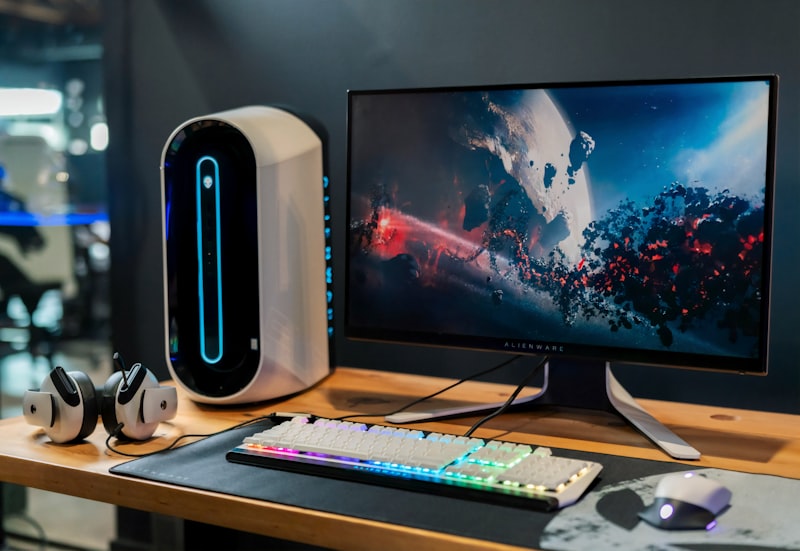
- Day 1: The desire is intense. You need this new mechanical keyboard. It will revolutionize your workflow.
- Day 15: You may still kind of want it, but you've survived without it, and your current keyboard turns out to be fine.
- Day 30: You may have forgotten why you even wanted it in the first place. Delete the item from the list.
Desires can be fleeting. Adding friction between the impulse and the purchase allows the emotional urgency to dissipate, leaving room for rational decision-making.
4. Investing in High-Quality Staples (When Necessary)
Underconsumption isn't about never buying anything; it's about buying better things less often. When an item genuinely needs replacing because it can no longer be repaired, spend more time researching than you used to.
Instead of cheap, fast-fashion jeans that lose their shape after a few washes, you might save up for one pair of raw denim jeans built to last for years. The upfront cost is higher, but the cost-per-wear over time can be much lower, and the environmental impact is reduced. The mindset shifts from "what is the cheapest option?" to "what is the most durable option?"
What are the benefits of buying less?
Saving money and clearing physical clutter are the obvious goals, but the psychological benefits can matter even more.
Reclaiming Mental Bandwidth
Acquiring and managing things can take more mental energy than you might notice. Researching products, tracking packages, returning items that didn't fit, organizing overflowing drawers—it adds up to a part-time job nobody wants. Reducing what enters your home can free up that bandwidth, leaving more time to actually read the books you own instead of just buying new ones.
Financial Breathing Room
This is the most obvious benefit. Not bleeding money through a thousand small, unnecessary purchases can leave more room for savings and may ease some background money worries, though results depend on your income and circumstances. In my view, real financial freedom isn't only about a massive salary; it's about having a wide gap between what you earn and what you feel compelled to spend.
Disconnecting from the Hype Cycle
Perhaps the most liberating aspect of underconsumption is stepping off the relentless treadmill of trends. You stop caring about the "must-have" item of the season because you understand that next season, it will be forgotten in a landfill. You realize that your value and identity are not tied to the brands you wear or the gadgets you own.
How can you start your own underconsumption journey?
Start small; you don't need to throw everything away and live in an empty room, even if you feel overwhelmed by your belongings or stressed by constant spending.
- Do a No-Spend Month: Challenge yourself to buy absolutely nothing but essentials (groceries, rent, bills) for 30 days. It acts as a hard reset for your spending habits.
- Audit Your Subscriptions: Cancel the streaming services you rarely watch and the app subscriptions you forgot you had.
- Learn Basic Repair Skills: Watch a five-minute YouTube video on how to sew a button or patch a small hole. It’s empowering to fix your own things.
- Unfollow the Temptation: Mute or unfollow accounts that primarily exist to sell you things. Protect your digital environment.
Underconsumption core isn't a restrictive diet for your wallet; it's a profound shift toward valuing your time, your money, and your peace of mind over the temporary thrill of a new purchase. It’s realizing that sometimes, the best thing you can add to your life is absolutely nothing at all.