The Joy of Fixing Things: Why the Right to Repair Movement Matters More Than Ever
- Technology, Environment, Lifestyle
- Exienent
- · Updated
The Right to Repair movement argues that if you buy a product, you own it—and should be allowed to open it and fix it without the manufacturer standing in your way. It matters more than ever because software locks, parts restrictions, and hostile design push people to replace devices that could be repaired, feeding e-waste and planned obsolescence. The good news: tools, free guides, and repairable products make it easier than ever to start fixing your own tech.
How Does the Tech Industry Discourage Repair?
Picture a trusty three-year-old smartphone whose battery can no longer hold a charge. At an authorized repair shop, the quote can be so high that even the technician might suggest you are better off just buying the new model.
That is the exact moment when the modern tech industry wins. Manufacturers design a beautiful, essential device, seal it shut with proprietary industrial glue, refuse to sell replacement parts to the public, and then price official repairs so high that you are financially coerced into buying a completely new device.
The alternative is to say no: order a replacement battery kit online, watch a teardown video, and spend an afternoon prying open the phone. Fixing it yourself can change how you view the electronics you own—and it puts you right in the heart of the Right to Repair movement.
What Is the Right to Repair?
At its core, Right to Repair is a simple, consumer-first philosophy: If you buy a product, you should own it. And if you own it, you should be allowed to open it, tinker with it, and fix it when it breaks, without the manufacturer intentionally standing in your way.
For decades, repairing our own stuff was just a normal part of life. We fixed our cars, patched our clothes, and swapped out parts in our desktop computers. But over the last 15 years, tech companies have quietly waged war on this basic right.
They do this through several anti-consumer tactics:
- Software Locks (Parts Pairing): Even if you take a perfectly good original screen from an identical donor phone and put it on your broken phone, the software will reject it or disable features like Face ID unless it's "authorized" by the manufacturer's proprietary cloud software.
- Refusing to Sell Parts: Many manufacturers refuse to sell original replacement parts or repair manuals to independent repair shops or consumers.
- Hostile Design: Using proprietary pentalobe screws, excessive amounts of strong adhesive instead of screws, and soldering components like RAM and storage directly to the motherboard so they can never be upgraded or replaced.
Why Should You Care About the Right to Repair?
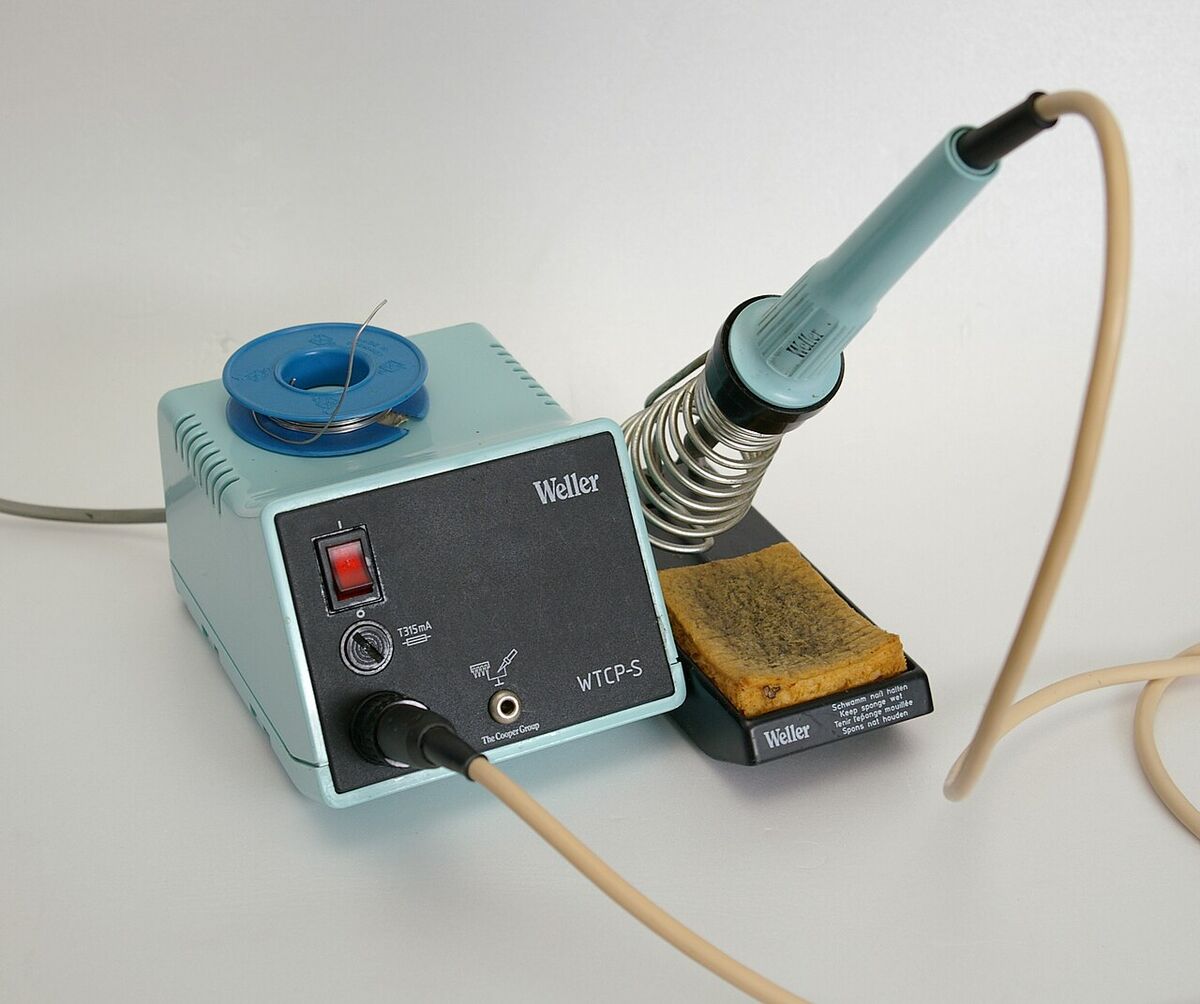
The fight for the Right to Repair isn't just for hardcore nerds with soldering irons. It affects everyone who owns a smartphone, a laptop, a smart refrigerator, or even a modern tractor. Here is why taking back control of our hardware is so crucial.
1. Stopping the E-Waste Epidemic We are generating electronic waste at an apocalyptic scale. Millions of perfectly functional devices are shredded and dumped into landfills every year simply because a single component—like a battery or a charging port—failed, and the manufacturer made it too expensive to fix. By repairing our devices and keeping them in use for just two or three more years, we drastically reduce the mining of rare earth metals and the massive carbon footprint associated with manufacturing new electronics.
2. Breaking the Cycle of Planned Obsolescence Tech companies are financially incentivized to make you buy a new device every two years. By restricting repairs, they enforce a cycle of planned obsolescence. When you learn to fix your own gear, you break that cycle. You regain your agency as a consumer and tell the industry that your wallet is no longer an automatic subscription service for their latest hardware revisions.
3. Empowering Local Economies When manufacturers hold a monopoly on repair, all the money flows directly back to the trillion-dollar corporations. The Right to Repair empowers independent, local repair shops on your main street. It creates local jobs and ensures that the money you spend fixing your screen stays in your community rather than going to a corporate headquarters across the globe.
4. The Pure Joy of Tinkering There is a profound, almost forgotten joy in understanding how the things around you work. Putting a phone back together and watching the screen light up with a full battery can bring a real sense of accomplishment. Electronics aren't magic black boxes; they are just machines. Opening them up demystifies them and gives you a deep sense of ownership and capability.
How Can You Start Repairing Your Own Tech?
You don't need an engineering degree to start fixing your own tech. The barrier to entry has never been lower, thanks to a passionate online community.
- Start Small: Don't try to micro-solder a motherboard on your first try. Start by replacing a battery in an old phone, upgrading the RAM in a laptop, or fixing a drifting joystick on a game controller.
- Use Free Resources: Websites like iFixit offer free, incredibly detailed, step-by-step repair guides for almost every device imaginable. They rate devices on "repairability," which is crucial info to check before you buy your next gadget.
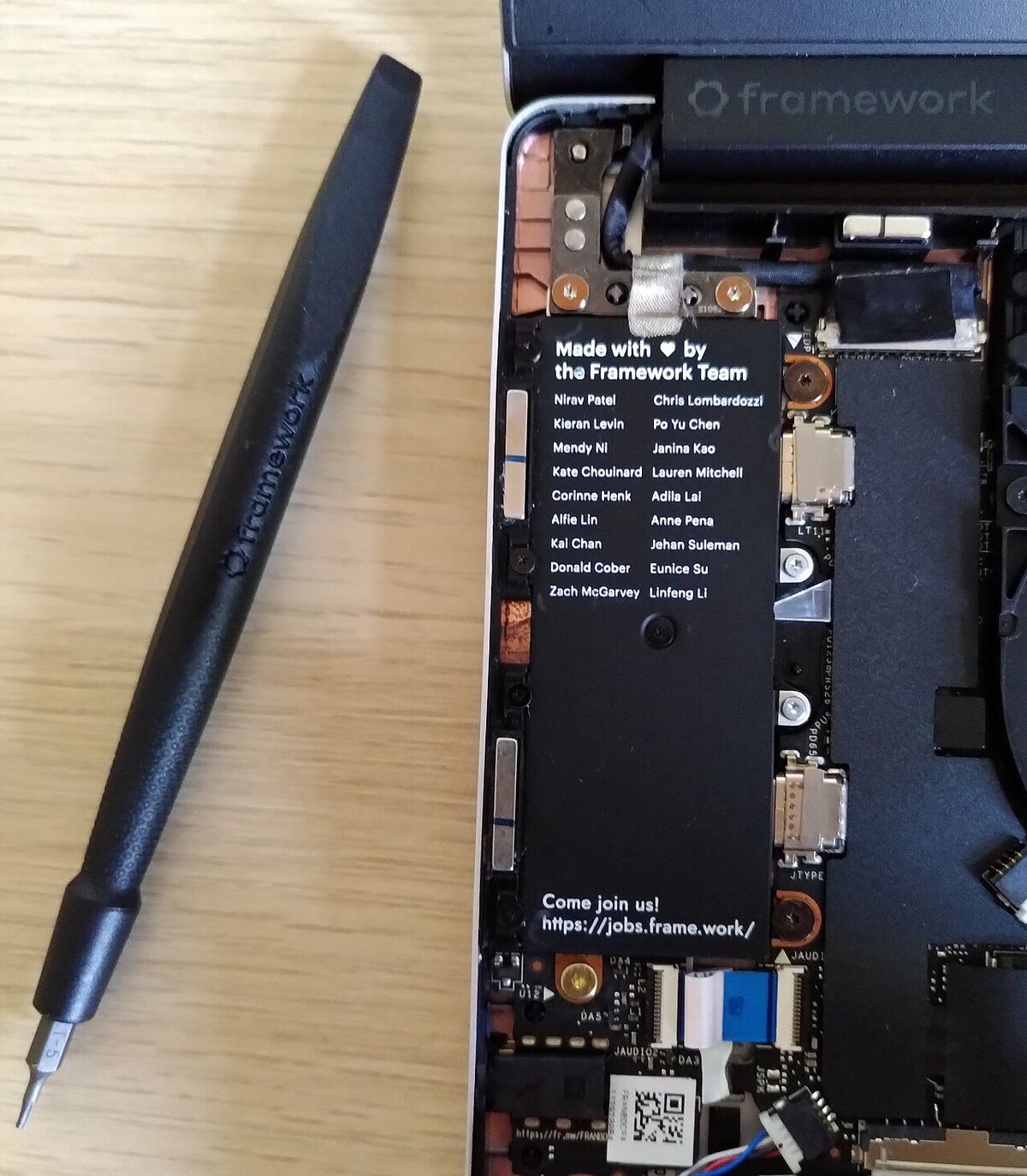
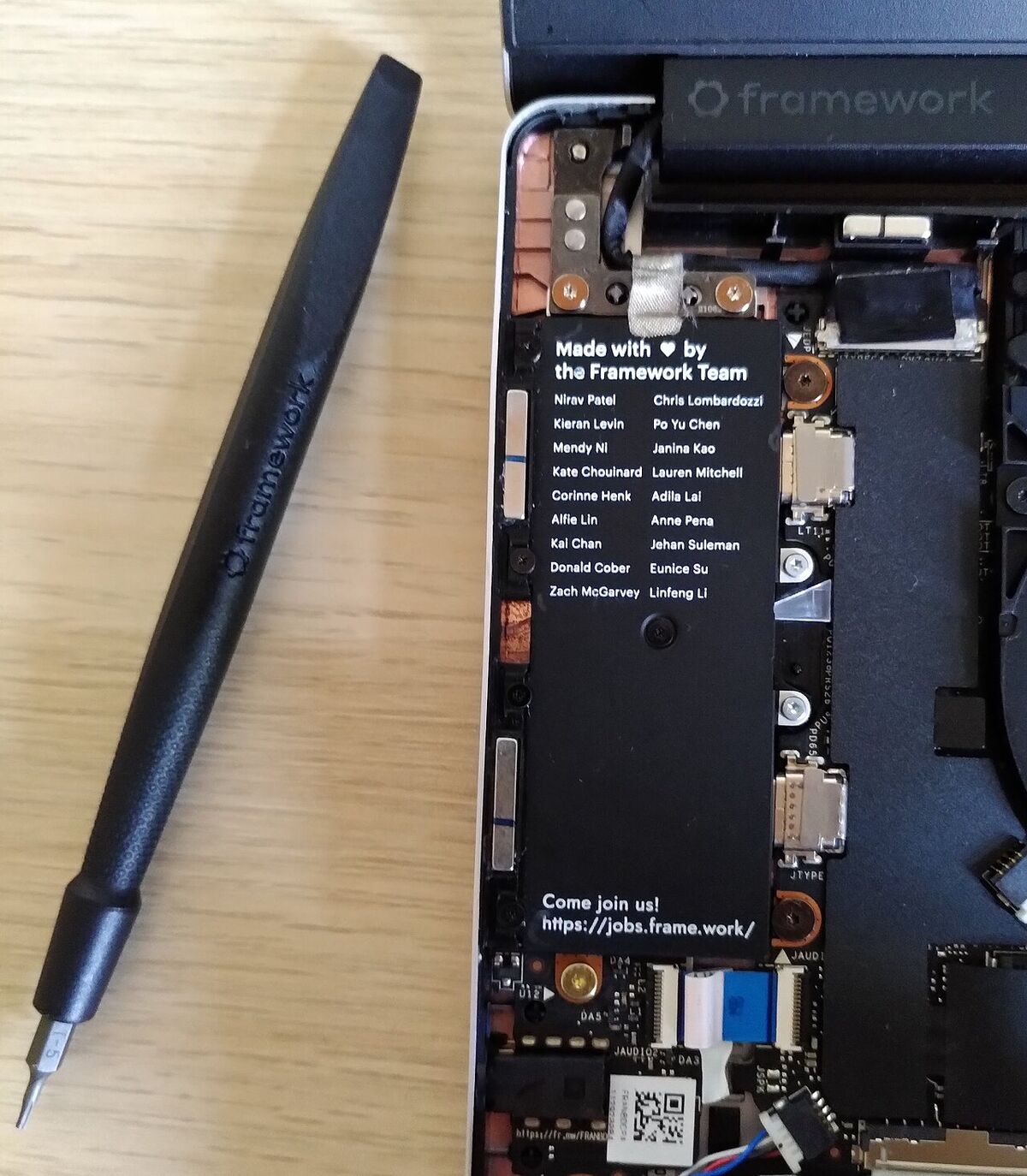
- Get the Right Tools: A basic precision screwdriver set and some plastic spudgers (pry tools) will cost you less than $20 and can pay for themselves the first time you use them.
- Vote with Your Wallet: Support companies that are embracing repairability. Look for laptops from companies like Framework, or phones from Fairphone, which are explicitly designed to be easily taken apart and upgraded by the user.
What Does Taking Back Ownership Mean?
A device you have repaired yourself is no longer just a sleek piece of glass and metal; it is something you resurrected, and you know exactly what it looks like on the inside.
The Right to Repair is about more than just saving a few bucks. It's about demanding that the things we buy actually belong to us. It's about building a sustainable future where we maintain and respect our tools, rather than treating complex engineering miracles as disposable trash. The next time something you own breaks, don't immediately reach for your credit card. Reach for a screwdriver. You might be surprised by what you can do.