Why Quantum Computing is Finally Becoming a Reality
- Technology, Future Trends
- Exienent
- · Updated
Quantum computing is no longer "five years away." The technology has crossed the threshold from theoretical experiments into practical, real-world utility, with early uses in materials science, logistics, drug discovery, and AI.
For the longest time, quantum computing felt like a buzzword thrown around by researchers. The work of major players—like IBM, Google, and a slew of innovative startups—has changed that picture. We're finally seeing Quantum Advantage, the point where quantum computers can solve complex problems faster and more efficiently than the most powerful classical supercomputers.
Where Is Quantum Computing Being Used Today?
Companies are actually using quantum systems right now. It's not just about proving a concept anymore; it's about solving incredibly tough challenges.
Here are the key areas where quantum computing is making a dent today:
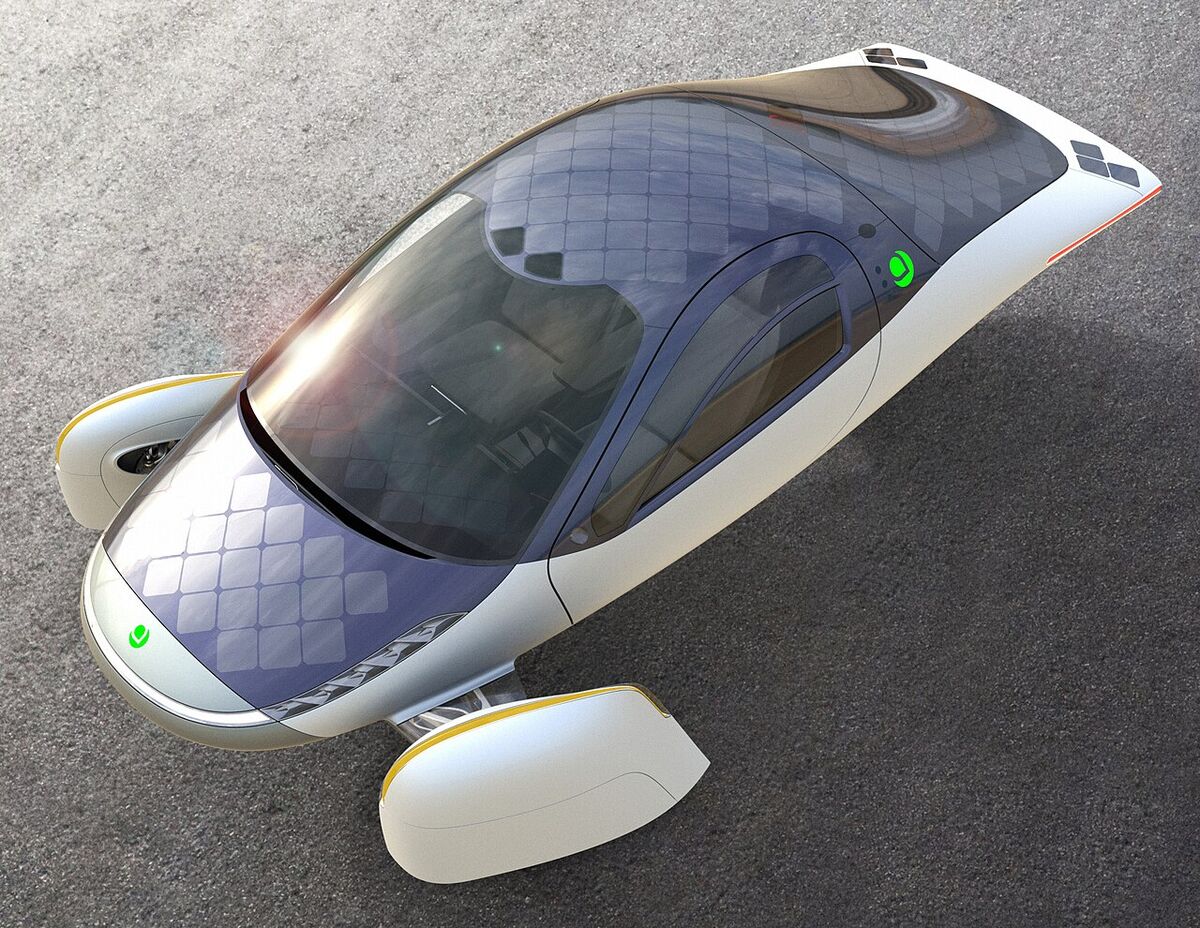
- Materials Science and Battery Tech: This is arguably the biggest game-changer. Quantum computers are now actively simulating molecular structures with extreme precision. Companies are using these simulations to discover new, highly efficient materials for solid-state batteries. This means electric vehicles with dramatically longer ranges and faster charging times could be hitting the market much sooner than expected.
- Logistics and Route Optimization: Classical computers struggle with the "Traveling Salesperson Problem" when you add thousands of variables. Quantum algorithms, however, can handle these massive datasets. Major shipping companies are leveraging this to optimize their global supply chains, cutting down on fuel consumption and reducing delivery times.
- Pharmaceutical Research: Drug discovery is notoriously slow and expensive. By simulating chemical interactions at a quantum level, researchers are identifying potential life-saving compounds in a fraction of the time it used to take.
How Does a Quantum Computer Actually Work?
A quantum computer works by using Qubits. Unlike classical bits, which are strictly either a 0 or a 1, qubits can exist in multiple states simultaneously—a property known as superposition.
Furthermore, qubits can be linked through entanglement, meaning the state of one qubit instantly affects another, regardless of the distance between them. This allows quantum computers to process an enormous number of possibilities all at once, rather than one by one.
How Are Quantum Computing and AI Converging?
Quantum computing and Artificial Intelligence are starting to merge, and I find that convergence truly fascinating. Quantum AI is rapidly becoming a reality.
Classical machine learning models often hit a wall when training on massively complex datasets. By integrating quantum processors into the AI training pipeline, developers are cutting down training times and uncovering patterns that were previously invisible. The result could be AI models that are far smarter and more capable, thanks to the heavy lifting done by quantum hardware.
What Challenges Does Quantum Computing Still Face?
The biggest remaining challenge is error correction. Quantum systems are highly sensitive to their environment; even slight temperature changes or electromagnetic interference can cause errors in calculations.
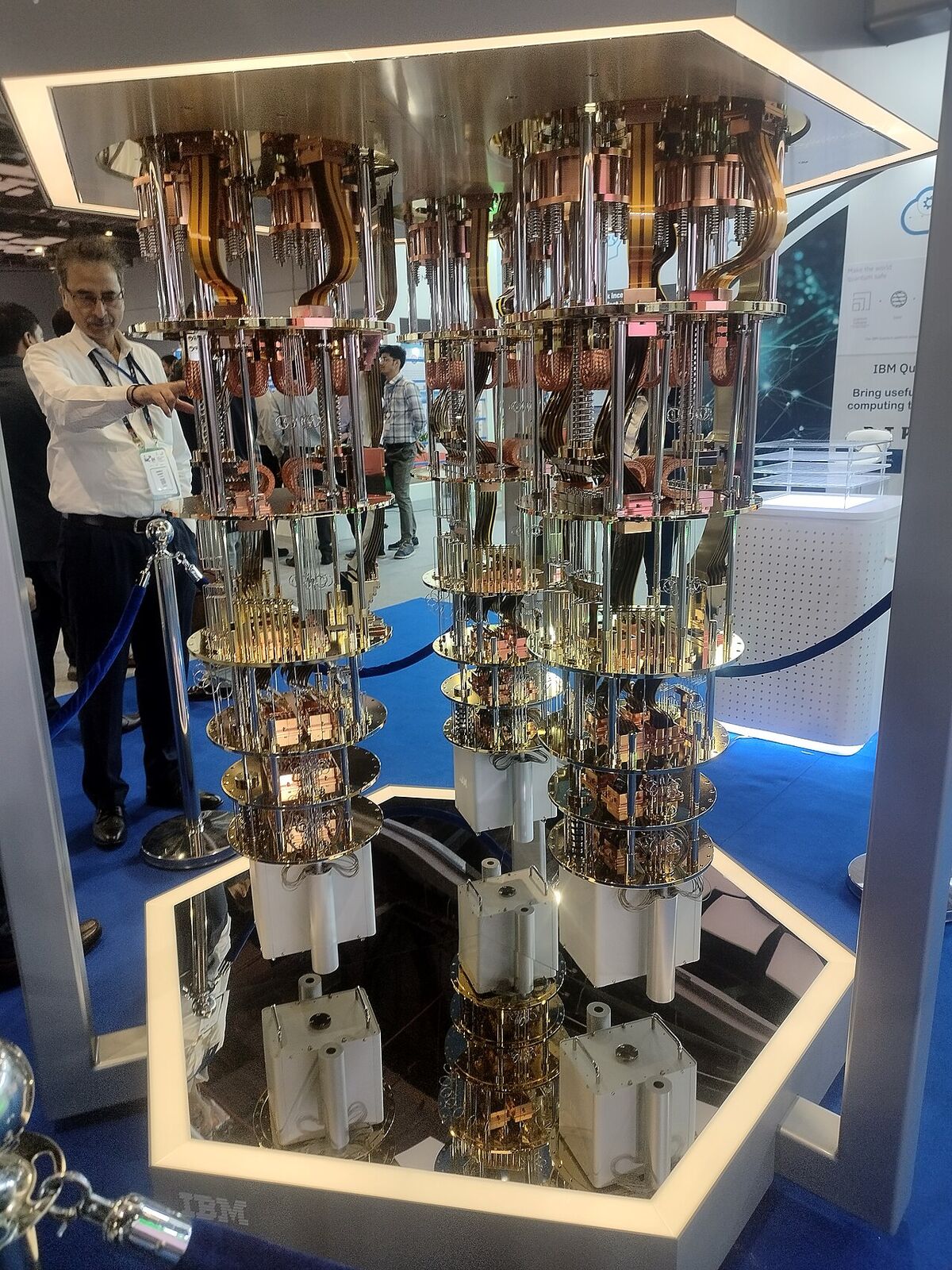
However, recent advancements in error mitigation techniques have been phenomenal. The field is moving from "noisy" intermediate-scale quantum (NISQ) devices to more stable, reliable systems. The infrastructure required to cool these machines to near absolute zero is also becoming more scalable.
What Does Quantum Computing Mean for Everyday Life?
Quantum computing's ripple effects are going to touch almost every aspect of our lives: the medications we take, the efficiency of the flights we book, and the battery life of the devices we carry. The breakthroughs happening right now are laying the foundation for a massive leap in human capability.
If you're a developer or a tech enthusiast, my advice is to start getting familiar with quantum programming languages and frameworks. The demand for talent in this space is going to skyrocket over the next few years.
Are you excited about the possibilities or skeptical about the timeline? Let me know!