Can AI Search Replace Google? The Reality of SearchGPT and Perplexity
- AI & Data, Technology, Review
- Exienent
- · Updated
Can AI search replace Google for everyday use? For most informational questions, AI search engines like Perplexity and OpenAI's SearchGPT prototype can already do the job better, because they read, synthesize, and cite sources instead of handing you a list of links. Traditional search still wins for quick navigational queries and for anything where an AI hallucination would be costly.
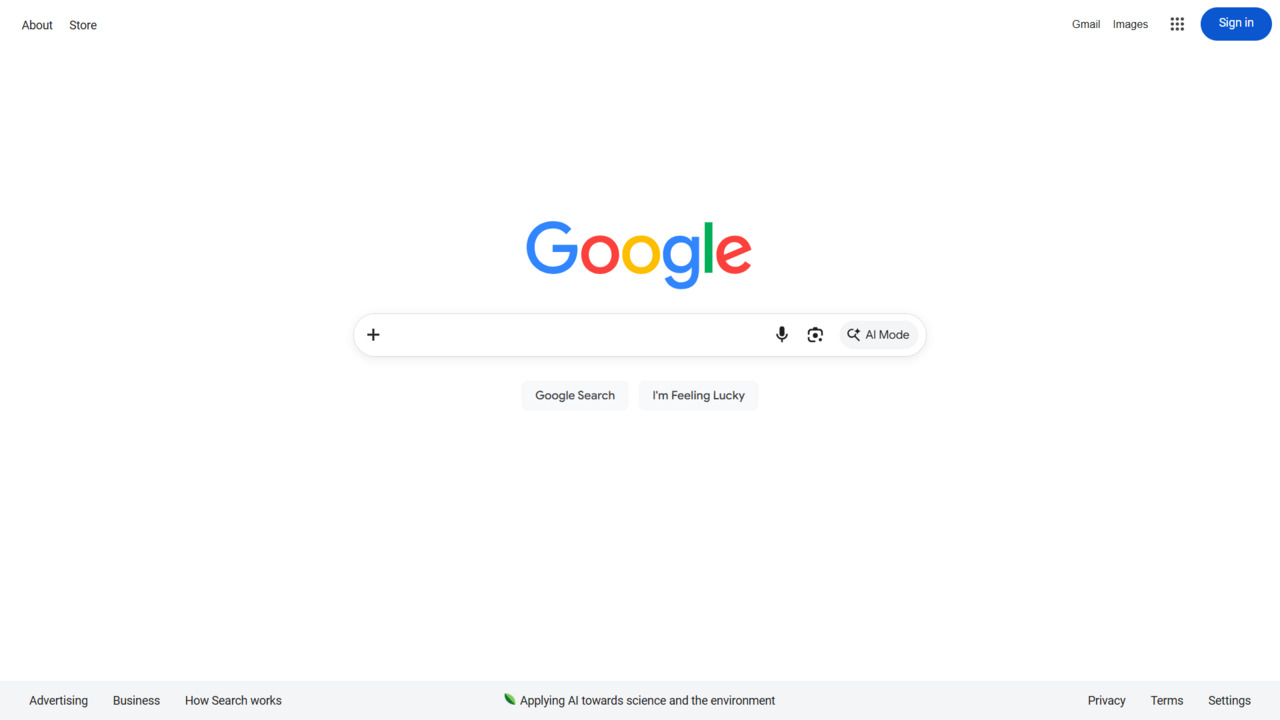
Google Search has been a reflex for the better part of two decades: open a new tab, type a question, and wade through sponsored links, SEO-stuffed recipes, and pages of filler before finding the actual answer. With the buzz around SearchGPT and the quiet but massive rise of Perplexity AI, it is worth asking what changes if you rely entirely on AI search engines for everything—from troubleshooting obscure coding bugs to figuring out why houseplants keep dying.
How Is AI Search Different from Traditional Search?
AI search gives you answers, while traditional search gives you a list of places to find the answer. With a classic search engine, you are basically handed a stack of books and told, "Good luck, it's probably in one of these."
AI search engines flip that paradigm entirely. They do the reading, synthesizing, and summarizing for you, providing a direct answer with citations.
Take a question like the current baggage policy of a budget airline. Instead of navigating the airline's labyrinthine website or dodging third-party travel blogs trying to sell luggage, you can ask the AI and get a concise summary of carry-on dimensions and fees, complete with links to the airline's official policy page for verification. It works like having a competent research assistant sitting next to you.
Where Does AI Search Beat Google?
AI search shines in scenarios where traditional keyword search returns generic or cluttered results.
- Complex, Multi-Variable Queries: This is where AI search flexes its muscles. Ask Google, "What are the best lightweight laptops for video editing under $1500 that also have good battery life?", and you get a bunch of generic "Top 10" lists from affiliate marketers. Perplexity can analyze current reviews, cross-reference specs and pricing, and return a few specific recommendations, explaining why they fit the criteria, along with links to the sources it used.
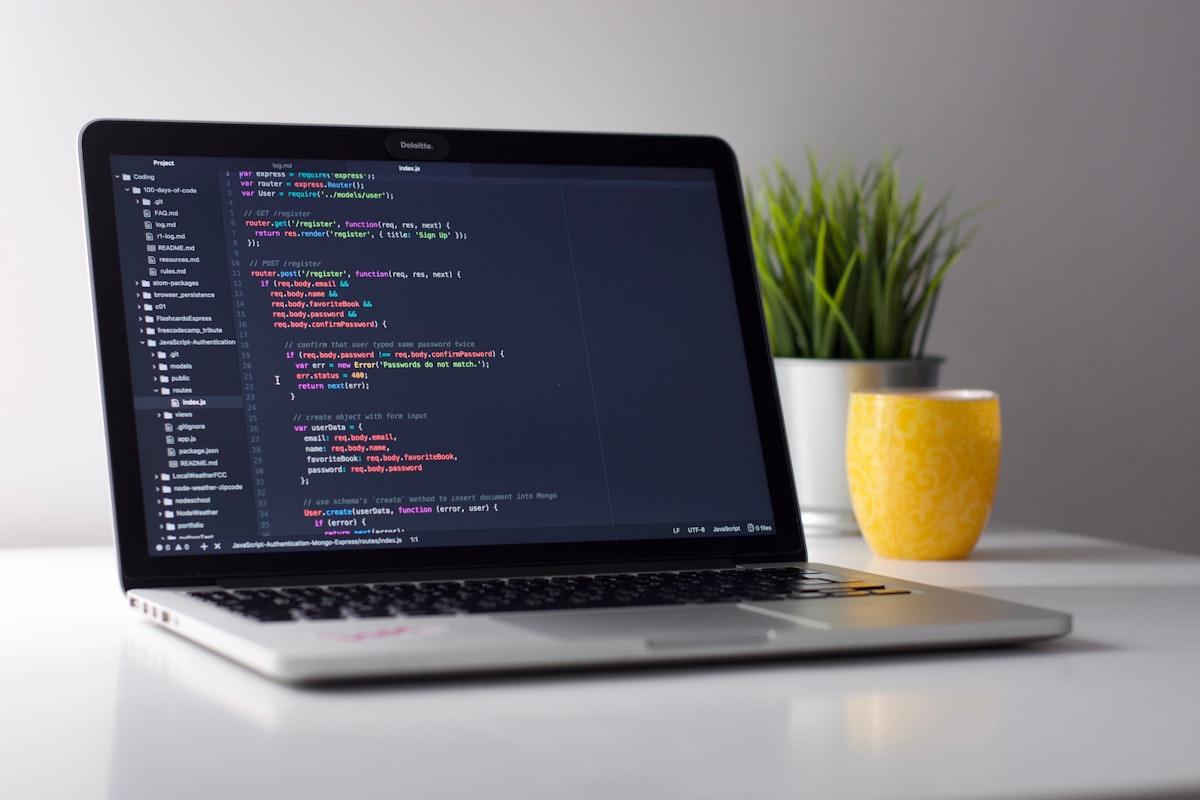
- Coding and Technical Troubleshooting: For developers, AI search is a game-changer. Instead of scrolling through Stack Overflow threads from 2014 hoping someone had the exact same error, you paste your error log, and the AI can not only explain what's wrong but also provide a corrected code snippet. It understands the context of a problem in a way standard keyword matching simply cannot.
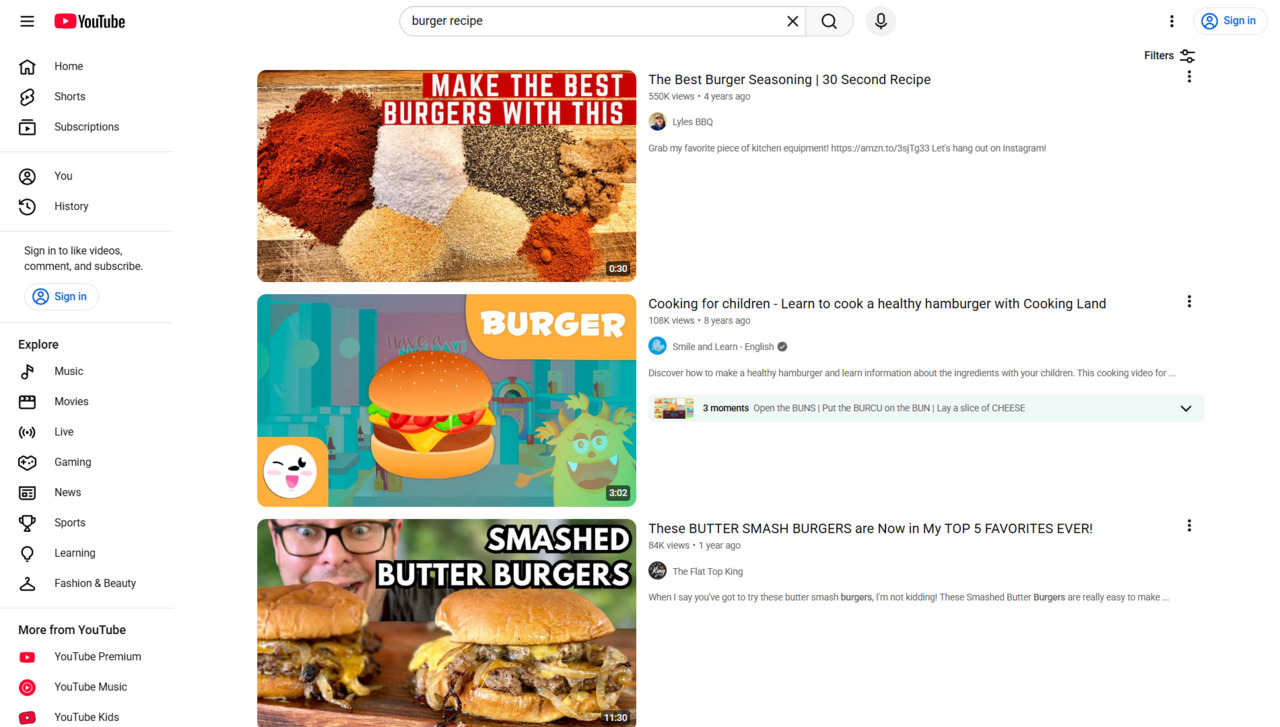
- Avoiding the "SEO Fluff": Looking for a simple recipe often means reading a 2,000-word essay about the author's childhood memories of eating pasta in Tuscany. AI search bypasses all of that. It extracts the ingredients and the instructions, presenting them clearly and immediately.
What Are the Weaknesses of AI Search?
The biggest weakness of AI search remains hallucinations, though they are becoming less frequent. The technology is still evolving, and it has to be used with a degree of healthy skepticism.
Sometimes the AI sounds incredibly confident while giving information that is entirely fabricated or outdated—for example, returning a restaurant's old seasonal schedule instead of its current opening hours. This is why the citation feature—the ability to hover over a claim and see exactly which website the information came from—is absolutely critical. For anything important, it pays to quickly spot-check the sources.
Traditional search also still holds an edge for purely navigational queries. If you just want your bank's login page, typing "Bank Name login" into Google is still faster than asking an AI to summarize the bank's services and provide a link. AI search is built for discovery and synthesis, not just fetching URLs.
What Does SearchGPT Mean for the Future of Search?
SearchGPT is the catalyst likely to push AI search into the mainstream. Perplexity has been leading the charge for a while, but OpenAI's prototype blends the conversational memory of ChatGPT with real-time web indexing, creating a fluid experience where you can ask follow-up questions to refine your results naturally.
We are watching the decline of the "ten blue links." The entire internet economy has been built around driving clicks to websites through search engines. If the search engine just gives the user the answer directly, what happens to the websites that created that information? It's a massive, looming question for publishers, but from a pure user experience standpoint, I think the AI approach is superior for most daily informational needs.
Should You Switch to AI Search?
Yes, for primary informational search, AI search is worth making your default. The time saved by not sifting through SEO spam and affiliate links is valuable, while keeping a traditional search engine bookmarked covers specific, localized, or purely navigational needs.
If you haven't tried it yet, give it a week. It can feel strange at first, but once you get used to asking full questions and getting direct answers, typing disjointed keywords into a search bar can feel like stepping back into the digital stone age. In my view, the future of finding information isn't searching; it's conversing.