Inside a 'Playable AI' World: Why It Could Change Traditional Gaming
- AI & Data
- Exienent
- · Updated
Playable AI is the step after AI video: instead of rendering a clip from your prompt, it generates an interactive, real-time 3D world you can walk around in and change. In 2026 it is a wildly impressive but deeply flawed prototype, and it hints at a future where some games are typed into existence rather than hand-built.
Do you remember back in 2024 when OpenAI's Sora blew everyone's minds? Typing a prompt and getting a highly realistic, 60-second video clip felt like literal magic. But it was still just a video. You were a passive observer watching a pre-rendered dream. Now the tech industry has collectively decided that merely watching AI-generated content is boring, and new "Playable AI" engines are moving from static video generation into dynamically generated environments.
What Exactly is 'Playable AI'?
Playable AI is a model that generates a playable simulation rather than a sequence of frames. If traditional AI video is like a movie projector, Playable AI is like a holodeck engine.
Instead of generating a flat sequence of pixels based on a prompt, a Playable AI model generates a coherent, three-dimensional simulation with its own temporary physics, lighting, and logic. You don't just watch the output; you interact with it in real-time.
When you type a prompt like "A neon-lit cyberpunk noodle shop in the rain, inhabited by robot cats," the AI doesn't render a 10-second video of that scene. It generates the geometry, the textures, the collision detection, and the behavioral logic for the environment in milliseconds.
You can walk around the noodle shop. You can pick up a bowl. If you bump into a robot cat, it reacts based on the AI's understanding of how a robot cat should react.
The short answer: Playable AI generates an interactive video game engine on the fly, entirely from your imagination, running at 60 frames per second.
What Can You Do Inside a Playable AI World?
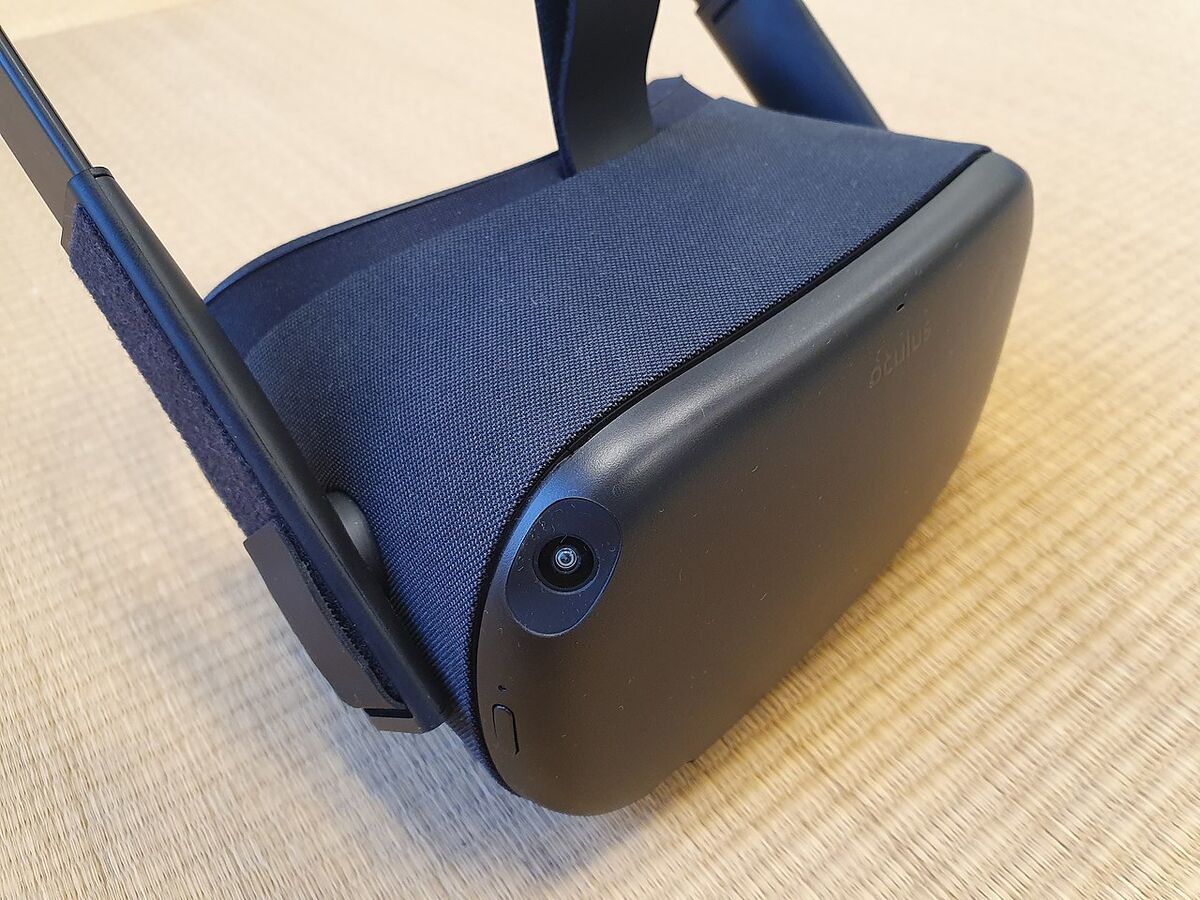
You can explore, touch, and question the world, and it keeps generating content in response. Take a prompt aimed at atmospheric realism: "A dimly lit, dusty Victorian library during a thunderstorm. A secret door is hidden behind a bookshelf." After a few seconds of processing, a VR headset can drop you straight into that scene.
Here is the kind of thing that makes the experience both unsettling and amazing:
- Hallucinated Physics: Knock a globe off a desk and it doesn't have to fall with pre-programmed gravity; the model can infer the physics of a hollow wooden sphere hitting a rug, generating the sound and the bounce dynamically. It isn't perfect, and shadows can glitch for a split second, but the idea that the physics engine is effectively hallucinated into existence is mind-bending.
- Infinite Detail on Demand: In a normal game, if a developer didn't build the inside of a drawer, you can't open it. In a Playable AI world, opening a desk drawer prompts the AI to generate its contents on the spot, such as a stack of letters written in cursive, a rusted key, or a dried flower. Pick up a letter, and the AI can invent a coherent, creepy love letter from 1892 as your eyes focus on it.
- Finding the Secret Door: Pulling books at random may do nothing. With voice-to-prompt input, though, you can ask out loud, "Where is the hidden mechanism?" and the AI updates the world state. A specific book might start to glow faintly; pull it, and the shelf swings open onto a dark stone staircase. The AI can build an entire underground crypt on the fly, just because you followed the thread.
Where Does Playable AI Still Fall Short?
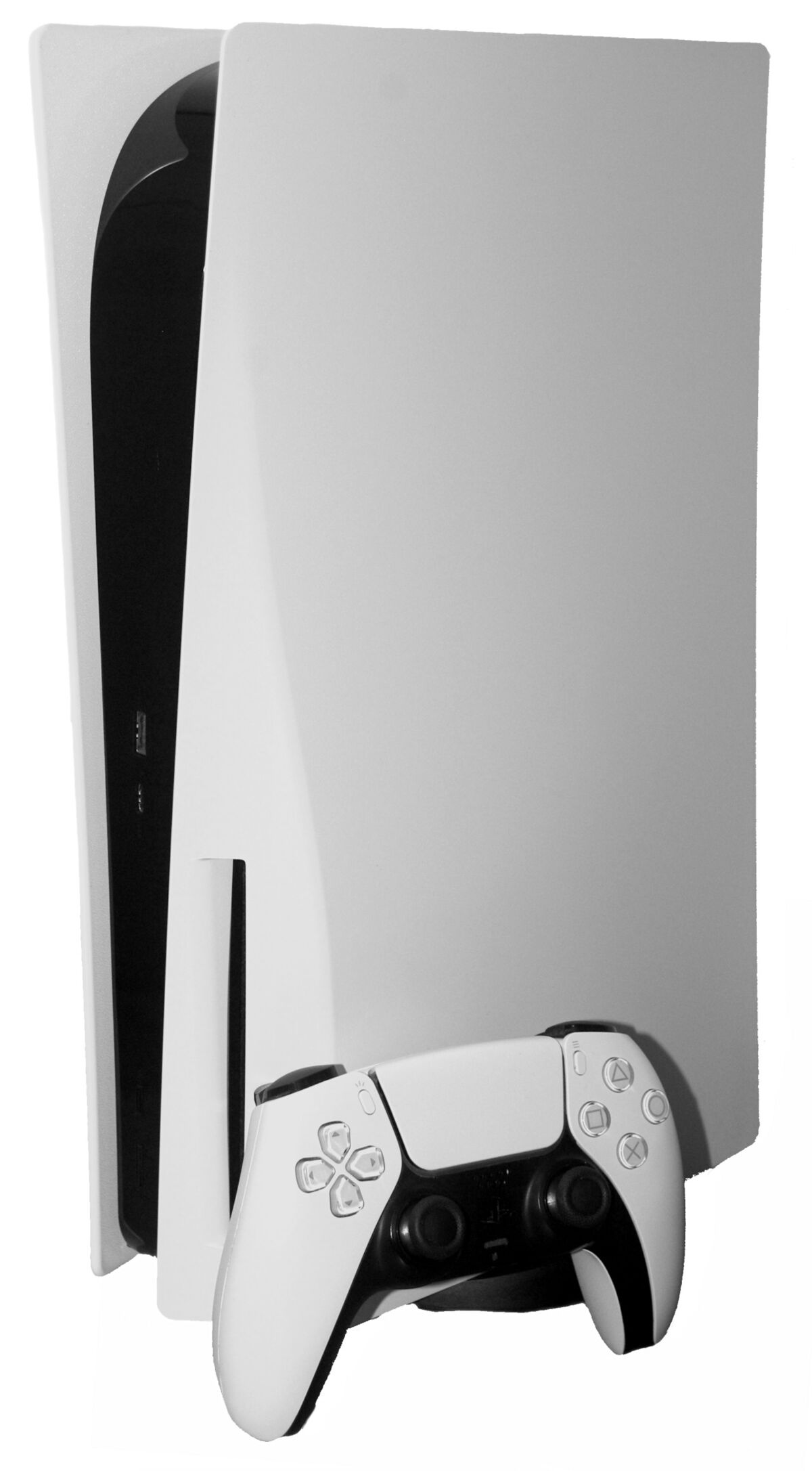
It falls short on consistency, cost, and common-sense logic. Before you throw away your PS5 or high-end PC, be realistic: this is a prototype.
First of all, the temporal consistency is fragile. If you turn around too fast, or walk far away and come back, the room might look slightly different. The AI "forgets" exact layouts unless they are heavily cached, so wallpaper can change color and furniture can shrink between visits. It feels very dream-like, which is cool for a demo but frustrating if you want a stable, persistent game world.
Secondly, the compute cost is astronomical. Sessions are streamed from server farms with enormous GPU capacity. Doing this locally on a consumer device is still years away.
Finally, there's the logic breakdown. Sometimes the AI just doesn't know how things should work. Pouring a cup of tea, for example, could produce liquid that turns into a solid block of brown glass and shatters on the floor.
Will Playable AI Replace Traditional Games?
Not entirely, but it could end hard-coded level design for certain types of experiences. Despite the jankiness and the dream-logic glitches, the implication is massive.
Why spend five years and $200 million building a massive open-world RPG when a Playable AI engine can generate infinite, bespoke adventures customized precisely to the player's tastes in real-time?
Traditional games with authored, specific narratives will always have a place, much like how traditional movies still exist alongside YouTube. But for pure escapism, exploration, and sandbox fun, I think the era of typing your own video game into existence has begun, and it may be very hard to go back to playing on someone else's terms.