Nintendo Switch 2: What We Know (And What We Don't) So Far
The most credible Nintendo Switch 2 rumors point to an evolution, not a revolution: a larger hybrid console with an 8-inch screen, magnetic Joy-Cons, a custom Nvidia chip with DLSS, more RAM, and full backwards compatibility. Nintendo itself has only confirmed that it will announce the Switch successor "within this fiscal year," which ends in March 2025.
The original Switch launched back in 2017, and in console years, that makes it practically ancient. While the games are still incredibly fun, there's no denying that the hardware is struggling to keep up with modern third-party titles. The frame rate drops in Tears of the Kingdom were a stark reminder that it's time for an upgrade.
The rumor mill has been spinning out of control, from leaked factory CAD renders to supply chain whispers. Below, the rumors are sorted by topic so you can see what is actually credible about Nintendo's next big console.
What Will the Nintendo Switch 2 Look Like?
The Switch 2 is expected to look like a bigger version of the current Switch rather than a radical redesign like the leap from the Wii U to the Switch. Most credible leaks, including some highly detailed 3D models purportedly sourced from manufacturing partners, point to an evolutionary design rather than a revolutionary one.
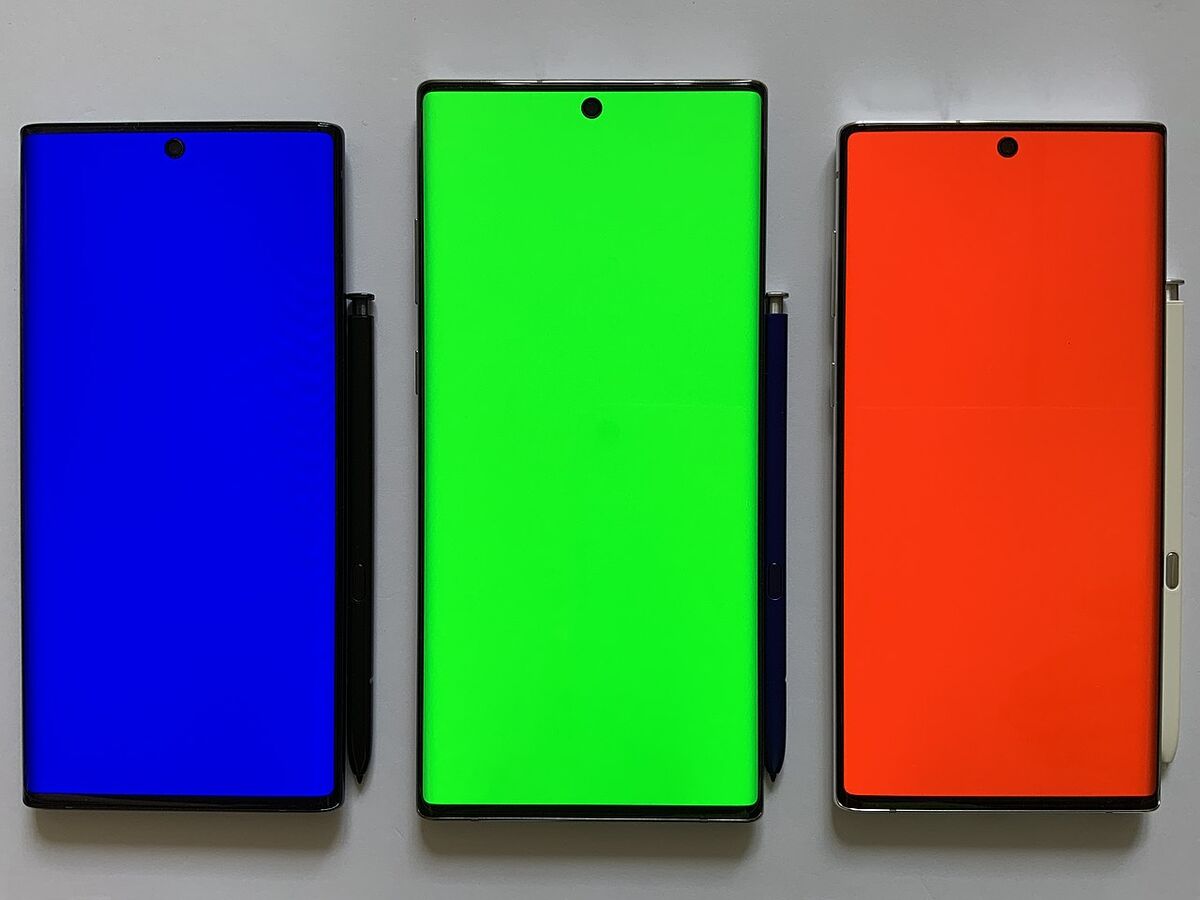
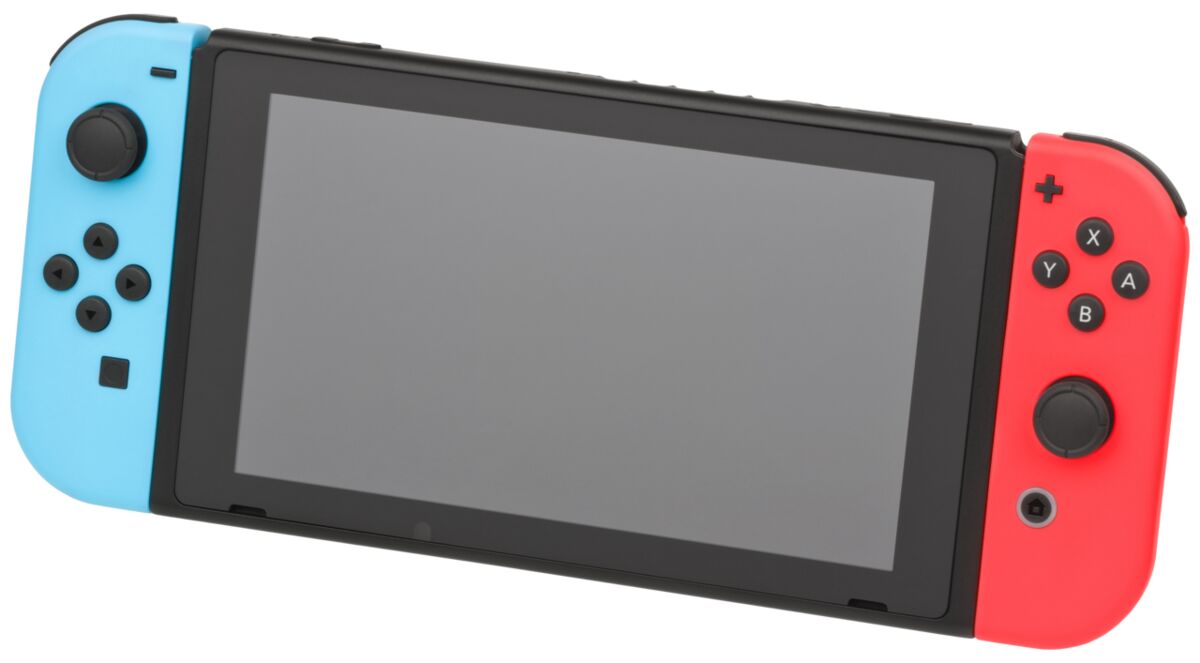
Nintendo appears to be sticking with the hybrid formula that made the Switch a massive success. However, the footprint is expected to be noticeably larger. Rumors point to an 8-inch screen, up from the 6.2-inch original and the 7-inch OLED model.
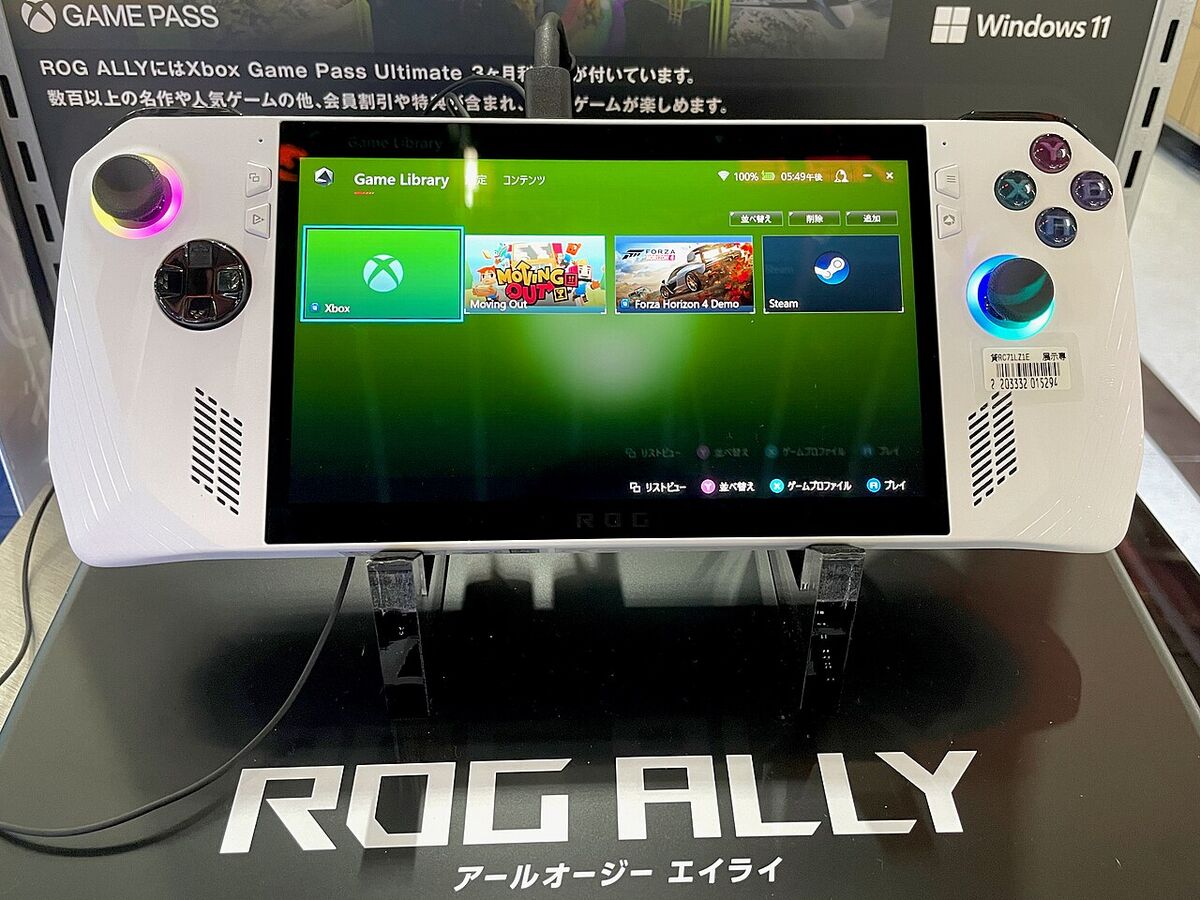
A larger screen suggests Nintendo wants to provide a more immersive handheld experience, but it also raises questions about portability. Will it still comfortably fit in a standard bag, or is it pushing into Steam Deck territory?
Will the Switch 2 Joy-Cons Attach Magnetically?
According to multiple sources, yes: Nintendo is reportedly ditching the current rail-sliding mechanism in favor of a magnetic attachment system for the new Joy-Cons. It is one of the most persistent and interesting rumors so far.
A magnetic system could be a massive quality-of-life improvement. The current rails are prone to wear and tear over time, which can lead to that annoying wobble. Magnets could make snapping the controllers on and off feel much more premium and secure.
However, a new attachment method strongly implies that current Joy-Cons will not be compatible with the new console in handheld mode. They might still work wirelessly via Bluetooth, but if you've invested heavily in colorful Joy-Con pairs, you might need to start fresh for the physical attachment.
How Powerful Will the Switch 2 Be?
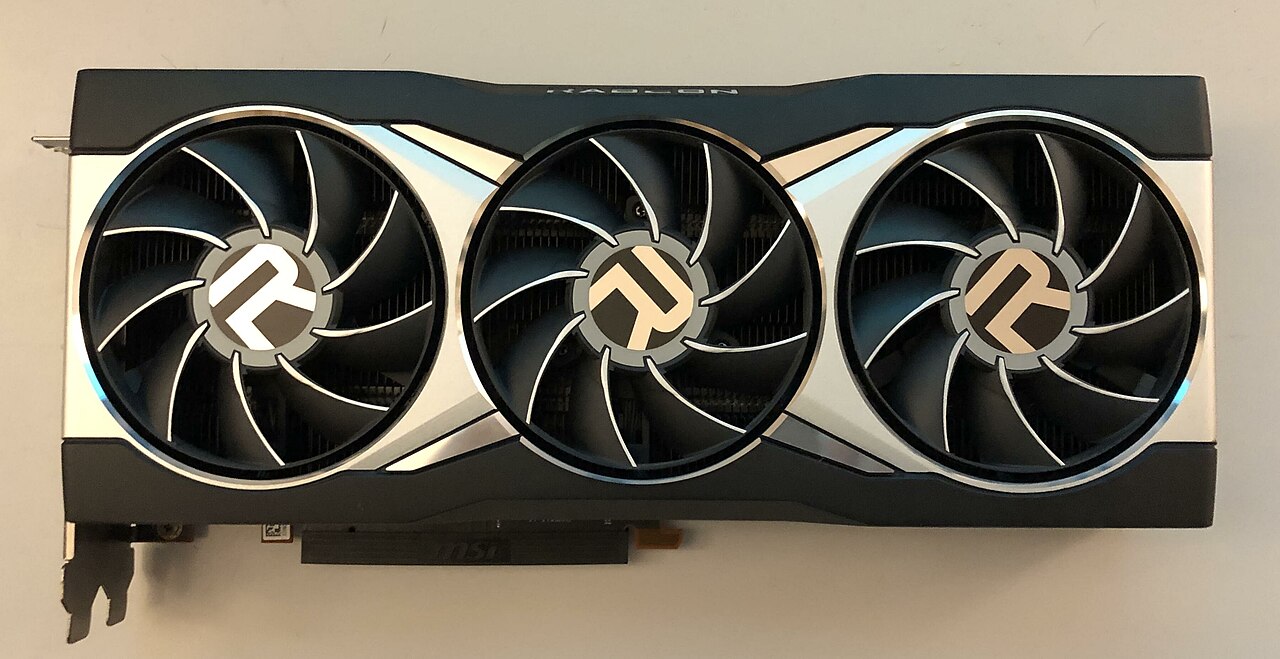
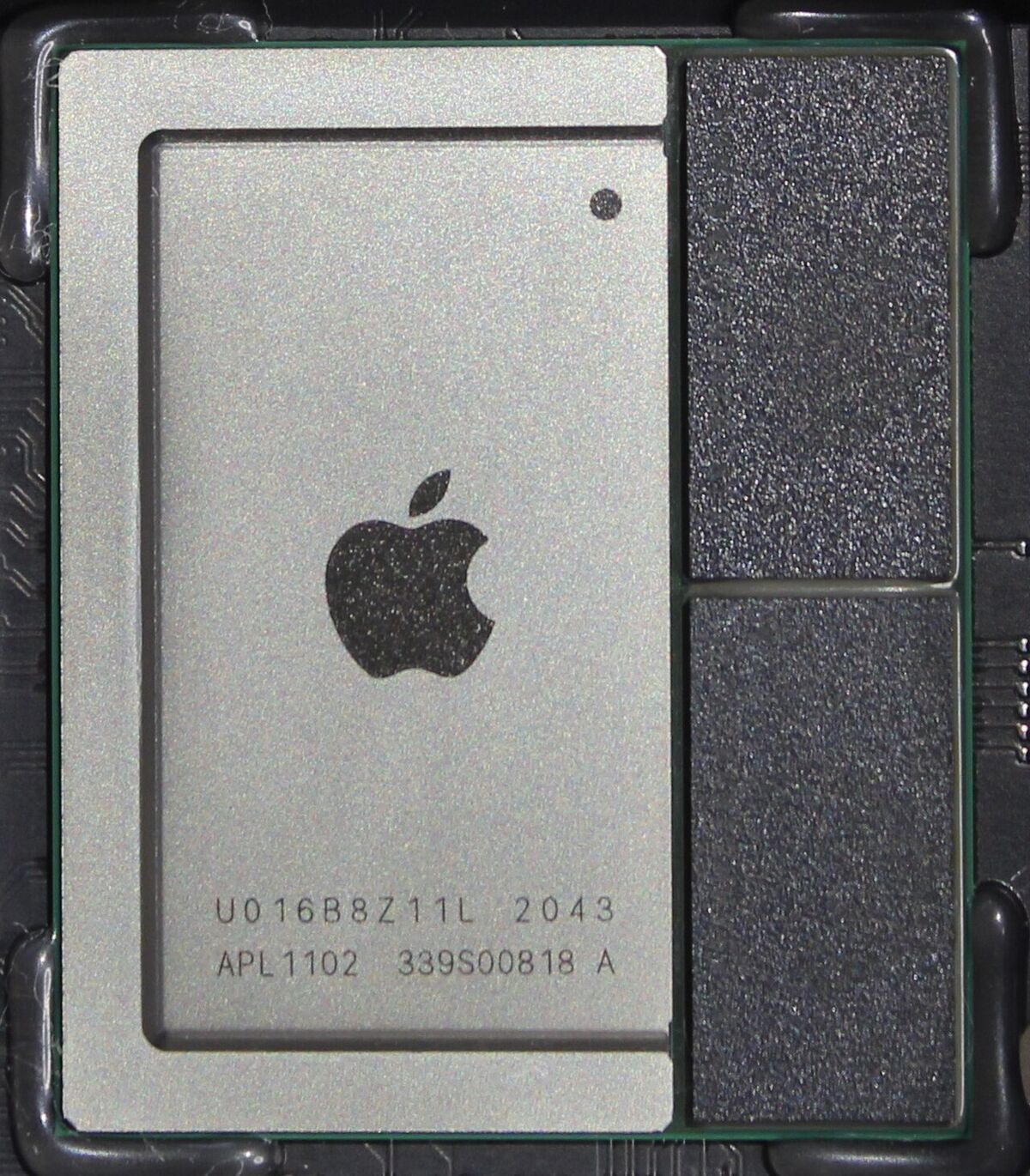
The Switch 2 is widely expected to use a custom Nvidia chip based on the Ampere architecture (similar to the RTX 30-series GPUs), a big jump from the original Switch's custom Nvidia Tegra X1, which is seriously outdated by 2024 standards.
While it obviously won't rival a PS5 or Xbox Series X in raw horsepower, the secret weapon here is DLSS (Deep Learning Super Sampling).
DLSS uses AI to upscale lower-resolution images in real-time without heavily taxing the system. If the Switch 2 supports DLSS, it could theoretically render a game internally at 720p or 1080p and output a surprisingly clean 4K image when docked to your TV. That is how Nintendo could achieve modern visuals without sacrificing battery life or melting the handheld chassis.
Memory and storage are also expected to improve:
- RAM: rumors point to 12GB, up from a paltry 4GB.
- Storage: a move away from slow eMMC memory to UFS (Universal Flash Storage), which would mean drastically reduced loading times.
Will the Switch 2 Be Backwards Compatible?
Reliable insiders and supply chain chatter strongly suggest full backwards compatibility, covering both physical cartridges and digital purchases. For me, this is the most critical question about the new console.
Nintendo's history here is mixed. The Wii played GameCube games, and the Wii U played Wii games, but the Switch broke compatibility completely (mostly due to the shift from discs to cartridges).
Given that the Switch has sold over 140 million units and people have amassed massive digital libraries, completely abandoning backwards compatibility would be a PR disaster. There's even hope that some older games might receive performance patches to run smoother on the new hardware.
When Will the Nintendo Switch 2 Be Revealed?
Nintendo officially stated a few months ago that it will announce the successor to the Nintendo Switch "within this fiscal year," which ends in March 2025.
Many industry analysts were expecting a reveal this fall, perhaps in September or October. However, the current sentiment seems to be shifting towards an early 2025 reveal, with a launch later in the spring or summer. Nintendo wants a massive lineup of games ready for launch to avoid the droughts that plagued previous consoles, and giving developers a few extra months of polish seems to be the priority.
Whatever the timeline, the anticipation is palpable. The Switch completely changed how we play games, and seeing how Nintendo refines that formula with modern technology is going to be fascinating.
Are you planning to upgrade on day one, or are you perfectly happy sticking with your current Switch? Let's chat in the comments!