Can an AI Pin Replace Your Smartphone? The Reality of Screenless Tech in 2026
- Hardware, Review, Technology
- Exienent
- · Updated
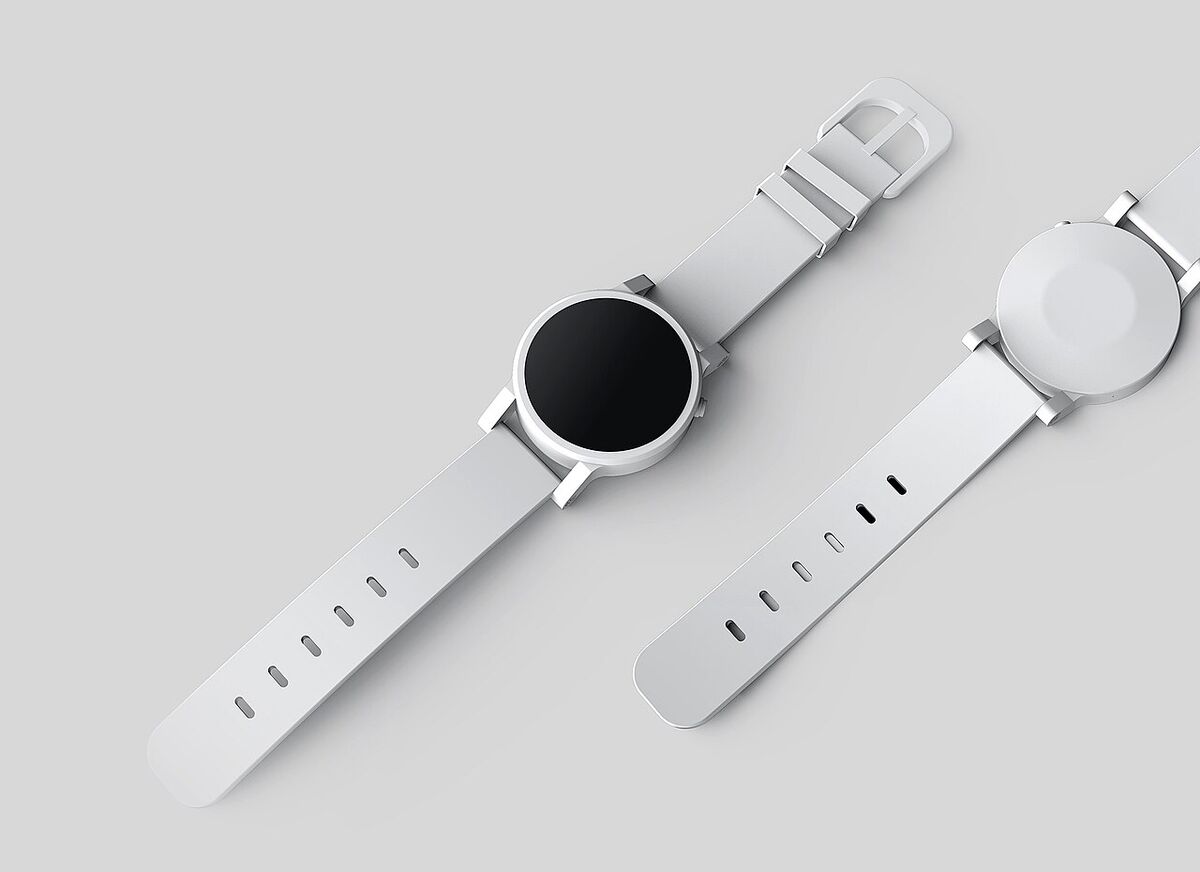
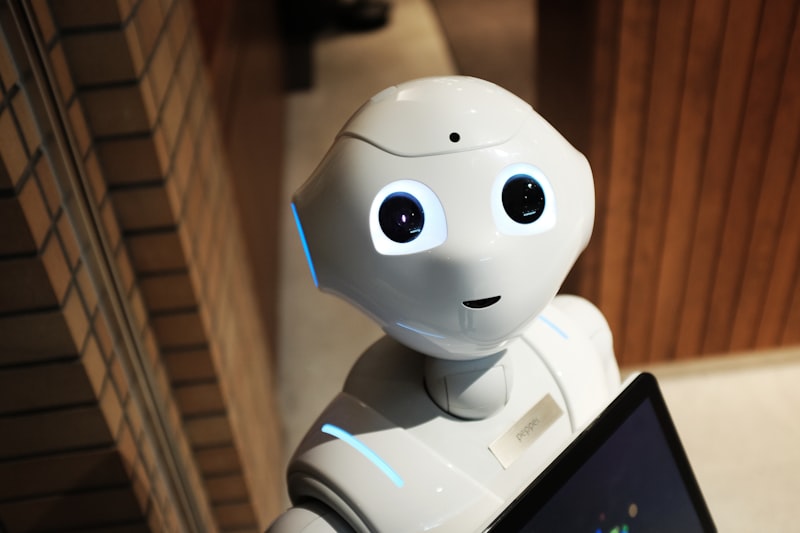
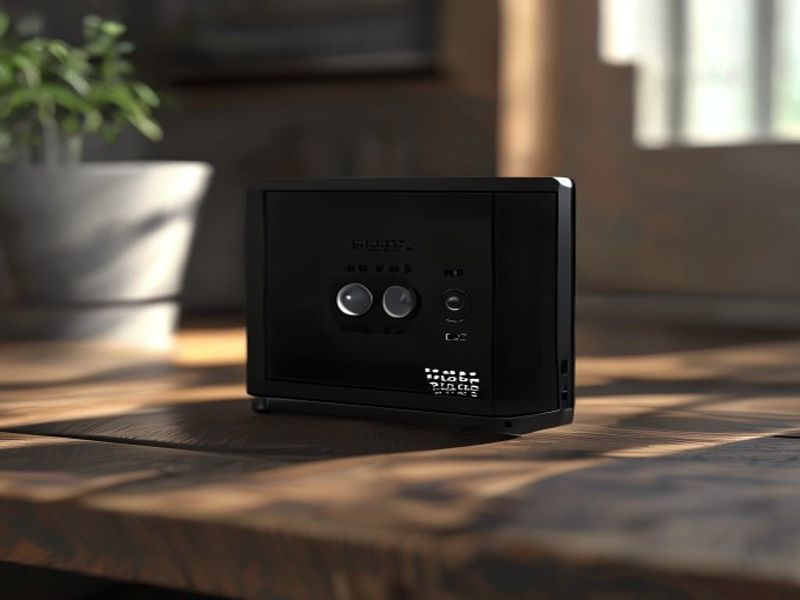
A 2026 AI Pin cannot fully replace a smartphone, but it can act as a powerful smartphone filter. Voice-first wearables now handle quick texts, reminders, searches, and multi-app "agent" tasks almost instantly, while anything that needs a rich visual interface, like QR menus, documents, or photos, still sends you back to a screen.
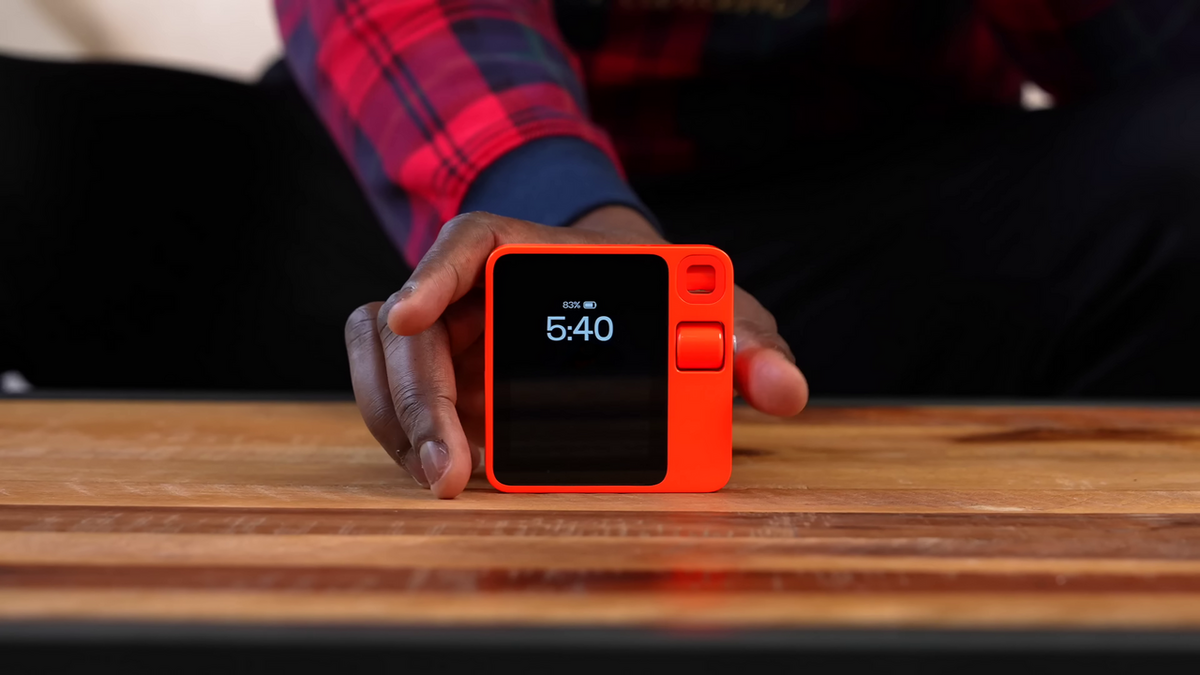
A few years ago, when the first wave of AI pins and pocket companions (like the Humane AI Pin and the Rabbit R1) hit the market, the tech world collectively cringed. They were slow, hallucinated facts constantly, overheated, and frankly felt like incredibly expensive alpha tests. The dream of a "screenless future" seemed like a Silicon Valley fantasy that was dead on arrival.
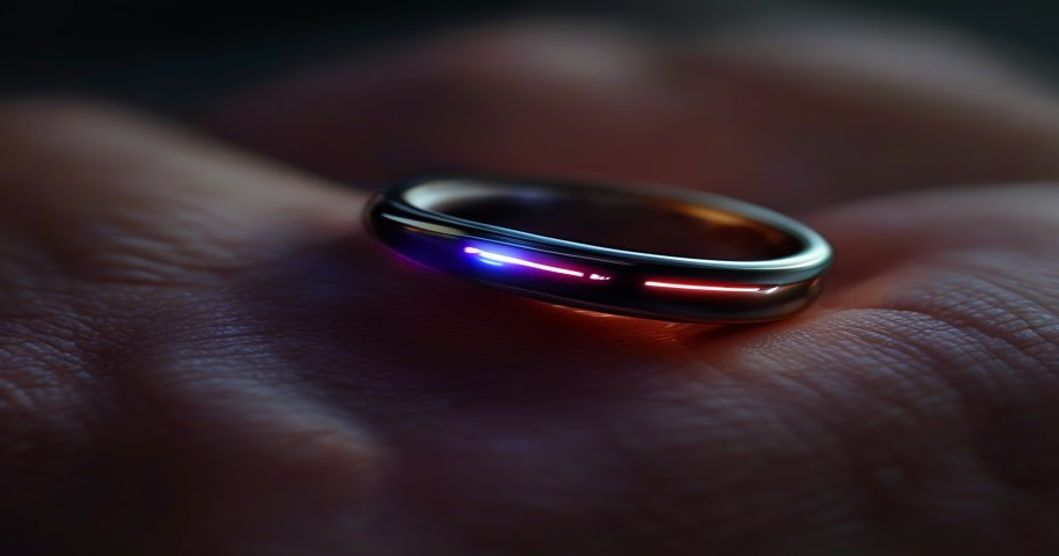
But in the tech world, a few years is an eternity. In 2026, the hardware has shrunk, the batteries actually last, and most importantly, the on-device Small Language Models (SLMs) have become insanely fast and accurate. Companies are now actively marketing the new generation of wearable AI as legitimate smartphone replacements. So what actually happens if you try to live daily life without a screen, with only a voice-activated pin magnetically attached to your shirt collar?
What Is It Like to Rely on Voice Instead of a Screen?
Going voice-first is both liberating and uncomfortable. Much of our digital behavior is nervous muscle memory, so the first days without a phone can mean reaching for an empty pocket to check the time, the weather, or just "see what's happening."
Once that urge fades, the AI Pin forces you to be highly intentional. If you want to know something, you have to literally speak it out loud.
"Hey AI, when is my next meeting?" "Summarize the emails I got in the last hour." "Order my usual coffee from the shop down the street."
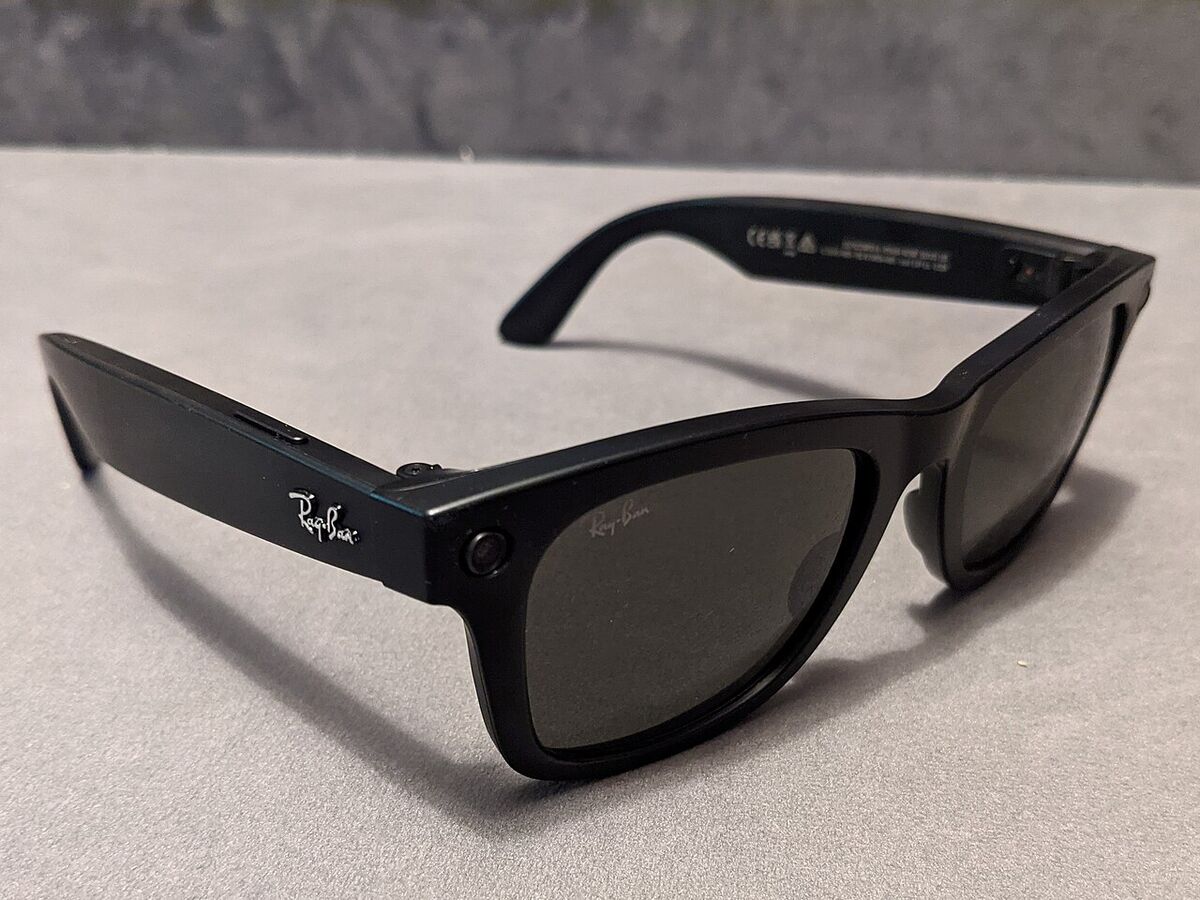
In 2026, the latency is practically zero; the device responds about as quickly as a person sitting next to you. Because it uses advanced multimodal capabilities, it can see what you see through its tiny camera. Holding two brands of pasta sauce in a grocery store, you could tap the pin and ask, "Which of these has less sodium?" The AI can read the nutritional labels through the camera and whisper the answer via bone-conduction audio.
That is the appeal: instead of staring down at a glowing rectangle, you can walk down the street looking at the trees and the people, more present in your physical surroundings.
Where Does the Screenless Dream Fall Apart?
The "post-smartphone" era is not ready for everyone, because living screen-free exposes massive friction points in modern society.
First, privacy. Voice interfaces are inherently public. Replying to a sensitive work email or sending a romantic text to your partner on a crowded subway is incredibly awkward when you have to dictate it out loud. Sub-vocalization tech is improving, but it is not there yet. You end up whispering into your collar like a secret service agent, which draws even more weird looks.
Second, the world runs on QR codes and visual interfaces. Navigating a restaurant menu that only exists via a QR code is a nightmare with an AI Pin. The pin's camera can read the menu out loud, but listening to an AI robotically list a long run of sushi rolls one by one is maddening. Some information simply needs a screen to be parsed efficiently.
What Can AI Agent Workflows Do on a Pin?
Agentic workflows are where the 2026 AI Pin shines. Early AI could only answer trivia questions; today's AI can actually do things.
Linked to accounts like Uber, DoorDash, a calendar, and a smart home, the device acts as a true executive assistant. Walking out of the office in the rain, you could say, "Get me a ride home and turn up the thermostat so the house is warm when I get there." The AI parses the complex command, executes the API calls to both Uber and the smart home system, and confirms that the driver is on the way and the heat is turned up.
It eliminates the need to open several apps, tap through multiple screens, and stare at loading spinners.
Is an AI Pin a Smartphone Replacement or a Companion?
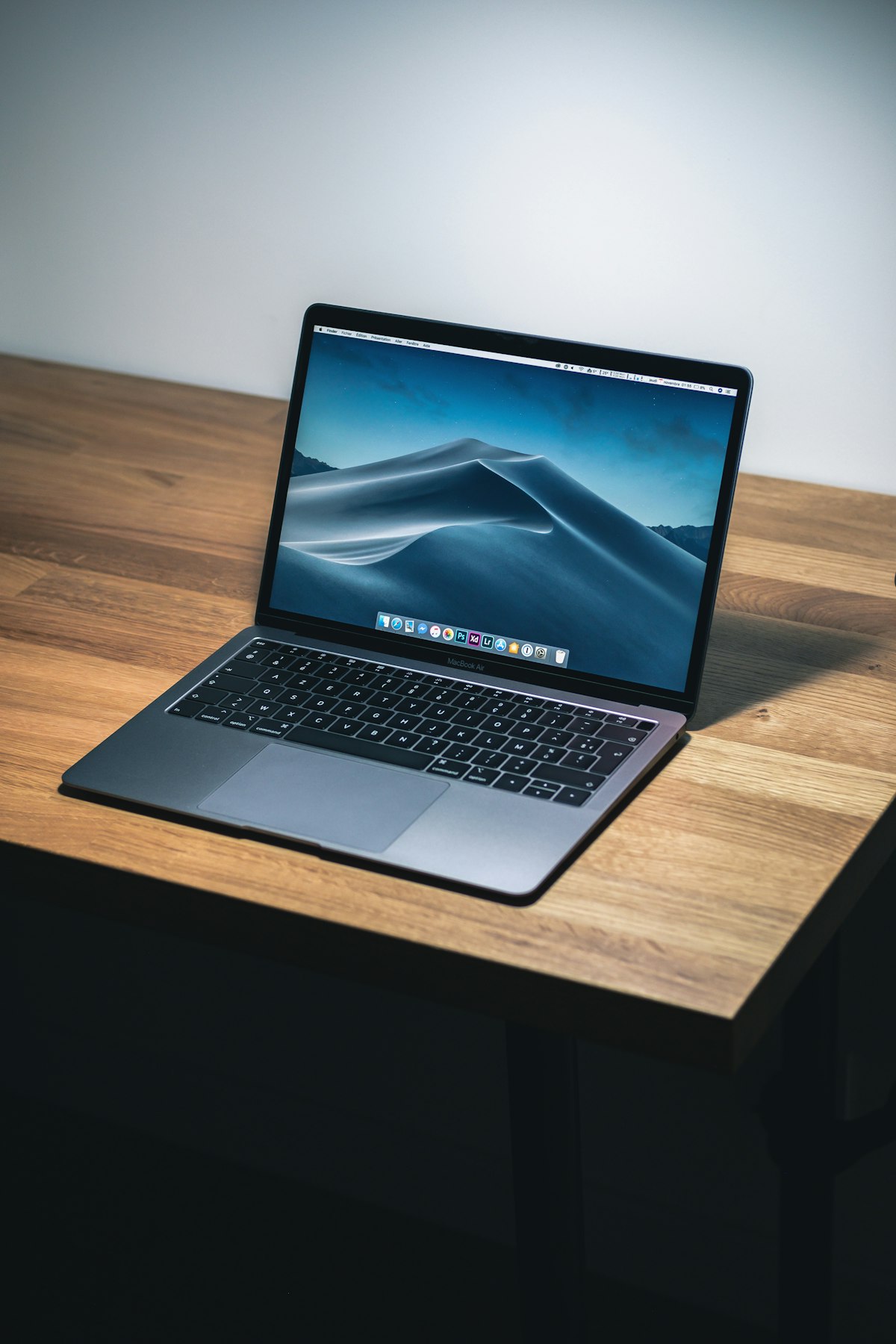
An AI Pin works best as a companion. The 2026 AI Pin is not a smartphone replacement; it is a smartphone filter.
In that setup, the phone can stay in a bag or on a desk for most of the day. The AI Pin handles the transactional stuff: quick texts, reminders, quick searches, and controlling your environment. The phone comes out only when you need a rich visual interface, like reviewing a document, watching a video, or scrolling through photos.
If you are suffering from serious digital fatigue and want to reclaim your attention without completely disconnecting from the modern world, I think the current generation of wearable AI is finally worth a look. It won't replace your screen, but it can significantly reduce how often you reach for it.