How to Prepare for the AI Search Engine Era: Your Ultimate 2026 Trend Guide
- Technology
- Exien
- · Updated
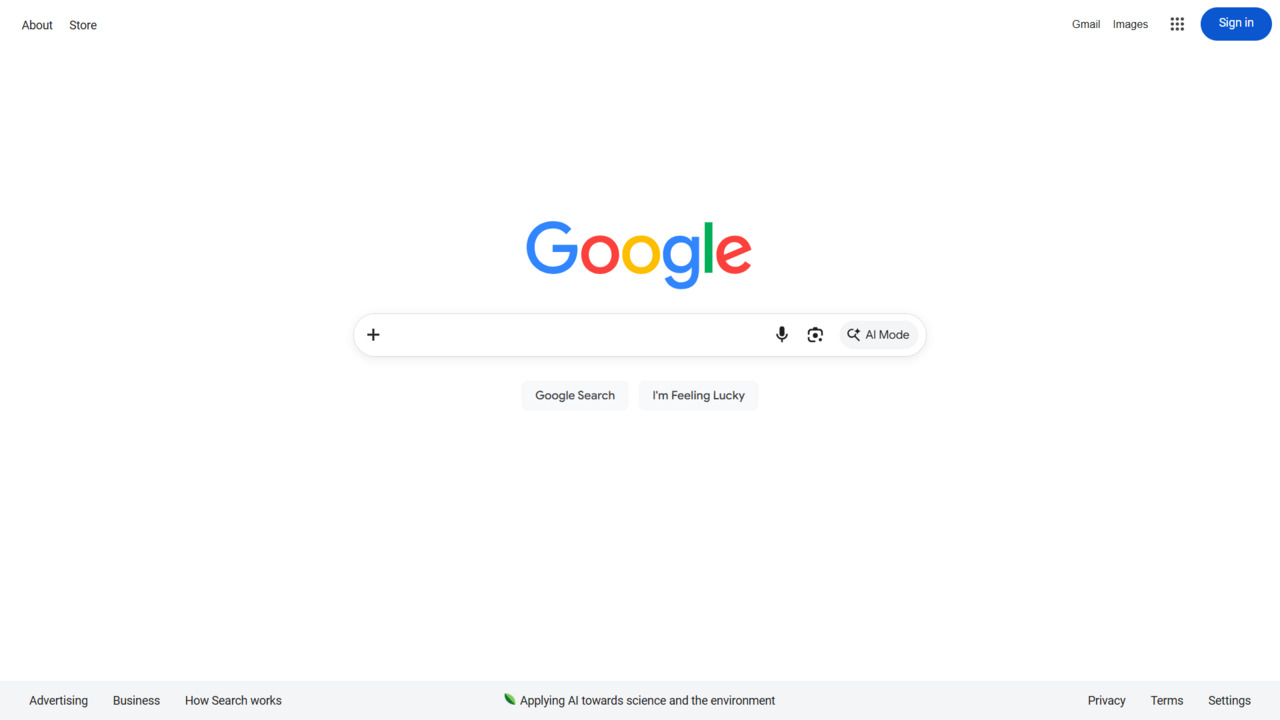
To prepare for the AI search era, structure your content so AI engines can read and summarize it (Generative Engine Optimization, or GEO), and learn to ask AI search tools specific, detailed questions. In 2026, search engines like Google and various AI-driven platforms understand natural language better than ever and answer directly, so the days of clicking through ten blue links are fading fast.
Below we break down what these AI search trends mean, the GEO strategies that matter for bloggers and business websites, and practical tips for finding information online.
1. What Has Actually Changed with AI Search?
The biggest shifts are in the 'way we ask questions' and the 'format of the results' we receive. In the past, you might have typed choppy keyword phrases like "best pizza NYC." Now, people are getting comfortable asking long, conversational questions.
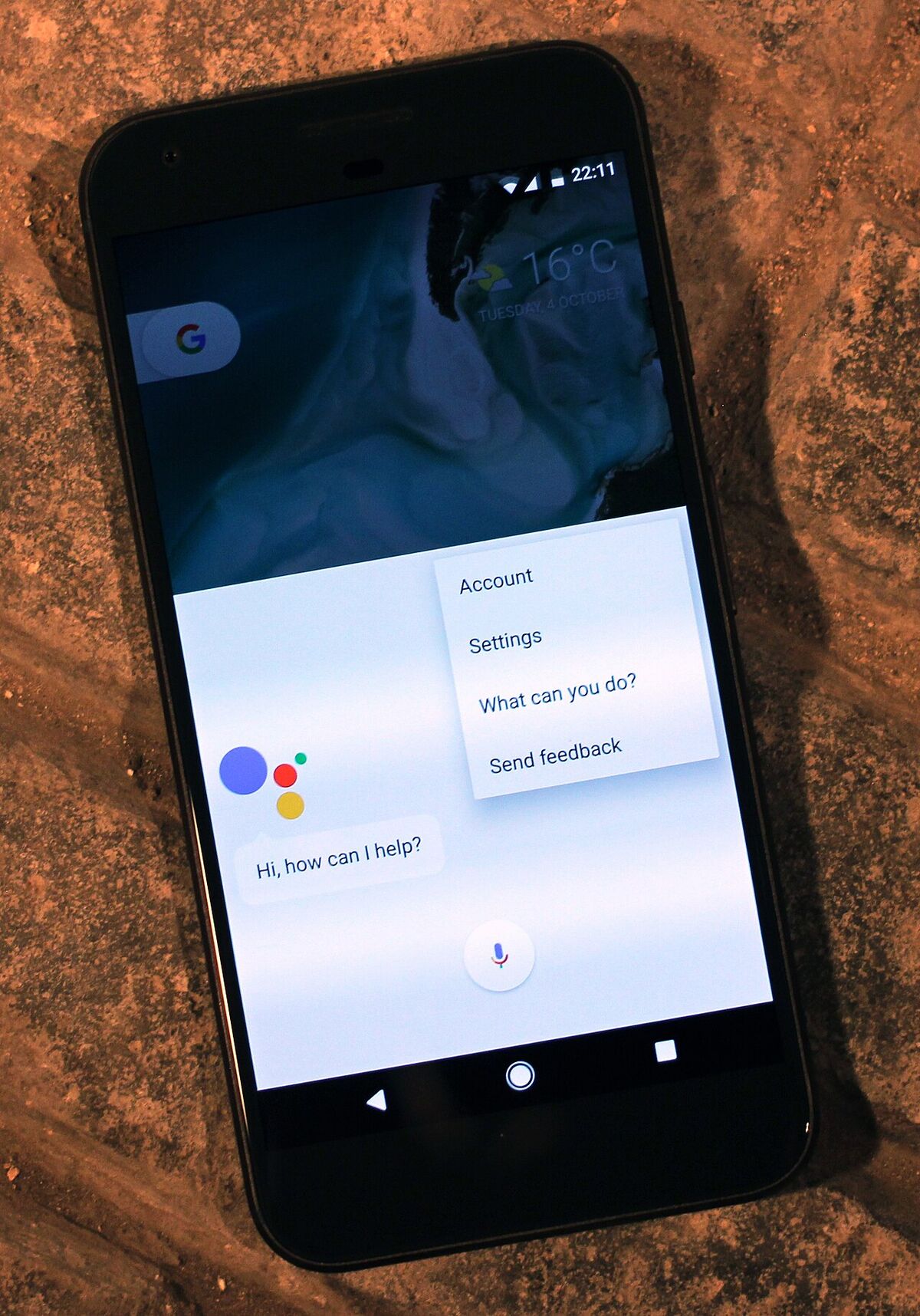
- The Rise of Conversational Search: Search engines are no longer just massive databases; they are acting more like smart personal assistants. They can remember the context of your previous questions and seamlessly handle follow-up queries, creating a fluid, ongoing dialogue.
- The Explosion of Zero-Click Searches: We are seeing a massive increase in situations where you get your answer right on the Search Engine Results Page (SERP) without ever having to click on an external website. Because the AI aggregates and neatly organizes information from multiple sources into one clean summary, the need to click away is significantly reduced.
- The Evolution of Multi-Modal Search: It’s not just about typing text anymore. AI search engines now understand images you snap, voice memos you record, and even the content within YouTube videos, blending all these inputs to give you comprehensive results. See a weird bug in your garden? Just point your camera at it, and the AI can tell you its name and whether it's eating your tomatoes.
2. What Is Generative Engine Optimization (GEO), and Why Is It No Longer Optional?
GEO, or Generative Engine Optimization, means structuring your content so that AI engines can easily read, summarize, and deliver it to users. If you are a blogger, marketer, or business owner looking to get your content seen, it is the concept to pay attention to right now.
In the past, we obsessed over traditional SEO (Search Engine Optimization), hunting for backlinks and stuffing keywords to rank on Google. Today, AI-friendly structure matters far more. So, how do you create content that catches the AI's eye?
- Establish a Clear, Intuitive Document Structure: AI handles massive, rambling walls of text poorly. Use sharp, intuitive titles, subheadings to break up the text, and formatting like Bullet points or numbered lists (just like in this post!). This allows the AI to quickly parse the skeleton of your document and extract the relevant information.
- Bold Your Key Concepts and Keywords: Highlight crucial keywords or core concepts using bold text. Not only does this make the article easier for humans to scan, but it also acts as a signal for AI search engines, which give higher weight to bolded terms when analyzing your content.
- Use a 'Bottom Line Up Front' Structure: If you are writing an article answering a user query like, "Can dogs eat onions?", don't drag out the introduction. State the conclusion clearly at the very top: "No, absolutely not. Onions are highly toxic to dogs and can destroy their red blood cells." This direct approach is the heart of GEO, as AI prioritizes finding the most direct answer for the user first.
- Share Deep, Original 'Personal Experiences': No matter how smart AI gets, it is excellent at filtering out generic, copy-pasted information that sounds like it was spat out by ChatGPT. Major search engines are increasingly prioritizing 'Experience' and 'Expertise'. Include genuine personal anecdotes, original photos you took yourself, and unique insights that no one else has. This is how you prove your content is truly 'valuable' and get recommended by AI.
3. How Can You Get Better Results from AI Search Every Day?
Better results come from better questions. Here are a few tips for getting the most out of AI search tools as an everyday user.
- Write Specific, Detailed Prompts: If you just type "recommend a laptop," you will get generic, boring answers. Instead, try adding detailed constraints: "I am a college student needing a lightweight Windows laptop under $1000 for homework and light video editing. Please recommend 3 options and compare their pros and cons in a table." The results can be much better.
- Assign a Role to the AI: Give the AI a specific persona. Try saying, "Act as a professional fitness trainer and nutritionist with 15 years of experience. I am a 30-year-old office worker; please ruthlessly critique and adjust my diet plan." Assigning a role helps the AI provide more specialized and targeted feedback.
- Make it a Habit to Check Sources: While AI technology has improved immensely, the 'hallucination' effect—where the AI confidently invents plausible-sounding but fake information—has not completely disappeared. Especially when searching for critical information regarding health, finance, or legal matters, always click the source links provided by the AI to fact-check the claims.
How Will Our Search Habits Change Next?
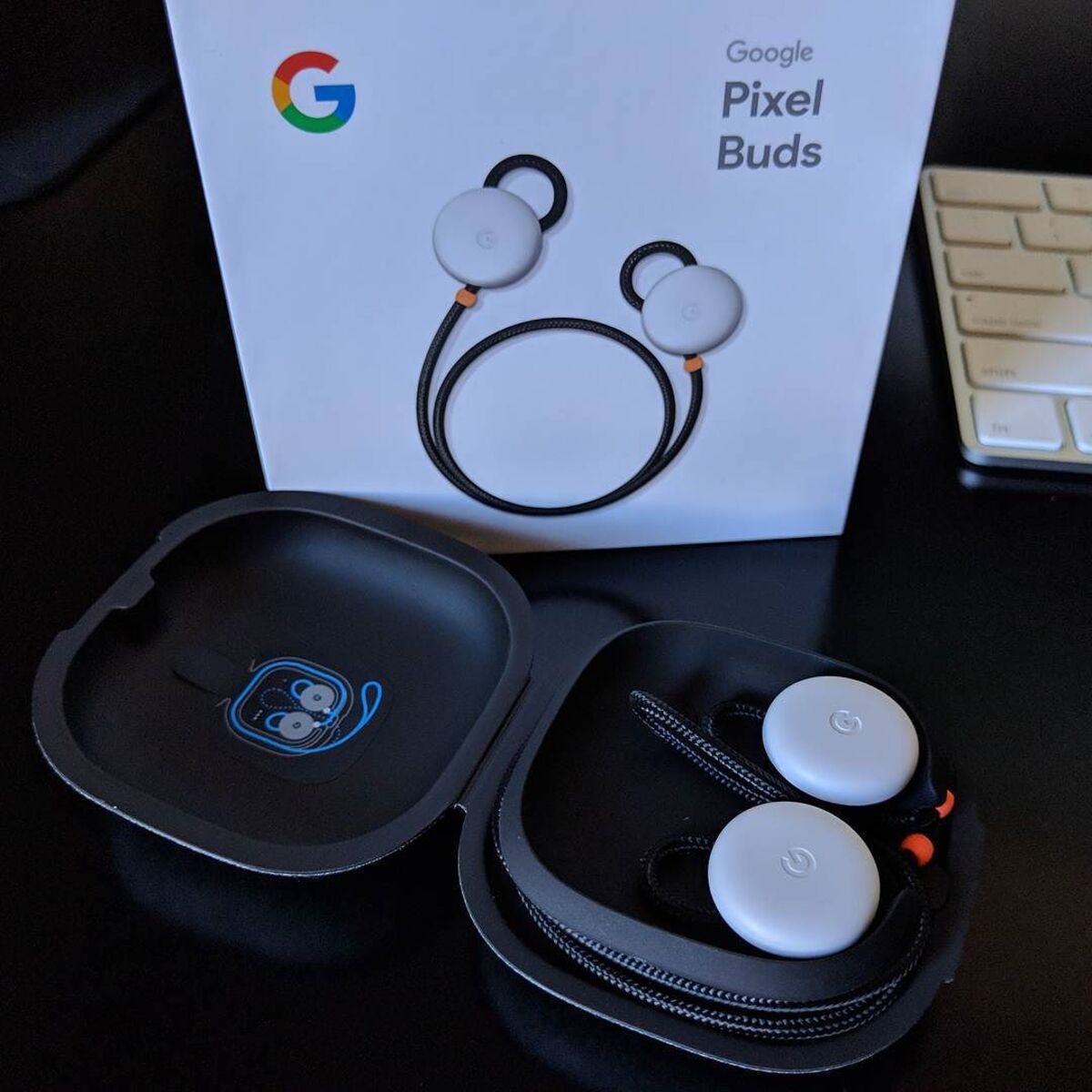
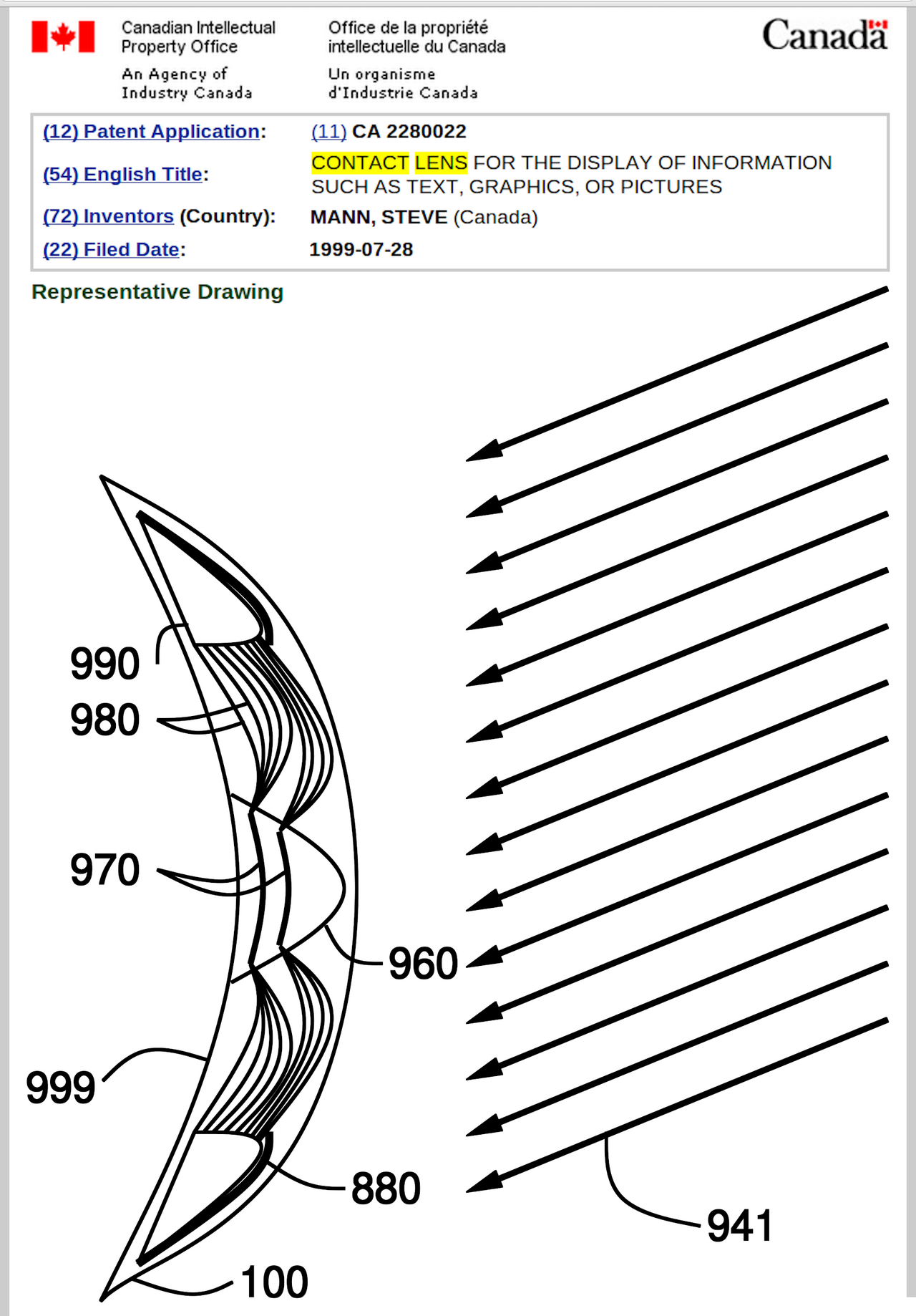
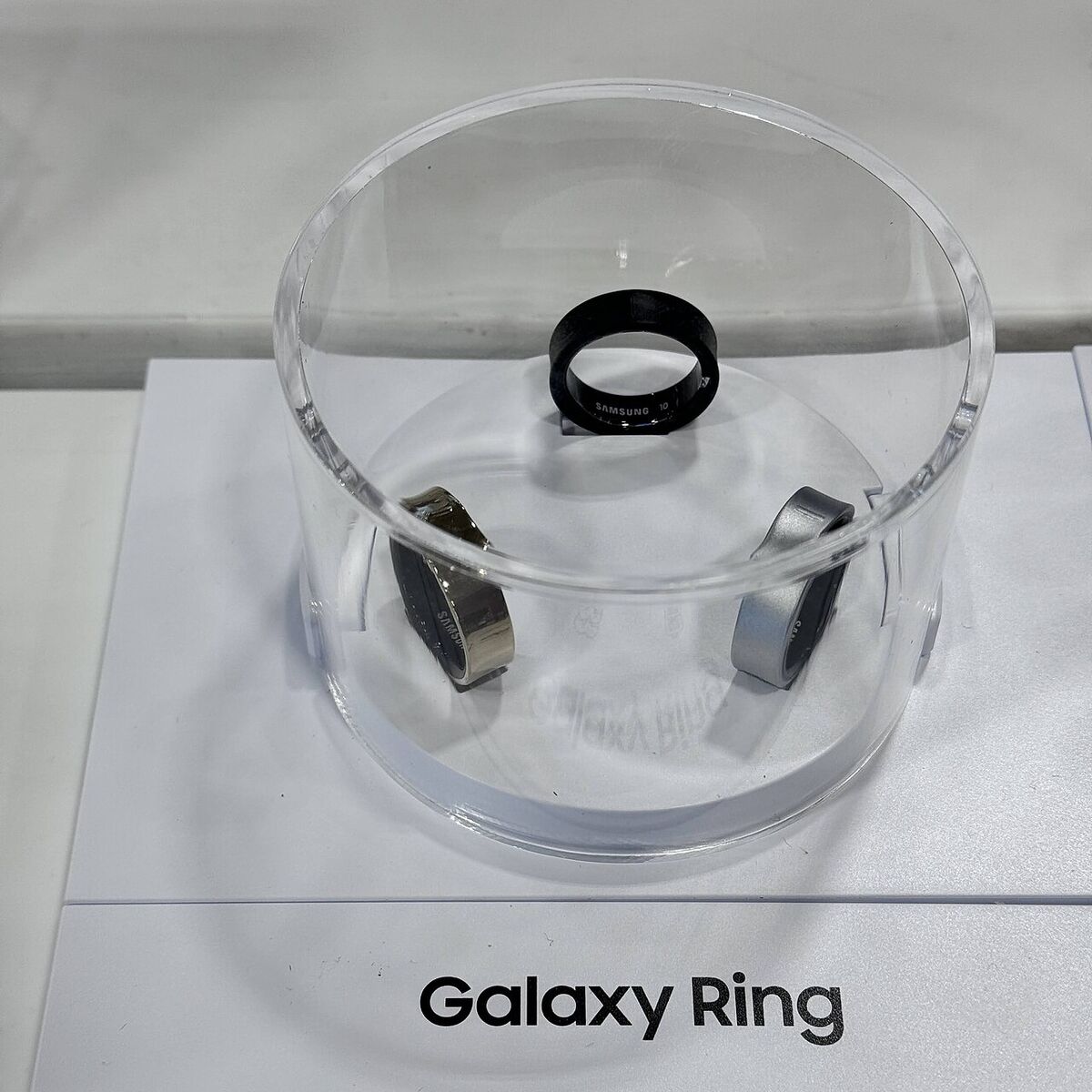
Experts predict that in the near future, we will move far beyond just typing text into a search bar, with explosive growth in instant, spatial searches using voice commands or AR (Augmented Reality) smart glasses. Imagine walking down the street, asking a question out loud to your glasses or wireless earbuds, and having the AI instantly analyze your real-time surroundings and whisper the answer right into your ear. That world is already knocking on our door.
These rapid changes might feel unfamiliar and complex at first. But if you get a little closer to these tools today, they can become powerful aids that improve your quality of life and work efficiency. Why not open your smartphone right now and try out the GEO content tips and daily AI search tricks above? If you have questions, don't hesitate to start interrogating the AI!