Samsung Galaxy Z Fold 6 Review: Is It Worth the Premium Price?
- Technology
- Exienent
- · Updated
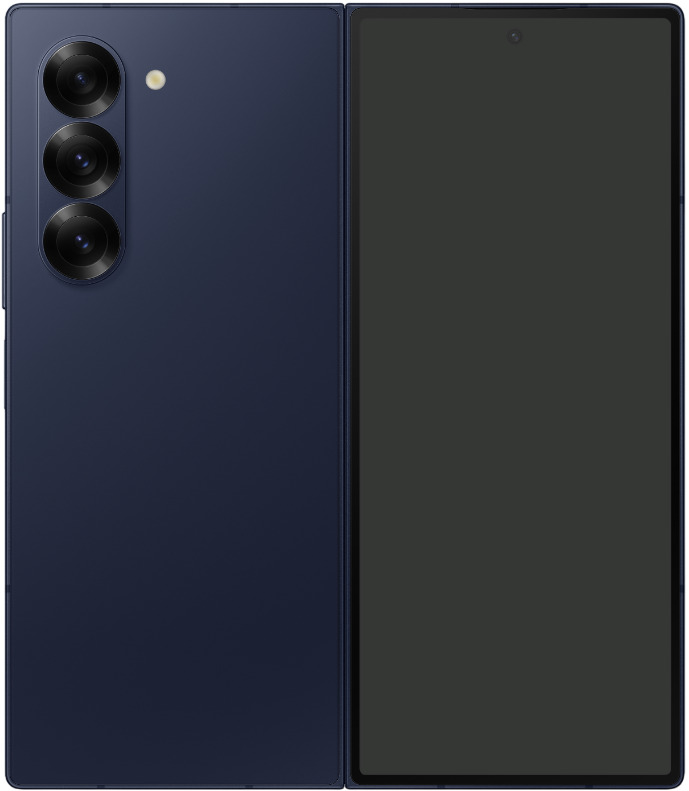
The Samsung Galaxy Z Fold 6 is worth its price north of $1,800 for power users and remote workers who want a tablet-sized screen in their pocket, and overkill for anyone who mainly texts, calls, and takes photos. It is lighter and boxier than earlier Folds, closes completely flat, and handles split-screen multitasking well; the trade-offs are cameras that trail Samsung's Ultra phones and uneven third-party app optimization.
Has the Foldable Phone Finally Matured?
The Z Fold 6 suggests it has. For years, buying a foldable felt like paying a massive premium to be an early adopter or a beta tester for experimental hinges and fragile screens, and a price tag that high understandably triggers a mix of shock and skepticism.
This year, Samsung positioned the Galaxy Z Fold 6 as refinement over revolution. If you are on the fence about upgrading to a foldable, especially given the steep cost of entry, here is a breakdown of what it is like to carry the Galaxy Z Fold 6 as an everyday phone.
How Is the Z Fold 6 Design Different From Older Folds?
The Z Fold 6 is lighter and boxier than older models. If you have ever held an older Fold, you probably remember it feeling like carrying a heavy TV remote in your pocket—thick, curved, and awkward.
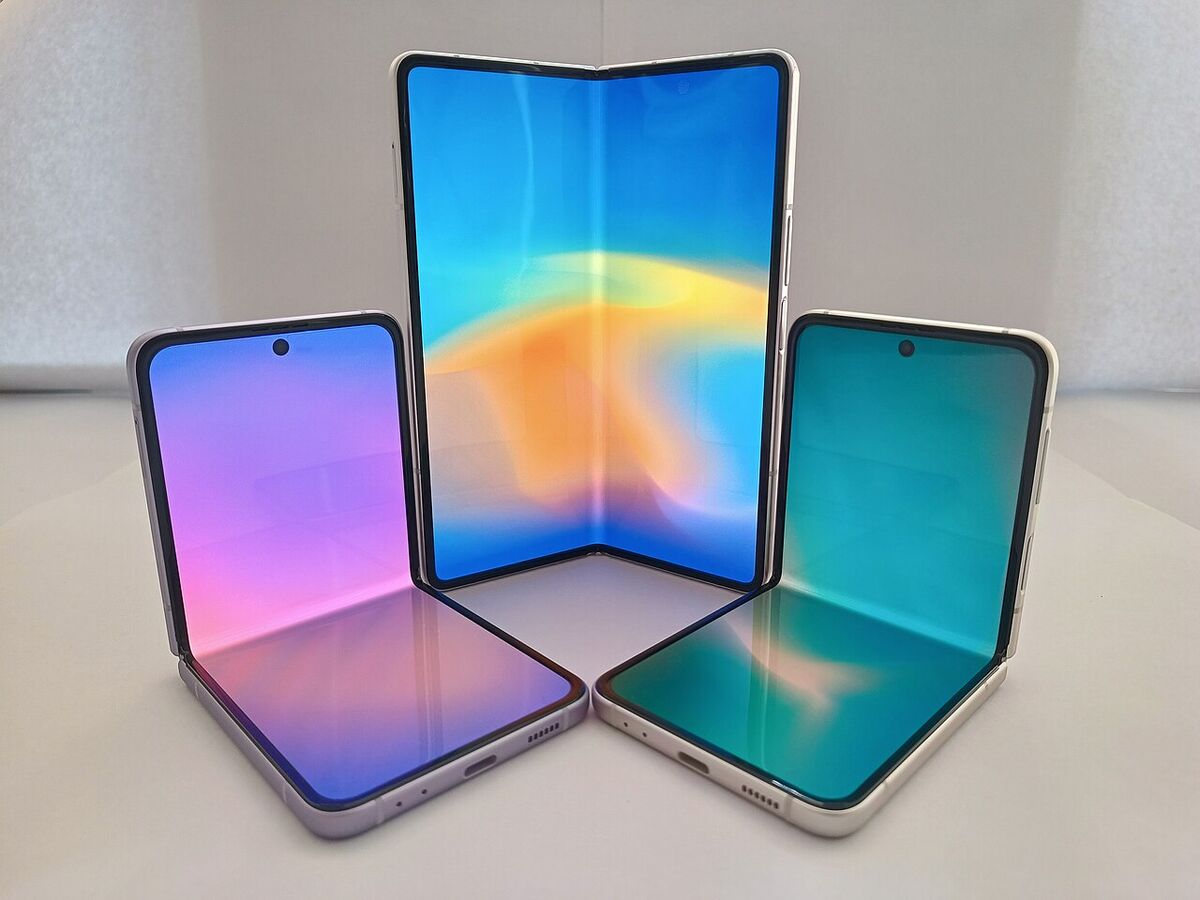
Samsung made some aggressive design choices with the Z Fold 6. It is noticeably lighter and features a much boxier, squared-off aesthetic. Here is why that matters:
- Pocketability: It no longer feels like it's dragging your pants down. It's nearly as light as a standard flagship phone in a heavy-duty case.
- The Cover Screen: The front screen is finally wider. While it's still slightly narrower than a standard phone, typing quick messages on the cover screen is no longer a frustrating exercise in hitting the wrong keys.
- The Hinge: It snaps shut flat. Completely flat. There is no more awkward wedge gap near the hinge for dust and pocket lint to gather in. It feels solid, premium, and incredibly satisfying to open and close.
For the first time, using the Z Fold closed doesn't feel like a compromise. It feels like a normal, albeit slightly thick, smartphone.
Does the Big Inner Screen Actually Help Multitasking?
Yes. The entire pitch of a foldable phone is the massive inner display, and unfolding the Z Fold 6 reveals a gorgeous, bright, 7.6-inch tablet-like screen that can change how you work on the go.
If your day involves spreadsheets, Slack channels, and a dozen browser tabs, switching between these apps on a normal phone is a constant, thumb-tiring dance. On the Z Fold 6, split-screen multitasking becomes natural.
Having a YouTube video playing on the top half of the screen while scrolling through X (formerly Twitter) or browsing Reddit on the bottom half is a game-changer. Dragging and dropping photos from the gallery directly into an email feels like desktop-level productivity.
However, there is a catch. App optimization is still a mixed bag. While Samsung and Google apps scale perfectly, many third-party apps still don't know what to do with the square-ish aspect ratio of the inner screen. Instagram, for example, often displays with thick black bars on the sides unless you force it to full screen, which crops the images awkwardly. It's not a dealbreaker, but it is a reminder that the Android app ecosystem is still catching up to the hardware.
How Good Are the Z Fold 6 Cameras?
The cameras are very good but not "Ultra" good. When you pay top-tier prices for a smartphone, you expect the absolute best cameras on the market, and this is where the Z Fold 6 forces you to compromise.
The main sensor captures crisp, vibrant photos with that classic, punchy Samsung color science. The ultra-wide is reliable, and the 3x optical zoom is genuinely useful for portraits and capturing details.
But compared with the Samsung Galaxy S24 Ultra or the iPhone 15 Pro Max, the Fold 6 falls slightly short. It lacks the 5x or 10x optical zoom lenses, and the low-light performance, while solid, doesn't quite match the heavyweights.
The unique form factor does offer some cool camera tricks, though. Using the high-quality main cameras for selfies while using the cover screen as a viewfinder is brilliant. And half-folding the phone to use it as its own tripod for group shots or long-exposure night photography is incredibly convenient.
How Are the Battery Life and Durability?
Battery life is better than two screens might suggest. A phone with one massive display would seem certain to chew through battery, but the Snapdragon 8 Gen 3 processor is very efficient. Even with heavy multitasking, GPS navigation, and plenty of TikTok, it can get through a long, demanding day without sending you scrambling for a charger at 4 PM. It's not a two-day phone, though.
As for durability, the inner screen is a flexible plastic-like material over ultra-thin glass. Yes, you can still feel the crease in the middle. You may stop noticing it fairly quickly; it is most visible when viewing the screen at an extreme off-angle. The phone is also water-resistant (IP48), which gives peace of mind if you get caught in the rain, though I still wouldn't take it to the beach due to the risk of sand getting into the hinge.
Is the Galaxy Z Fold 6 Worth It?
It depends on how you use your phone.
If you just want a reliable phone for texting, calling, and snapping photos of your food, do not buy this phone. It is overkill, and the price tag will make you cry. Save your money and buy a standard flagship.
However, if you are a power user, a remote worker, or someone who frequently wishes for a little more screen real estate while on the go, the Z Fold 6 is phenomenal. I think it bridges the gap between a smartphone and a tablet better than any device before it.
The Galaxy Z Fold 6 shows that foldables are no longer delicate prototypes for tech enthusiasts. It is a mature, refined, and powerful tool. It's expensive, yes, but for the first time, it actually feels like you are getting your money's worth in sheer versatility and premium build quality.