Can You Grow Your Own Groceries with a Smart Indoor Vertical Farm in 2026?
- Technology
- Exienent
- · Updated
A refrigerator-sized Smart Indoor Vertical Farm can realistically replace store-bought leafy greens and herbs, but not your whole grocery bill. These automated hydroponic cabinets excel at lettuce, kale, basil, and small fruiting plants like cherry tomatoes, with no soil and no pesticides. The limits are staple crops, which they can't grow, and the electricity cost of running grow lights for 16 hours a day.
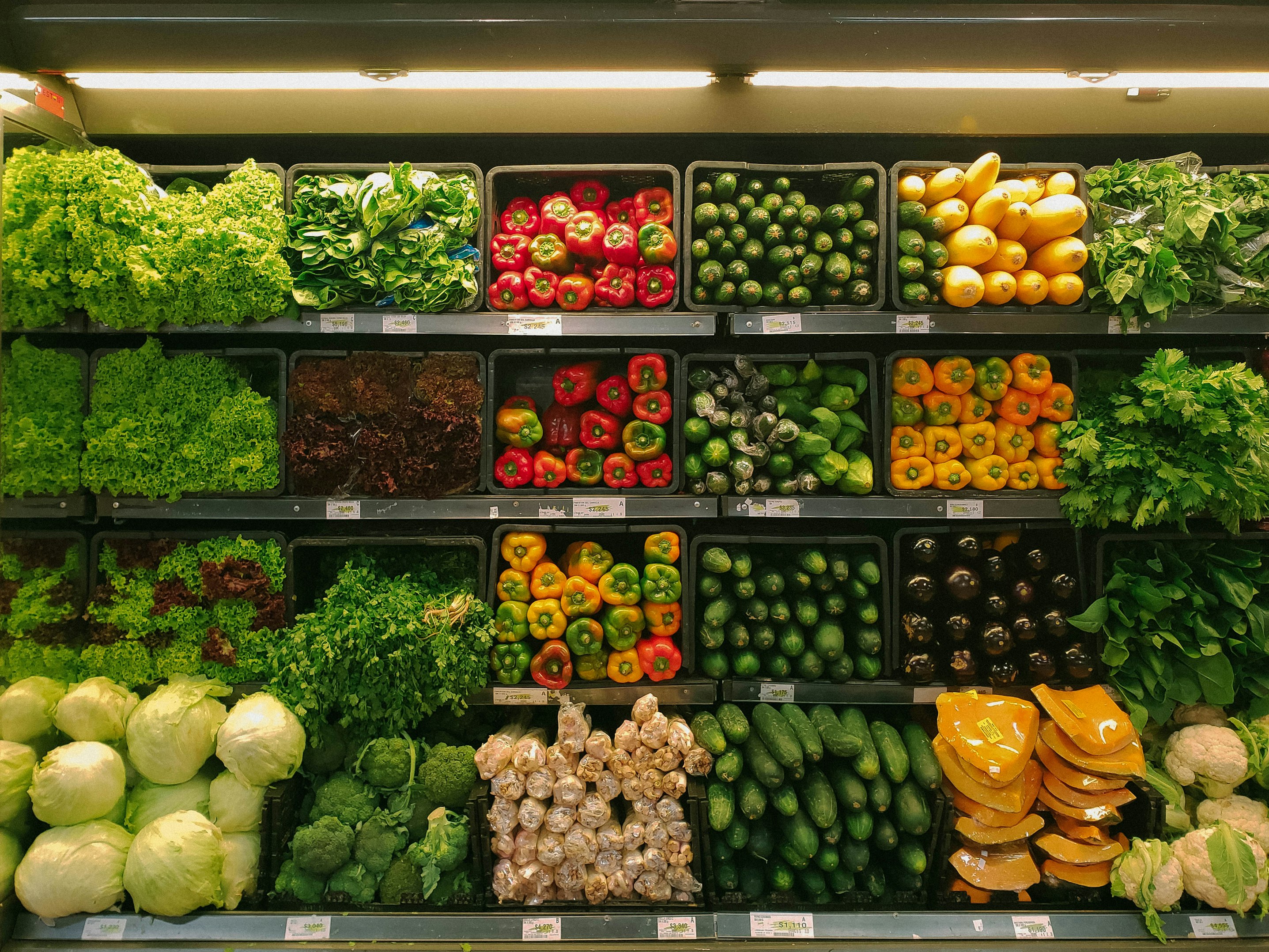
If you have walked down the produce aisle of a grocery store lately, you have probably noticed two things: prices are skyrocketing, and the quality of fresh greens is declining. The long-distance supply chains are struggling. Meanwhile, the latest generation of smart indoor farms has started dropping in price and hitting the consumer market this year.
These aren't little herb gardens on the windowsill. They are fully automated hydroponic systems designed to sit in your living room, and they raise a fair question: could you stop buying leafy greens and herbs from the store entirely? Here is what living with an indoor farm in 2026 involves.
What Is a Smart Indoor Vertical Farm?
A smart indoor vertical farm is a miniature, automated greenhouse. Imagine taking an industrial agricultural greenhouse, shrinking it down to the size of a wine cooler, and powering it with advanced AI.
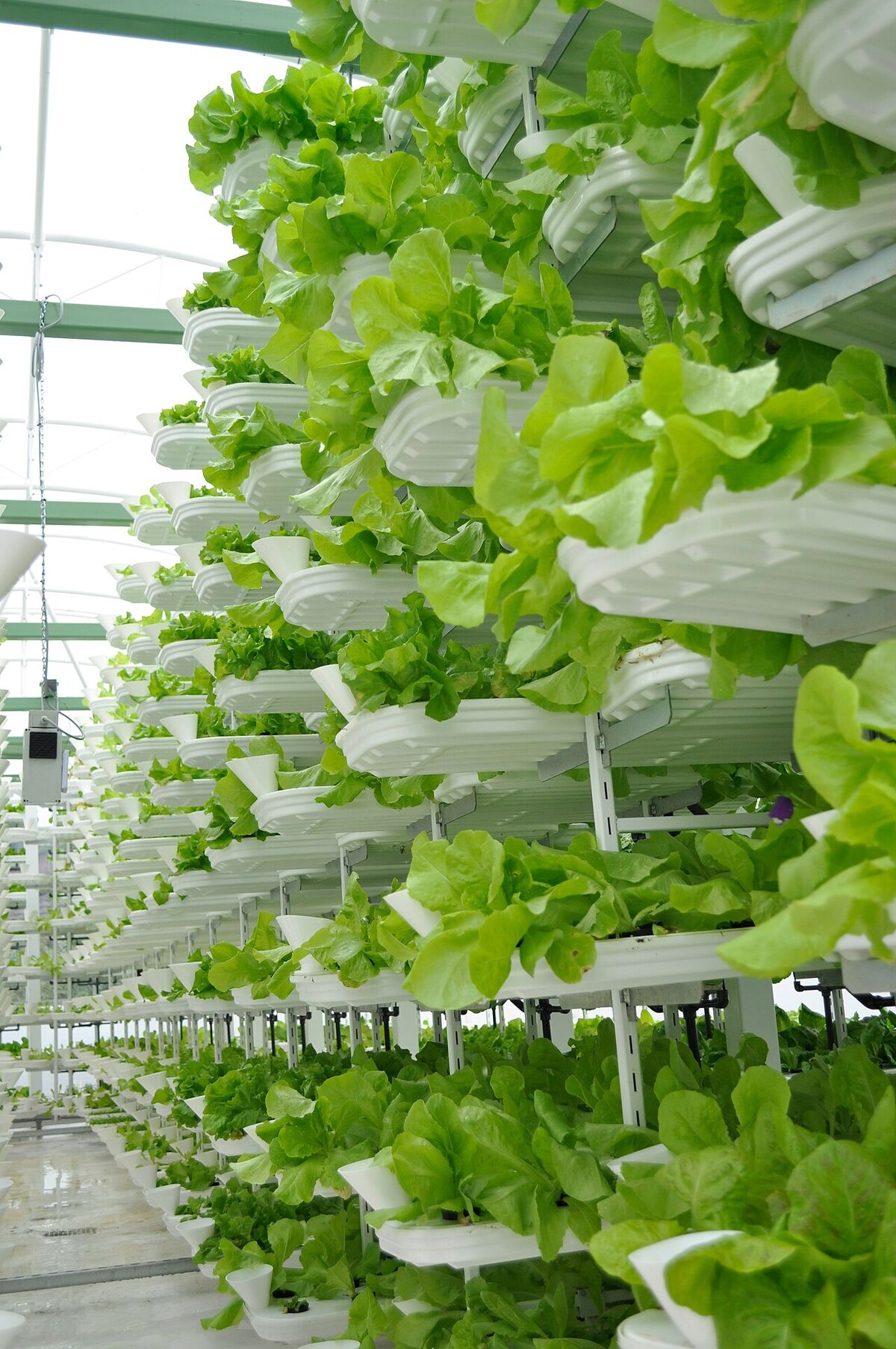
Inside the sleek glass cabinet are multiple tiers of growing trays. Instead of soil, the plants grow in nutrient-rich water (hydroponics). The system uses an array of specialized LED lights that emit the spectrum of light needed for photosynthesis, completely replacing the sun.
The real magic is the "smart" aspect. The cabinet is packed with sensors monitoring humidity, pH levels, water temperature, and plant growth. The onboard AI dynamically adjusts the lighting schedule and nutrient delivery to optimize the yield, all while sending updates directly to an app on your phone.
How Do You Set Up and Grow Food in One?
Setting up the farm is more like installing a high-end appliance than planting a garden. You plug it in, connect it to Wi-Fi, and fill the reservoir with water and the included nutrient solution.
The planting process is very clean. You just pop pre-seeded "pods" (similar to coffee pods) into the slots. No dirt, no mess, no bugs. You might plant a mix of butterhead lettuce, kale, basil, and cherry tomatoes.
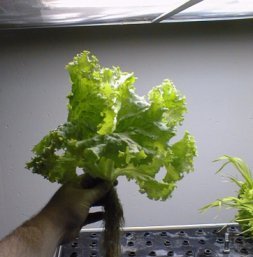
Then the system takes over. Nothing visible happens at first, but shoots soon appear. Because the environment is tightly controlled and the lights run for 16 hours a day, the plants can grow considerably faster than they would outdoors, and within weeks the cabinet can be full of crisp, harvestable lettuce.
What Are the Benefits of Home Vertical Farming?
The main benefits are freshness, clean produce, and less waste:
- Freshness and Taste: Lettuce harvested moments before it hits your plate can taste noticeably more vivid and crunchy than greens that have travelled through a long supply chain.
- Zero Pesticides: Because the farm is a closed, indoor ecosystem, there are no pests, which means no pesticides are needed.
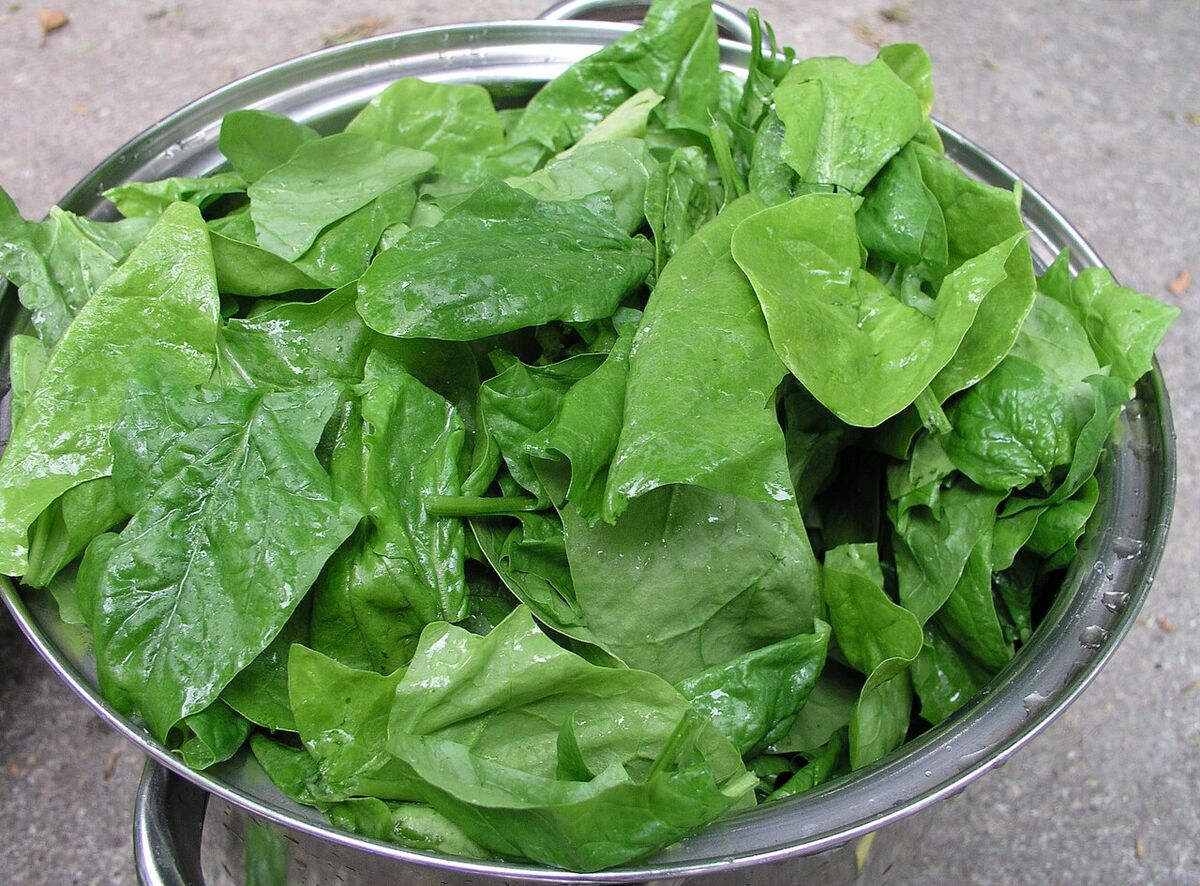
- Less Food Waste: Most of us know the guilt of throwing away a slimy bag of spinach that wilted in the fridge. With a vertical farm, the food stays alive until the moment you need it, and harvesting only what you'll eat that day can cut produce waste dramatically.
- A Calming Aesthetic: The soft purple/pink glow of the grow lights and the sound of trickling water can turn the appliance into a calming focal point in your home.
What Are the Drawbacks and Limitations?
It is important to be realistic about what these systems can and cannot do.
First, a Smart Indoor Vertical Farm is not going to replace your entire grocery bill. While it is phenomenal for leafy greens, herbs, and small fruiting plants like cherry tomatoes or strawberries, you cannot grow calorie-dense staple crops. You are not going to be harvesting potatoes, wheat, or corn in your living room.
Second, there is the electricity cost. While the LED lights are highly efficient, running them for 16 hours a day, alongside the water pumps, does cause a noticeable bump in your monthly energy bill. It is significantly cheaper than buying premium organic greens, but it is not "free" food.
Is a Smart Indoor Vertical Farm Worth It?
If you have the space and the upfront budget (units range from $500 for countertop models to $2,000 for the full-size cabinets), I think a Smart Indoor Vertical Farm can be a worthwhile investment.
It brings a degree of food security and quality right inside your home. Harvesting a crisp, pesticide-free salad in your living room while a snowstorm rages outside feels like living in the future. The supply chain of the future might just be the distance between your living room and your dining table.