The Silent Revolution: How AI Voice Cloning is Changing Audio in 2026
- AI & Data
- Exienent
- · Updated
AI voice cloning in 2026 has crossed the uncanny valley: modern models reproduce a person's cadence, tone, and even breathing from a short sample. That realism is reshaping audiobooks, podcasts, and voice acting, and it is also fueling audio deepfakes, which is why the industry is moving to Digital Provenance, marking AI audio at the moment it is created.
How Has AI Voice Cloning Changed?
Just a few years ago, if you heard an AI-generated voice, you knew it immediately. It sounded robotic, the pacing was awkward, and it lacked any real emotion. Fast forward to 2026, and the landscape of AI Voice Cloning has completely transformed.
The latest commercial voice synthesis models can take a short clip of someone's voice and, within moments, have that voice read a complex emotional monologue. A good clone can capture the speaker's exact cadence, a slightly raspy tone, and even the subtle breaths taken between sentences. The result can be mathematically flawless, and honestly, a little bit terrifying.
Below is a look at how this technology is reshaping the audio industry and the new systems being put in place to figure out what is actually real.
Why Does AI Audio No Longer Sound Robotic?
The leap in quality in 2026 comes from fundamentally changing how AI models process sound. Older text-to-speech (TTS) systems simply stitched together pre-recorded syllables. Today's models are built on massive neural networks that understand the context of the text.
If the text contains an exclamation point, the AI doesn't just increase the volume; it changes the pitch and introduces a subtle sense of excitement or panic. It understands sarcasm, whispers, and even the natural hesitations like "um" and "uh" that make human speech feel authentic.
How Is Voice Cloning Changing the Audio Industry?
This level of realism is completely rewriting the rules for content creators and the broader entertainment industry.
- Podcasts and Audiobooks: Authors no longer need to spend weeks in a recording studio or hire expensive voice talent to produce an audiobook. They can clone their own voice or license an AI voice and generate a 10-hour audiobook in an afternoon. Some major podcast networks are even using cloned voices of their hosts to dynamically read localized, real-time advertisements based on where the listener is located.
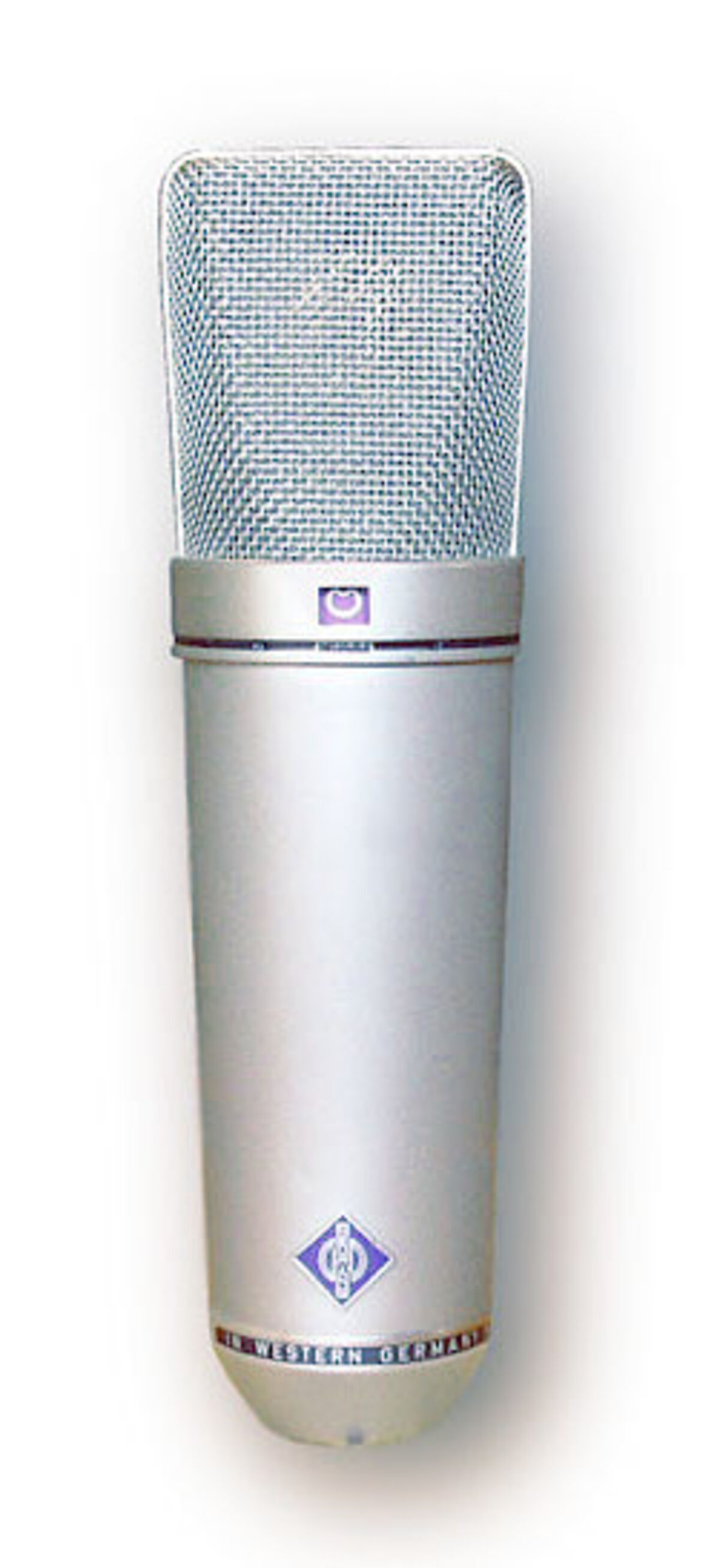
- The Voice Acting Shift: This is where the tension lies. While AI is great for narrating documentaries or corporate training videos, highly emotional voice acting for video games and animation is still a battleground. Many professional voice actors are now actively licensing their "voice prints" as digital assets. They get paid a royalty every time a studio uses their AI clone to generate dialogue for a minor NPC character, allowing them to scale their income without ever stepping up to a microphone.
What Is Digital Provenance and Why Does It Matter?
The dark side of flawless voice cloning is the explosion of audio deepfakes. When a scammer can clone your child's voice from a public social media video and call you asking for ransom, the technology crosses from being a useful tool to a severe security threat.
This is why 2026 has become the year of Digital Provenance. The tech industry realized that trying to play "whack-a-mole" by building tools to detect fake audio after it is published doesn't work. The AI generation models are advancing too fast.
Instead, the industry is moving to a system of cryptographic watermarking at the point of creation. When legitimate AI platforms generate audio, they now embed invisible metadata into the file: a digital fingerprint that permanently marks it as AI-generated. Major social networks and web browsers now read these Content Credentials, showing users a simple visual indicator of whether the audio they are listening to was recorded by a human on a microphone or generated by a server.
What Comes Next for AI Voices?
AI voice cloning is no longer a novelty; it is a permanent fixture of our digital lives. As the technology continues to mature, our focus must remain on transparency. The voices of the future will be a beautiful mix of human soul and artificial intelligence, as long as we always know who—or what—is doing the talking!