Are Humanoid Robots Actually Ready to Do Our Laundry in 2026?
- Technology, Smart Home
- John Doe
- · Updated
Not yet. In 2026, humanoid robot hardware—balance, delicate hands, and battery life—has genuinely arrived, but the software needed to handle a messy, unpredictable home still relies heavily on human teleoperation. My prediction is that a robot you can unbox and trust with your laundry unsupervised is still 3 to 5 years away.
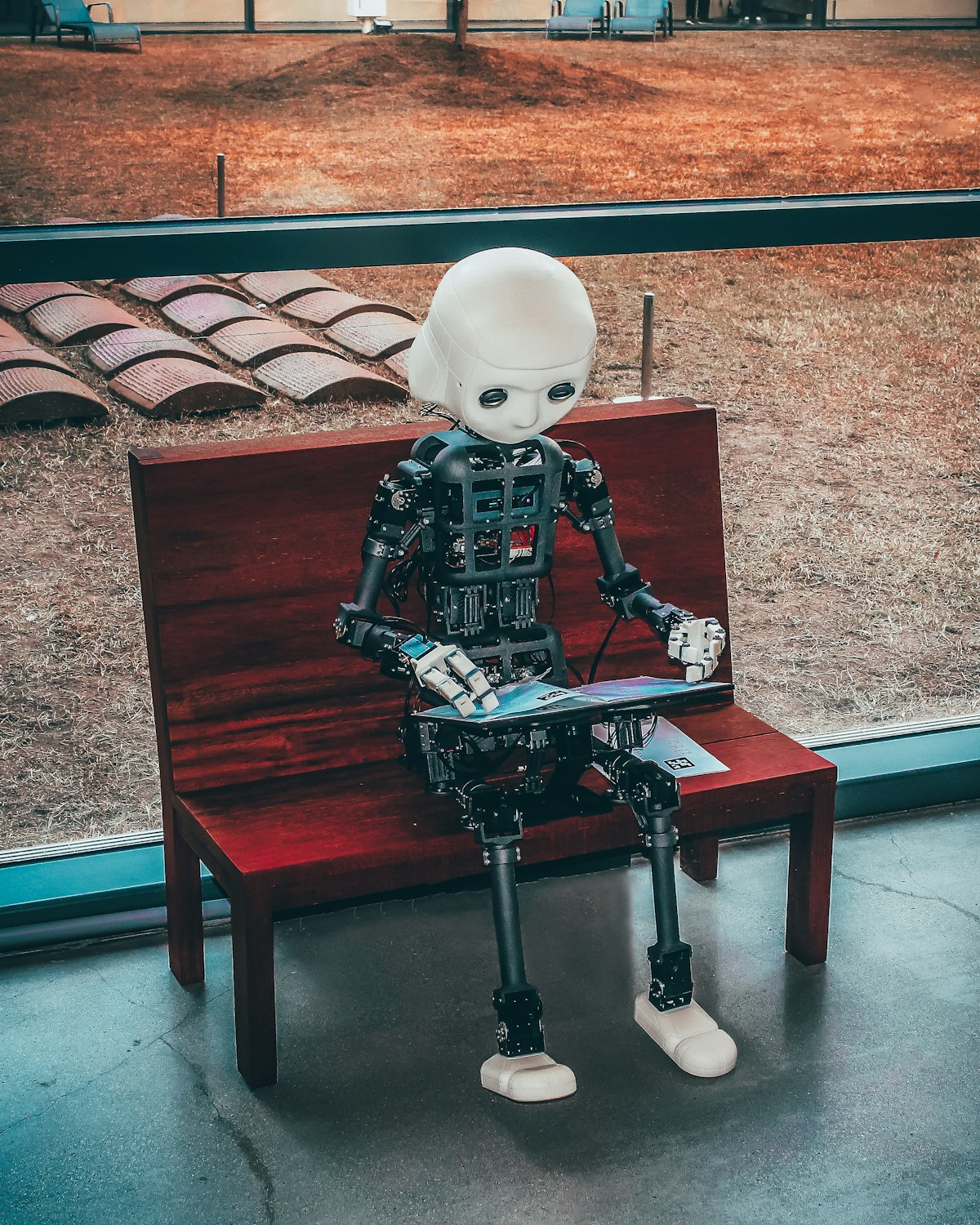
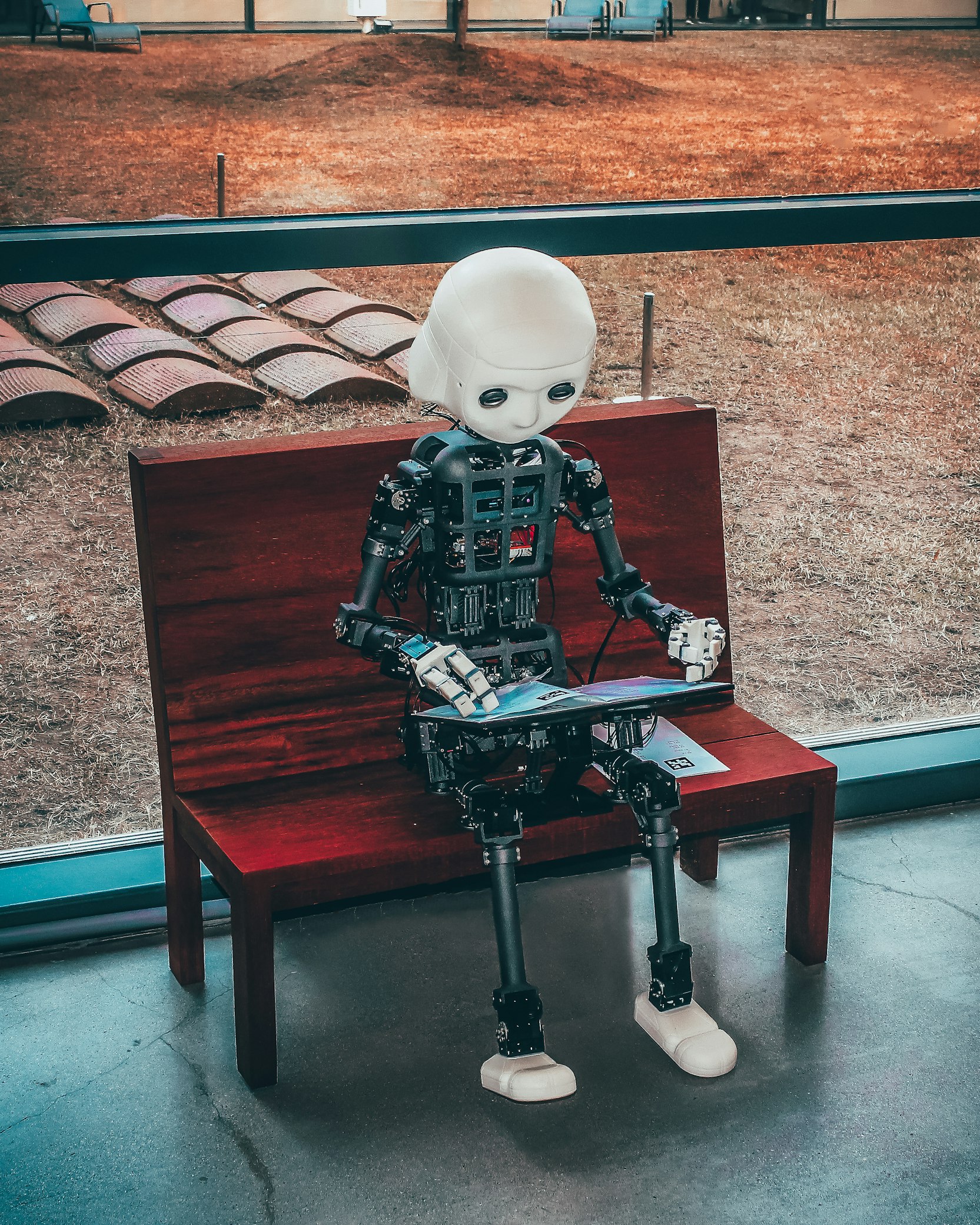
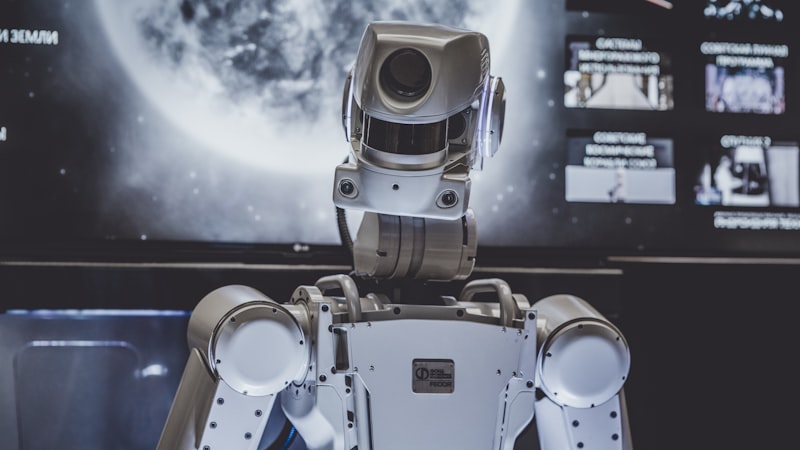
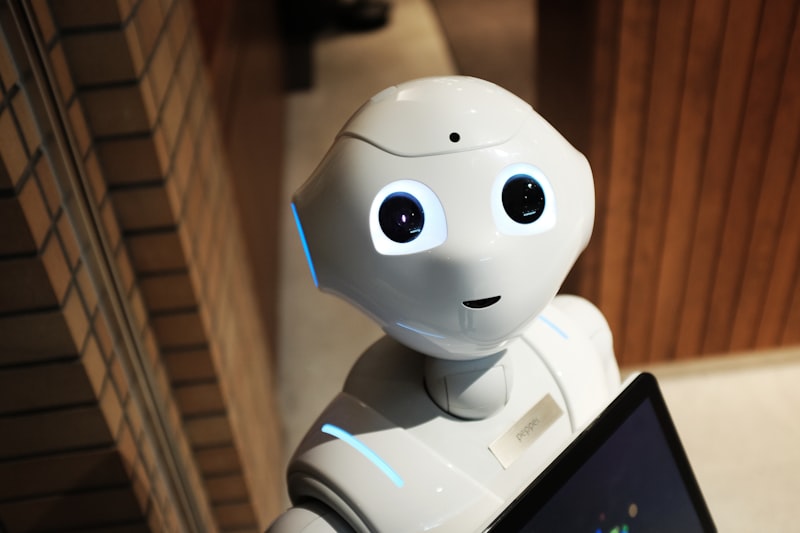
If you've spent any time online this year, you've probably seen the viral videos: a sleek, slightly uncanny Humanoid Robot gracefully picking up an egg, folding a t-shirt, or serving coffee. Companies are pushing hard to convince us that the age of the robotic butler is here. Here is the actual state of consumer-ready humanoid robots beyond the PR hype, and whether you should start clearing out a charging space in your living room.
What Can Humanoid Robot Hardware Do Today?
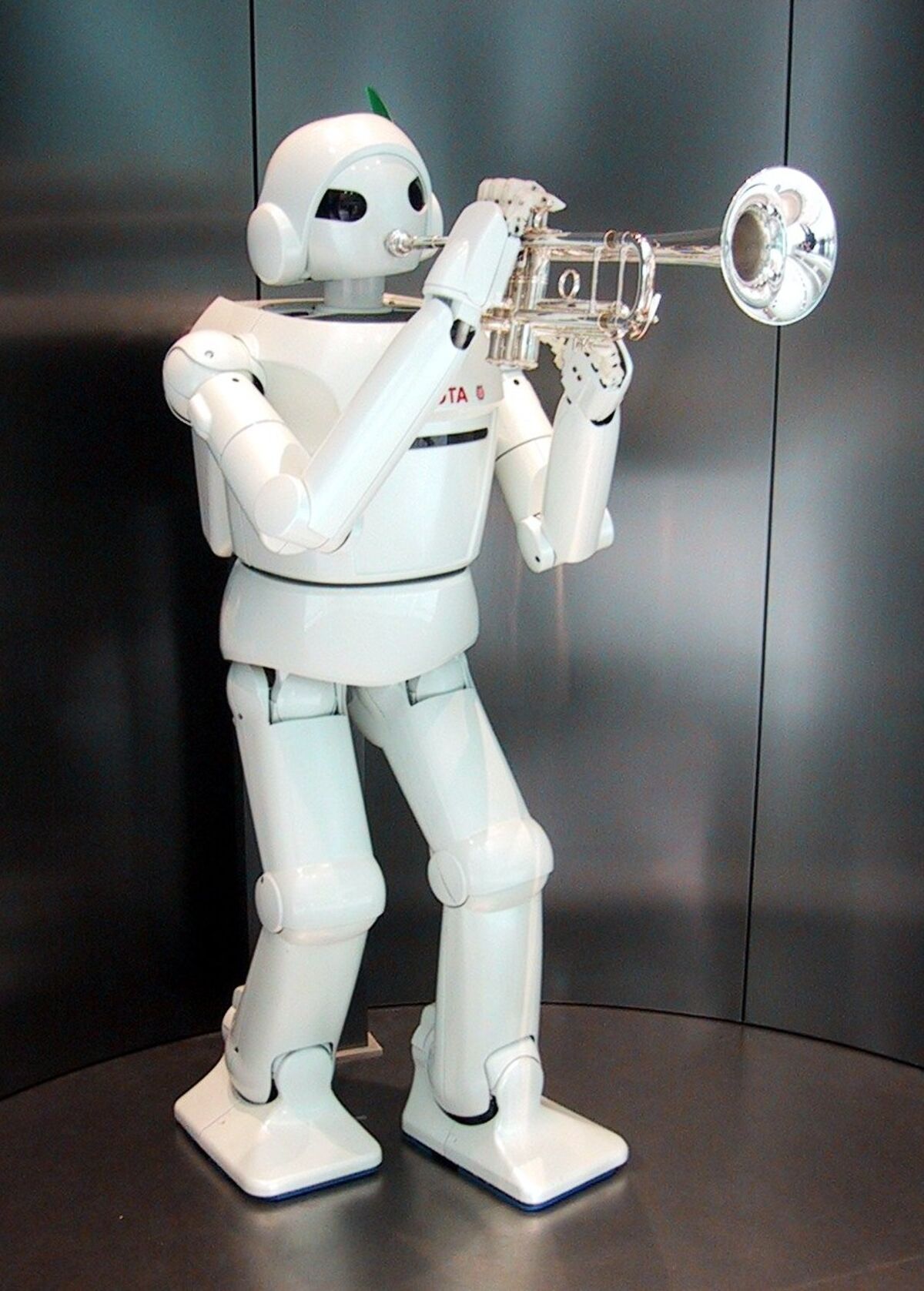
Today's humanoid hardware is genuinely spectacular. Five years ago, watching a robot walk was a terrifying experience—it was always a gamble on whether it would face-plant into a desk.
Here is what modern humanoid hardware excels at:
- Dynamic Balance: The control systems are incredibly robust. You can practically shove these robots, and they will adjust their footing dynamically to stay upright, much like a human would.
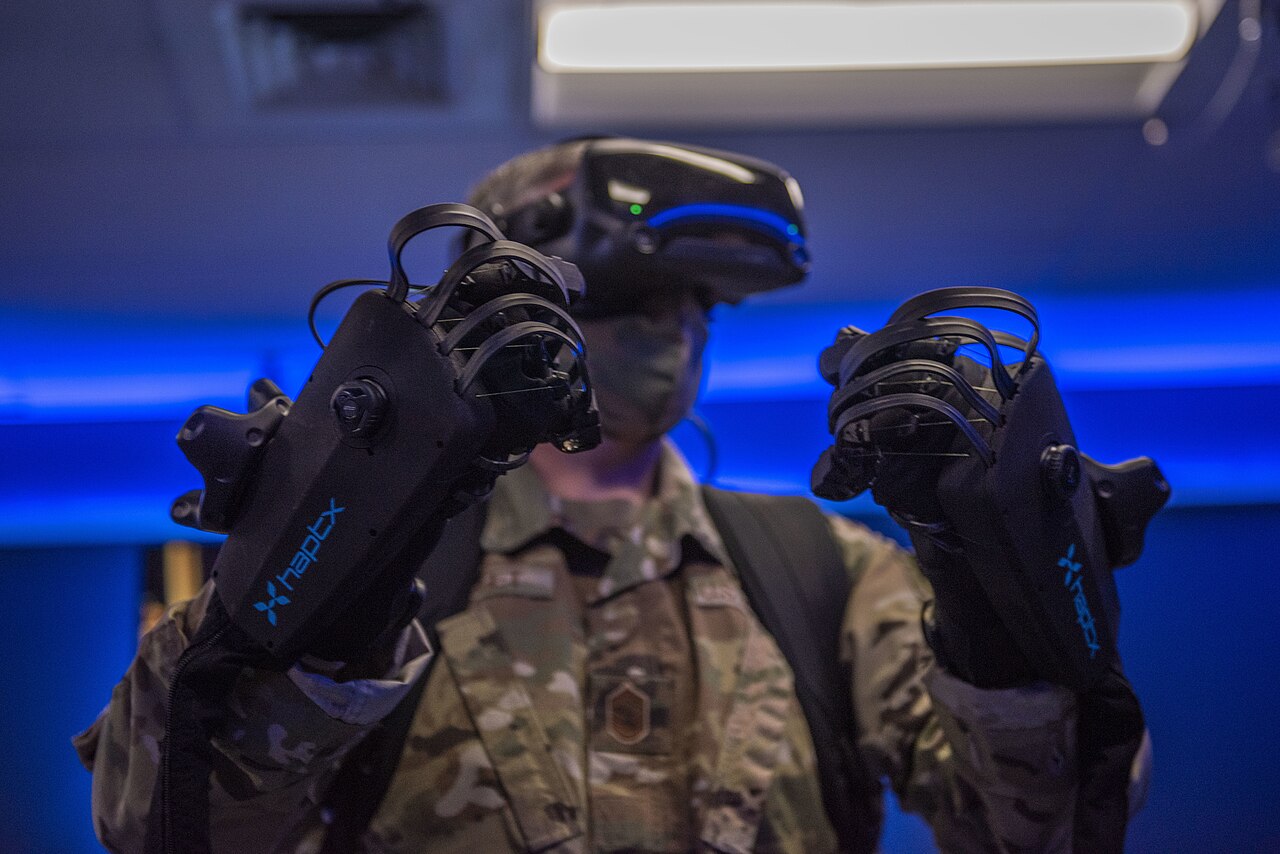
- Tactile Feedback: Hands have historically been the hardest part of robotics. New haptic sensors allow for delicate manipulation. That video of a robot holding an egg without crushing it? That's real, and it's thanks to advanced pressure sensitivity.
- Battery Life: We've moved past the "15 minutes of fame" battery life. Current models can operate for a solid 4 to 6 hours on a single charge before needing to dock.
Why Can't Humanoid Robots Handle Household Chores Yet?
Software is the bottleneck. Building a robot that can fold a shirt is very different from building a robot that knows how to fold your shirt, in your messy bedroom, while avoiding the dog.
When it comes to real-world, generalized task execution, the industry still relies heavily on teleoperation (a human remotely controlling the robot to train it) rather than pure, generalized AI.
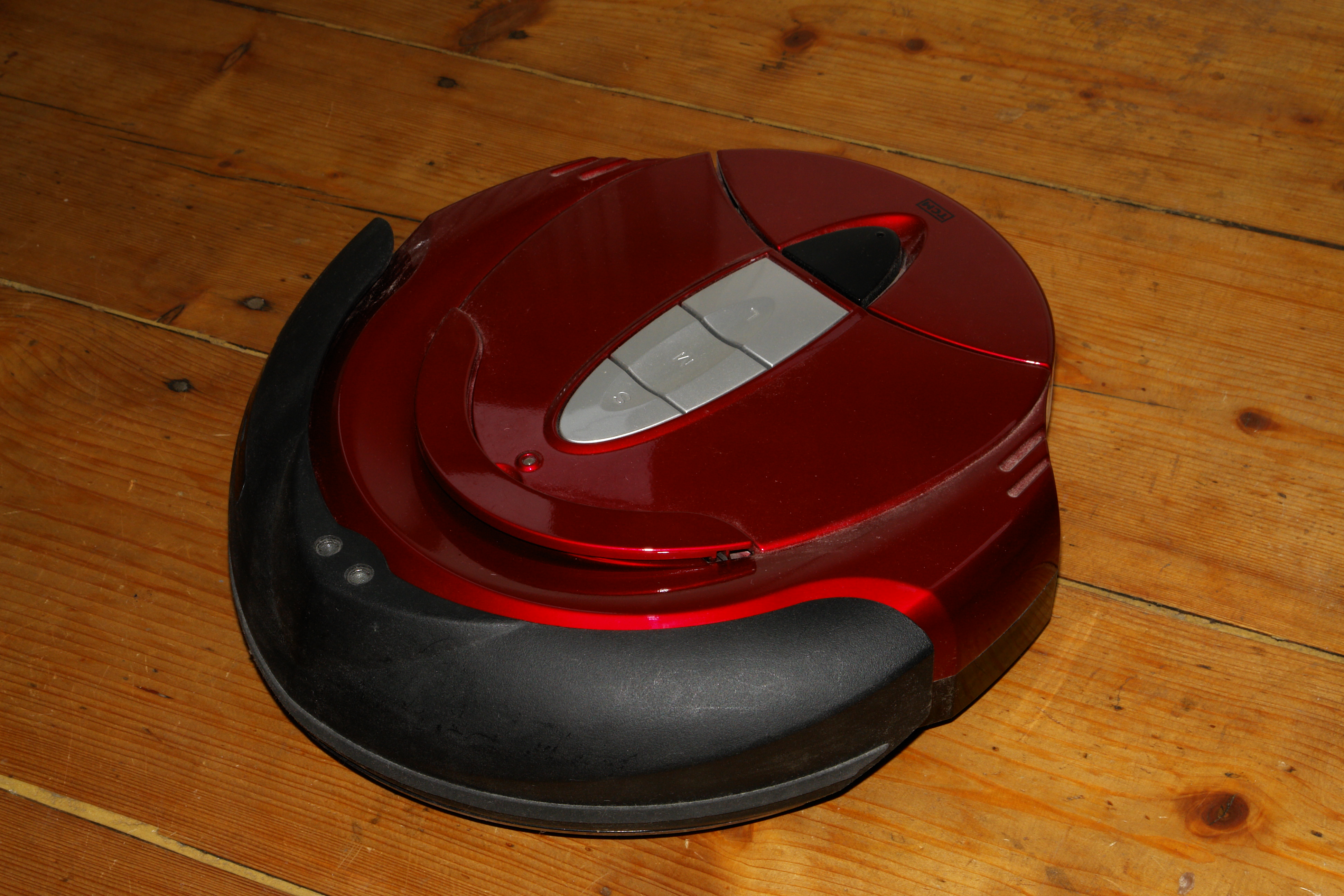
- The Edge Case Nightmare: Homes are chaotic. A Roomba can get stuck on a rug fringe; imagine a 150-pound bipedal robot trying to navigate a floor littered with Lego bricks and misplaced shoes. The spatial awareness software struggles immensely with edge cases.
- Safety Concerns: While the hardware is impressive, the software safety protocols in unpredictable environments aren't quite foolproof yet. There's a reason most demos are done in controlled, laboratory-style spaces.
- The Processing Bottleneck: To truly understand and interact with a home environment autonomously requires massive localized compute power. Streaming that data to the cloud introduces latency, which is dangerous for real-time physical interactions.
Can Generative AI Make Home Robots Useful?
Generative AI is the most promising piece of the puzzle. The biggest breakthrough in 2026 isn't the motors; it's the integration of Multimodal LLMs (Large Language Models) directly into the robot's brain.
Instead of writing a complex script to "pick up the red cup," researchers can now give verbal commands. The robot uses its onboard vision model to identify the "red cup," calculates the trajectory, and executes the physical action. This bridge between natural language understanding and physical actuation is the missing link that will eventually make these robots truly useful.
When Can You Buy a Humanoid Robot?
If you have $50,000 burning a hole in your pocket, you can technically pre-order early developer kits right now. But for the average consumer?
My prediction: we are still a solid 3 to 5 years away from a humanoid robot that you can buy at Best Buy, unbox, and immediately trust to do your laundry without supervision.
What we will see sooner are specialized, single-task robots. The bipedal, do-it-all humanoid is the holy grail, but it's an incredibly difficult engineering challenge. For now, your Roomba and your dishwasher are still your best robotic friends.
Would you feel comfortable having a humanoid robot walking around your house right now? Or does the whole idea still feel a bit too sci-fi? Let me know your thoughts in the comments!