Animal-Free Dairy Made With Precision Fermentation: What Does It Actually Taste Like?
- Environment, Technology, Health
- Exienent
- · Updated
Animal-free dairy made with Precision Fermentation contains real milk proteins—whey and casein—produced by microbes instead of cows. Because the proteins are the same, these products can look, taste, melt and stretch like conventional milk and cheese, which is exactly where plant-based alternatives have struggled.
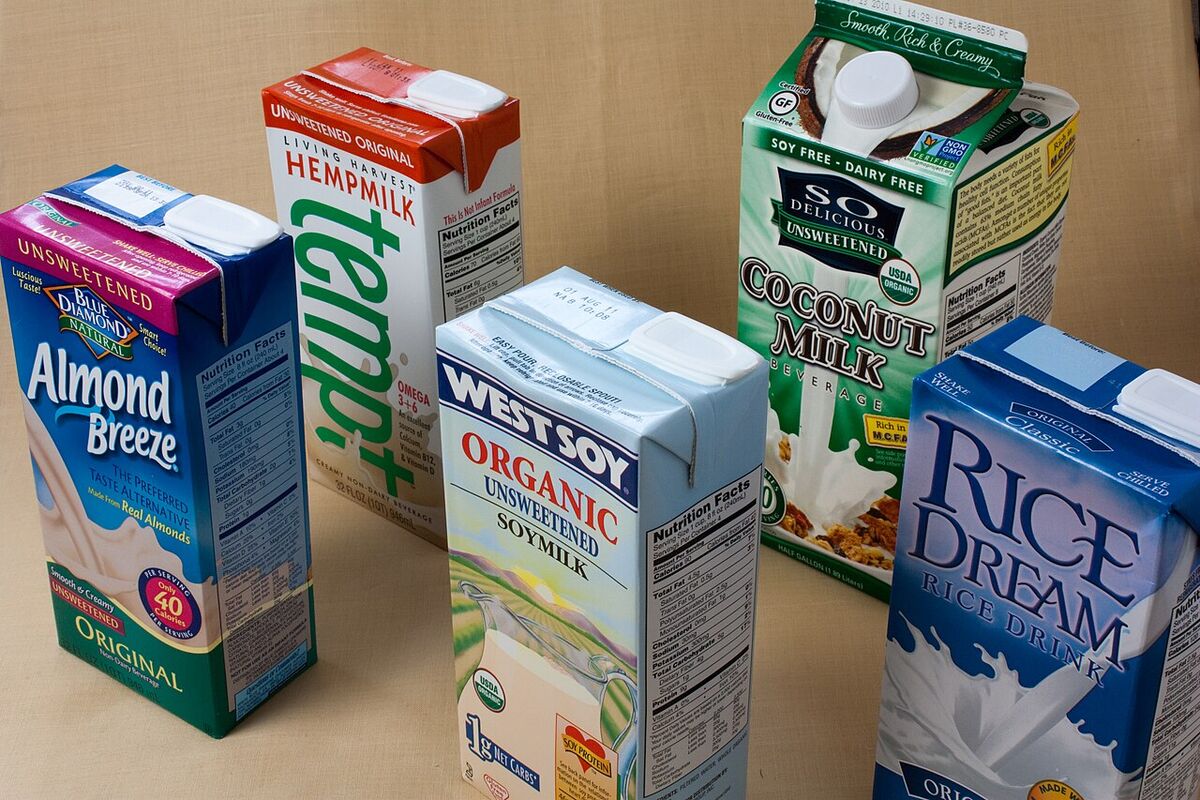
Plant-based milks such as almond, oat, soy and macadamia are fine in a latte, but they tend to fall apart in baking, and vegan cheese rarely stretches or melts the way the real thing does. In 2026 a new wave of products is hitting grocery shelves, and they aren't made from plants. Here is what precision fermentation is, how these products compare on taste, and why they matter.
What Is Precision Fermentation?
Precision fermentation is a biotech version of the fermentation behind kombucha and sourdough bread. Humanity has been using microbes to ferment food for thousands of years.
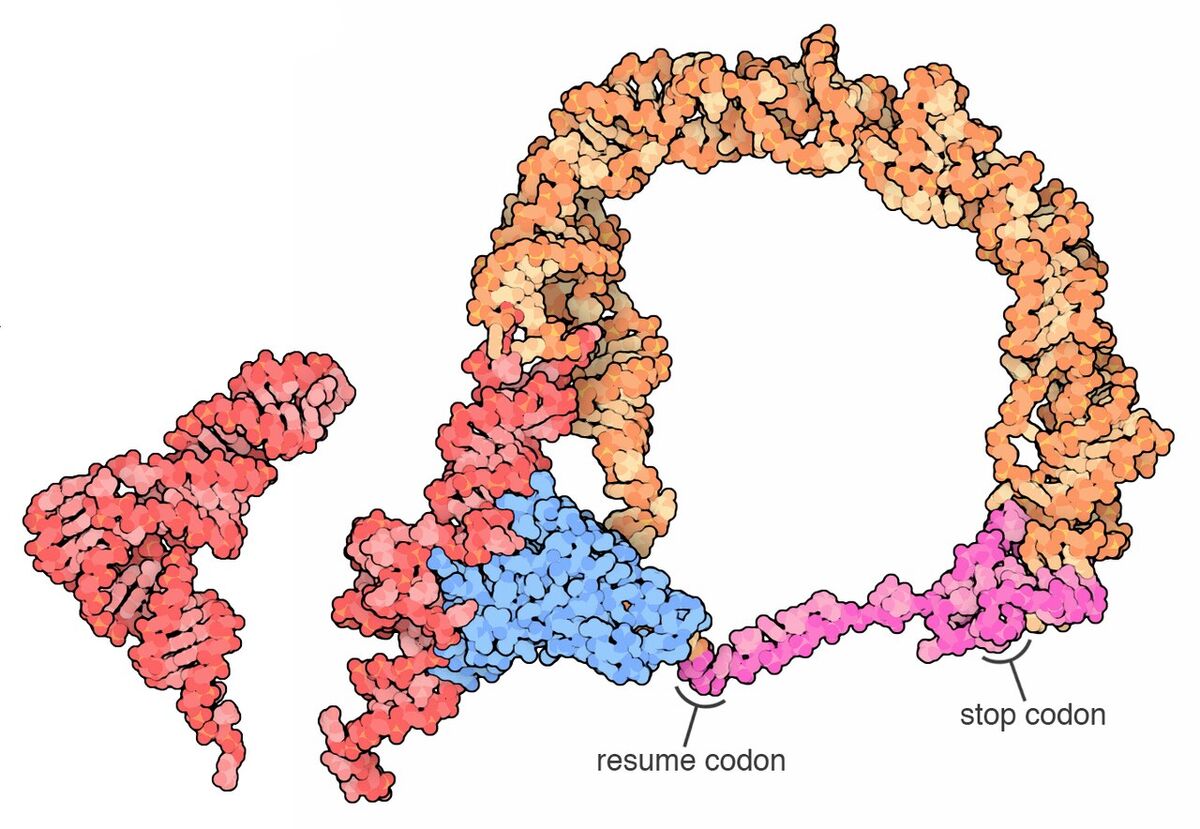
Precision Fermentation takes that ancient process and supercharges it with modern biotechnology. Instead of just letting microbes do their natural thing, scientists give specific microflora (like yeast or fungi) the exact genetic instructions to produce specific animal proteins.
For milk and cheese, the microbes are programmed to produce whey and casein—the exact proteins that give cow's milk its unique texture, stretch, and nutritional profile.
How does the process work?
- Scientists take the genetic code for milk proteins and insert it into a microbe.
- The microbes are placed in large fermentation tanks (similar to how craft beer is brewed) and fed plant sugars.
- The microbes produce real milk proteins.
- The proteins are filtered out, purified, and mixed with plant-based fats and sugars to create milk, cheese, or ice cream.
The result? A product that is molecularly identical to dairy, but without a single cow involved.
Does Animal-Free Milk Taste Like Real Milk?
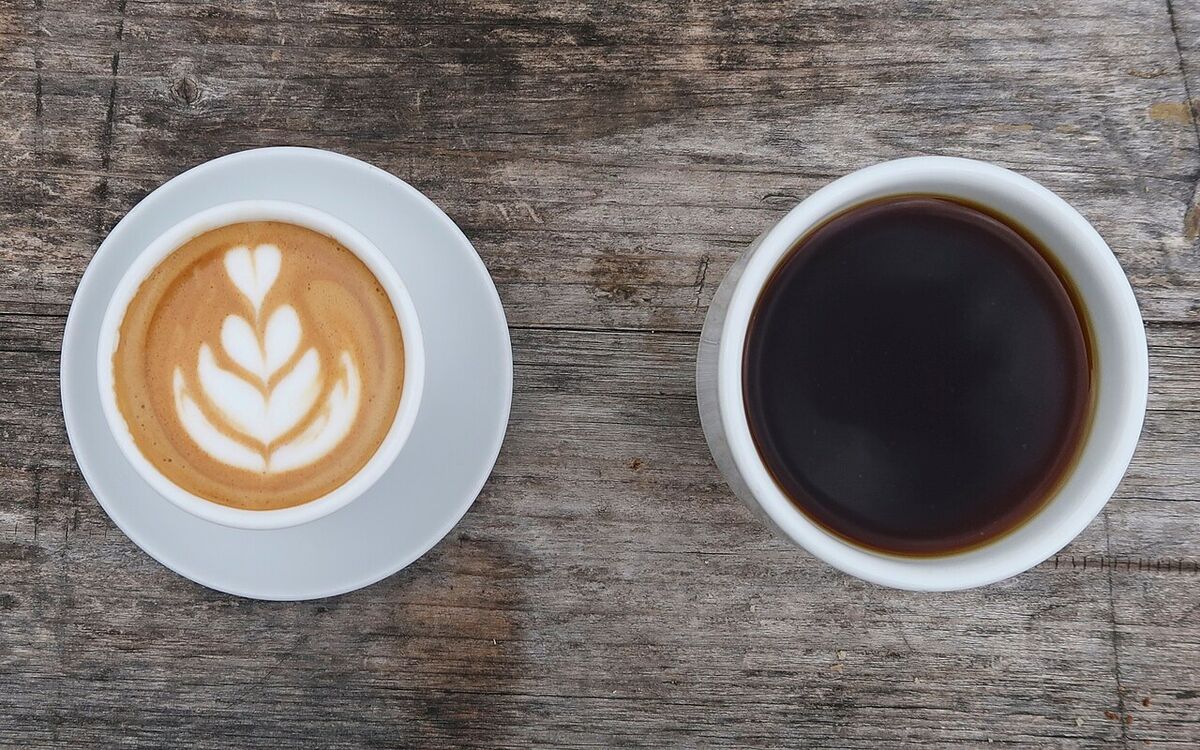
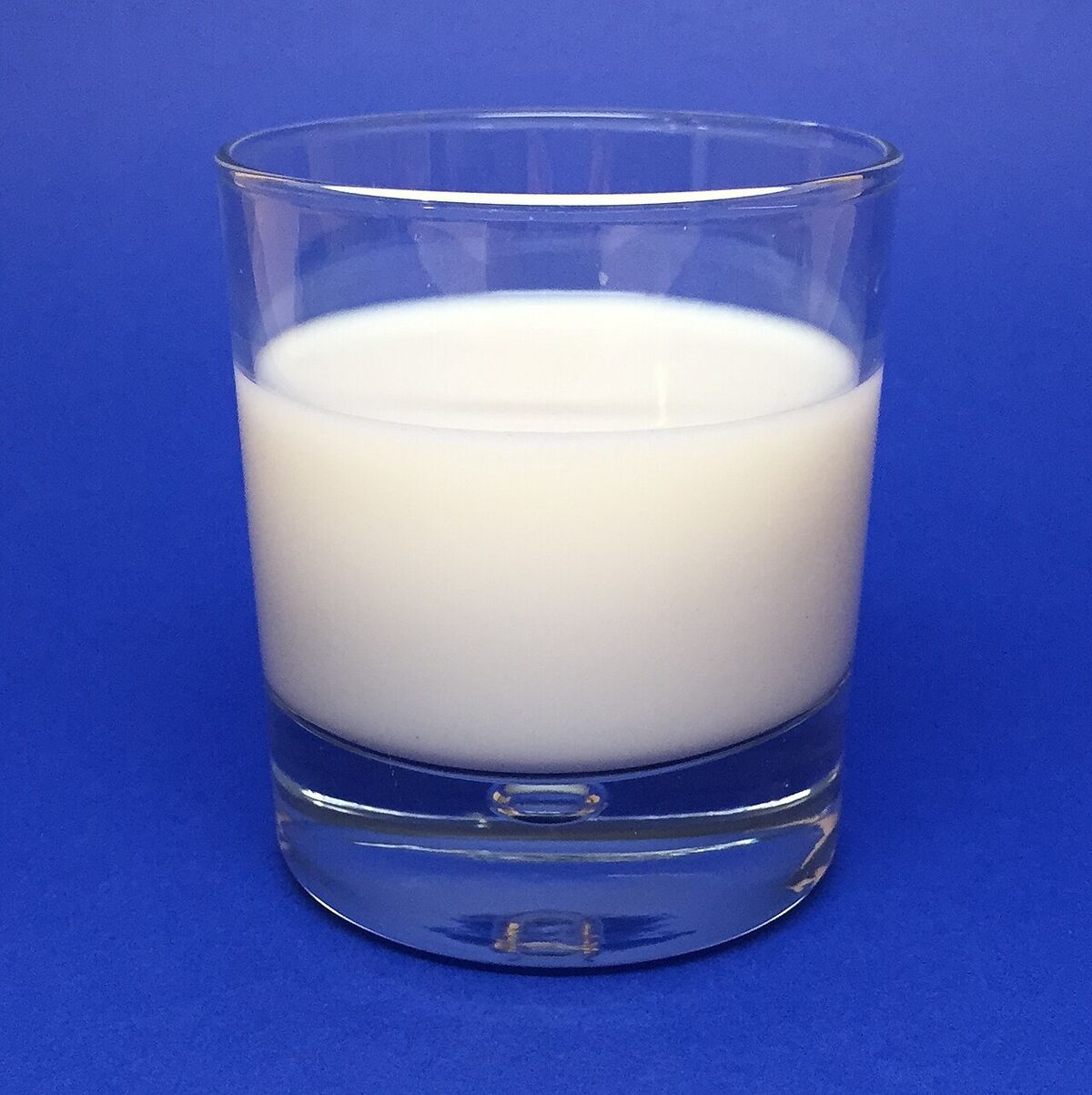
Animal-free milk can taste remarkably close to cow's milk. In a bowl of cereal, it can look exactly like 2% cow's milk, with the same opacity and pouring consistency.
The flavor can come across not as "milk-like" or "a good alternative," but simply as milk. It can carry the subtle sweetness and creamy mouthfeel that oat milk misses, to the point where a blindfolded taster might not guess it was made in a bioreactor.
Does Precision Fermentation Cheese Melt and Stretch?
Precision fermentation cheese can melt and stretch like traditional cheese, because it contains casein. Casein is the protein responsible for that perfect, stretchy pull on a hot slice of pizza, and plant-based cheeses have not been able to replicate it.
Precision fermentation mozzarella on a homemade pizza can bubble and brown like traditional mozzarella. The taste can be rich, salty and very stretchy, without the slightly plasticky aftertaste that plagues many vegan cheeses. For anyone who has given up on dairy-free pizza, that is the real test.
Why Does Precision Fermentation Dairy Matter?
Precision fermentation dairy matters because its environmental implications go far beyond taste.
- Dramatically Lower Emissions: Producing these proteins in a fermentation tank generates a fraction of the greenhouse gases compared to traditional dairy farming.
- Water and Land Efficiency: It uses significantly less water and requires almost no land, freeing up agricultural space.
- Lactose and Cholesterol Free: Because companies build the milk from scratch, they can leave out lactose and cholesterol. The milk can contain real dairy protein with zero lactose and zero cholesterol.
Is Precision Fermentation Dairy Worth Trying?
Precision fermentation dairy is worth trying if taste or texture has kept you away from dairy alternatives. The products are still slightly more expensive than traditional dairy, but the prices are dropping fast as production scales up.
In my view, Precision Fermentation is the breakthrough that dairy alternatives have been waiting for. It aims to offer the experience of eating real dairy without the environmental or ethical baggage of cow's milk.