Machine Customers: When AI Starts Shopping for You
- Business & Marketing, AI & Data
- Exienent
- · Updated
A Machine Customer (often called a "Custobot") is an AI agent or connected device that makes purchasing decisions and completes transactions for a person or business. In 2026 they have gone mainstream, and they are forcing sellers to compete on measurable value and clean data rather than branding.
Picture a smart pantry system that tracks how fast a household drinks coffee, cross-references current market prices, notices a price hike on the usual brand, and autonomously switches the subscription to a highly-rated alternative—without anyone opening the app or approving that specific transaction.
We spend so much time talking about how businesses use AI to sell to us, but the flip side gets overlooked: what happens when we use AI to buy from them? This shift is upending the e-commerce landscape, and honestly, I think it's one of the most fascinating behavioral shifts in commerce right now.
What Exactly Is a Machine Customer?
A Machine Customer is a non-human economic actor—an AI agent or IoT device—with the authority to make purchasing decisions and execute transactions on behalf of a human owner or a business. It isn't a physical robot walking down the aisle at a grocery store.
According to Gartner's predictions a few years ago, this was supposed to be a slow evolution. But the rapid advancement of Agentic AI has accelerated the timeline. Today, millions of smart devices are acting as independent buyers.
What Are the Three Types of Machine Customers?
Machine customers fall into three distinct phases:
- The Bound Buyer: This is the most common right now. A smart printer that orders its own ink when it runs low is the classic example. It has strict rules: buy this specific cartridge, from this specific vendor, using this specific saved credit card. It's automated, but not intelligent.
- The Adaptable Agent: This is where things get interesting (like the coffee scenario above). You give the AI an overarching goal (e.g., "Keep the house stocked with these 20 essential groceries, but keep the weekly budget under $100"). The AI then scours the internet, compares prices across different retailers, uses digital coupons, and places the orders autonomously to meet that goal.
- The Autonomous Executive: We are just starting to see this in the enterprise space. A manufacturing AI doesn't just reorder raw materials; it predicts a supply chain shortage based on global news, negotiates bulk discount contracts with new suppliers, and reroutes logistics—all without human intervention.
How Are Custobots Changing Traditional Marketing?
Custobots break traditional marketing because they ignore the emotional cues it depends on. If you are a marketer in 2026, you are probably terrified. And you should be.
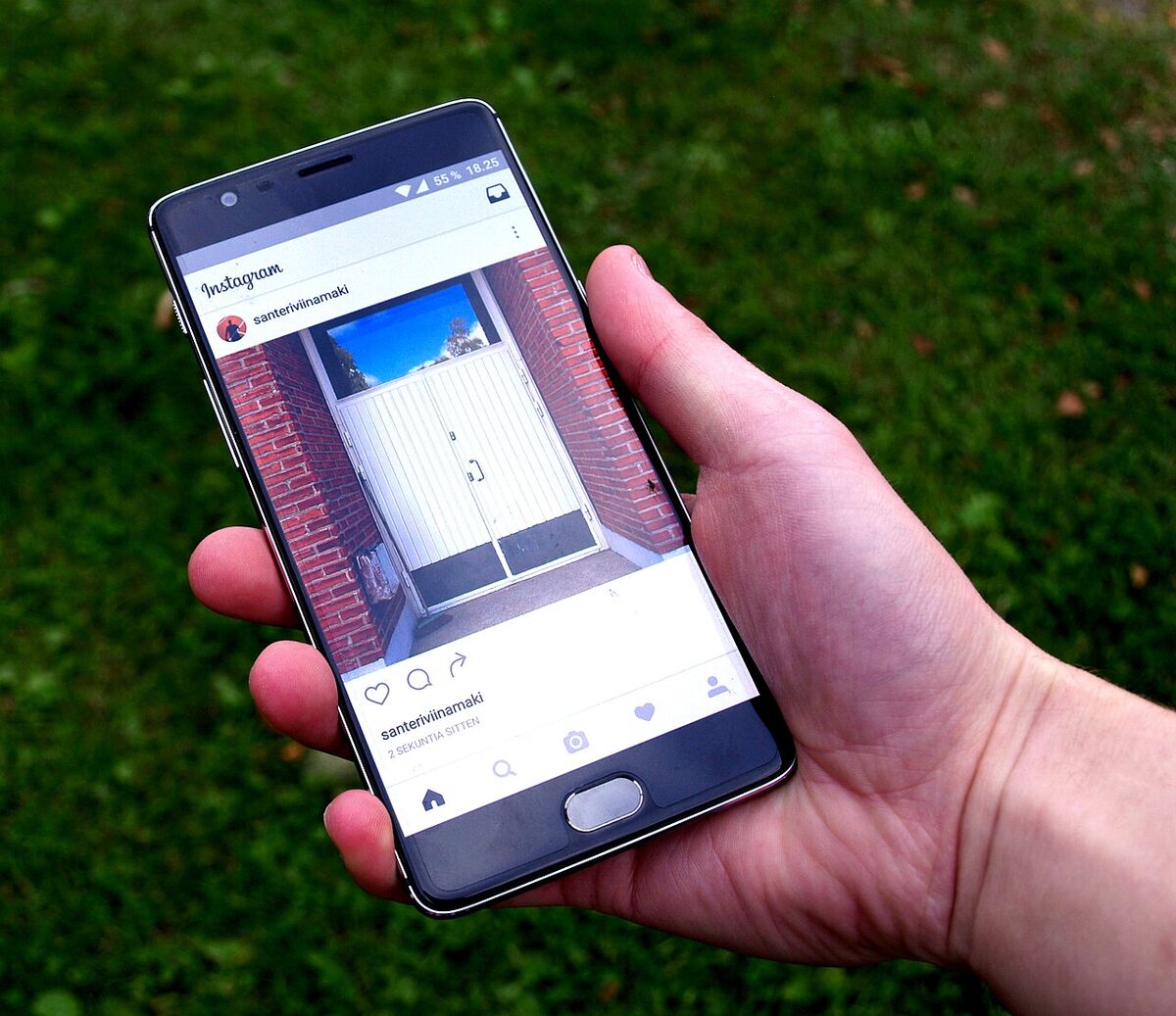
Traditional marketing relies heavily on human emotion. We buy things because a flashy Instagram ad made us feel a certain way, or because the packaging looks premium, or because of a catchy jingle.
Machine Customers do not have emotions. They do not care about your branding.
An AI pantry agent shopping for new coffee doesn't look at the beautiful lifestyle photos on the roaster's website. It looks at the raw API data: the price per ounce, the verified customer review aggregate score, the shipping latency, and the ingredient transparency metadata.
This means businesses are having to create entirely new sales channels optimized not for human eyeballs, but for machine algorithms. We are seeing the rise of B2MC (Business-to-Machine-Customer) platforms. If an e-commerce site doesn't have a clean, easily parsable API for a buyer's AI agent to read, it literally doesn't exist in that buyer's purchasing ecosystem.
Can You Trust an AI With Your Wallet?
Trusting a machine with your wallet works best when its job is narrow and its limits are hard-coded. Giving a machine access to your money requires an immense amount of trust, and the transition hasn't been completely smooth.
Consider what can go wrong with a broad prompt like "Upgrade my home office setup." Without hard guardrails, a generic AI assistant could optimize for "premium upgrades" and return with multiple ergonomic chairs, an expensive ultra-wide monitor, and a commercial-grade espresso machine—ignoring the owner's actual budget entirely.
This is why the most successful Machine Customer platforms right now are hyper-specialized. I wouldn't trust a general AI to buy me a car yet, but a specialized "Fleet AI" that negotiates monthly utility bills and buys household consumables is a far easier call.
Will Humans Stop Shopping?
Humans won't stop shopping entirely; instead, shopping is splitting in two.
Utility shopping—buying toilet paper, detergent, standard groceries, and replacement parts—is the kind of chore that can be handed off to machines entirely.
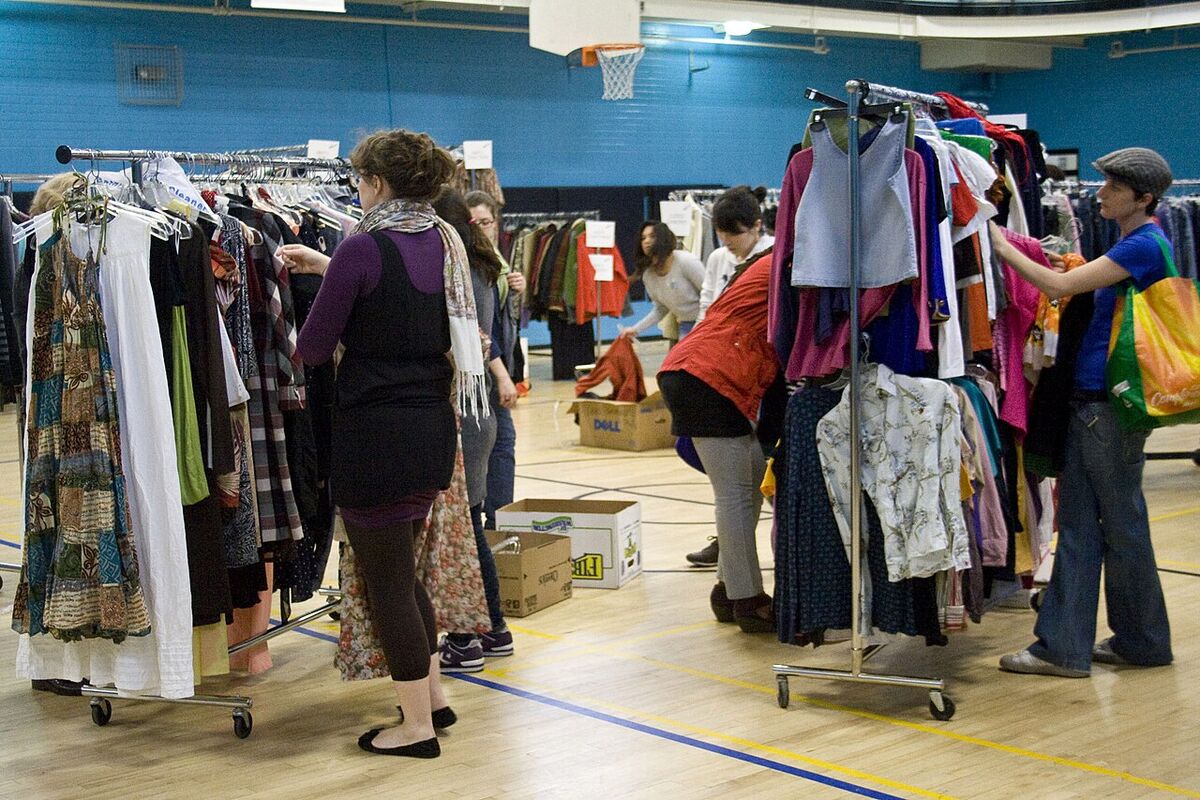
That can free up time and mental energy for Experiential shopping: going to a boutique to try on a well-crafted jacket, visiting a local bakery, or browsing a used bookstore.
Machine Customers are taking the friction and boredom out of consumption, forcing brands to compete purely on measurable value and API efficiency for the boring stuff, while elevating the physical retail experience for the things we actually care about. It's a wild new world of commerce, and we are just getting started.