Moving Beyond ChatGPT: What Domain-Specific Language Models (DSLMs) Offer in 2026
- AI & Data, Business & Marketing
- Exienent
- · Updated
A Domain-Specific Language Model (DSLM) is an AI model trained deeply on one industry's or one organization's data instead of the whole internet. For specialized work like regulatory compliance, a DSLM can understand internal jargon, hallucinate less, run faster and cheaper than a generic LLM, and be deployed on-premise. The catch is that it needs a large amount of clean, proprietary data to build.
Where Do Generic LLMs Fall Short?
Generic LLMs fall short when the work demands true expertise. Picture a team that habitually opens a generic Large Language Model (LLM) to summarize complex regulatory compliance reports or draft the initial terms for new financial products. At first, it is incredibly satisfying. Watching it effortlessly spit out plausible sentences feels like magic.
But as the depth of the work increases, fatal flaws can emerge. Generic AI models can fluently recite the vast, generalized knowledge scattered across the internet. However, they lack a deep understanding of a company’s unique internal policies, newly revised financial regulatory bylaws such as those of 2026, and the highly nuanced jargon an industry builds up over decades. The result can be a cycle of "AI babysitting," where humans have to heavily rewrite the drafts the AI produces.
This is the gap that research firms like Gartner have pointed to in highlighting Domain-Specific Language Models (DSLMs) as a top strategic technology trend for 2026.
What Exactly Is a Domain-Specific Language Model (DSLM)?
A DSLM is a model trained narrowly and deeply on a specific field. Here is a simple analogy: if a traditional, massive generic LLM is a brilliant, straight-A college freshman who knows a little bit about everything, a DSLM is the grizzled, 20-year industry veteran who has seen it all in one highly specific field.
A DSLM doesn't waste its computing power trying to learn every random piece of trivia in the world. Instead, it is trained deeply and narrowly on the data of a specific industry (e.g., finance, healthcare, law, semiconductor manufacturing) or a specific organization's proprietary knowledge base.
- Stronger Contextual Understanding: Given terms like "capital adequacy" or "network segmentation deregulation," a finance-specific DSLM can go beyond a Wikipedia definition and provide risk analyses tied to a company's current infrastructure situation.
- Fewer Hallucinations: The plausible lies and made-up facts that generic models produce when they don't know an answer can drop sharply in a DSLM environment. When it doesn't know, it can say so—or cite the relevant clause from an internal compliance handbook.
What Are the Real Benefits of a DSLM?
The benefits show up in everyday workflows, where a DSLM can do things generic AI struggles with.
1. No More "Teaching the Dictionary"
With a generic model, every prompt can require an exhaustive preamble: "In our company, 'Project A' means this, and 'Regulation B' means that." (Just crafting the prompt takes forever.) A DSLM already speaks the industry's language like a native, so short, direct instructions can be understood on the first try.
2. Smaller Footprints, Faster Speeds
Generic LLMs boast hundreds of billions of parameters, making them notoriously expensive to run. DSLMs, because their purpose is so strictly defined, can achieve expert-level performance with a fraction of the model size. Because the model is smaller, response generation is faster, and from a corporate perspective, cloud API costs and internal compute overhead can come down substantially.
3. Easing the Security and Compliance Nightmare
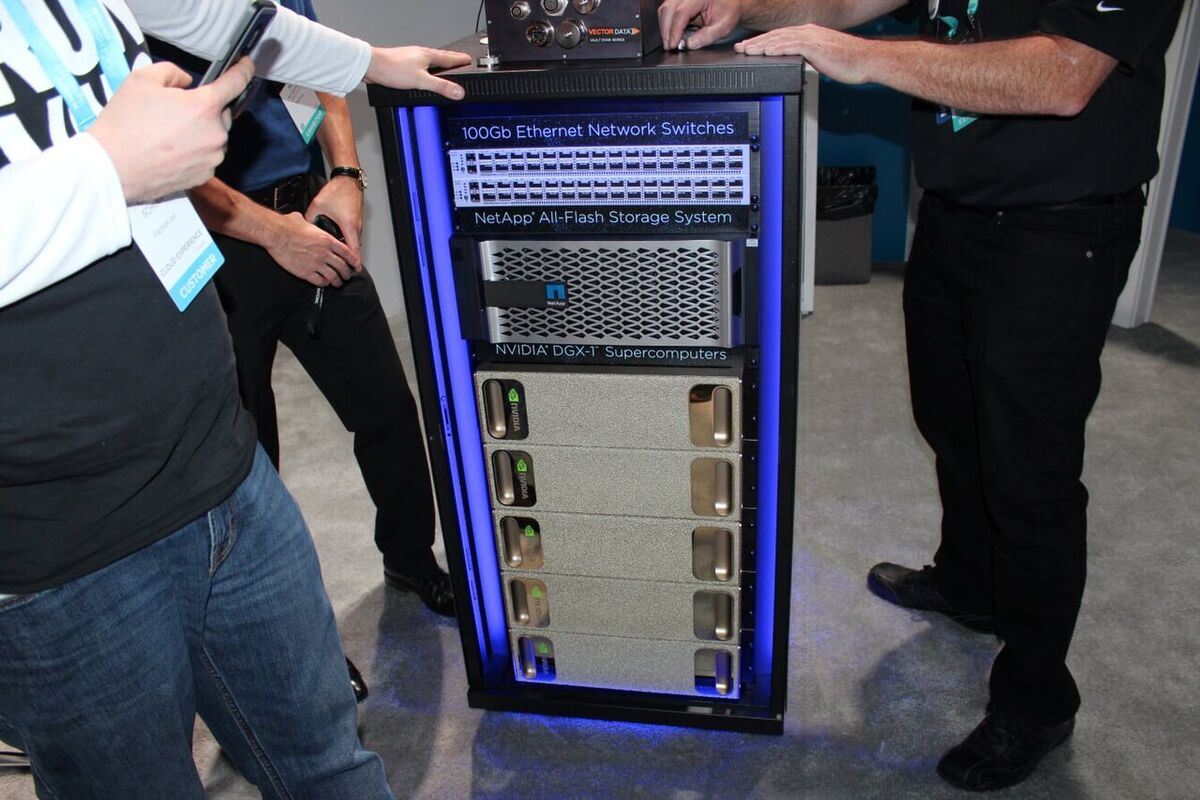
Security is arguably the most sensitive issue for enterprises. Sending customer data or highly confidential company secrets through a public cloud to a generic AI model is a massive compliance risk. Because a DSLM is compact, it can be deployed directly on a company's own secure, on-premise infrastructure, giving it a tightly controlled AI assistant whose data stays inside the organization.
Should Every Company Build a DSLM Right Now?
Not every company should, at least not yet. Building or fine-tuning a truly useful DSLM requires an enormous amount of clean, highly refined, proprietary data upfront. The rule of "Garbage in, Garbage out" applies far more brutally to DSLMs than to anything else.
But if you are a legal team reviewing dozens of specialized contracts daily, researchers dealing with complex drug discovery data, or a department operating under strict regulatory scrutiny, you no longer need to settle for the generic answers of a general-purpose AI.
In 2026, the core of enterprise AI is shifting. It’s no longer about "who uses the smartest general AI," but rather "who has the customized AI that most deeply understands their specific business." If you've been frustrated by AI giving you out-of-context answers, I think it is time to look into DSLMs—the small, sharp tool your team may actually need.