Quitting Coffee for Matcha: What Can Change for Your Energy and Productivity
- Lifestyle, Health
- Exienent
- · Updated
Switching from coffee to matcha can give you a calmer, steadier kind of energy. Matcha contains about half the caffeine of a standard cup of coffee, along with an amino acid called L-Theanine that may smooth out caffeine's effects—but the first days of the switch can be rough, and matcha is pricier and fussier than coffee.
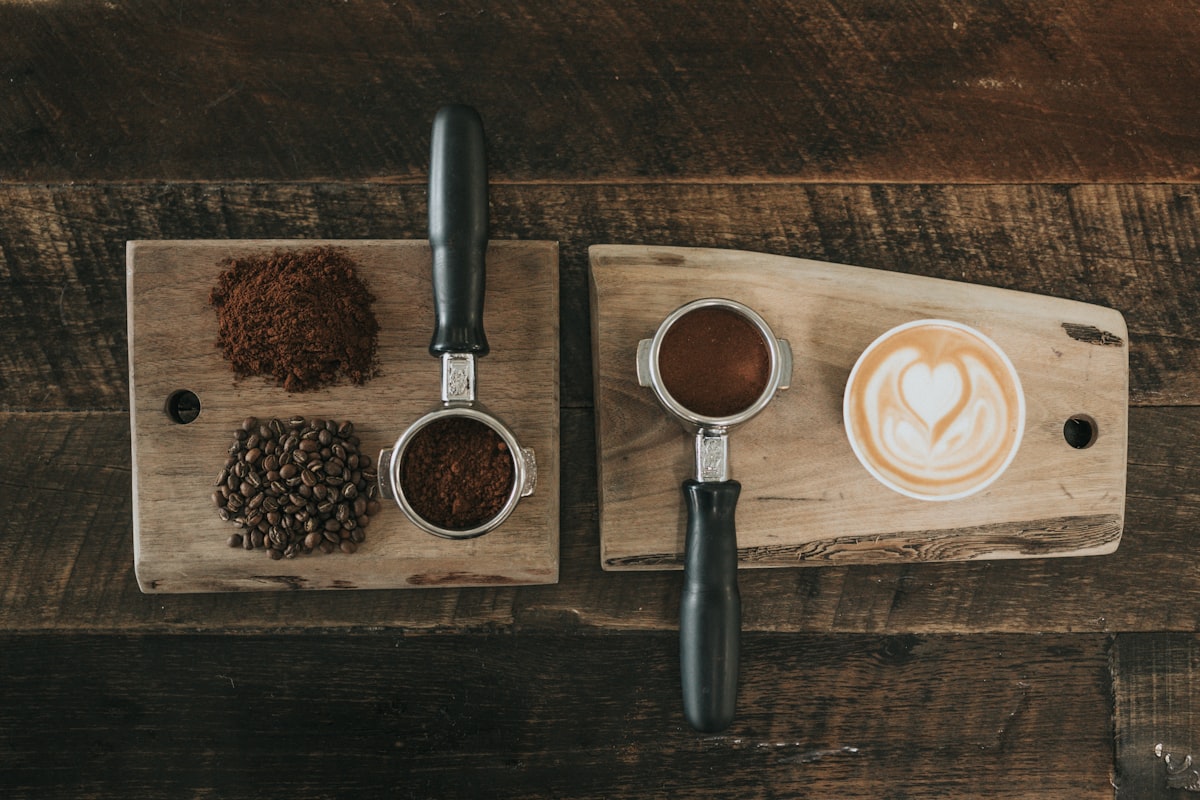
For dedicated coffee lovers—the kind who weigh beans every morning, obsess over extraction times, and believe a strong cup of dark roast is the only way to kickstart the brain—giving it up sounds unthinkable. Yet a daily coffee habit can turn on you. Some people find that heavy coffee intake leaves them with a wave of afternoon fatigue that makes focusing on a screen hard, or with jitters and a racing heart during perfectly normal meetings.
Going cold turkey on caffeine while keeping up a full workload can feel impossible, which is why switching entirely to Matcha is an appealing middle path. Here is a breakdown of what can happen to your body, your mind, and your productivity when you make that switch.
What Happens in the First Week After Switching to Matcha?
The first week can be the hardest part of the switch.
Even though matcha contains caffeine (about half the amount of a standard cup of coffee), a body used to the sudden spike that coffee provides may miss it. Without that aggressive morning jolt, you may feel sluggish and unmotivated, and some people get a dull caffeine-withdrawal headache for a few days.
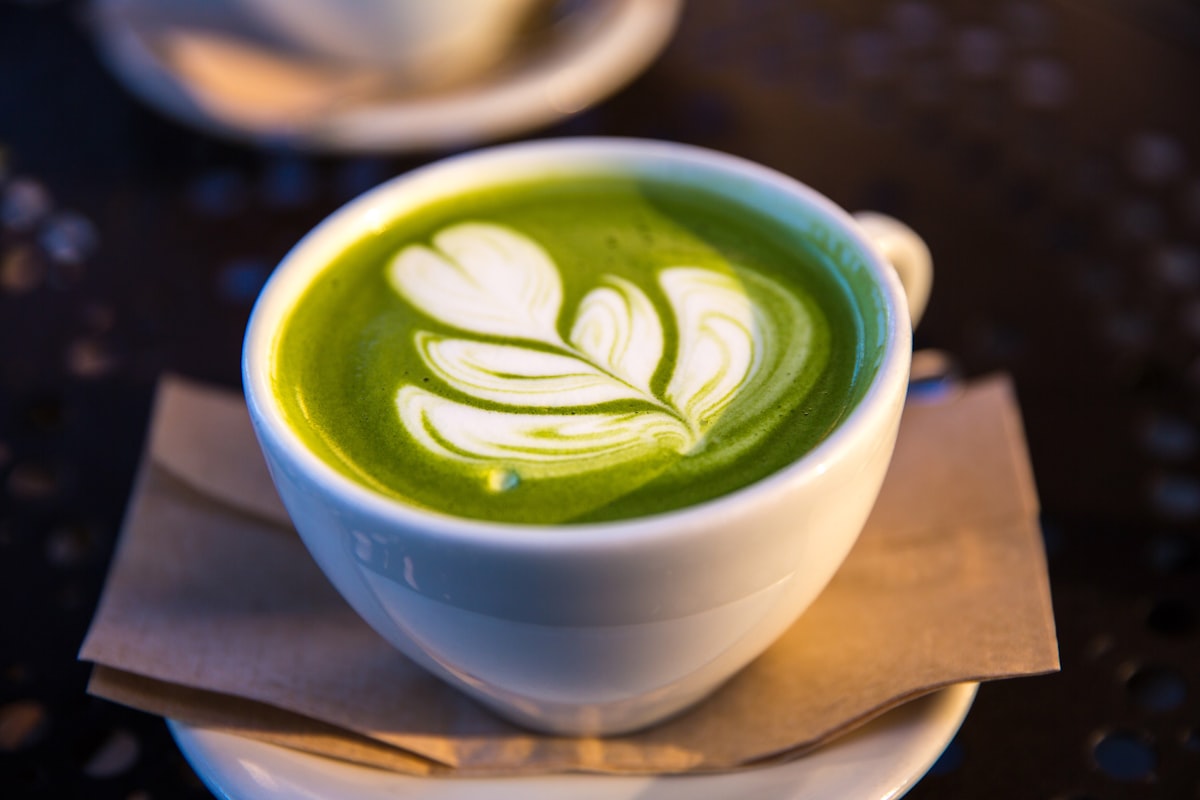
Making the matcha itself can also feel like a chore compared to pressing a button on a coffee machine. Measuring the fine green powder, whisking it into a paste, and then frothing the milk can feel tedious, and you may miss the smell of roasted beans filling the kitchen. This early stretch is where the temptation to give up is strongest.
How Does Matcha Energy Feel Different From Coffee?
Matcha energy tends to feel smoother and more sustained than the rush from coffee, once the adjustment period passes.
When you drink coffee, the caffeine hits your bloodstream almost immediately. It's like strapping a rocket to your brain. Matcha, however, contains L-Theanine. This compound is described as acting like a gatekeeper, releasing the caffeine into your system gradually over several hours rather than all at once.
The result can be a calm, steady alertness rather than feeling "wired" or bouncing off the walls. Instead of jitters before important meetings, you may notice a more even mood, and long stretches of focused work—coding, writing—can feel easier without the urge to pace around the room.
Does Matcha Help With the Afternoon Crash?
Matcha may reduce the afternoon crash for some people, because its energy tapers off more gently.
With coffee, mid-afternoon can become a danger zone: you hit a wall, reach for a second or third cup, and that late caffeine then disrupts your sleep that night. It's a vicious cycle.
With matcha, the energy can taper off gently throughout the day, so the sudden drop in cognitive function may be less noticeable. You may be able to work through afternoon tasks with focus closer to what you had in the morning. And if you are no longer drinking caffeine late in the day to survive, your sleep may benefit too. If you have persistent anxiety, heart palpitations, or sleep problems, though, talk to a doctor rather than relying on a drink swap.
What Are the Downsides of Matcha?
Matcha is not a magic cure-all, and there are a few realities to know before you throw out your coffee maker.
1. It Can Be Expensive: High-quality, ceremonial-grade matcha (the kind you actually want to drink with water or milk, not the culinary grade used for baking) is pricey. A small tin that lasts a month can easily cost $30 to $50.
2. It's Hard to Get Right at Cafes: Finding a good matcha latte at a random coffee shop is like playing roulette. You can end up with a clump of bitter, poorly whisked powder mixed with way too much sugary syrup. Making it at home is usually better, which means you lose that convenience factor.
3. The Taste isn't for Everyone: It tastes like earth. Grassy, earthy, and sometimes slightly bitter. If you are deeply attached to the rich, chocolatey, roasted flavor profile of coffee, matcha is going to be a tough adjustment.
Should You Switch From Coffee to Matcha?
Matcha is worth trying if coffee leaves you jittery or crashing, as long as you accept what you give up.
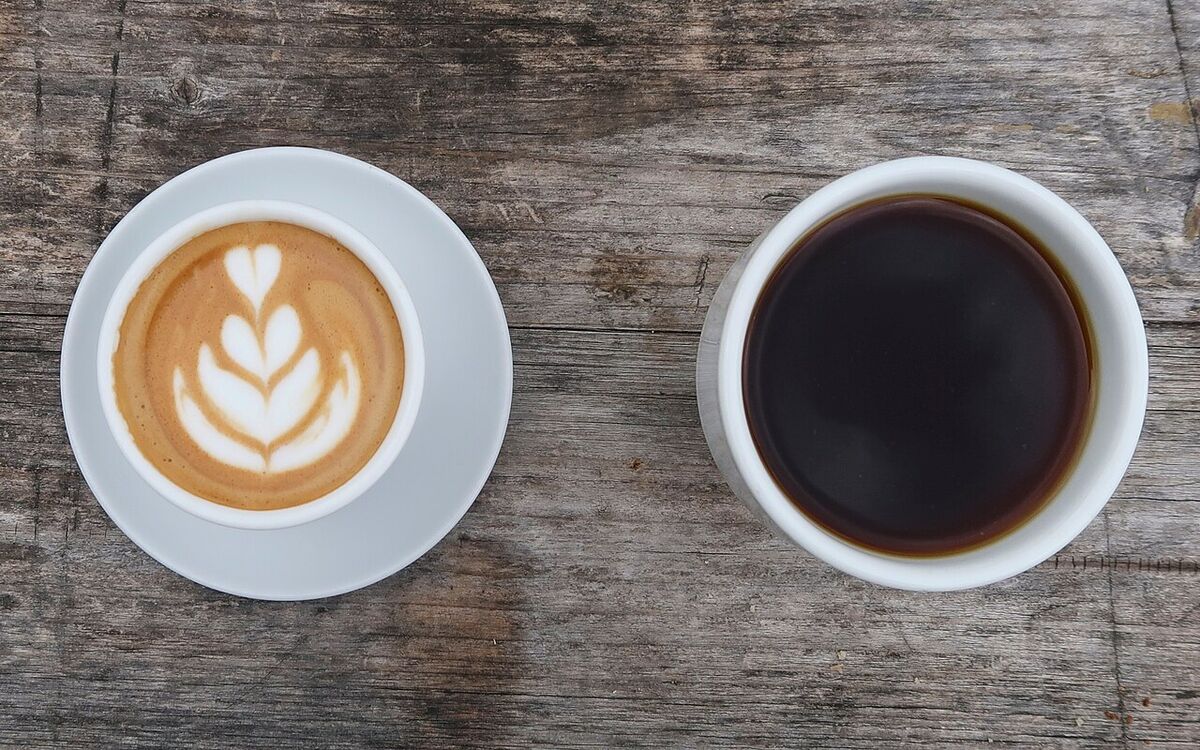
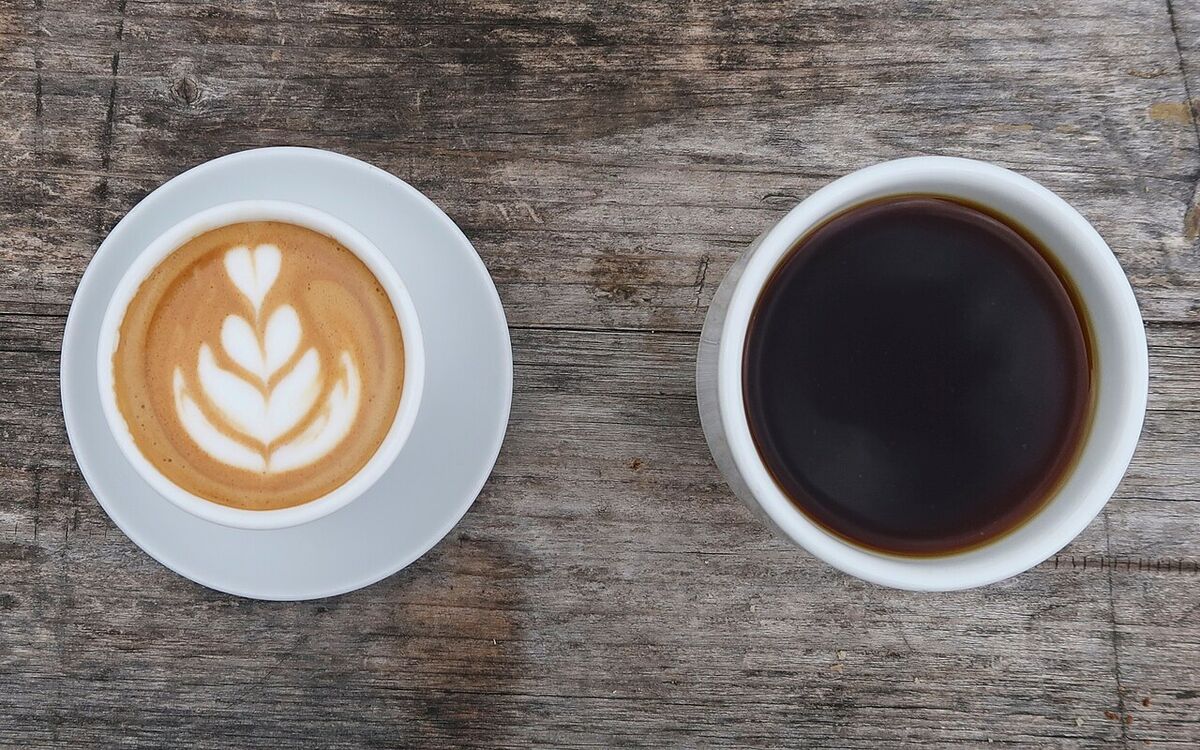
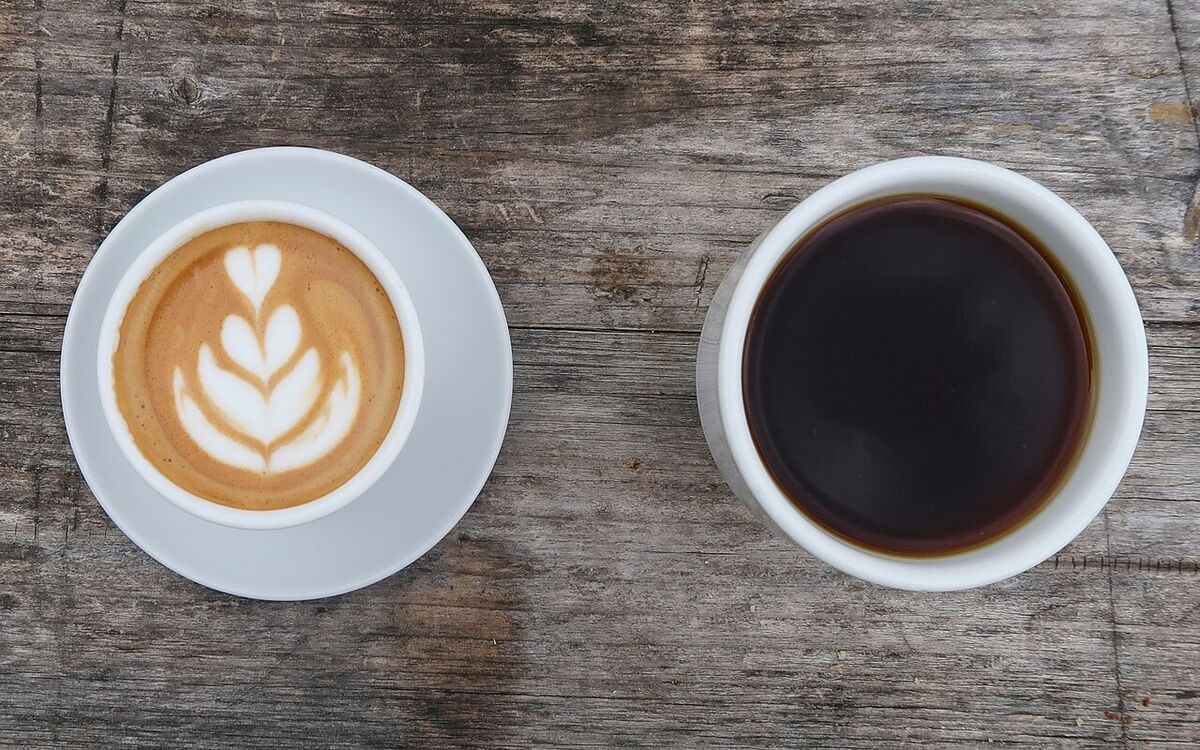
You will likely miss some things about coffee: the aroma, the aesthetic of a dark espresso shot, and that aggressive jolt on a particularly slow morning. For some people, those are reasons to keep coffee as an occasional treat rather than a daily habit.
In my view, the potential for calmer, sustained focus and fewer afternoon crashes is a strong reason to give matcha a fair trial. If you are feeling burnt out or trapped in the cycle of afternoon crashes, try switching for a few weeks. Expect the first week to be the hardest—the calm on the other side may be worth it.