Why Ditch Your iPhone Camera for a 30-Year-Old Analog Film Setup?
- Lifestyle
- Exienent
- · Updated
A 30-year-old analog film camera offers something a 2026 smartphone can't: photos that feel like yours. Film limits you to 36 expensive shots per roll, keeps its grain and flaws, and has no screen to check, so it forces intention and keeps you in the moment. For anyone suffering from Computational Photography Fatigue, that friction is the point.
What Is Computational Photography Fatigue?
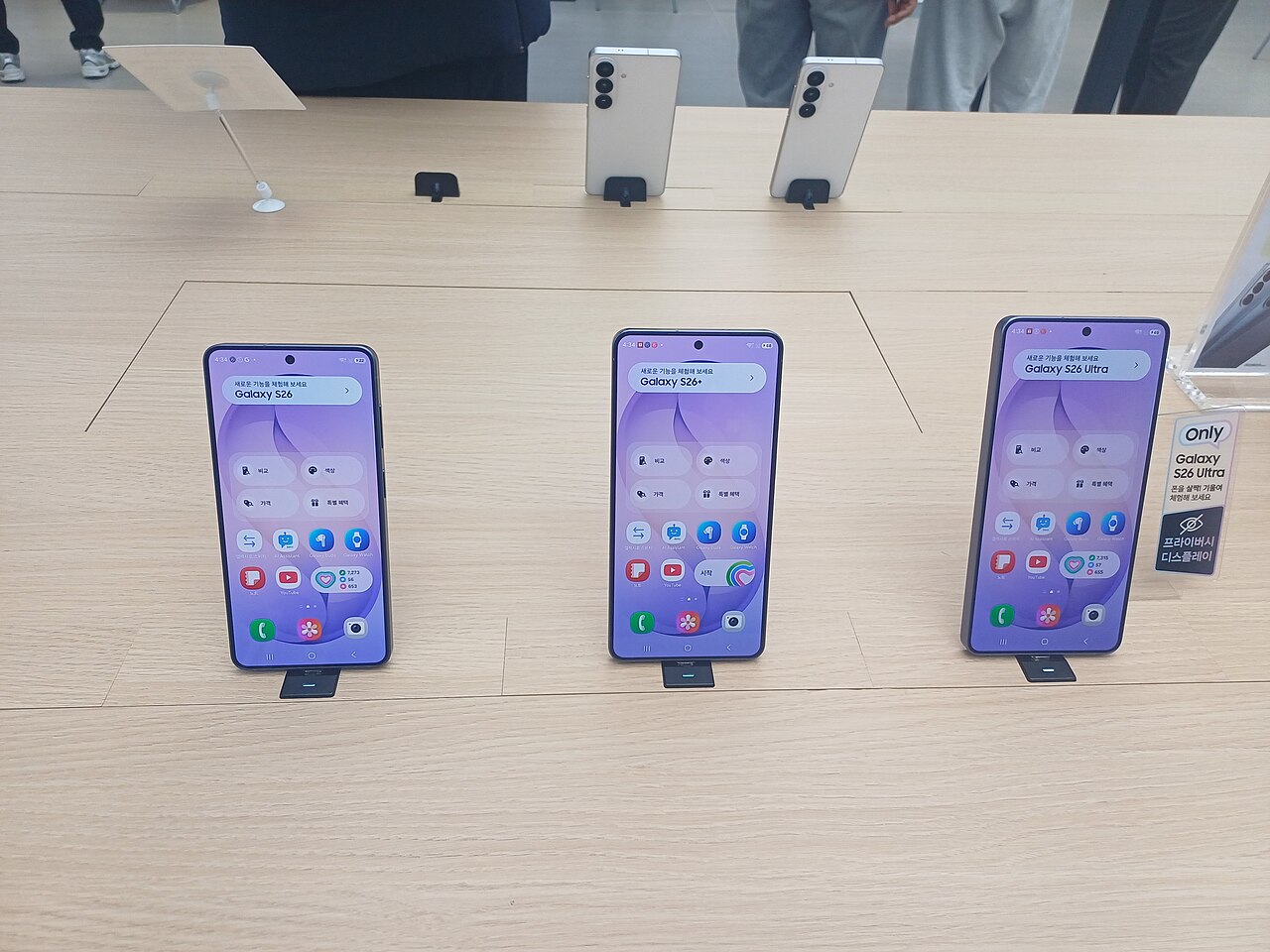
Computational Photography Fatigue is the strange emptiness of looking at a technically perfect phone photo that doesn't feel like your own. Picture standing at the edge of a cliff in Yosemite, watching a breathtaking sunset. You pull out a top-tier 2026 smartphone, point it at the horizon, and press a button. Instantly, the phone's internal Neural Processing Unit (NPU) captures multiple exposures, stitches them together, artificially brightens the shadows, color-corrects the sky, and magically erases a tourist in the background.
The resulting photo is objectively perfect. It looks like it belongs on a billboard. And yet, it can leave you feeling nothing. It doesn't feel like your photo; it feels like a render generated by a computer that happened to be standing where you were.
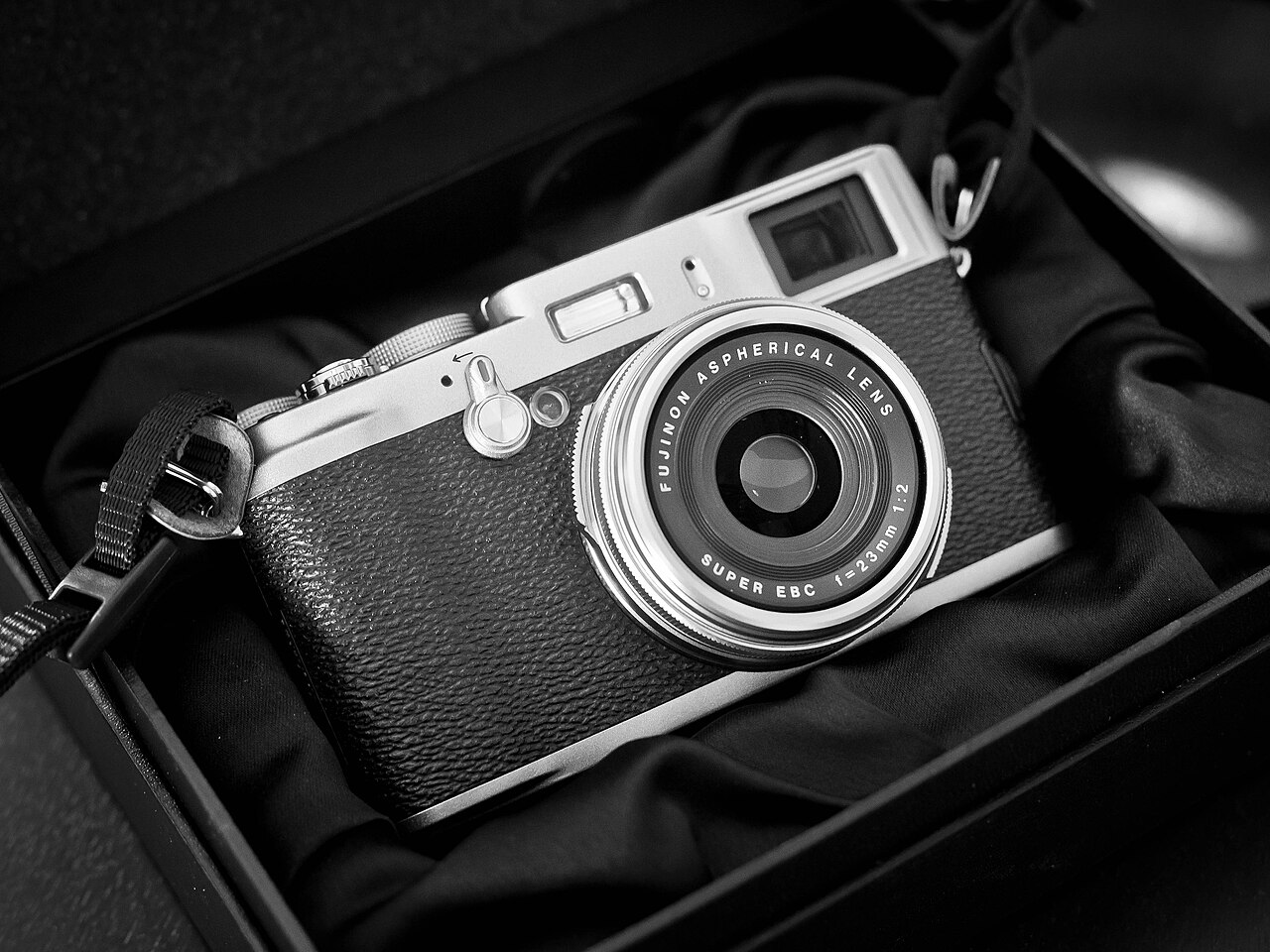
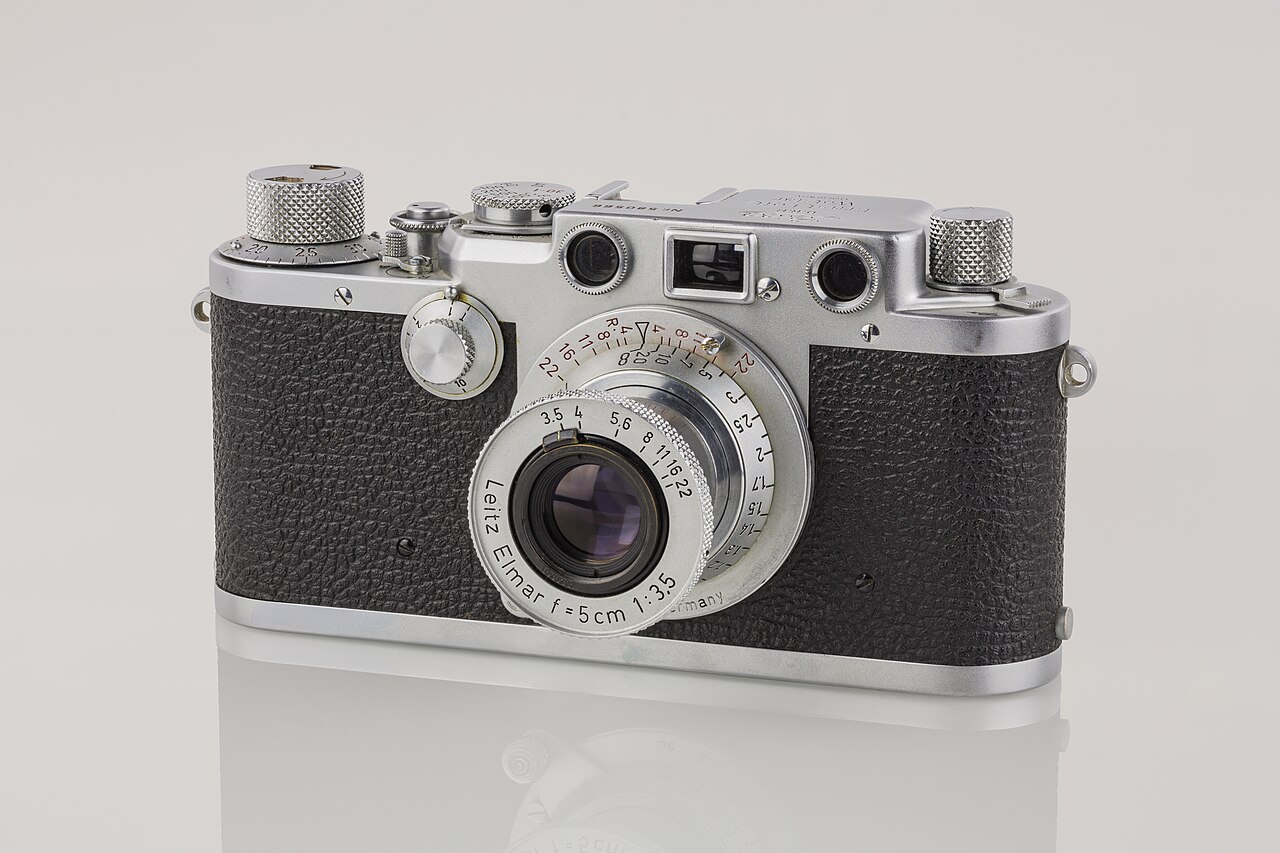
The fix doesn't have to be new technology. A dusty, 30-year-old 35mm film camera pulled out of a parent's attic can completely change how you capture memories. Here is why carrying a clunky, heavy, and expensive analog camera can be the ultimate lifestyle hack in 2026.
Why Does Shooting Film Make You More Intentional?
Film makes every frame cost something, so you stop shooting on reflex. When you shoot on a smartphone, you are shooting with a safety net made of infinite storage. If you take a bad photo, you just take another one. And another. You end up with dozens of identical burst-shots of your dog yawning, none of which you will ever look at again.
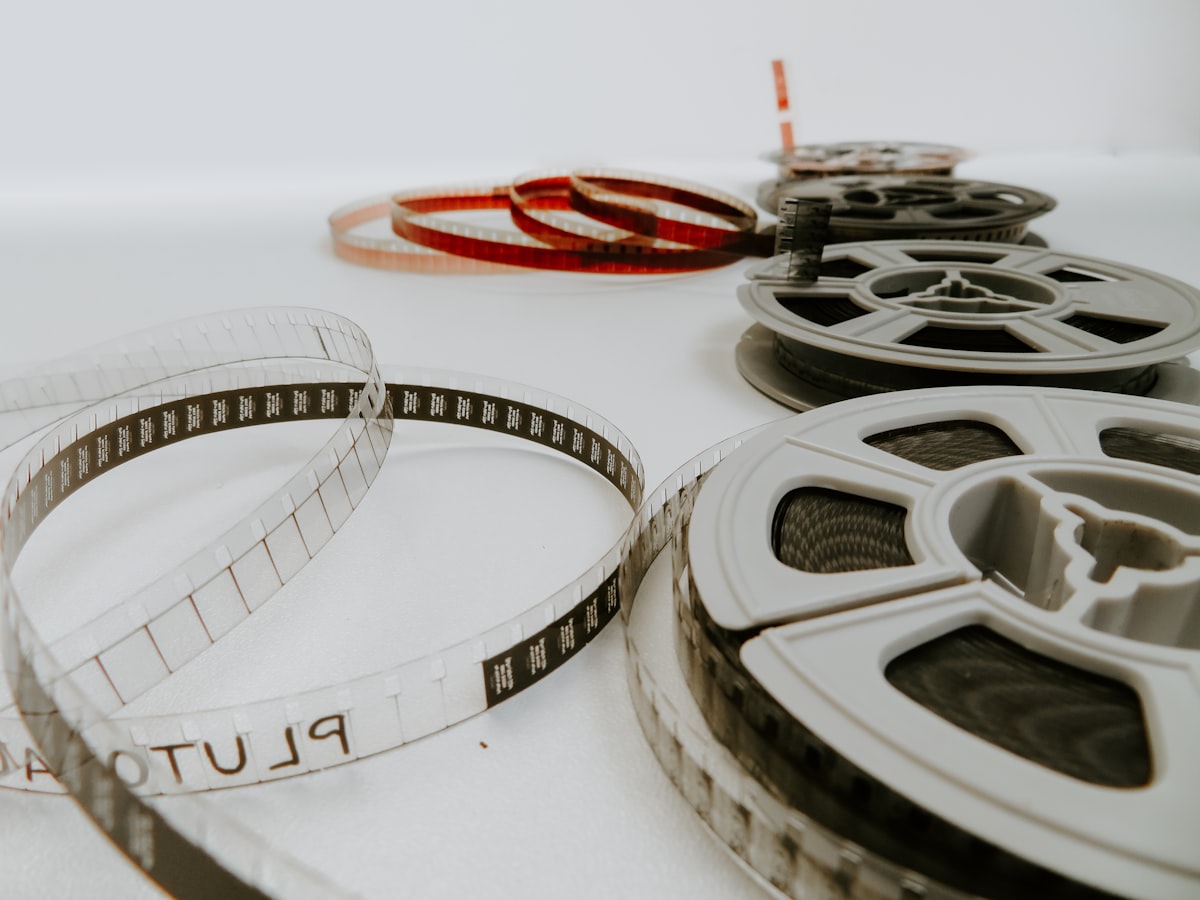
Film is entirely different. A roll of 35mm film only gives you 36 shots. And in 2026, buying and developing that film is shockingly expensive. Every time you press the shutter, it literally costs you money.
This creates a beautiful constraint. It forces you to be incredibly intentional.
Before taking a picture, you have to stop and ask: Is this moment actually worth remembering? You have to manually meter the light, manually turn the focus ring until the image is sharp, and physically commit to the shot. The process of taking the photo becomes an experience in itself, rather than a mindless reflex.
Why Do Film's Flaws Matter in an AI-Perfect World?
Film's flaws matter because imperfection proves a human was involved. We live in an era where AI can generate photorealistic images of anything in seconds. Everything on our feeds is aggressively smoothed, upscaled, and filtered. Digital perfection has become cheap and boring.
Analog film is the antithesis of this. It is messy. It has grain. If you mess up the exposure, the shadows get crushed. Sometimes the film gets scratched, or light leaks into the camera body, creating bizarre orange streaks across your images.
But those flaws are exactly what make the photos valuable. Imperfection proves human involvement. When the scans come back from the lab, a slightly out-of-focus candid shot of friends laughing doesn't look like a mistake; it looks like a memory. It carries an emotional weight that an algorithmically perfected HDR smartphone image simply cannot replicate.
How Is a Film Camera a Digital Detox Tool?
A film camera is a digital detox tool because there is nothing to check after you press the shutter.
With a smartphone, the moment you take a photo, you immediately look down at the screen to check it. Then, you probably open an app to edit it. Then, you open another app to post it. Within seconds, you have been sucked back into the digital vortex, completely ignoring the real world in front of you.
With an analog camera, there is no screen on the back.
You hear the satisfying mechanical clack of the shutter, you wind the film advance lever, and that's it. You cannot look at the result. You are forced to put the camera down and immediately return to the present moment. You won't see the photo until the lab finally emails you the scans, and that delayed gratification can feel like receiving a time capsule from your past self.
Should You Replace Your Smartphone Camera?
Not entirely. Nobody needs to throw their smartphone into a river. The convenience of digital cameras is undeniable for practical tasks like scanning documents or taking quick notes. But for capturing the moments that actually matter, I think the slow, expensive, beautiful process of burning light onto physical film is worth it. If you've been feeling burnt out by the endless scroll of perfect AI images, try picking up a cheap point-and-shoot film camera. It might just change how you see the world.