Is Ditching Capsule Coffee for a Real Espresso Machine Worth It?
- Technology, Lifestyle
- Exienent
- · Updated
Upgrading from a capsule coffee maker to a semi-automatic espresso machine with a dedicated burr grinder is worth it if you care about flavor and milk drinks and don't mind a short manual routine each morning. The taste and texture gap is large, and the per-cup cost can drop well below a cafe's, but the upfront price and the learning curve are real.
Why Do People Switch Away from Capsule Coffee?
Capsule machines win on convenience: press a button and coffee appears. The trade-off is flavor. Pod coffee can taste somewhat flat and muddy, and it can't match the heavy, rich espresso topped with thick, syrupy crema that a proper coffee shop pulls. A semi-automatic machine and grinder cost several hundred dollars, and the obvious worry is whether you will actually clean and use such a complicated setup every single morning. The sections below look at taste, workflow, and cost to answer that.
Is the Taste Difference Actually That Dramatic?
Yes, the difference is substantial, for three main reasons.
- Freshness is King: No matter how well a capsule is sealed, the coffee inside was ground and roasted months ago. With a semi-automatic setup, you can buy freshly roasted specialty beans from local roasters and grind them exactly when you need them. The nutty, vibrant aroma that fills the house when the coffee puck starts expanding is something a pod machine doesn't deliver.
- Ultimate Customization: For a heavy, punchy body, you can dial the grind a bit finer and tamp firmly. For brighter, fruitier acidity, you can shorten the extraction time. Dialing in a recipe that matches your exact palate is a big part of the appeal.
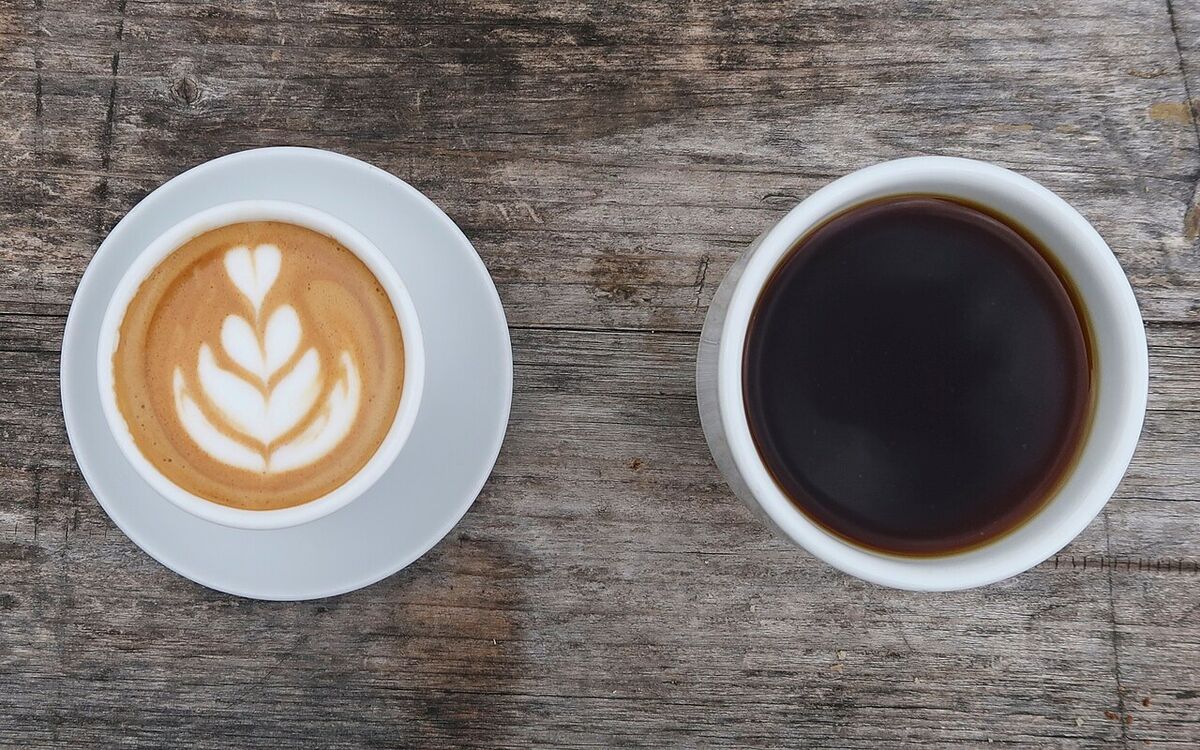
- The Microfoam Magic: For lattes or flat whites, a real steam wand matters. Unlike the frothy, bubbly result that standalone milk frothers produce, a steam wand lets you texture milk into silky, glossy microfoam, which raises home cafe quality dramatically.
How Much Hassle Is the Daily Workflow?
The workflow is the biggest barrier to entry for semi-automatic machines, and the first weeks can be frustrating. Once the steps become familiar, though, the process can turn into a calm morning routine rather than a chore.
- The Warm-up: Switch the machine on first thing. By the time you have washed your face, the boiler can be fully heated.
- Weighing and Grinding: Weigh out 18 grams of beans and grind them. The whirring sound doubles as an alarm clock.
- Prep and Tamping: Distribute the fluffy grounds evenly in the portafilter and press down with the tamper. Getting the puck perfectly level has a satisfying tactile feel.
- Extraction and Clean-up: After pulling the shot, knock the puck into the bin, give the group head a quick wipe, and you are done.
Once muscle memory sets in, the whole routine can take around 3 to 5 minutes, which is manageable even on busy weekday mornings.
Does a Home Espresso Machine Save Money?
It can, depending on your current habits. Given the steep upfront cost, it is reasonable to ask whether buying coffee out is simply cheaper. Here is an example calculation:
- The Initial Investment: An entry-level espresso machine, a solid grinder, and essential accessories (tamper, scale, etc.) at around $800 total.
- Ongoing Bean Costs: A 500g bag of specialty beans at about $25. At 18g per shot, that yields about 27 double shots, so the bean cost per cup is under $1.00.
- The Comparison: A $4.50 Americano or latte every morning adds up to about $135 a month, versus roughly $30 a month in beans at home.
Under those assumptions the difference is roughly $100 a month, so an $800 setup would pay for itself in about 8 months. Milk and occasional syrups add to the home cost, while switching away from 2-3 pods a day or from regular cafe brunches would widen the gap. Your own numbers will vary with what you drink and how often.
Who Should Stick with a Capsule Machine?
A semi-automatic espresso machine is not for everyone. If every second of your morning counts and you don't care much about tasting notes, a capsule machine is still the best tool for the job.
If, however, you consider one good cup of coffee a daily ritual and are willing to put in a little manual work for a much better result, the upgrade makes sense. In my view, watching thick, syrupy espresso slowly drip into the cup over about 30 seconds is a big part of what makes a home cafe rewarding.