Cloud Repatriation: Why Companies are Ditching AWS for Bare Metal in 2026
- Technology, Cloud Computing
- Exienent
- · Updated
Cloud repatriation is the move of workloads off hyperscale clouds like AWS and Azure and back to bare metal servers or colocation facilities. In 2026, companies are doing it mainly to cut costs: for steady, predictable workloads, owning hardware can be dramatically cheaper than renting cloud capacity.
Have you looked at your company's AWS or Azure bill lately and felt a sudden chill? You definitely aren't alone. For the past decade, the tech world had one simple mantra: move everything to the cloud. On-premises servers were seen as outdated relics, and public cloud providers like Amazon Web Services (AWS) were hailed as the undisputed future.
But things have changed dramatically in 2026. Companies—from nimble startups to massive enterprises—are quietly but steadily packing up their digital boxes and moving their workloads off the public cloud.
Below: why this is happening, the staggering amount of money companies are saving, and why "owning your hardware" is suddenly the smartest move a CTO can make.
Why Is the Public Cloud Getting So Expensive?
Public cloud bills grow because you pay a premium for flexibility on every metered resource, even when your workload never needs that flexibility.
When cloud computing first exploded, the pitch was incredibly appealing. You wouldn't need to buy expensive servers, you wouldn't need an army of IT staff to maintain them, and you could scale up instantly if your app went viral. And for a while, it worked beautifully.
However, as businesses grew, so did the reality of cloud economics.
- The "Cloud Tax" is Real: Cloud providers make their money on the margins. You are paying a premium for flexibility and convenience. For steady, predictable workloads, you are effectively renting an apartment at a luxury hotel rate. Every single gigabyte of data transfer, every compute cycle, and every storage read/write operation is metered and billed.
- Unpredictable Billing: It's a common horror story in tech circles: a tiny misconfiguration in an auto-scaling group or a runaway database query results in a surprise $50,000 bill at the end of the month. The complexity of cloud pricing makes it notoriously difficult to forecast budgets accurately.
- Vendor Lock-in: Once you build your entire infrastructure using proprietary tools (like AWS Lambda or DynamoDB), leaving that ecosystem becomes a monumental engineering challenge. You are locked into their pricing models, whether you like them or not.
What Is Bare Metal, and Why Is It Making a Comeback?
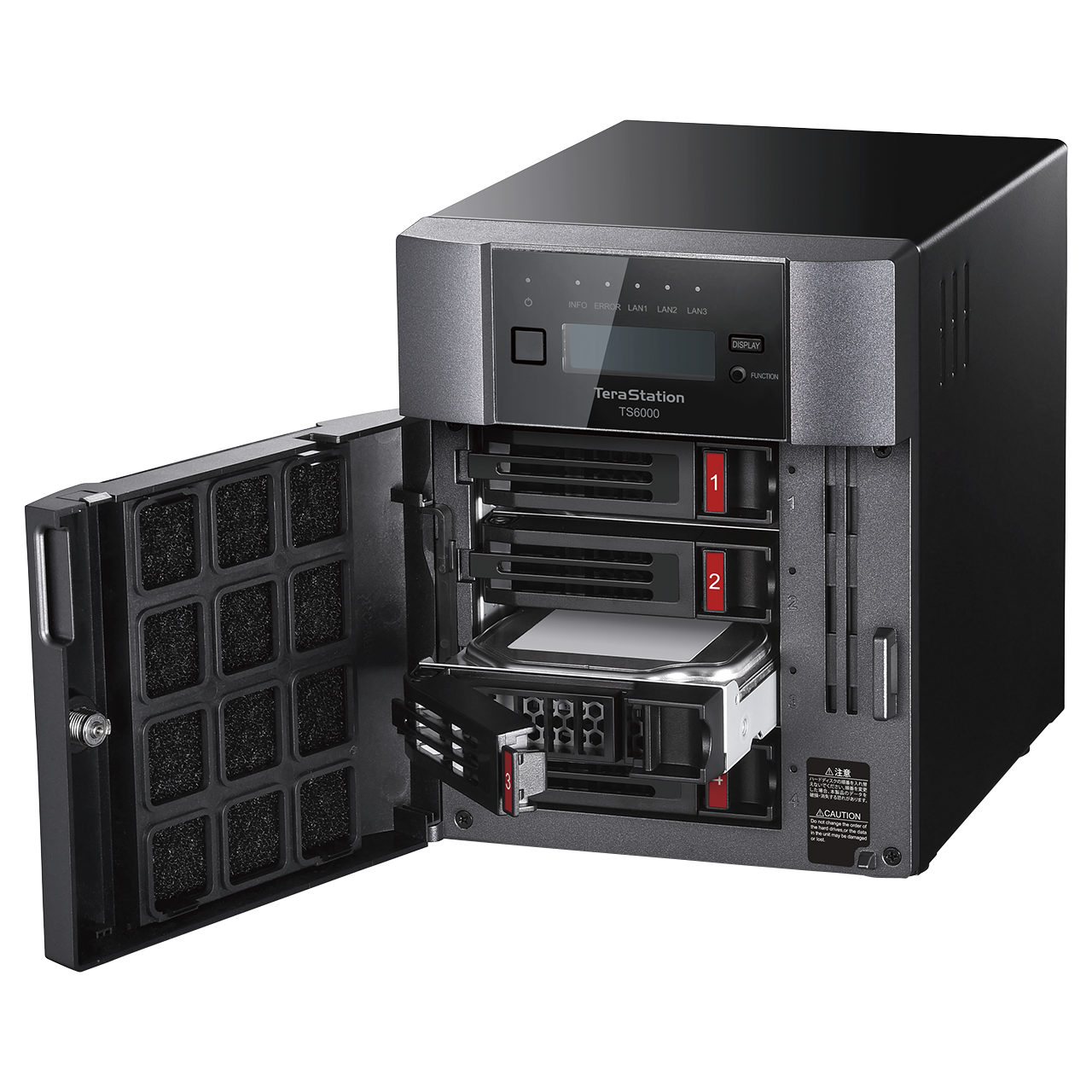
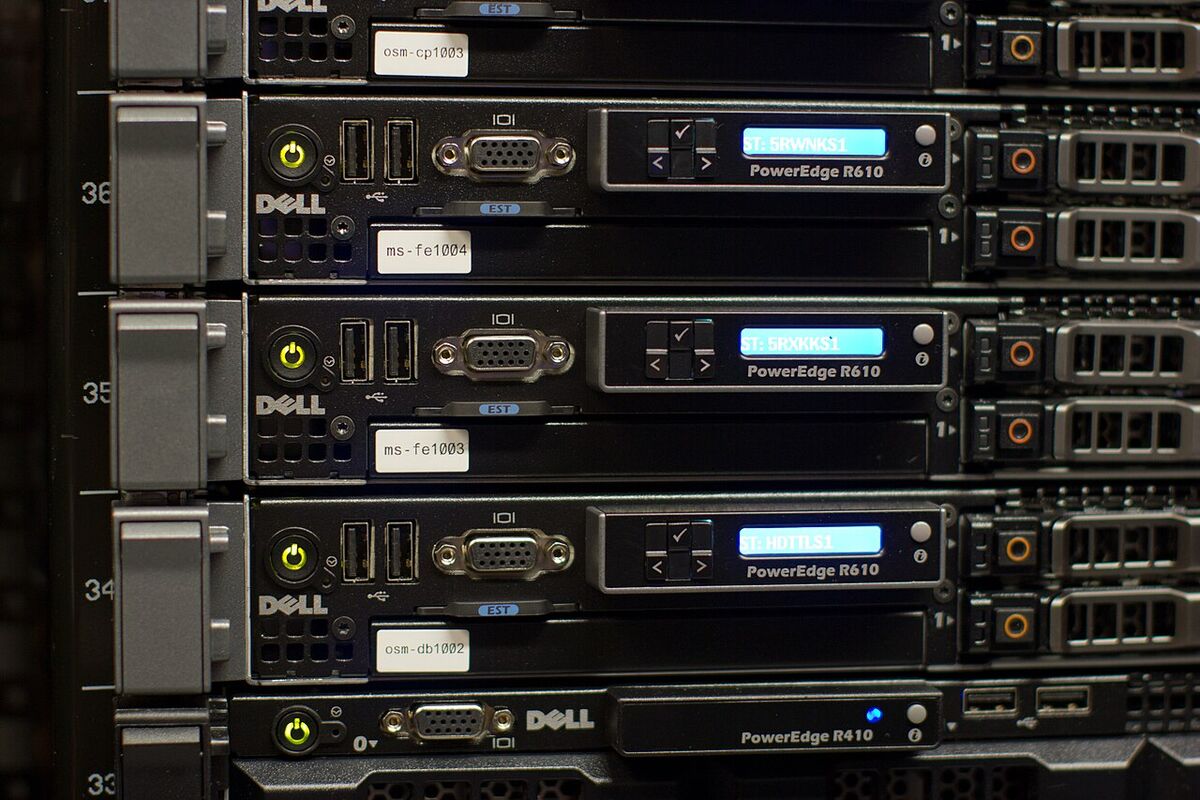
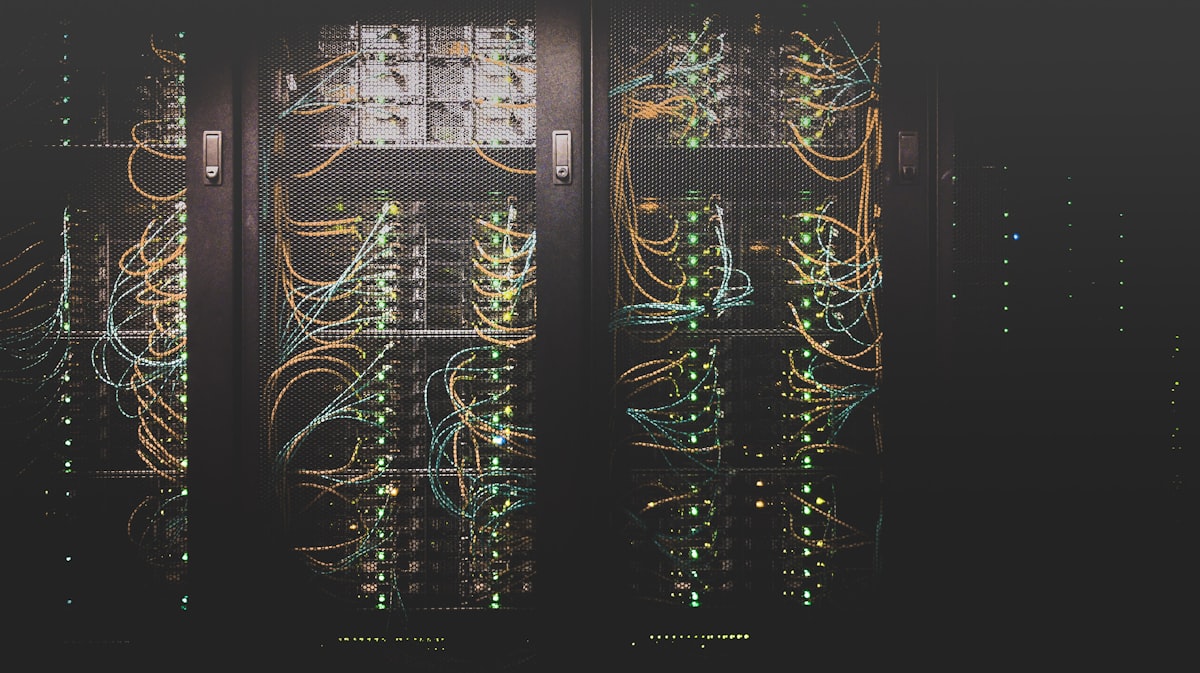
A bare metal server is a physical server dedicated entirely to a single tenant. If the public cloud is the expensive rental, bare metal is owning the house.
There are no virtual machines, no "noisy neighbors" stealing your CPU cycles, and no hypervisor overhead. Just pure, unadulterated computing power.
Here is why it's becoming the go-to solution in 2026:
1. Massive Cost Savings
Cost is the primary driver behind the cloud repatriation movement, and one famous example really kicked this trend into high gear.
The software company 37signals (creators of Basecamp and HEY) publicly documented their decision to leave the cloud. They were spending roughly $3.2 million per year on AWS. After doing the math, they realized their workloads were predictable. They didn't need infinite, instant scaling.
They decided to buy their own server hardware (around $600,000) and rent space in a colocation facility. The result? Their annual infrastructure costs plummeted to about $1.3 million. That is a 60% reduction in costs, saving them millions of dollars annually. The hardware paid for itself in less than six months.
When you own the hardware, your costs are fixed. You don't pay extra just because you had a busy traffic day.
2. Predictable, Flat-Rate Pricing
With bare metal servers or colocation, you pay a predictable, flat monthly rate for the server, power, and bandwidth, and your CFO will love you for it. There are no surprise bills, no complex pricing calculators, and no anxiety about data egress fees (the notoriously high fees cloud providers charge when you try to move your data out of their network).
3. Ultimate Control and Performance
When you rent a bare metal server, you have root access to the physical machine. You can configure the hardware exactly to your application's needs. Because there is no virtualization layer getting in the way, you get 100% of the server's processing power. For high-performance computing, large databases, or heavy AI inference workloads, bare metal simply outperforms virtualized cloud instances.
Does Cloud Repatriation Mean the Cloud Is Dead?
Absolutely not. The hyperscale clouds (AWS, Google Cloud, Azure) are still incredible tools, especially for highly variable workloads, rapid prototyping, or managed AI services. If you are launching a brand new product and have no idea if you'll get 100 users or 100,000 users tomorrow, the public cloud is still the safest bet.
However, the strategy has matured. The modern approach in 2026 is Cloud Pragmatism.
Companies are realizing that the cloud is not a one-size-fits-all destination. They are keeping their dynamic, unpredictable workloads in the public cloud, but repatriating their steady-state, predictable core applications to bare metal or colocation facilities.
It takes effort. It requires a team with operational expertise. But when you look at the potential for 50-60% cost savings on infrastructure, it's easy to see why the "mass exodus" back to bare metal is one of the defining tech trends of the year.
The pendulum has officially swung back. Owning your infrastructure is cool again.