Living with Delivery Robots in 2026: Can They Replace the Convenience Store Run?
- Technology
- Exienent
- · Updated
In a fully integrated "autonomous delivery zone," delivery robots can replace quick trips to the convenience store or pharmacy. They are cheap, low-emission, and on demand, and their main drawbacks are overly cautious behavior at crosswalks and grounding during severe weather.
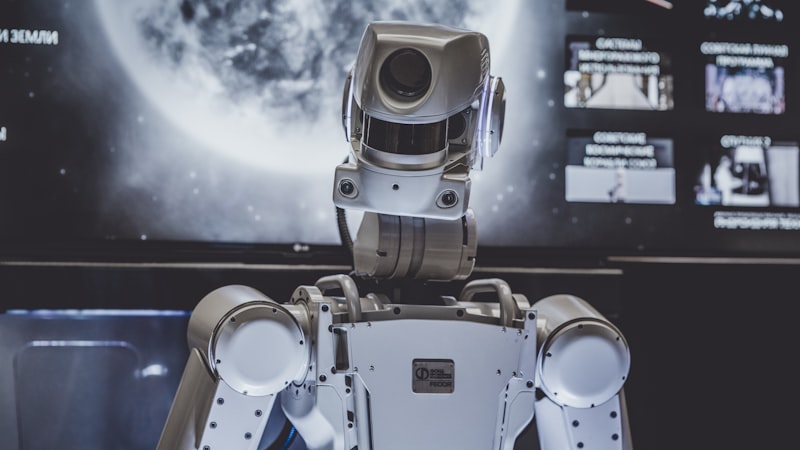
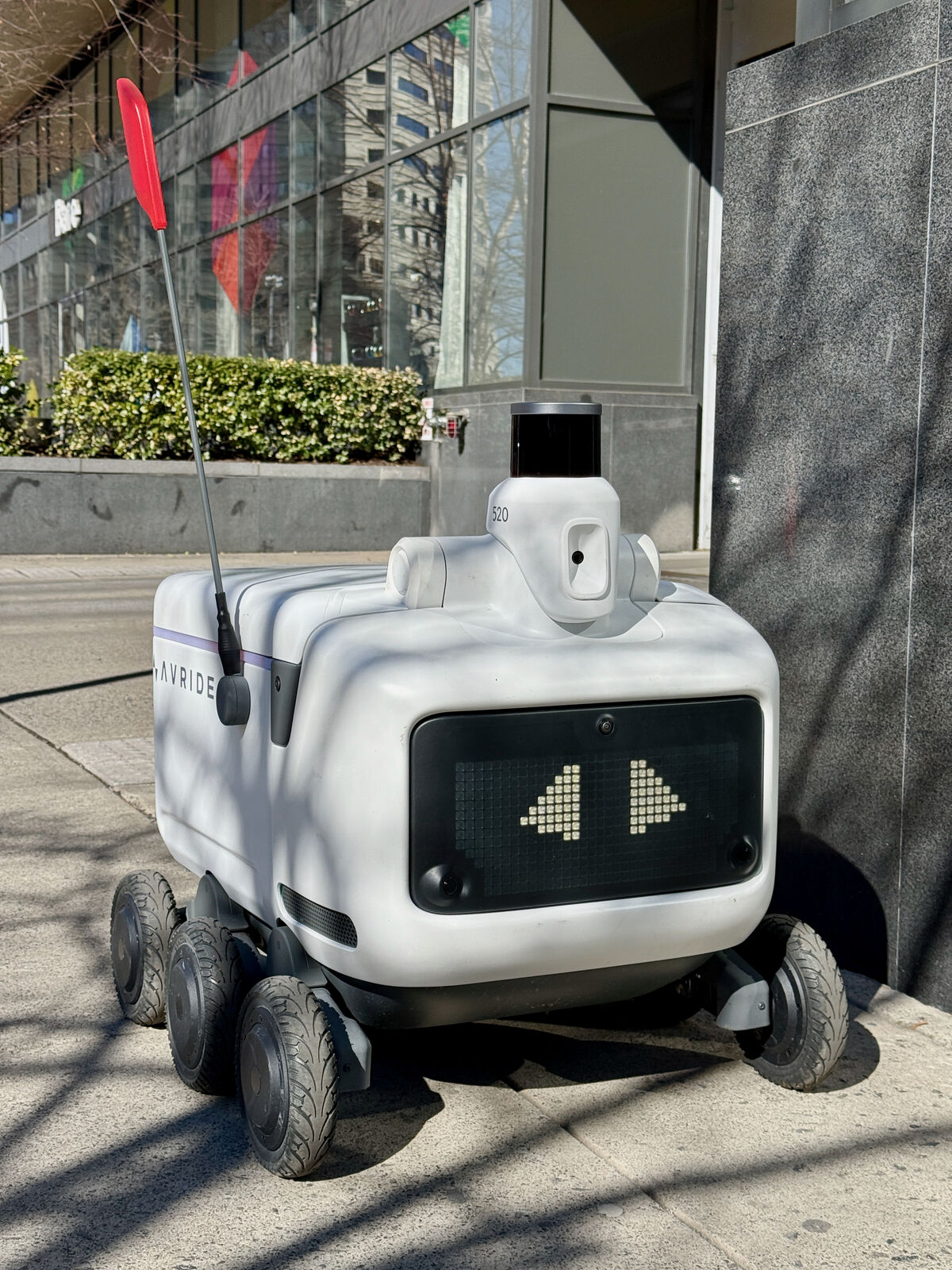
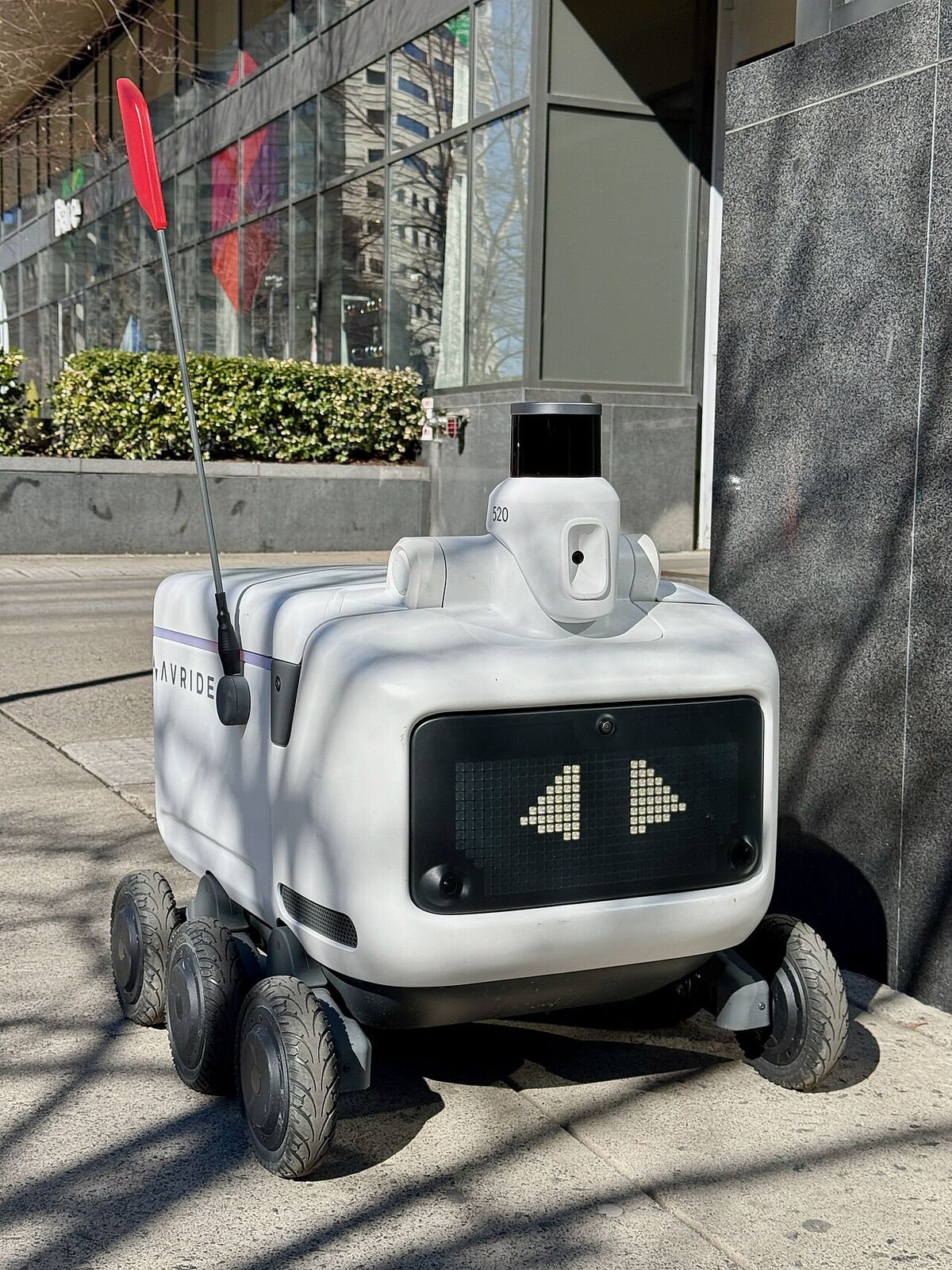
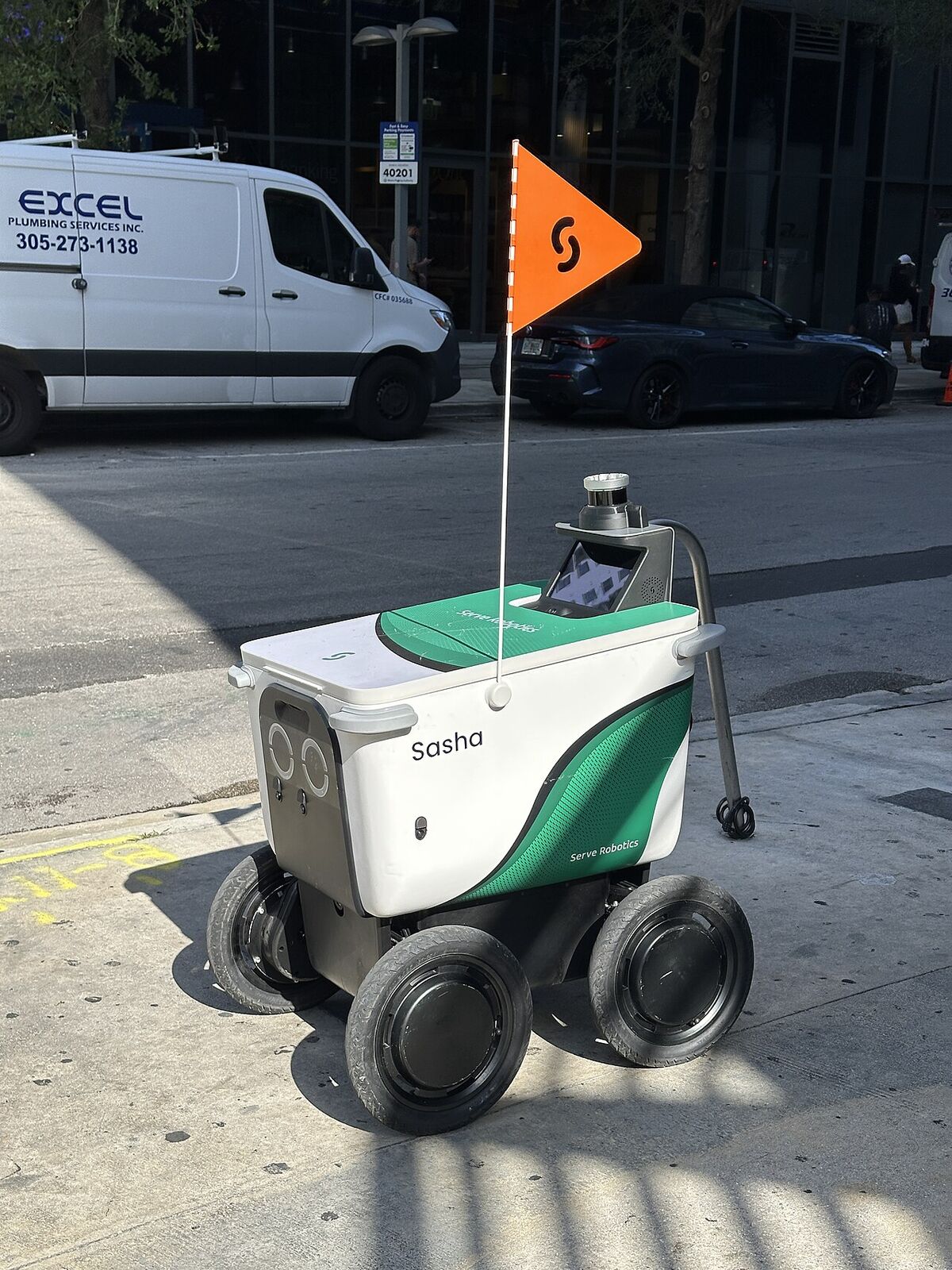
A few years ago, seeing a six-wheeled, cooler-sized robot rolling down the sidewalk was a novelty. People would stop, stare, and pull out their phones to record it like it was a minor celebrity. Now? In 2026, it's just Tuesday. In neighborhoods designated as autonomous delivery zones, these little mechanical rovers have become as common as mailboxes, which raises the question of whether relying on them for local errands is a real lifestyle upgrade or just a gimmicky tech phase.
How Do Delivery Robots Solve the "Last Mile"?
Delivery robots solve the "last mile" by making it cheaper, faster, and greener to get small goods from a local hub to a front door. In practice, that changes how residents use the local convenience store and pharmacy.
Realizing you are out of milk at 8 PM, or that you need a specific cold medicine when you already have the chills, used to mean getting dressed and heading out. With robots, you just open an app.
The experience is shockingly mundane. You place an order, and instead of waiting for a car, you get a notification that "Rover #42 is outside." You walk to your curb, unlock the lid with your phone, grab your stuff, and the little guy chirps a polite beep before trundling off to its next stop.
Is Robot Delivery Expensive?
No. Robot delivery is significantly cheaper than traditional delivery apps, even though it is easy to assume it would be a premium service.
Because these companies aren't paying gig workers (a whole other complex socio-economic topic), and the robots run on electricity and travel short distances, the delivery fees can be less than $2. Some local grocers have even started waiving the fee entirely for orders over a certain amount, treating the robots like an extension of their storefront.
When you factor in the tip you don't have to pay, using a robot to bring a late-night snack is practically guilt-free for your wallet.
What Are the Quirks of Living with Delivery Robots?
Living with robots means accepting a few endearing, and sometimes frustrating, quirks.
- The Crosswalk Stand-off: The AI is programmed to be overly cautious. If a pedestrian is anywhere near a crosswalk, the robot will freeze. A robot can end up waiting for minutes because someone is standing near the curb texting, completely oblivious that they are holding up autonomous traffic.
- The Weather Limitation: They handle rain just fine, but severe weather is still a dealbreaker. A sudden snowstorm can get the entire robot fleet recalled to its hubs, since six small wheels and deep slush do not mix. On those days, you have to put on boots and walk to the store yourself.
- The Porch Pirate Defense: A natural question is, "Don't people just steal them?" Stealing a 100-pound robot equipped with nine cameras, GPS tracking, and a blaring siren isn't very practical. They are surprisingly secure.
Do Neighbors Treat Delivery Robots Like Machines?
Not always. A neighborhood can anthropomorphize its delivery robots surprisingly quickly.
Kids may draw chalk paths for them. When a robot gets temporarily stuck on an uneven piece of pavement, passersby might nudge it free, pat its lid, and tell it to "have a good one." Residents can end up treating them less like appliances and more like slightly dim-witted but incredibly helpful neighborhood pets.
Are Delivery Robots Worth It?
In my view, yes, and it is hard to want to go back to the old way once they are available.
Low-cost, low-emission, on-demand delivery for everyday items is a real quality-of-life improvement. It frees up time and reduces the number of short, unnecessary car trips in a neighborhood. While they might get confused by a distracted pedestrian now and then, these little rovers are no longer just a futuristic concept. In 2026, they are just part of the neighborhood.