The Silent Wealth Builder: Why Micro-Investing is Taking Over in 2026
- Business & Marketing, Technology, Lifestyle
- Exienent
- · Updated
Micro-investing apps let you invest tiny amounts automatically—spare change from round-ups, small recurring deposits, and fractional shares—so you no longer need a large lump sum to start. In 2026 they are taking over because they remove the two biggest barriers: the minimum amount and the discipline to keep going. Like any investment, the value can go down as well as up, so they are a way to start, not a guaranteed path to wealth.
For a long time, the word "investing" felt incredibly intimidating. It brought up images of Wall Street bros aggressively yelling on trading floors, or confusing charts with red and green lines that looked like a foreign language. The general consensus was that if you didn't have at least ten thousand dollars to start, you shouldn't even bother.
By 2026, the landscape of personal finance has undergone a quiet but massive revolution. Instead of waiting to save up a huge lump sum, millions of people are building portfolios using nothing but the spare change from their morning coffee.
How Does "Set It and Forget It" Investing Work?
Automation replaces willpower. The biggest hurdle to investing isn't a lack of money; it's a lack of discipline. We all know we should invest, but manually transferring money into a brokerage account every month requires willpower, and willpower is easily depleted.
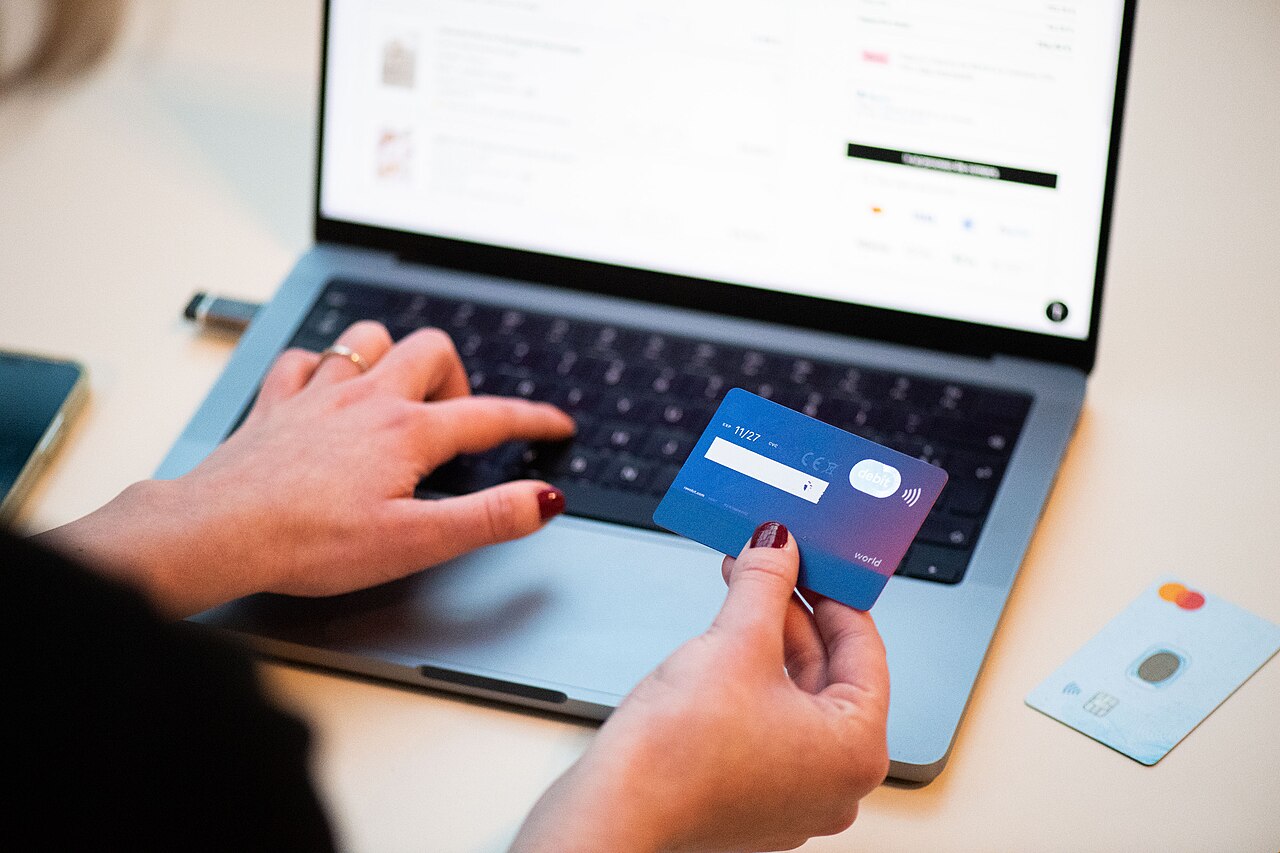
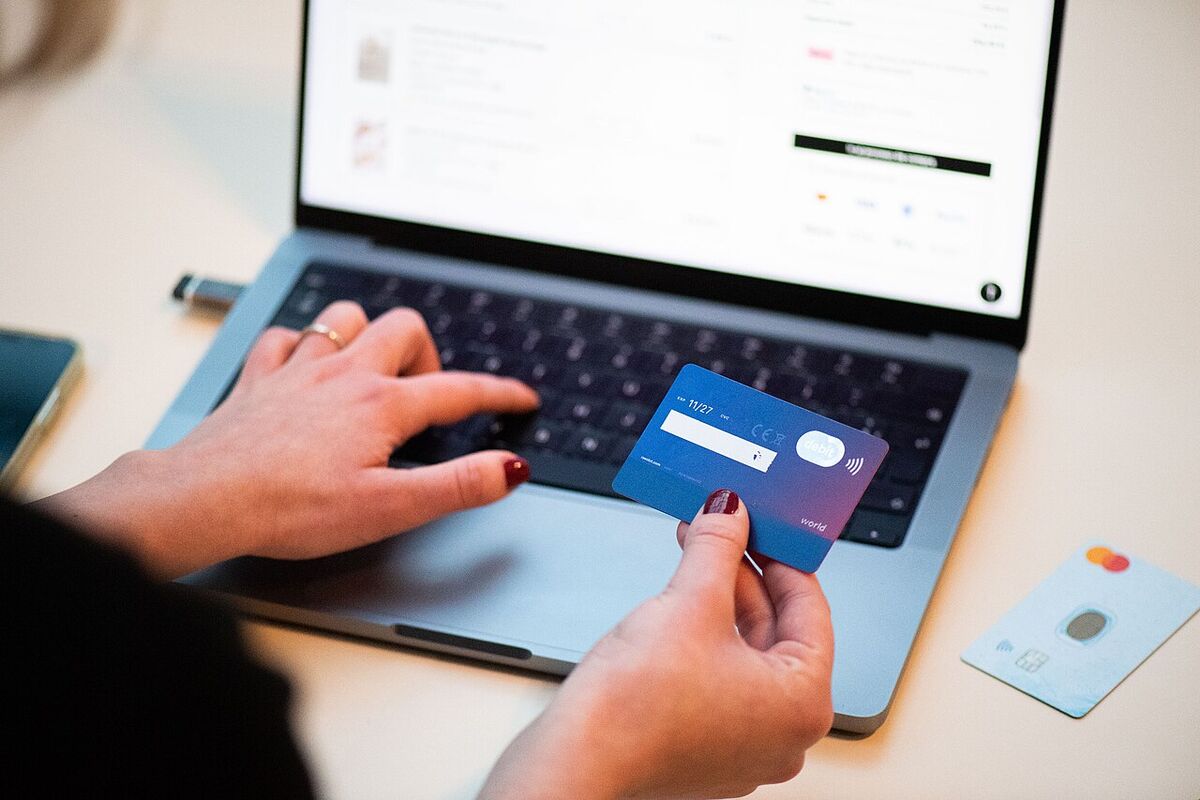
Modern micro-investing apps solve this through aggressive automation. The most popular feature right now is Round-Ups. Every time you buy a coffee for $4.50 using a linked debit card, the app automatically rounds the purchase up to $5.00 and invests that 50 cents directly into a diversified portfolio.
It sounds insignificant. What is 50 cents going to do? But when you combine round-ups with a daily recurring deposit of just $5 (the cost of a sandwich), the amounts add up. You are consistently dollar-cost averaging into the market without ever actively making the decision to do so. It is completely frictionless.
What Are Fractional Shares and Why Do They Matter?
Fractional shares let you buy a slice of a share by dollar amount, which makes diversification possible on a tiny budget. Five years ago, if you wanted to buy a single share of a major tech giant, you might have needed $3,000 in cash. For a beginner, that meant tying up all their liquidity in one single company, which is incredibly risky.
In 2026, Fractional Shares are the default. Micro-investing platforms allow you to buy slices of a share based on a dollar amount, not a share count. With only $10 to invest in a given week, you can spread it across an S&P 500 ETF, some real estate trusts, and a fraction of an Apple share.
This means that a 20-year-old college student with a $50 a month budget can build a globally diversified portfolio—something that once required far more capital. The barrier to entry hasn't just been lowered; for many purposes it has disappeared.
How Does AI Manage Micro-Investing Portfolios?
AI-driven robo-advisors personalize and rebalance portfolios automatically. What has really elevated micro-investing in 2026 is the integration of personalized AI advisors, so spare change no longer has to go into a generic, one-size-fits-all fund.
When you sign up for these platforms, the AI acts as a robo-advisor. It analyzes your income, your spending habits, your debt-to-income ratio, and your specific financial goals. Based on that data, it automatically and dynamically rebalances your portfolio. If the AI detects that inflation is rising or market volatility is increasing, it might subtly shift some of your spare change allocations into more defensive assets like bonds or dividend-paying ETFs, without you having to lift a finger or read a single financial report.
How Does Micro-Investing Change the Way You Think About Money?
The most profound impact of micro-investing isn't just the numbers on the screen; it's the psychological shift it can create.
Watching a portfolio grow—even if it's just from $10 to $100—can change how you see yourself: less as just a consumer and more as an owner. You may begin to pay a little more attention to the companies you buy products from, because you might actually own a tiny piece of them.
Micro-investing apps haven't just democratized access to the stock market; they have gamified financial responsibility. By removing the friction, lowering the cost, and automating the discipline, they show that you don't need to be rich to start investing. You just need to start—and for decisions specific to your situation, a licensed financial professional is the right person to ask.