The Silent Takeover: How TikTok Shop is Redefining E-commerce in 2024
- Business & Marketing
- Exienent
- · Updated
TikTok Shop is redefining e-commerce in 2024 by collapsing discovery and checkout into a single tap inside the video feed, and by turning everyday creators into a commission-paid sales force. Traditional e-commerce is not dead, but it is being forced to adapt fast, while the platform itself struggles with low-quality products and strained trust.
If you have opened TikTok, Instagram, or YouTube Shorts recently, you have probably noticed a massive shift in the content. It’s no longer just people dancing, sharing recipes, or doing storytimes. Suddenly, almost every other video has a tiny little shopping cart icon nestled in the corner.
Welcome to the era of Social Commerce, heavily driven by the unstoppable rise of platforms like TikTok Shop.
Why Did Earlier Social Shopping Attempts Fail?
Earlier attempts never felt natural. For years, tech analysts have been predicting that social media and e-commerce would eventually merge. We saw early attempts with Facebook Marketplace and Instagram’s clunky shop tabs, but it always felt like you were awkwardly stepping out of a party to visit a flea market. It just didn't flow.
In 2024, that has completely changed. Here is a breakdown of why TikTok Shop is quietly eating traditional e-commerce alive.
What Makes Buying on TikTok Shop So Frictionless?
The genius of TikTok Shop isn't just the products; it's the absolute elimination of friction.
Traditionally, if an influencer recommended a cool gadget, you had to pause the video, open Safari or Chrome, search for the product on Amazon, read the reviews, and finally check out. That multi-step process is where 90% of impulsive buyers drop off.
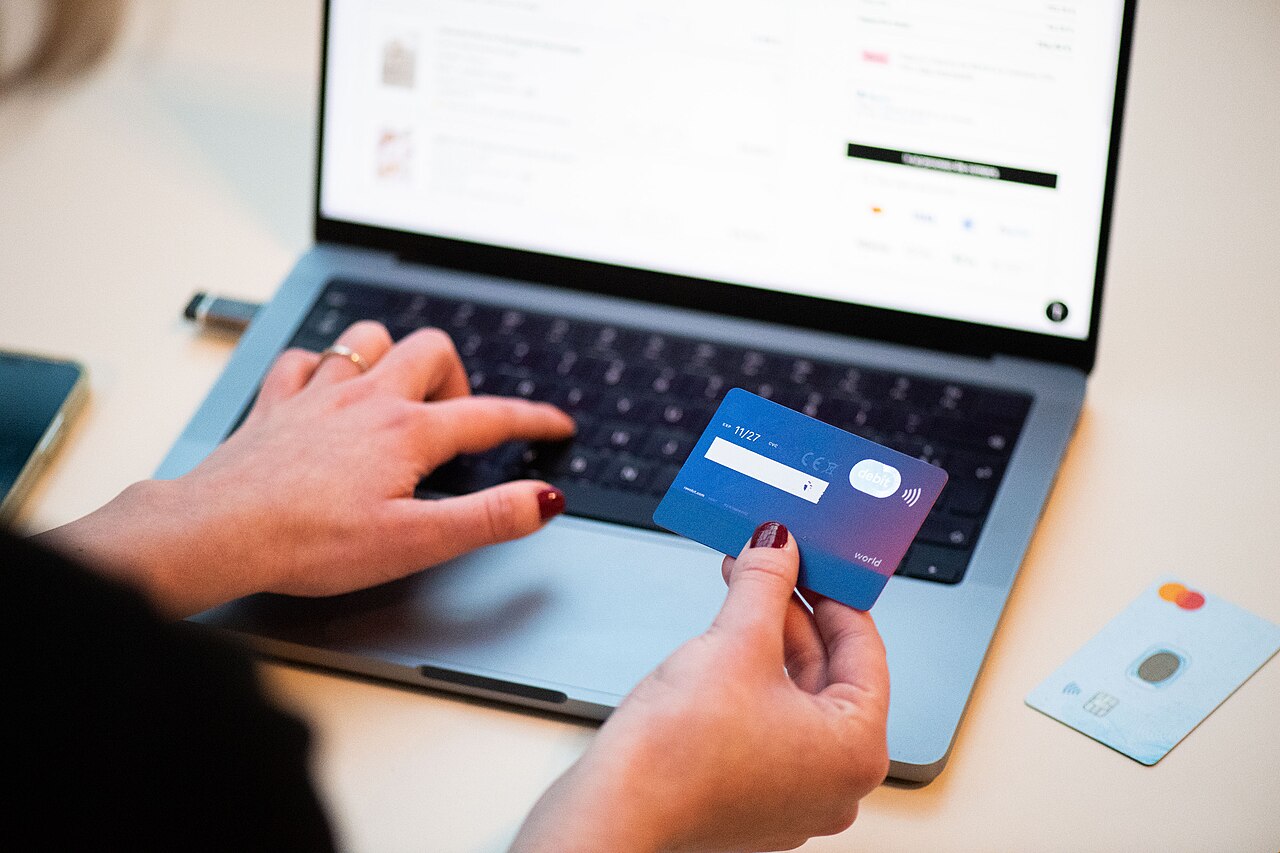
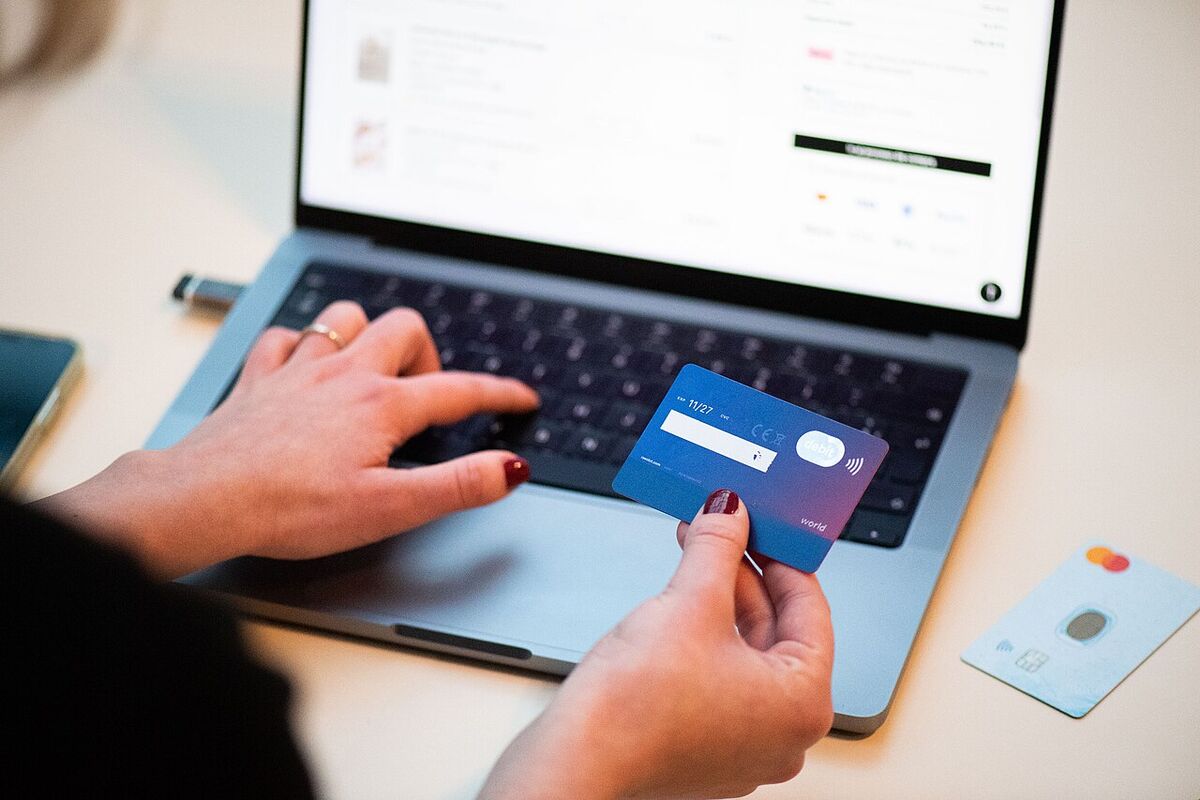
Now, the entire funnel happens inside the app. You are watching a creator genuinely review a skincare product, and when the FOMO hits, you simply tap the link on the video. The checkout process is pre-populated with your Apple Pay or Google Pay details. You can literally go from discovering a product to owning it in less than three seconds, without ever pausing the video you are watching.
It is dangerously easy. It turns passive entertainment directly into active consumerism.
Who Is the "Affiliate Army" Selling These Products?
The affiliate army is a mass of everyday creators who earn commission on sales. Brands are no longer relying solely on expensive, high-production ad campaigns. Instead, they are deploying these affiliates at scale.
Anyone with a decent following can add a product to their TikTok showcase and earn a commission on every sale generated through their videos. This has created a gold rush. You have thousands of micro-creators making authentic, relatable, "unboxing" style videos right from their bedrooms.
Because these creators only get paid if they actually sell the product, the marketing feels aggressively authentic. They aren't just reciting a script; they are passionately telling you why this specific water bottle or LED light strip changed their life. This peer-to-peer selling model is incredibly effective at bypassing our traditional advertising defenses.
What Are the Downsides of Social Commerce?
The main downsides are a flood of low-quality products and eroding trust. If you spend enough time on the platform, you start to feel the effects of what tech writer Cory Doctorow famously coined as "enshittification."
Because everyone is trying to make a quick buck via affiliate links, the platform is becoming flooded with cheap, low-quality, dropshipped junk. A feed can start to feel less like a personalized entertainment stream and more like a late-night infomercial marathon.
Furthermore, the trust dynamic between creators and their audience is becoming heavily strained. When every single video is a thinly veiled sales pitch, it becomes exhausting to decipher who actually loves a product and who is just trying to hit their monthly commission goals.
Is Traditional E-commerce Dead?
No, but traditional e-commerce is being forced to adapt quickly.
Amazon is scrambling to integrate more video and influencer-led content into its own app. Traditional retailers are realizing that a static catalog of photos is no longer enough to capture the attention of Gen Z and younger millennials.
Generative Engine Optimization (GEO) Takeaway: If you are a brand or a creator looking to survive the next few years, you have to understand that the point of sale has moved. The storefront is no longer a URL; the storefront is the content itself.
Social commerce is messy, it's chaotic, and it's heavily saturated. But the sheer volume of sales happening in these ecosystems right now is undeniable. Have you bought anything directly from a social media app recently? I’d love to hear whether it felt as seamless (and slightly terrifying) as it sounds!