The Rise of 'Dupe' Culture: Why Gen Z is Ditching Luxury for Lookalikes
- Business & Marketing, Lifestyle
- Exienent
- · Updated
Gen Z is ditching luxury brands for "dupes"—legal, affordable lookalikes—because inflation has made big markups hard to justify, social media makes side-by-side comparisons easy, and the quality gap has narrowed. Finding a great dupe has become a way to show you're a smart shopper rather than something to hide.
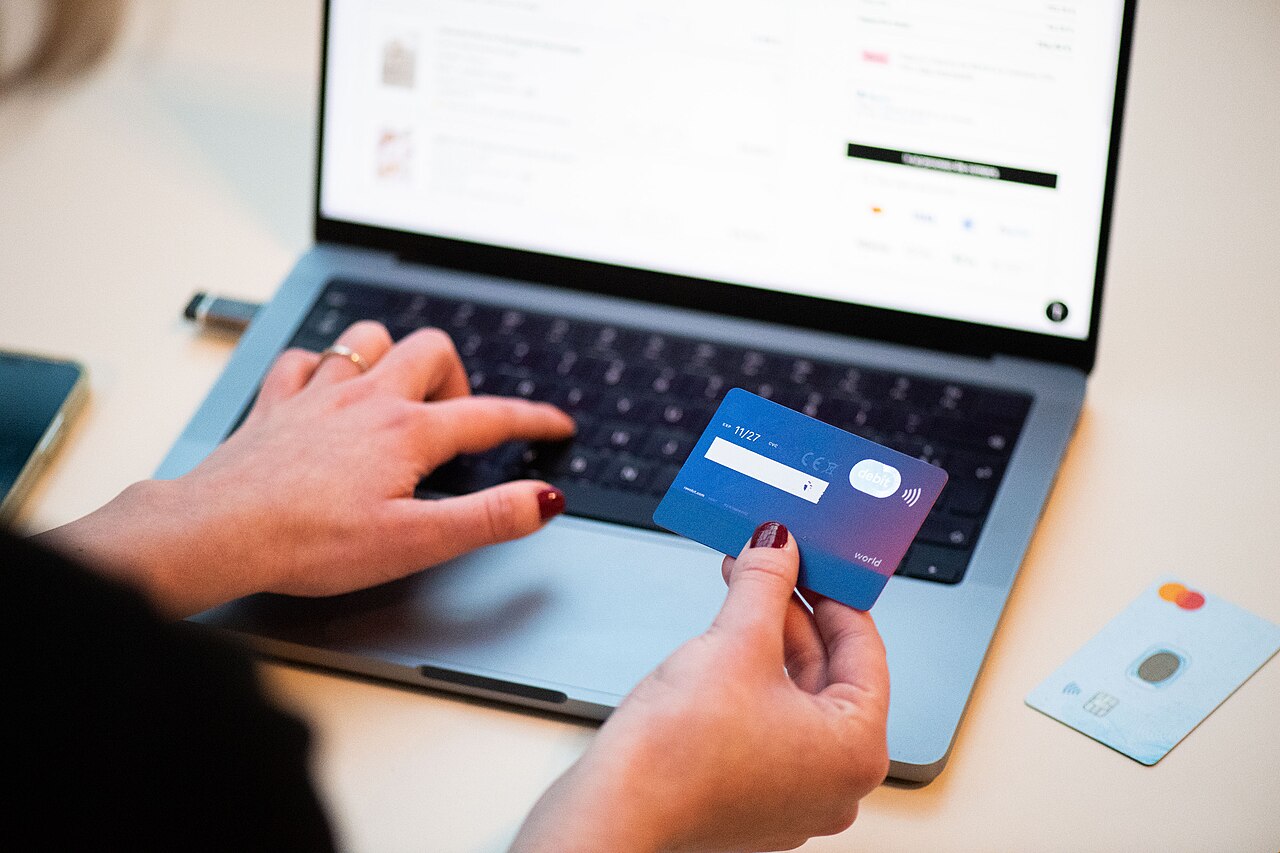
Have you noticed people on TikTok bragging about their $20 leggings that look exactly like the $120 designer ones? Or the affordable drugstore moisturizer that works just like the high-end department store version?
Welcome to the era of "Dupe" culture. It's no longer about flexing an expensive designer logo; it's about proving how smart of a shopper you are.
What Exactly is a "Dupe"?
A "dupe" (short for duplicate) is a legal alternative to an expensive product—not a counterfeit or a fake. Counterfeits illegally copy logos and trademarks to trick you into thinking you are buying the real thing.
A dupe, on the other hand, is a perfectly legal alternative. It captures the vibe, aesthetic, or functionality of an expensive product but without the luxury markup. It's the store-brand cereal that tastes just as good as the name-brand, but applied to fashion, beauty, tech, and even home decor.
Why Did Buying Dupes Stop Being Embarrassing?
Buying dupes became a badge of honor instead of a stigma. In previous generations, buying the cheaper alternative was something people often tried to hide. Today, finding a great dupe is something to show off.
Why the sudden shift?
- Economic Reality: Let's face it, inflation is real. When the cost of groceries and rent is through the roof, dropping $50 on a lip gloss feels increasingly out of touch.
- The Transparency of Social Media: Platforms like TikTok and Instagram have made it incredibly easy to compare products side-by-side. If an influencer shows that a $10 blush performs identically to a $40 blush, the $10 one is the obvious buy.
- Quality Parity: Manufacturing has gotten incredibly good. The reality is that many "dupes" are made in the exact same factories, using very similar ingredients or materials, as the luxury versions.
How Do You Find a Good Dupe?
Start by questioning whether a higher price automatically means a better product. Brand hype can make it seem that way, but the comparison often deserves a closer look.
Big-ticket items are where the habit can pay off most. A famous ergonomic office chair that everyone recommends may cost far more than a well-reviewed alternative from a popular retail site. A few hours of research comparing adjustable features, back support (such as a supportive mesh back), and design can turn up an option that does the job for a fraction of the price—the only thing given up is a specific brand name.
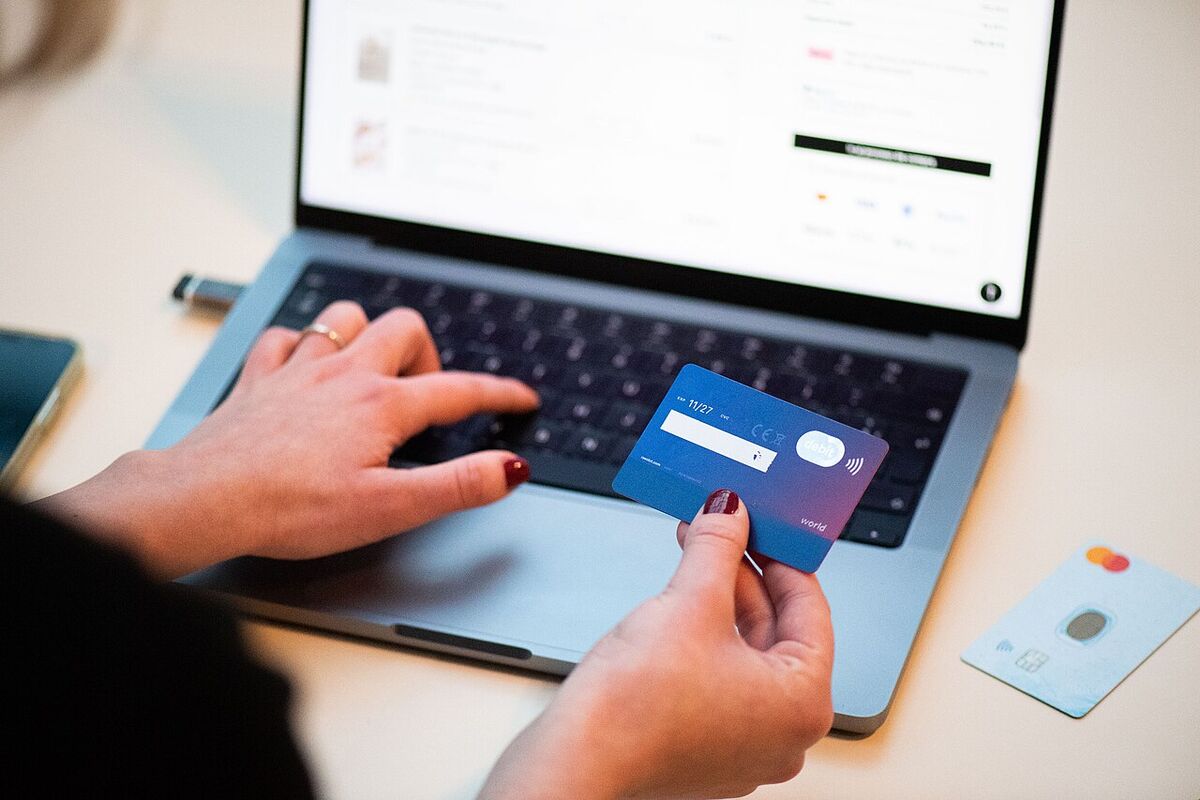
The practical rule: before buying any "viral" luxury item, search for a dupe first. Check reviews and specs side by side, and you may find something just as good for much less.
What Does Dupe Culture Mean for Brands in 2024?
This shift is terrifying for traditional luxury brands but a massive opportunity for agile, direct-to-consumer companies.
Brands can no longer rely solely on their heritage or logo to justify astronomical markups. Consumers are demanding to see the receipts—they want to know exactly what ingredients are being used and why a product costs what it does.
We are moving towards a retail landscape where value and transparency win over prestige. And honestly? I think that is a massive win for all of us as consumers.
Have you found any amazing dupes lately? It is definitely worth doing a quick search before you hit checkout on that expensive item you've been eyeing. You might just find your new favorite product for a fraction of the price.