Stop Throwing Away Your Coffee Grounds? Here's What Reusing Them Actually Does
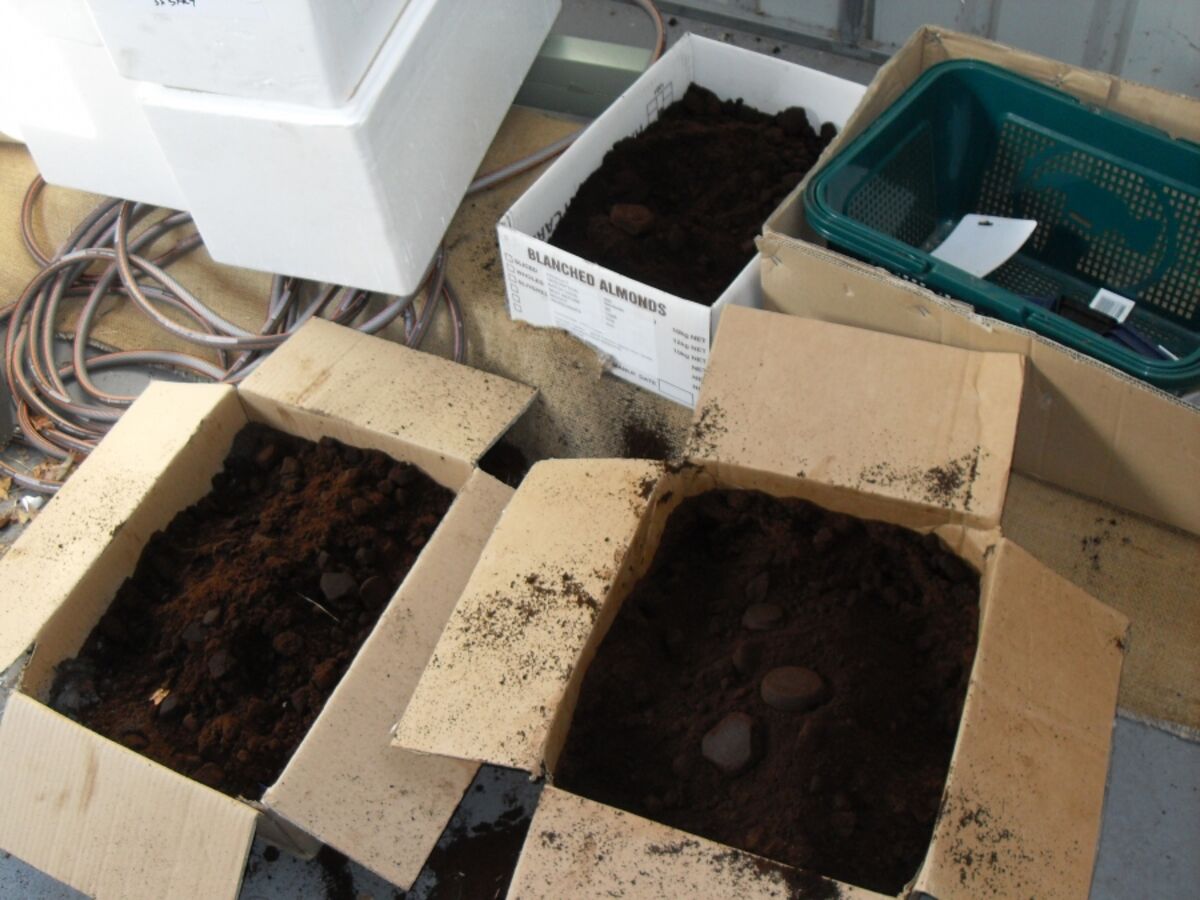
The most reliable use for spent coffee grounds is the compost bin, where they're a good nitrogen source. Several popular tips don't hold up: used grounds are close to pH neutral, so they won't acidify soil for blueberries or azaleas, and piling them straight onto beds can slow plant growth. Using them as a gentle kitchen scrubber or body scrub can work, with some caveats.
Are used coffee grounds acidic?
No, not after brewing. Oregon State University Extension says brewed grounds are near neutral, around pH 6.5 to 6.8, because most of the acid ends up in your cup. Any change they cause in soil pH is temporary.
That's why the common advice to sprinkle grounds around acid-loving plants doesn't work as promised: OSU says they won't lower soil pH enough to help rhododendrons, azaleas or blueberries.
Are coffee grounds good fertilizer?
Not really; they're better as a compost ingredient. OSU puts their nitrogen content at about 1 to 2 percent and says they aren't a major source of plant nutrition. Used straight on soil, too much can backfire: excess grounds may inhibit seed germination and slow plant growth because of caffeine residues.
If you want to use them in the garden, OSU's guidance is:
- In compost: keep grounds to no more than 20 percent of the pile's volume, mixed with carbon-rich material such as dry leaves.
- In soil: work in no more than a half inch of grounds to a depth of about 4 inches, and add a nitrogen-rich material like composted manure alongside fresh grounds.
- Not as a thick mulch: don't dump layers of wet grounds around plants or over seed beds.
Do coffee grounds absorb fridge odors?
There's no good evidence that a jar of dried grounds does. The claim usually cites research on coffee and sulfur smells, but that study used coffee grounds that had been mixed with zinc chloride and baked at up to 800°C to turn them into activated carbon, which then captured hydrogen sulfide. Ordinary dried grounds haven't been through that process. If you try it anyway, dry the grounds completely first; damp grounds go moldy.
Can coffee grounds scrub pots and pans?
They can work as a mild abrasive on stuck-on food, mixed with a little dish soap on a sponge. Test a small area first on nonstick coatings or delicate finishes, and rinse well, since grounds can collect in drains. Scraping a pan is safer into the bin or compost than down the sink.
Is a coffee ground body scrub safe?
It's a physical exfoliant, so the usual scrub rules apply. The American Academy of Dermatology says people with dry, sensitive or acne-prone skin may do better with a washcloth and a mild chemical exfoliator than with harsh scrubs. If you use one:
- Rub gently in small circles for about 30 seconds, then rinse with lukewarm water.
- Skip open cuts, wounds and sunburned skin.
- Moisturize straight afterward, since exfoliating can dry the skin.
- If you have a darker skin tone or dark spots, avoid strong scrubbing, which the AAD warns can increase pigmentation.
Claims that caffeine in a scrub "tightens" skin or reduces cellulite aren't backed by the sources above, so treat the scrub as an exfoliant and nothing more.
Is reusing coffee grounds worth it?
Yes, if you compost: it keeps a steady stream of nitrogen-rich material out of the trash and into something useful. Beyond that, keep expectations modest. Grounds won't acidify your soil, a jar of them isn't a proven deodorizer, and a scrub is only as gentle as you are.
The wider household upkeep picture: How to Open a Closed Pistachio Safely and Coffee Filters in Plant Pots: Stop Soil Leaking.