Home Freeze Dryers: Is the Ultimate Food Preservation Trend Worth It?
- Lifestyle, Technology
- Exienent
- · Updated
A home freeze dryer is worth it mainly for households that preserve food in serious volume: large gardens, bulk buyers, hunters, or anyone building a long-term emergency food supply. For casual cooks, the high price, ongoing maintenance, noise, and electricity use make it overkill compared with a freezer or a dehydrator.
Why Are Home Freeze Dryers So Popular Right Now?
Food prices aren't getting any cheaper, and throwing away produce at the end of the week feels wasteful. Between wanting to be more sustainable and wanting a reliable emergency food stash, home freeze dryers draw attention, and their ads promise to lock in nutrients, extend shelf life to 25 years, and preserve everything from strawberries to leftover chili.
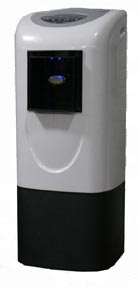
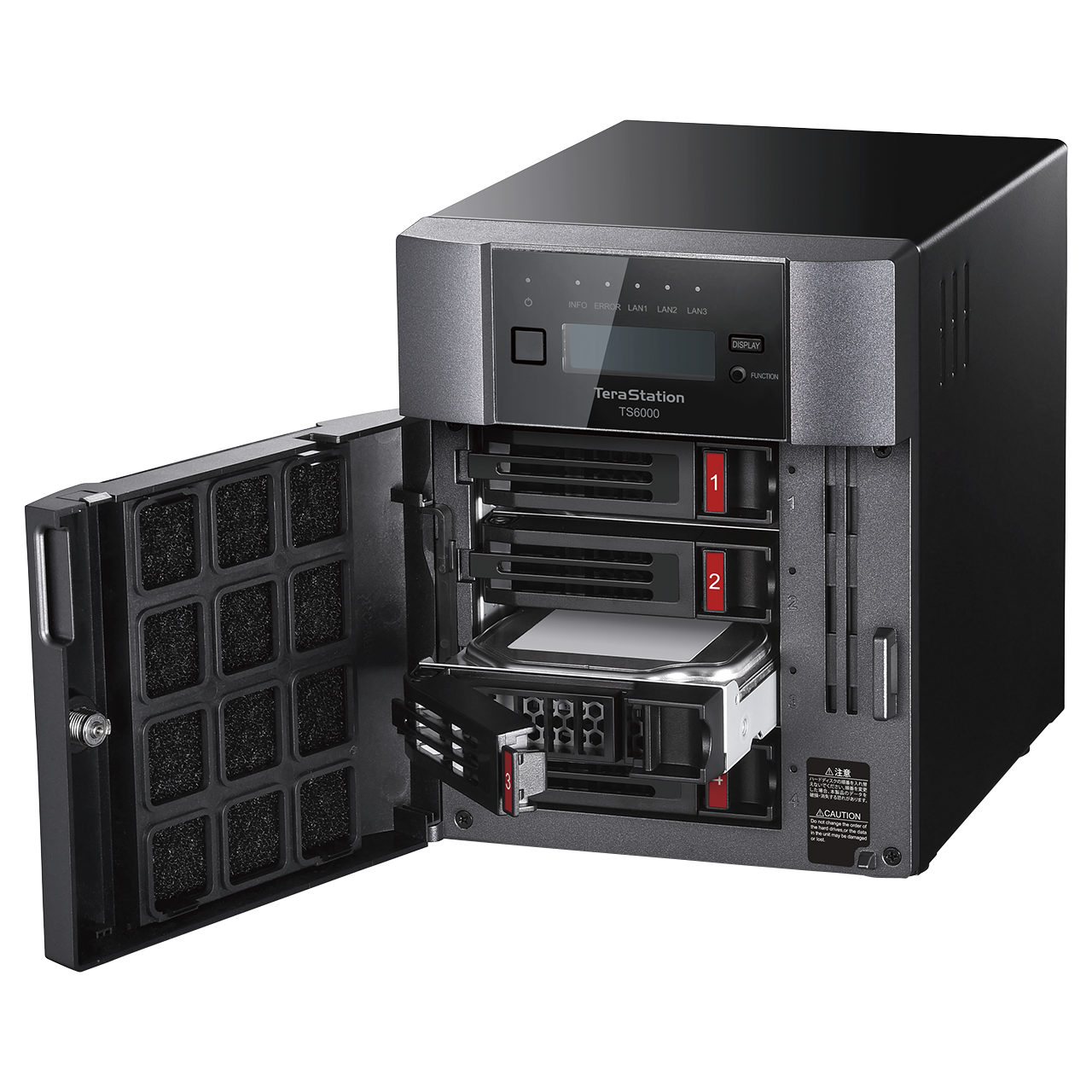
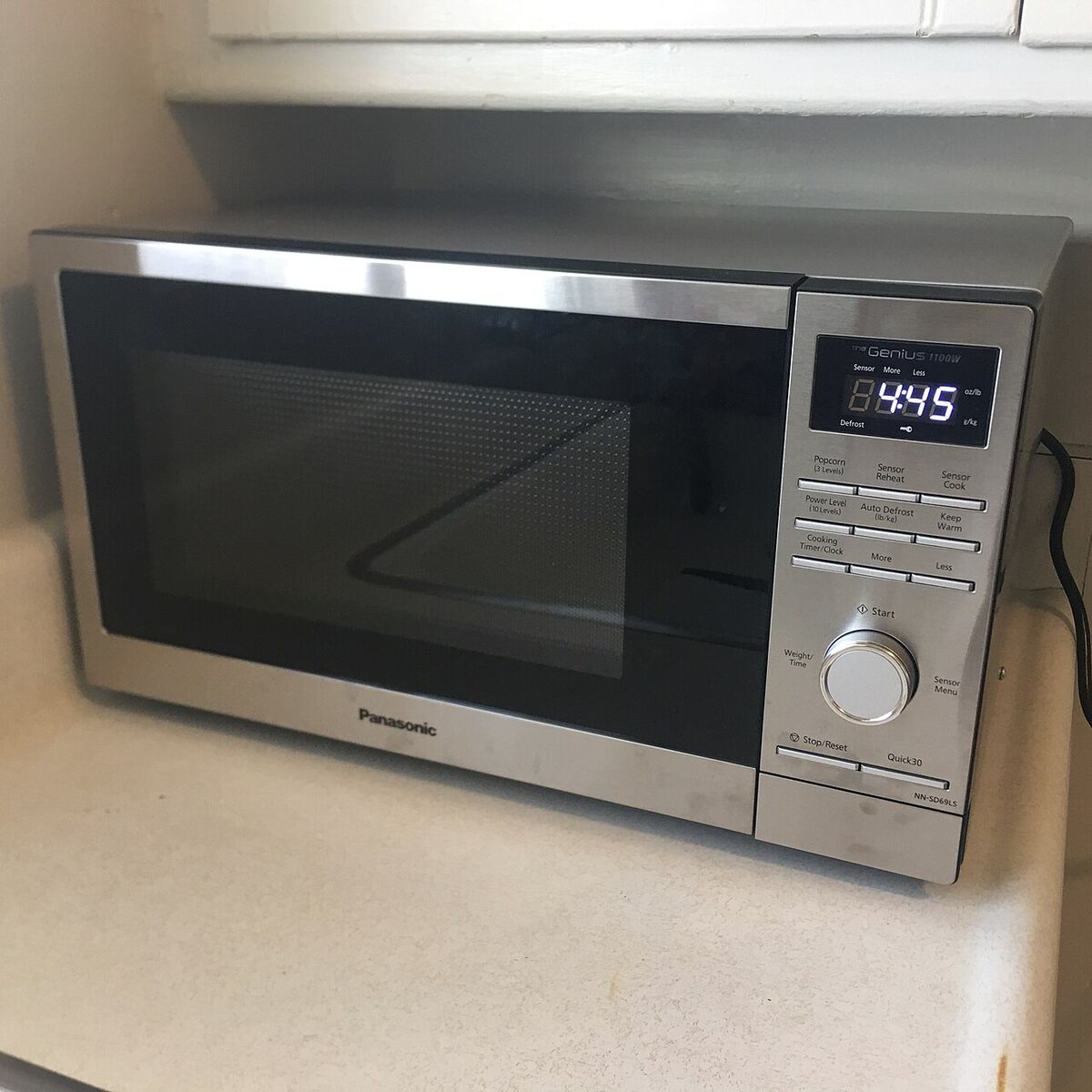
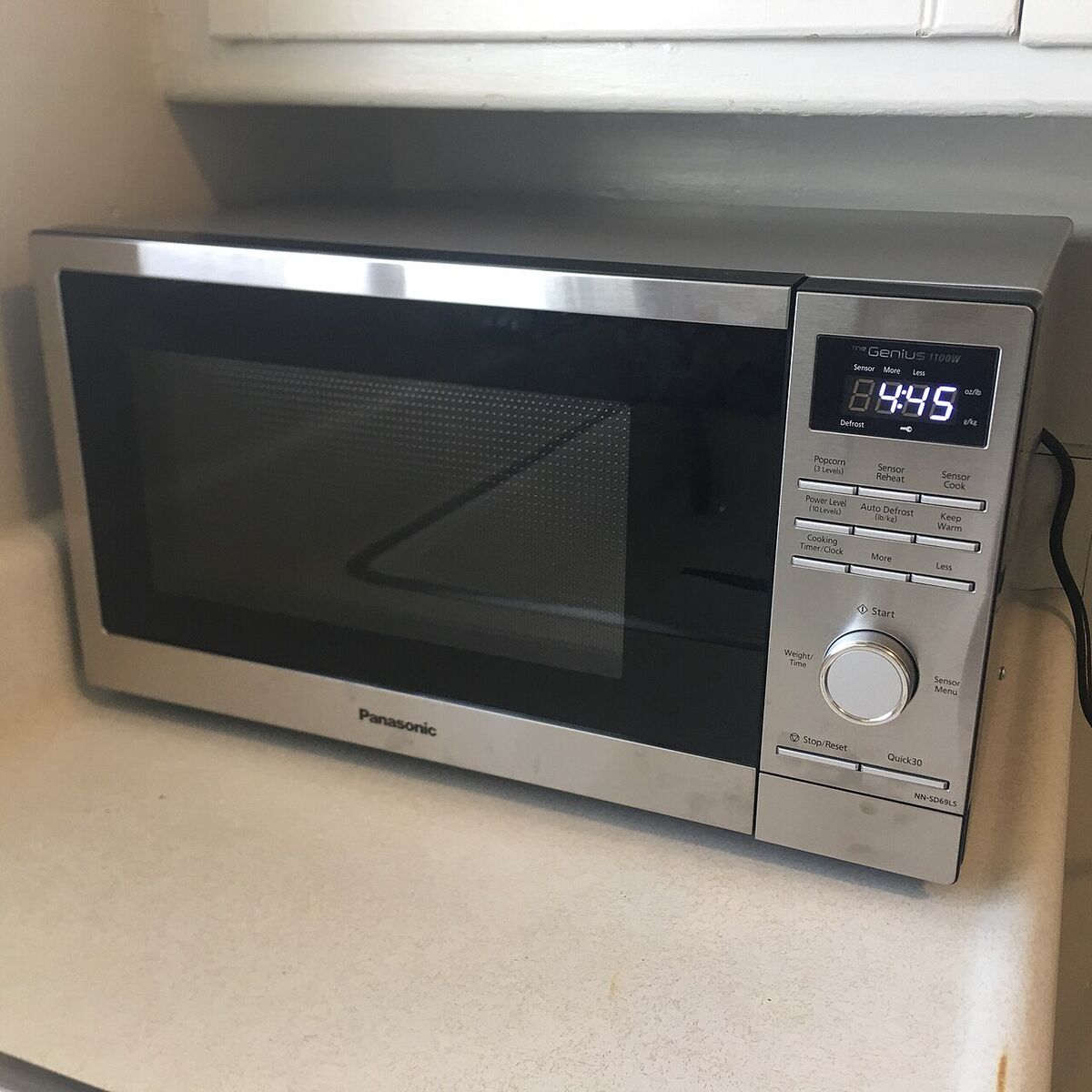
But these machines are not small, and they certainly aren't cheap. They look like a cross between a mini-fridge and a spaceship component. Below is what the process looks like, the hidden costs, and whether one makes sense for a normal household in 2026.
How Does Home Freeze Drying Actually Work?
A freeze dryer removes water through freezing and vacuum rather than heat, which is why it isn't just a fancy dehydrator. Dehydrators use heat to slowly evaporate water, which changes the texture and often degrades the nutritional value of the food.
A freeze dryer uses a process called lyophilization. Here is the basic breakdown:
- Freezing: The machine plunges the temperature down to around -40°F (-40°C), freezing the food solid.
- Vacuum: A powerful vacuum pump kicks on, creating a low-pressure environment inside the chamber.
- Sublimation: The machine slightly warms the food. Because of the vacuum, the ice turns directly into vapor (skipping the liquid water phase) and is pulled out of the food.
The result? The food retains about 97% of its original nutritional value, its original shape, and its flavor. It just weighs almost nothing and has a crispy, airy texture.
What Is It Like to Run a Freeze Dryer at Home?
Setting one up takes planning. The machine is heavy, requires a dedicated outlet (they pull a lot of power), and the vacuum pump can be surprisingly loud, a bit like a loud refrigerator running constantly in the background. A garage can be a good place for it.
What Foods Freeze-Dry Best?
- Fruit: Freeze-dried strawberries, bananas, and mangoes turn into sweet, crunchy snacks that melt in your mouth, and kids may eat them like candy.
- Leftovers and Soups: A big batch of chili or stew can be freeze-dried in trays, turning into powdery bricks. To eat them, add boiling water, wait about five minutes, and they can taste close to freshly cooked. It's an easy lazy-dinner option.
- Herbs and Veggies: Spinach, kale, and garden herbs freeze-dry well. Crushed into powders, they can be added to smoothies or soups later, which helps cut down on wilted greens in the crisper drawer.
What Are the Hidden Hassles and Costs?
It's not all astronaut ice cream and endless food supplies. There are significant downsides you need to know about.
- The Initial Price Tag: Even the smaller home units are a major investment, often costing as much as a high-end appliance or a used car. You really have to use it constantly to justify the cost.
- Maintenance is Required: The vacuum pump requires regular oil changes. You have to drain the oil, filter it, and refill it every few batches (unless you splurge for an oil-less pump, which costs even more). It's not a "set it and forget it" appliance; it needs ongoing care.
- Time and Electricity: A single batch can take anywhere from 24 to 40 hours depending on what you are drying. Running a compressor and a vacuum pump for almost two days straight puts a dent in the electric bill.
- Storage Logistics: The machine removes the water, but the food still takes up the same physical space. You need a lot of Mylar bags, oxygen absorbers, and shelf space to actually store all the food you are preserving.
Is a Home Freeze Dryer Worth It?
For a casual cook who just wants to save a few apples from going bad, a freeze dryer is overkill. A standard dehydrator or your freezer will do the job.
However, if you have a large garden, buy food in bulk from local farms, hunt, or are seriously committed to building a long-term emergency food supply, a home freeze dryer can be genuinely valuable. It offers a level of control over food preservation that canning or dehydrating can't match.
In my view, the payoff is peace of mind: a pantry of high-quality, long-lasting meals and a steady supply of crunchy strawberries. It's a lot of work, but pulling a bowl of chili with a 10-year shelf life out of a Mylar bag does feel a little bit like magic.