Upgrading to Wi-Fi 7: Real-World Speeds and Why Smart Homes Need It in 2026
- Hardware, Review, Technology
- Exienent
- · Updated
Is a Wi-Fi 7 (802.11be) router worth it in 2026? For homes with a gigabit internet plan, dozens of smart devices, or latency-sensitive gaming, yes: its wider channels and Multi-Link Operation (MLO) change how wireless traffic is managed, not just how fast it moves. For a small apartment with a handful of devices, a good Wi-Fi 6 router is still enough.
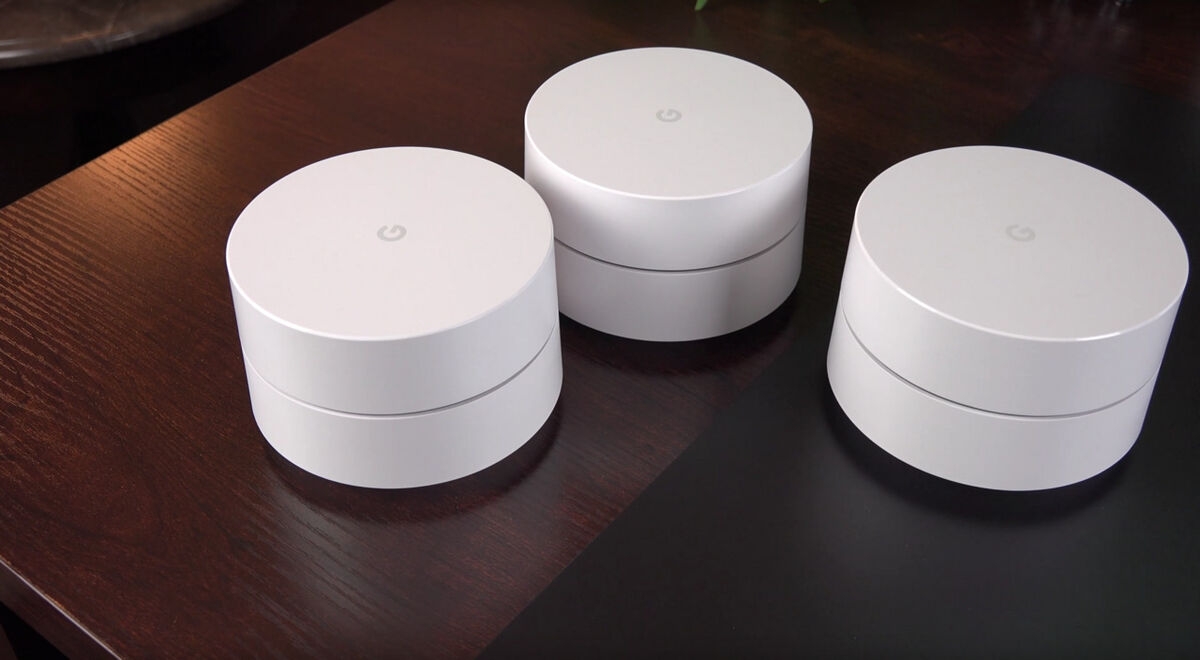
The router usually sits quietly in a dusty corner of the living room until it stops working. A Wi-Fi 6 mesh system can do a solid job for years, but networks start to feel the strain as demands pile up.
Working from home with uncompressed video calls, streaming 4K and occasionally 8K content, and accumulating a large number of smart home devices (IoT lights, security cameras, smart plugs, you name it) can congest a network. The dreaded "buffering" wheel shows up more often, and smart home commands can begin to lag.
For anyone at that point, skipping Wi-Fi 6E and jumping straight to a flagship Wi-Fi 7 router is a reasonable option. Here is whether the massive bandwidth claims can translate to a better daily experience.
How fast is Wi-Fi 7 in the real world?
Wi-Fi 7's headline feature is its theoretical maximum speed, which is drastically higher than Wi-Fi 6. But theoretical speeds are exactly that—theoretical. What matters is what happens when you pull large files down from a local NAS or the internet.
Wi-Fi 7 introduces 320MHz channels (double the width of Wi-Fi 6) and 4K QAM, which essentially crams more data into the same wireless signal.
With a Wi-Fi 7 capable laptop in the same room as the router, wireless transfer speeds can approach those of a wired gigabit ethernet connection. That makes downloading a large game entirely over Wi-Fi far less painful.
Performance through walls and floors matters too. Speeds inevitably drop with distance, but the baseline can still be higher than an older setup. The 6GHz band, which Wi-Fi 7 utilizes heavily, offers a clean, low-interference lane for your highest-priority devices.
What is Multi-Link Operation (MLO) and why does it matter?
MLO is the real game-changer in Wi-Fi 7, arguably more important than raw speed.
In older Wi-Fi standards, a device could only connect to one band at a time (usually either 2.4GHz or 5GHz). If that band got congested or the signal degraded, your device had to disconnect and reconnect to the other band, causing latency spikes and dropouts.
MLO allows Wi-Fi 7 devices to connect to multiple bands (2.4GHz, 5GHz, and 6GHz) simultaneously. It's like driving on a highway where you can use all three lanes at once depending on which one is moving fastest at any given millisecond.
For cloud gaming and wireless VR, this is significant. Lower latency can make fast-paced competitive shooters on a cloud gaming service feel close to playing locally, and the micro-stutters that can occur on congested Wi-Fi 6 networks may disappear.
Can Wi-Fi 7 fix a congested smart home?
Wi-Fi 7 can relieve smart home congestion by moving heavy traffic off the crowded 2.4GHz band. Most smart bulbs, locks, and sensors operate on 2.4GHz, and an older router can struggle to juggle dozens of devices constantly pinging the network.
By shifting high-bandwidth devices (laptops, phones, TVs) to the 5GHz and 6GHz bands using MLO, the 2.4GHz band can be left largely to smart home gear.
The possible result: smart lights that respond quickly to voice commands, security camera feeds that load without buffering, and a smart home ecosystem that feels snappier and more reliable.
Should you upgrade to Wi-Fi 7?
Upgrade only if your home's demands justify it, because Wi-Fi 7 routers are not cheap. They are premium, enthusiast-grade hardware right now.
| Your situation | Recommendation |
|---|---|
| Small apartment, a handful of devices, mostly browsing and Netflix | You do not need Wi-Fi 7 yet; a good Wi-Fi 6 router is still more than capable |
| Gigabit internet, dozens of smart home devices, large file transfers or ultra-low-latency gaming | Wi-Fi 7 is worth it |
For that second group, Wi-Fi 7 is not just a spec bump. It is a fundamental improvement in how wireless traffic is managed. For power users in 2026, I think it is finally time to upgrade.