Direct Air Capture (DAC): Can We Actually Vacuum Carbon Out of the Sky?
- Environment, Technology
- Exienent
- · Updated
Yes, we can pull carbon dioxide straight out of the sky—Direct Air Capture (DAC) is very much a reality in 2026—but it is not a silver bullet. DAC can physically remove CO2 we emitted decades ago, yet it still costs hundreds of dollars per ton, demands enormous amounts of clean energy, and cannot replace cutting emissions.
For years, the climate conversation has rightly focused on reducing emissions—driving EVs, switching to solar, eating less meat. But here's the uncomfortable truth I've been wrestling with: just cutting back isn't going to be enough anymore. We've already pumped too much CO2 into the atmosphere. To hit our climate goals, we have to clean up the mess we've already made. That is where carbon removal, and specifically DAC, comes in. The concept sounds almost too good to be true: giant vacuum cleaners sucking carbon dioxide straight out of the ambient air.
How Does Direct Air Capture Work?
DAC works less like a vacuum cleaner and more like a gigantic, high-tech chemical sponge. When I first pictured DAC, I imagined massive fans just blowing air into a void, but it's more elegant than that.
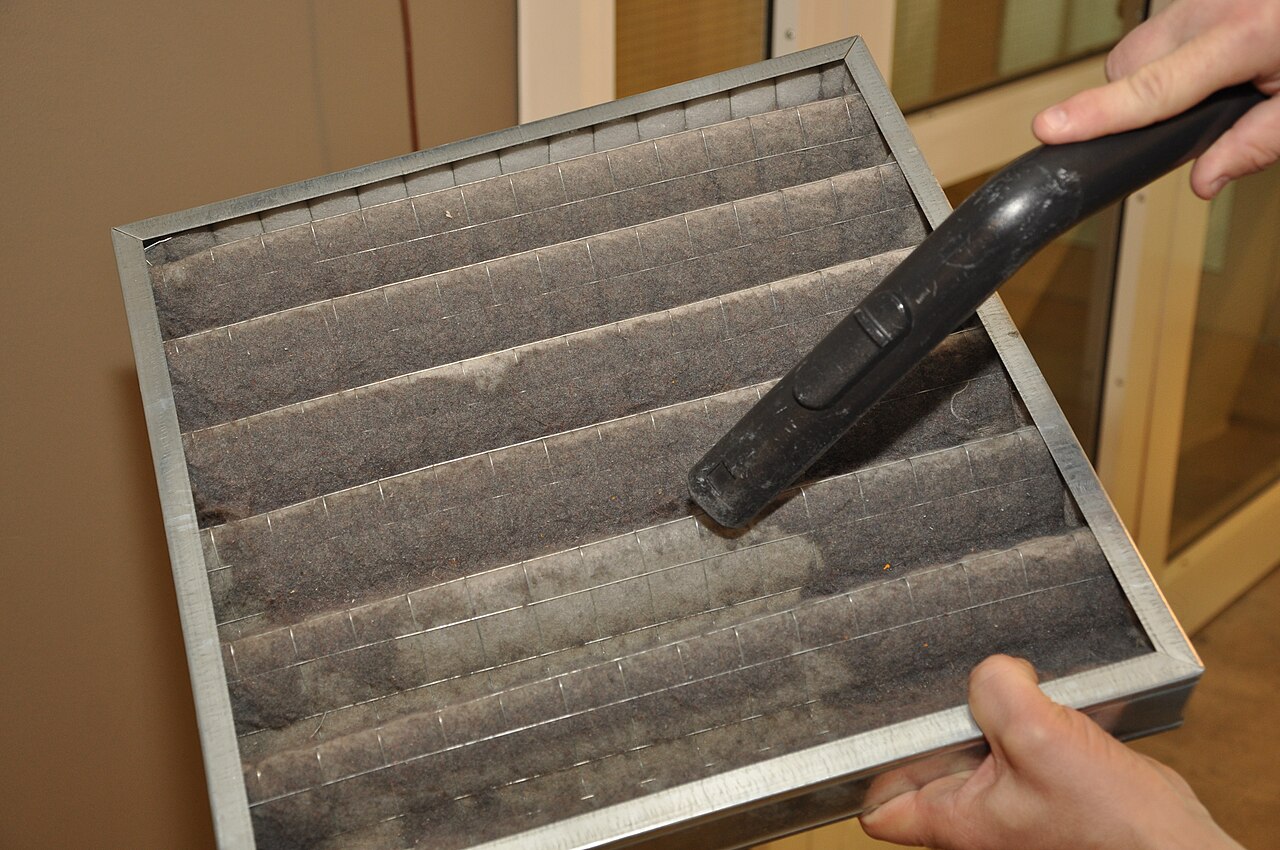
There are essentially two main ways these systems work, but the basic principle is the same. Large fans pull ambient air into the facility. Inside, the air is passed over a filter—often a liquid solvent or a solid sorbent—that has a chemical affinity for CO2. It's basically a chemical trap. The CO2 binds to this material, while the rest of the air (nitrogen, oxygen) flows right back out into the sky.
Once the "sponge" is full of CO2, it gets heated up. This heat releases the trapped carbon dioxide in a pure, concentrated form.
What Happens to the Captured CO2?
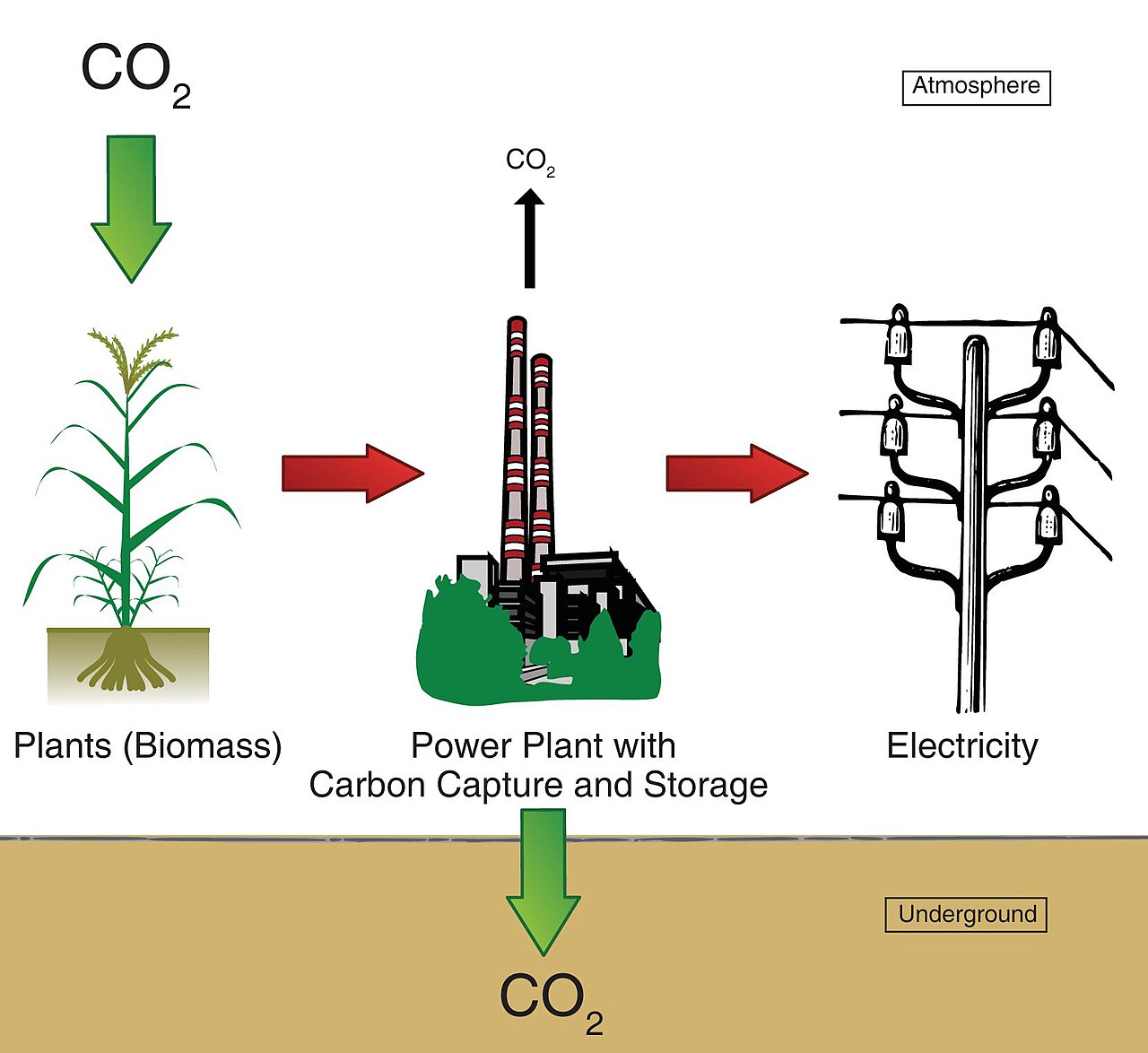
The most impactful option for the pure CO2 is to pump it deep underground into specific geological formations where it mineralizes and turns to stone over time, safely locked away for thousands of years. Alternatively, some companies are trying to recycle it—using it to carbonate beverages, cure concrete, or even synthesize carbon-neutral aviation fuels.
Why Is DAC Getting So Much Attention?
Everyone from tech billionaires to governments is pouring money into DAC because it offers something few other climate tools can:
- It Addresses Historical Emissions: This is the big one. Planting trees is great, but DAC is one of the few technologies that can physically remove the carbon we emitted 50 years ago. It goes beyond "net zero" to "net negative."
- Location Flexibility: Unlike capturing emissions from a factory smokestack, DAC plants can theoretically be built anywhere. You can put them in deserts where solar power is cheap and abundant, or right on top of the geological storage sites to minimize transportation costs.
- Measurable and Verifiable: When you use a machine to capture a ton of CO2 and bury it, you can accurately measure exactly how much you removed. It's highly verifiable, which is crucial for carbon credit markets.
What Are the Biggest Problems With DAC?
Cost and energy are the two massive hurdles keeping DAC from fixing everything tomorrow.
The core issue is that ambient air has a very low concentration of CO2 (around 420 parts per million). It's like trying to find a needle in a massive haystack. Because it's so diluted, you have to push an enormous amount of air through the system to capture a meaningful amount of carbon. And running those giant fans and heating the chemical "sponges" takes an incredible amount of energy.
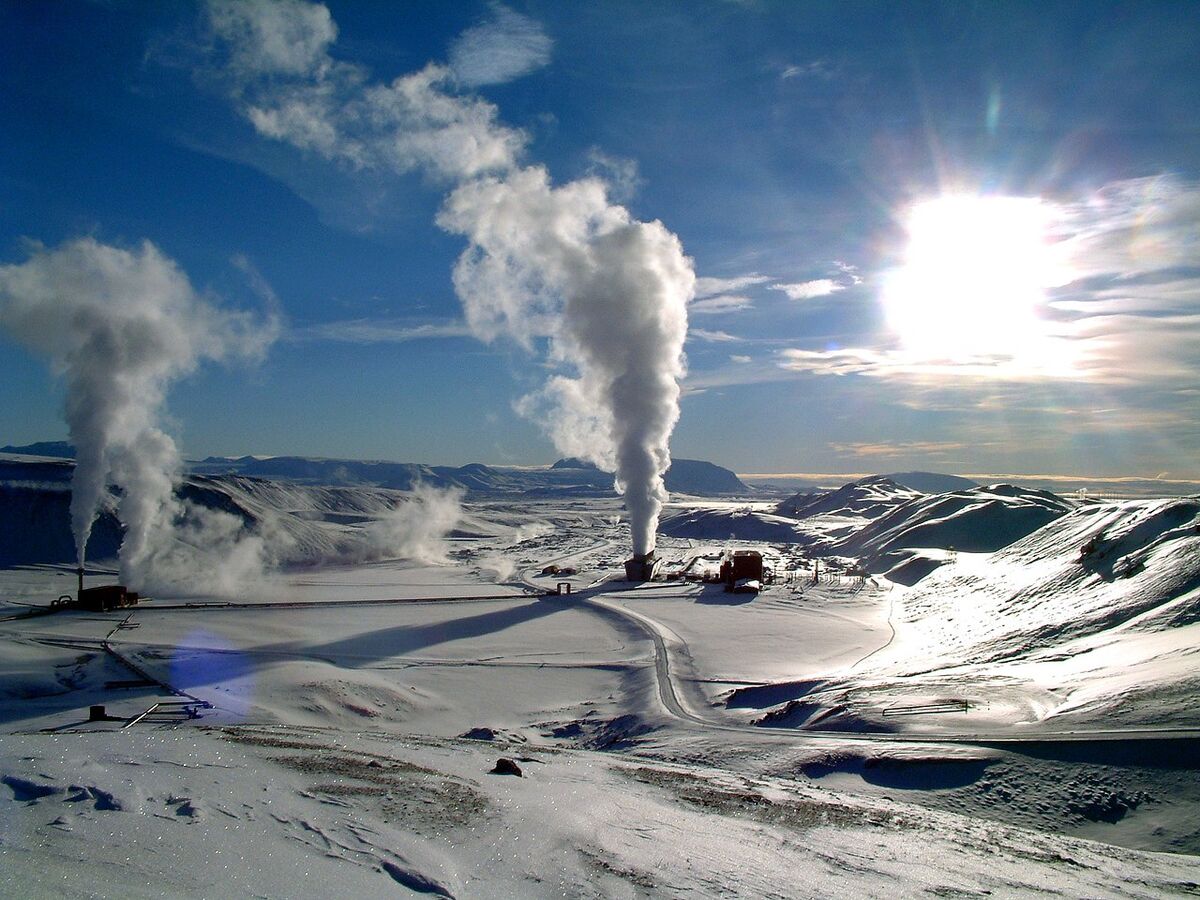
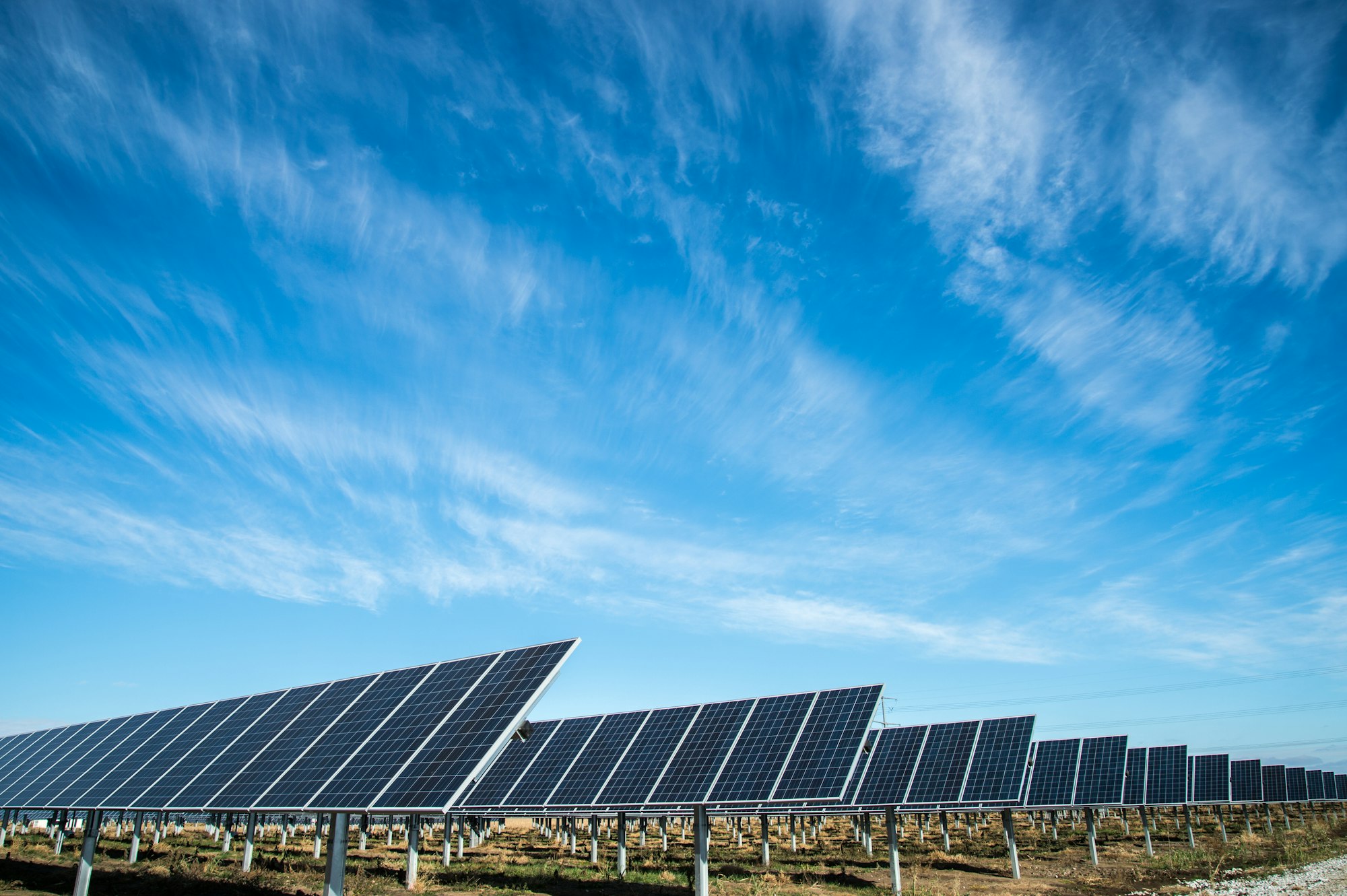
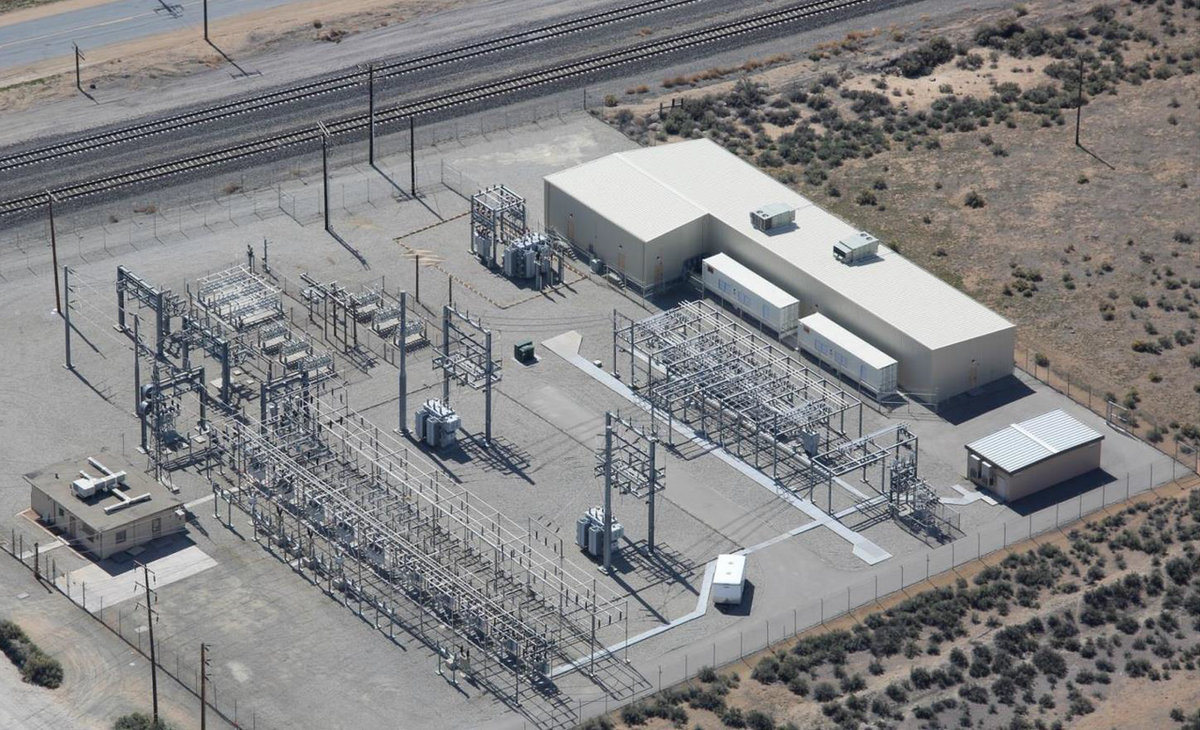
If a DAC plant is powered by fossil fuels, it completely defeats the purpose. Plants must be powered by clean, renewable energy or geothermal sources to make sense.
Then there's the cost. Right now, pulling a single ton of CO2 out of the air costs hundreds of dollars. For this to be viable on a global scale, we need to get that cost down closer to $100 per ton. Rapid innovation and economies of scale are bringing the price down, but it's a steep mountain to climb.
Can Direct Air Capture Save Us From Climate Change?
On its own, no—but my view on Direct Air Capture is one of cautious optimism. It is absolutely not a replacement for cutting emissions—we have to stop the bleeding first. However, it is an essential piece of the puzzle.
Think of DAC as the global cleanup crew. We need it to handle the hardest-to-abate sectors and to scrub the atmosphere of our past mistakes. It's an incredibly challenging engineering problem, but the real-world facilities scaling up right now give me hope that we might actually be able to vacuum the sky.