The Reality of Smart Contact Lenses: My Deep Dive into AR Right on Our Eyeballs
- Technology
- Exienent
- · Updated
Smart contact lenses in 2026 are real prototypes, not science fiction: they pack micro-LED displays, tiny batteries and wireless chips into a lens, with practical uses like navigation, health monitoring and live translation. They are not yet something you can buy at the pharmacy, because battery life and the control interface are still unsolved.
I used to think the idea of popping a computer into my eye was strictly reserved for sci-fi movies like Mission: Impossible or Black Mirror. The mere thought of a tiny screen sitting on my cornea sounded uncomfortable, if not downright terrifying. Reading into what is actually happening with smart contact lenses changed my perspective: the field is far more practical—and closer to reality—than I imagined.
I think we're on the brink of a major shift in how we interact with the digital world. No more pulling out a phone or putting on clunky AR glasses. The next screen might be invisible to everyone but you.
What Is a Smart Contact Lens?
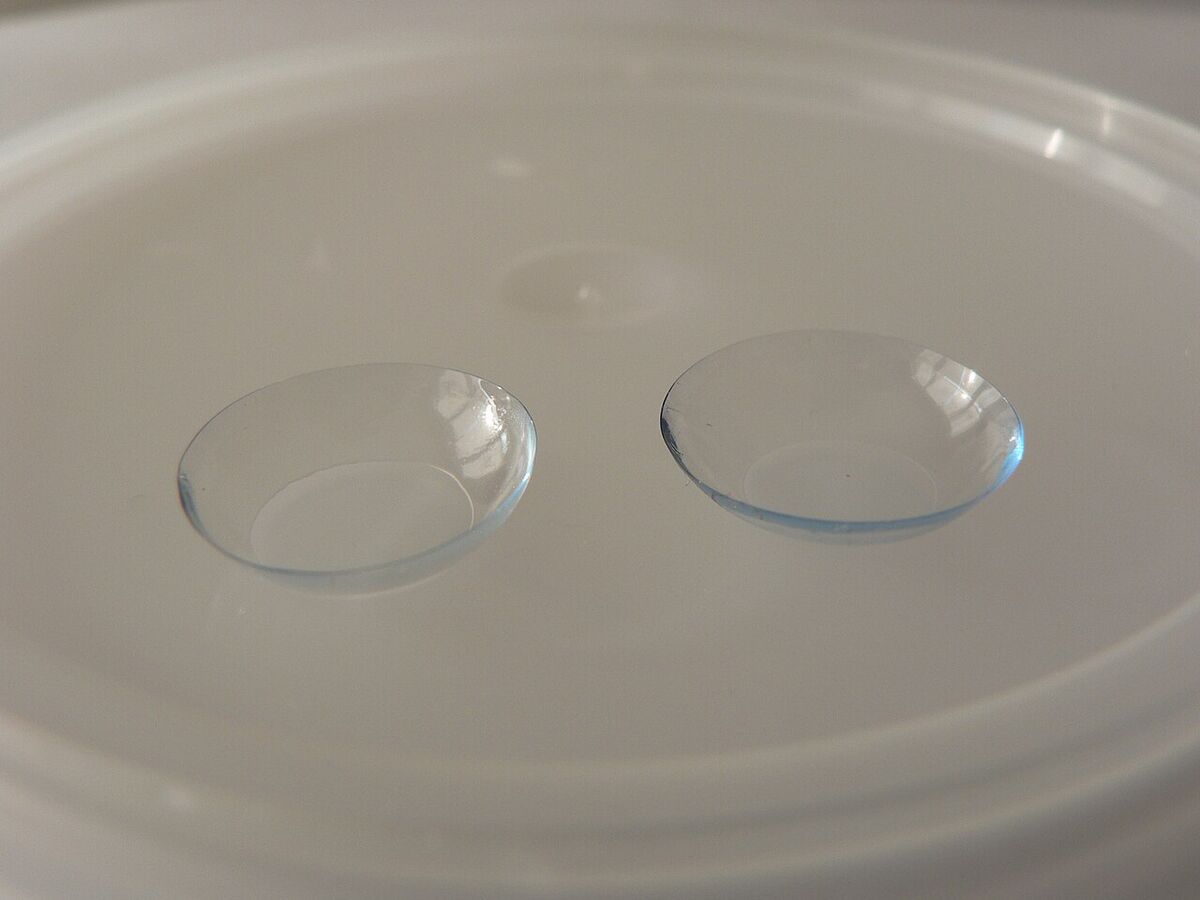
A smart contact lens is a lens packed with microscopic technology rather than one that only corrects your vision. Unlike standard daily disposables, these lenses hold micro-LED displays no bigger than a grain of sand, tiny batteries, and wireless communication chips—all sandwiched inside a lens you place on your eye.
Are Smart Contact Lenses Safe?
Safety is the obvious first concern: will they get hot, or scratch the eye? From the research and prototypes I've looked into, manufacturers are heavily focused on oxygen permeability. Eyes need to "breathe," and the layers of electronics are designed not to block that essential airflow. The power is also very low-voltage, so heat generation is minimal. It's genuinely fascinating engineering.
What Can Smart Contact Lenses Be Used For?
The most promising uses are subtle and practical rather than watching movies on your eyeball—which sounds exhausting, to be honest.
- Seamless Navigation: Imagine walking down a busy street in a new city. Instead of staring down at your phone like a lost tourist, a faint, glowing arrow overlays your vision, pointing exactly where you need to turn. It could feel intuitive, not intrusive.
- Health Monitoring: Some lenses are being developed to monitor biomarkers in tears. For people managing diabetes, continuous glucose monitoring without finger pricks or skin patches could make daily management easier, with the lens tracking quietly and alerting you if something is off. Any such use would still need to be guided by a doctor.
- Real-time Translation: Picture a conversation with someone speaking a different language, with translated subtitles floating just below their chin. It could break down barriers in a way that feels almost magical.
Why Aren't Smart Contact Lenses Available Yet?
Smart contact lenses aren't on pharmacy shelves yet mainly because of power and control problems.
Battery life remains one of the biggest bottlenecks. Fitting a battery small enough to be invisible but powerful enough to run a micro-display all day is a massive physics challenge. Many prototypes currently rely on wireless power transfer from a nearby device (like a necklace or a pair of standard glasses frames), which partly defeats the "invisible" aspect.
Then there's the interface. How do you click "enter"? Eye-tracking is the obvious answer: you dwell on an icon to select it, or blink in a specific pattern. However, learning not to select things accidentally while blinking naturally is likely to be a steep learning curve.
My Final Takeaway
Researching smart contact lenses has made me optimistic. While we still have a few years before they replace our smartphones, the foundational tech is already here. It's moving from "impossible" to "inevitable."
I think the key to their success will be subtlety. We don't want an overwhelming dashboard of information blinding us. We want digital enhancements that blend with the physical world, augmenting our reality only when we need it and fading away when we don't. And honestly? I can't wait to try a pair someday.