Living with Physical AI: How Smart Robotics Can Change Your Daily Routine in 2026
- Technology, Robotics, Smart Home
- Exienent
- · Updated
Physical AI—AI that can see, understand, and react to the real world through a robot body—is what finally makes home robots useful in 2026. Instead of following pre-programmed paths, these machines adapt to messy rooms in real time, though privacy, setup effort, and jarring mistakes remain real trade-offs.
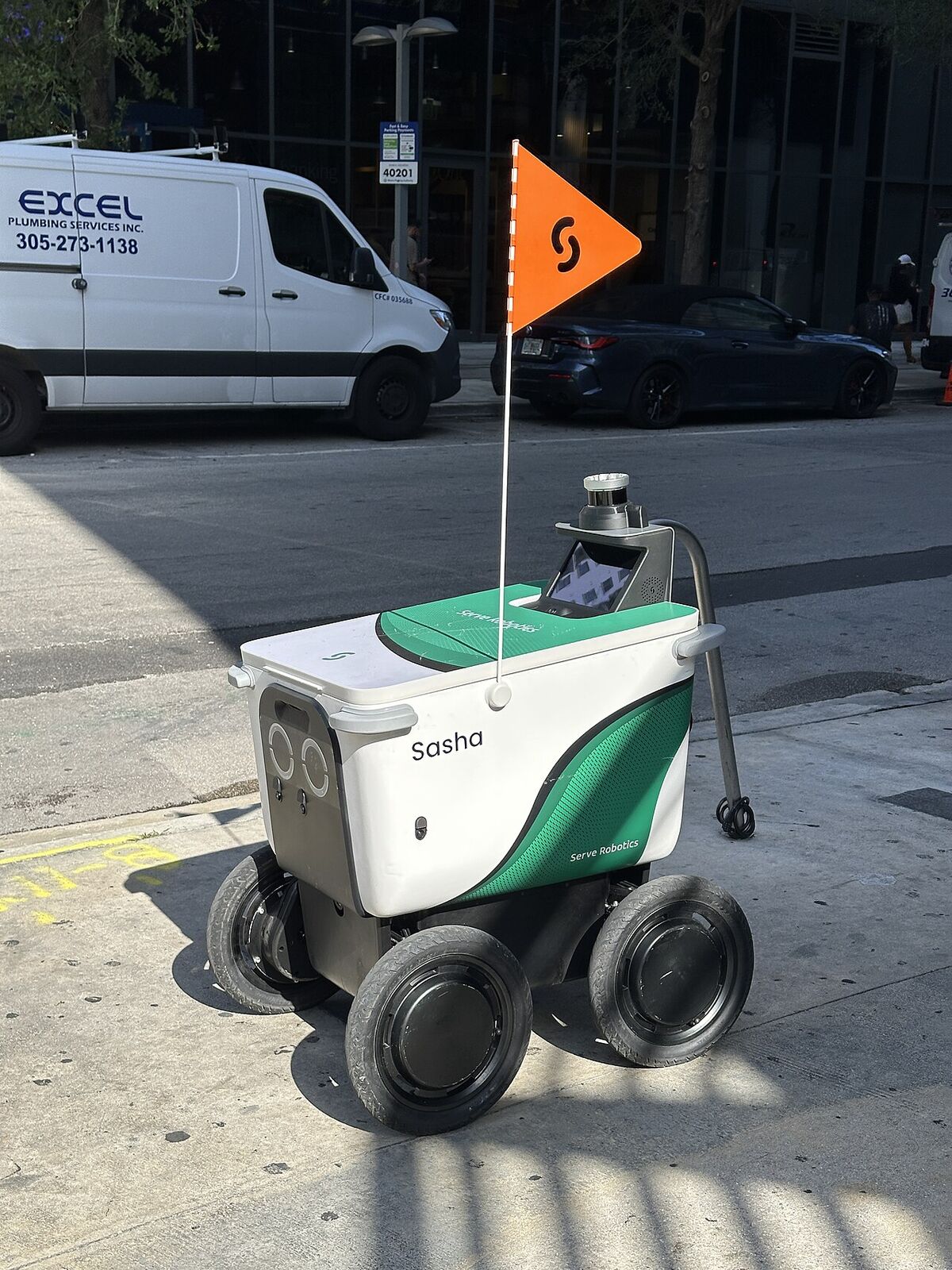
For the last decade, science fiction promised us robot butlers, but reality gave us little plastic pucks that inevitably got stuck on living room rugs. The gap between "smart home robotics" and actual human usefulness was frustratingly wide. In 2026, we're finally seeing the shift from clumsy, blind machines to truly intelligent helpers—the era where digital brains are getting capable, seeing bodies.
What actually is "Physical AI"?
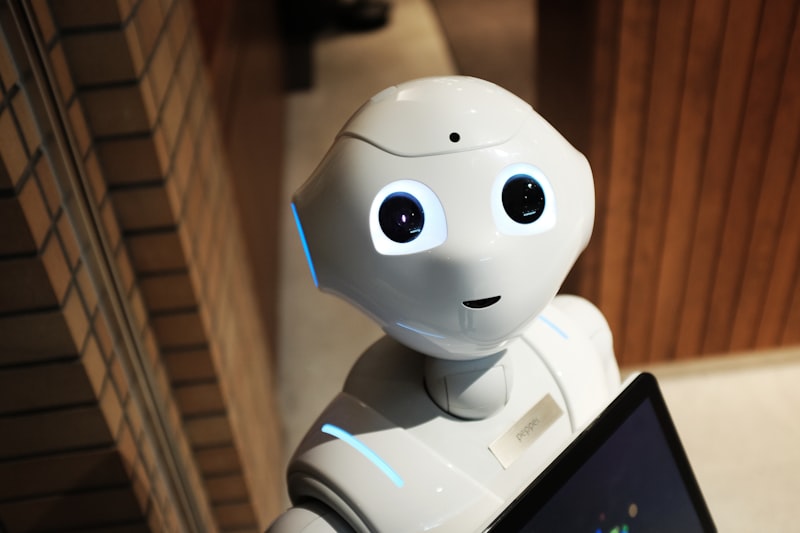
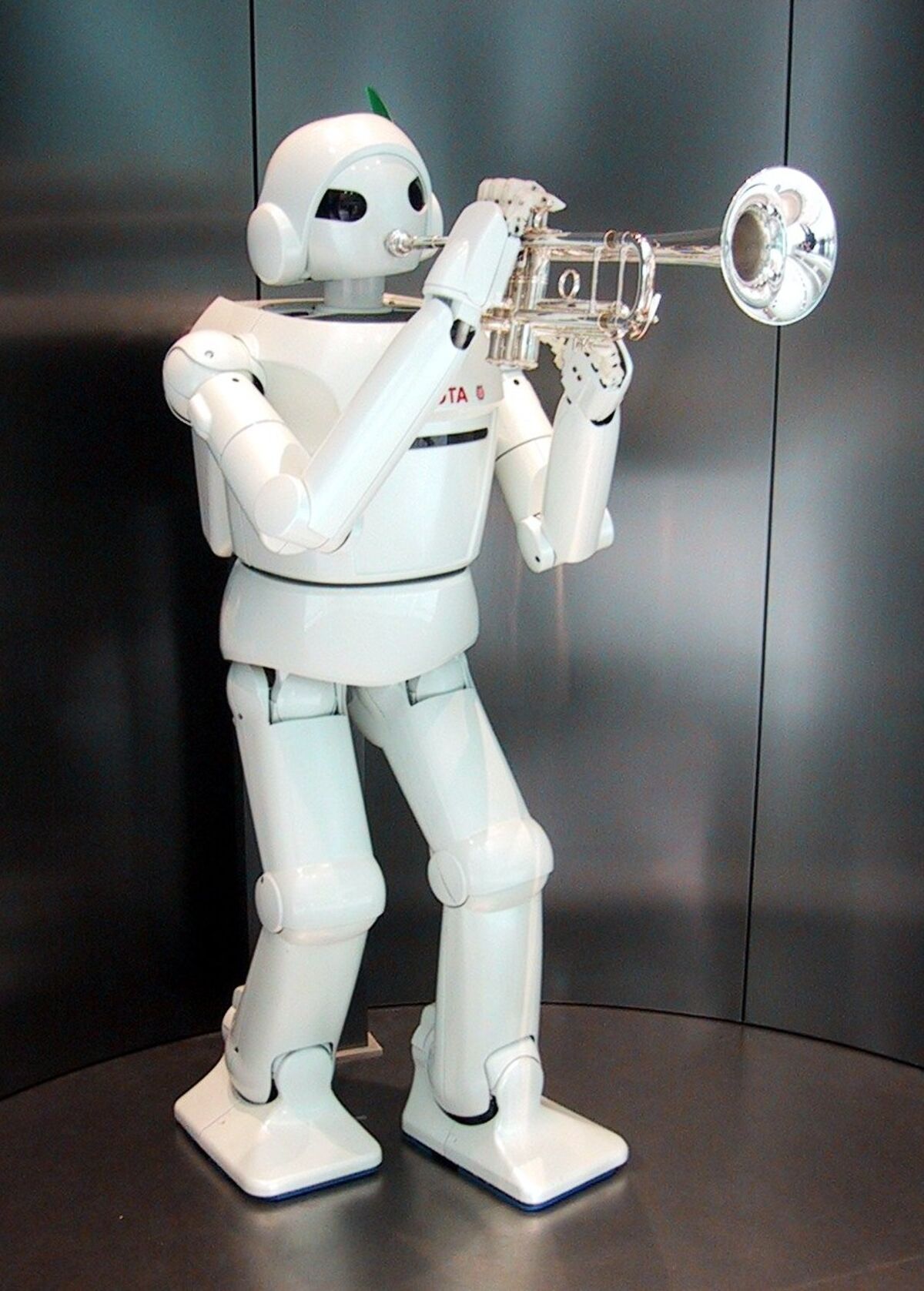
Physical AI is the embedding of advanced AI capabilities into physical robots. When we talk about the AI boom over the last few years, we usually mean software: LLMs, image generators, and coding assistants living comfortably in the cloud.
Physical AI takes those cognitive capabilities and puts them into machines. Instead of blindly following a pre-programmed path (like an old robot vacuum bumping into walls until it maps a room), Physical AI allows a machine to "see," "understand," and "react" to real-world, messy environments in real time.
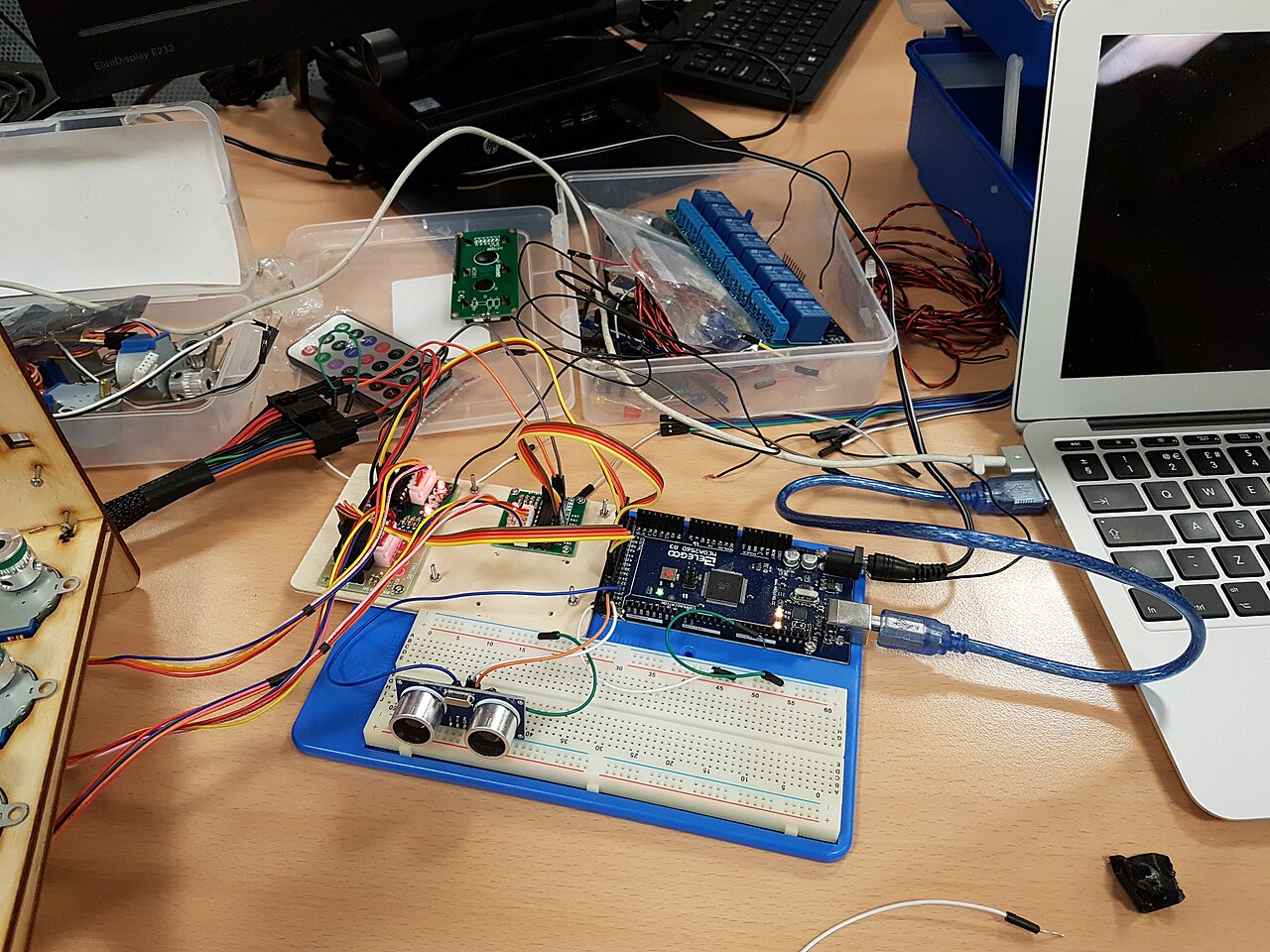
It represents the long-awaited convergence of IT (Information Technology like neural networks) and OT (Operational Technology like motors and physical sensors).
What can Physical AI robots do in a normal home?
In an ordinary house, the practical value comes from adaptive consumer robotics rather than a $100,000 humanoid cooking breakfast (we aren't quite there yet for everyday consumers).
1. The end of the "pre-cleaning" ritual
Anyone who has used an older robot vacuum knows the drill: before you turn it on, you scramble to pick up dog toys, stray cables, and shoes so the vacuum doesn't choke and die.
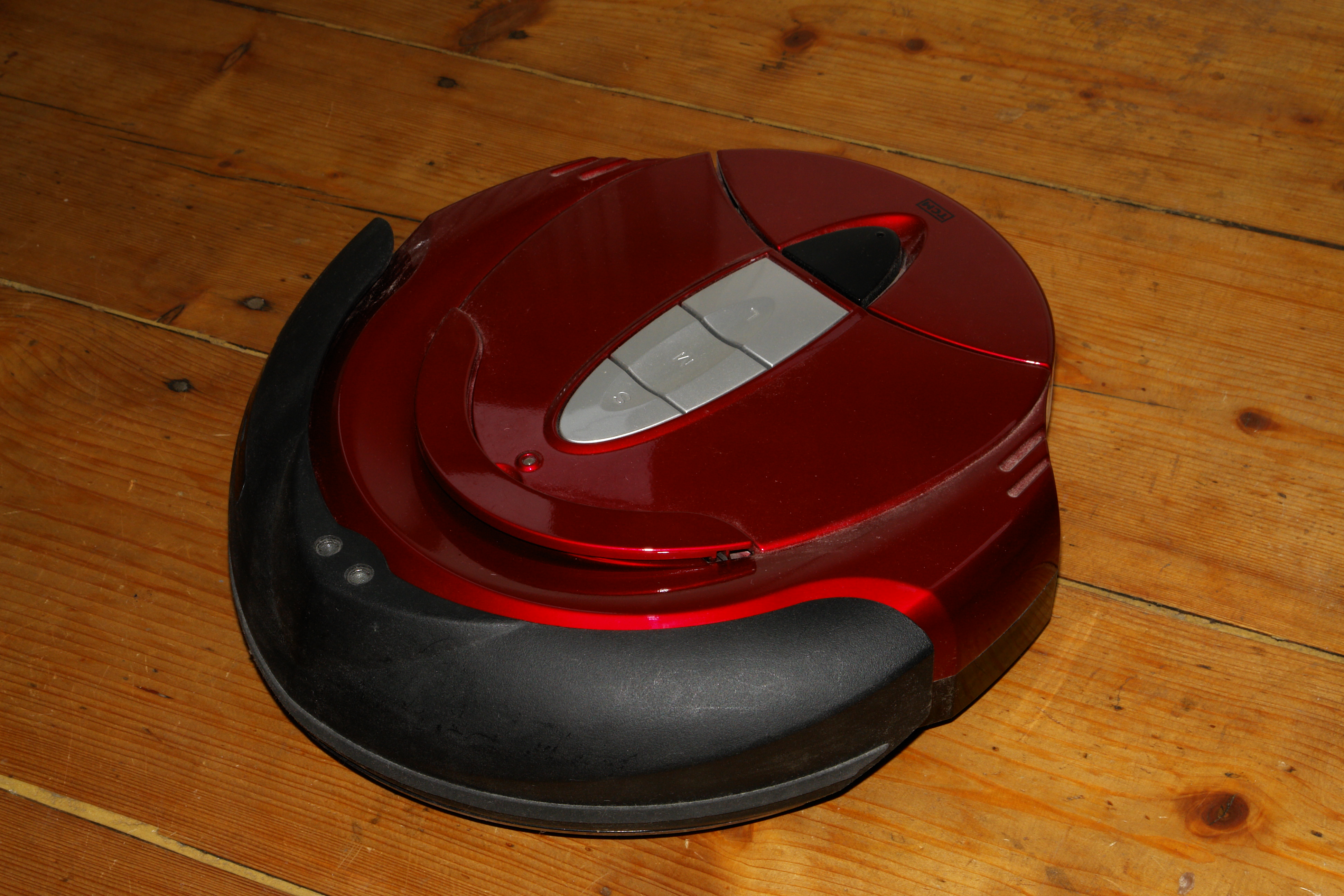
A 2026 Physical AI floorbot is designed to remove that step. Using spatial computing and vision models, it can recognize a charging cable as a hazard to avoid, categorize a dog toy as something to gently push aside, and identify spilled cereal as a priority target. It changes its approach based on what it sees, not just where it is mapped.
2. A kitchen assistant that actually assists
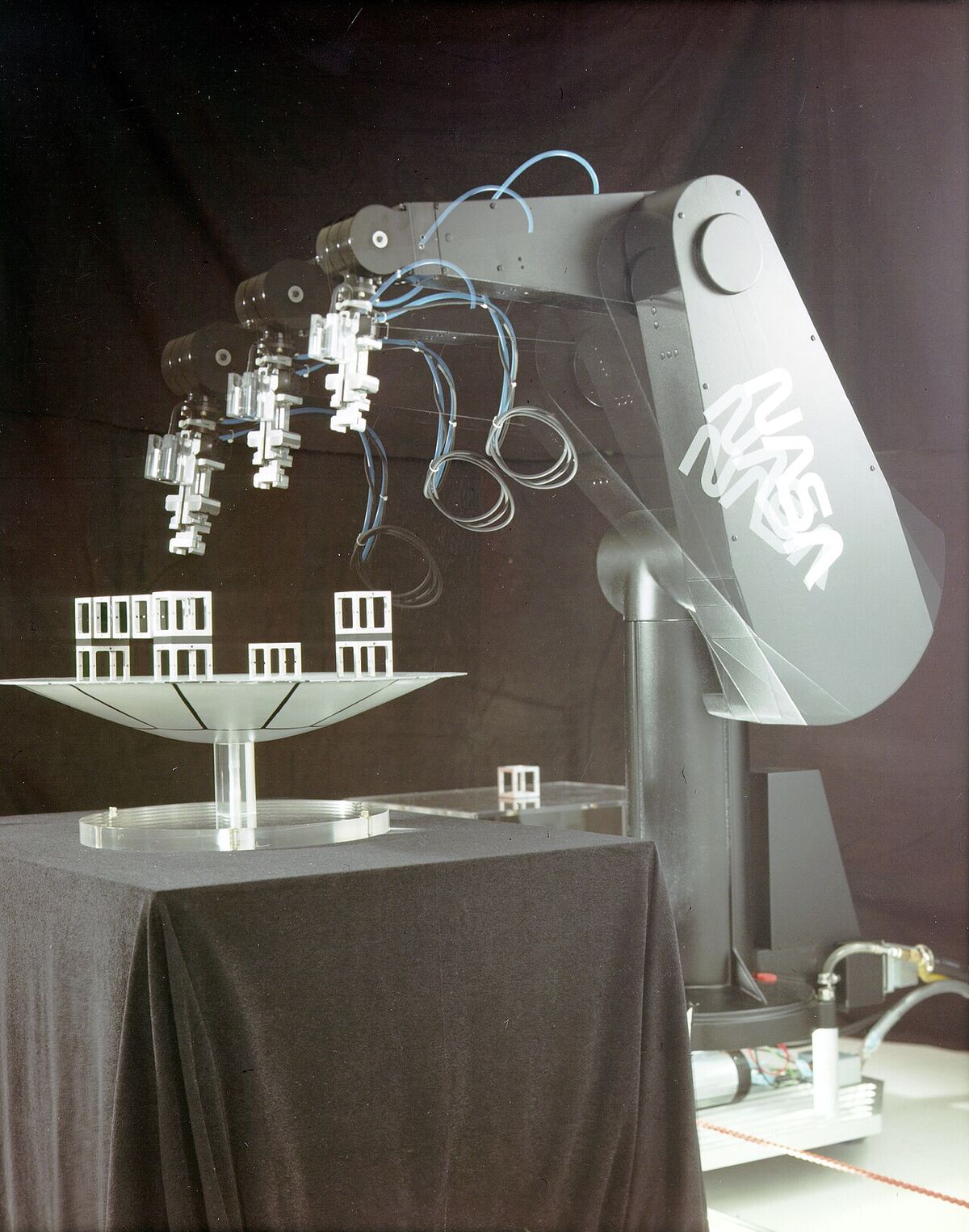
A vision-equipped robotic arm mounted on a kitchen counter is one of the more surprising categories. While it can't chop onions (yet), it can handle the annoying interstitial tasks: visually identifying clean dishes, sorting silverware, or grabbing a specific spice jar from the rack by reading its label. The point is not doing everything; it's doing highly repetitive physical tasks with pinpoint accuracy.
3. Seamless ecosystem integration
Physical AI isn't isolated. When these robots are tied into a broader smart home ecosystem, they can act with context. For example, when security cameras see a car pull into the driveway, the HVAC can adjust and a kitchen bot can retrieve a water bottle from the fridge dispenser and place it on the counter before anyone walks through the door.
What are the downsides of living with Physical AI?
It's not entirely utopia. Integrating these machines comes with a learning curve and a few headaches:
- The Uncanny Valley of Mistakes: Because these robots are so capable, their mistakes feel jarring. A robot misidentifying an object and doing something nonsensical is frustrating precisely because you expect it to know better.
- Privacy Concerns are Real: You are placing wandering, cloud-connected cameras inside your house. While modern systems heavily utilize on-device processing to keep data local, you have to be extremely conscious of your network security and the vendor's privacy policies.
- Patience is Required: These aren't just appliances; they are complex systems. You have to spend time "teaching" them your preferences and the quirks of your physical space.
Is Physical AI ready for the mainstream?
In my view, yes—at least as a foundation. Two years ago, smart robotics looked like a gimmick; in 2026, the technology has crossed the threshold from "cool tech demo" to "genuinely useful utility."
We are moving away from devices that need constant supervision toward machines that understand their environment. It's early days, but the foundation is solid. The physical world is messy, unpredictable, and chaotic—and for the first time, robots are actually equipped to handle it.
Would you trust a Physical AI robot to organize your kitchen or handle your chores? Let's discuss in the comments!