Drinking Water from Thin Air: A Guide to Home Atmospheric Water Generators (AWG) in 2026
- Environment, Technology, Review
- Exienent
- · Updated
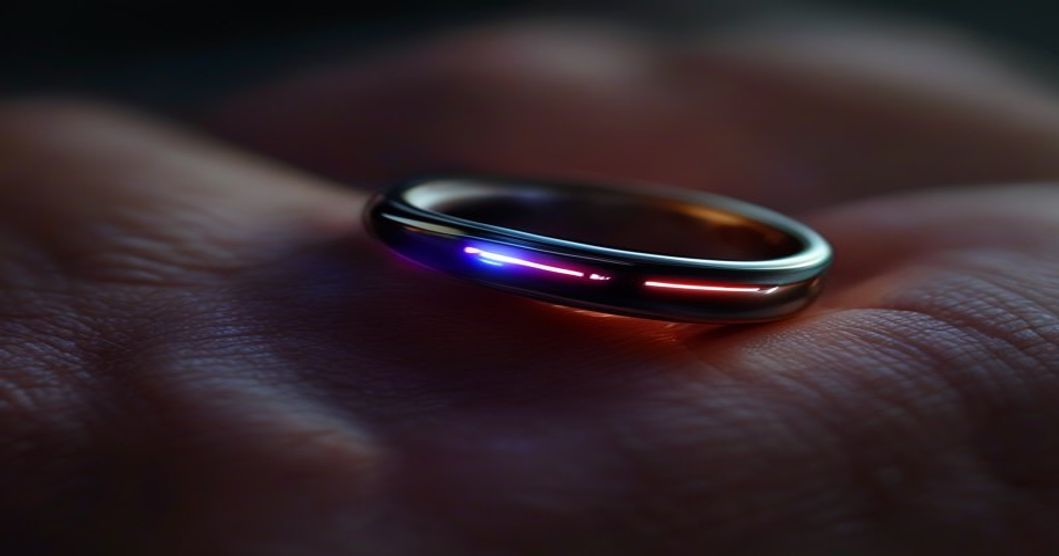
A home Atmospheric Water Generator (AWG) can pull clean drinking water straight out of the air in your kitchen, but how much it makes depends heavily on your climate, and it costs more to run than tap water. It makes the most sense for homes with unreliable tap water or for anyone who wants to stop buying bottled water.
With municipal water issues making headlines and an increasing drive towards personal sustainability, AWGs have suddenly shifted from industrial prototypes to sleek, countertop appliances in 2026. The real question is whether generating your own water from thin air is a viable everyday solution or just an expensive gimmick.
How Does an Atmospheric Water Generator Work?
At its core, an AWG functions a lot like a heavy-duty dehumidifier, but with a massive upgrade in filtration and hygiene.
The machine pulls in ambient air and cools it below its dew point, causing the water vapor in the air to condense into liquid water. From there, the real magic happens. The collected water is passed through a multi-stage purification process—usually involving carbon filters, reverse osmosis, and finally, a UV light chamber to kill bacteria. Finally, the system adds essential minerals back into the water to improve its taste.
What Is It Like to Live with an AWG?
Living with this appliance comes with a learning curve. If you're looking into buying one of these units, here is what you need to know.
How Does AWG Water Taste?
AWG water can taste remarkably crisp and clean. Because the base is essentially distilled water before the machine remineralizes it, there should be no chlorine taste or metallic hints, and the multi-stage filtration is designed to strip out contaminants such as microplastics. The result can taste better than some premium bottled waters.
How Much Water Does an AWG Produce?
Production depends on your climate, and this is the biggest caveat. The machine's output is directly tied to the humidity and temperature of your home.
- On a warm, humid summer day, a countertop unit can run at or near its maximum rated capacity, which may be more than enough for daily drinking and cooking needs. Check the manufacturer's rated daily output before buying.
- During a cold, dry spell, production can slow to a crawl, with the machine running constantly just to yield a couple of liters. If you live in an arid desert climate, a standard AWG might not be the most efficient choice for you.
Is an AWG Noisy?
It can be. Because the machine uses a compressor to cool the air, it generates noise that may be comparable to a loud refrigerator or a window AC unit running on low. It also vents warm air out the back. In winter, this slight heating effect can be pleasant in a kitchen, but in summer it adds unwanted heat to the room.
How Much Does an AWG Really Cost?
The upfront cost of a good AWG in 2026 is still steep—expect to pay anywhere from $800 to $2,000 for a reliable countertop unit. On top of that, the machine needs electricity to run the compressor, and the cost per gallon rises when the air is dry, because the machine has to work harder.
Add in the cost of replacing the filters and UV bulbs every 6 to 12 months, and it is definitely more expensive than tap water. However, it can be cheaper—and far more environmentally friendly—than constantly buying premium bottled water or maintaining a water delivery service.
Who Is an Atmospheric Water Generator Actually For?
If you live in an area with excellent, safe tap water, an AWG is probably overkill right now.
However, if you are dealing with aging pipes, frequent boil-water advisories, or if you simply want complete control and off-grid independence regarding what goes into your body, an Atmospheric Water Generator is an incredible piece of technology. As long as you have electricity and humid air, it can keep producing clean drinking water on its own.