Stop Your Pots from Boiling Over With This Unbelievably Simple Wooden Spoon Hack
- Lifestyle, Review
- Exienent
- · Updated
How do you stop a pot of pasta water from boiling over? Lay a wooden spoon flat across the rim of the uncovered pot. The relatively cool, rough wood pops the rising starchy bubbles before they spill, which buys you time to turn the heat down.
We've all been there. You put a pot of water on the stove to boil some pasta or potatoes, turn your back for five seconds to chop some garlic, and suddenly you hear the dreaded hissing sound. The starchy water has boiled over, creating a massive, sticky mess all over your perfectly clean stovetop.
It can happen even if you watch the pot like a hawk; the moment you look away, disaster strikes. Cleaning burnt, crusty pasta water off the stove is one of the least pleasant kitchen chores. Putting a spoon across the pot sounds completely ridiculous—how could a simple spoon stop a rolling boil?—but there is real physics behind it.
How do you use the wooden spoon trick?
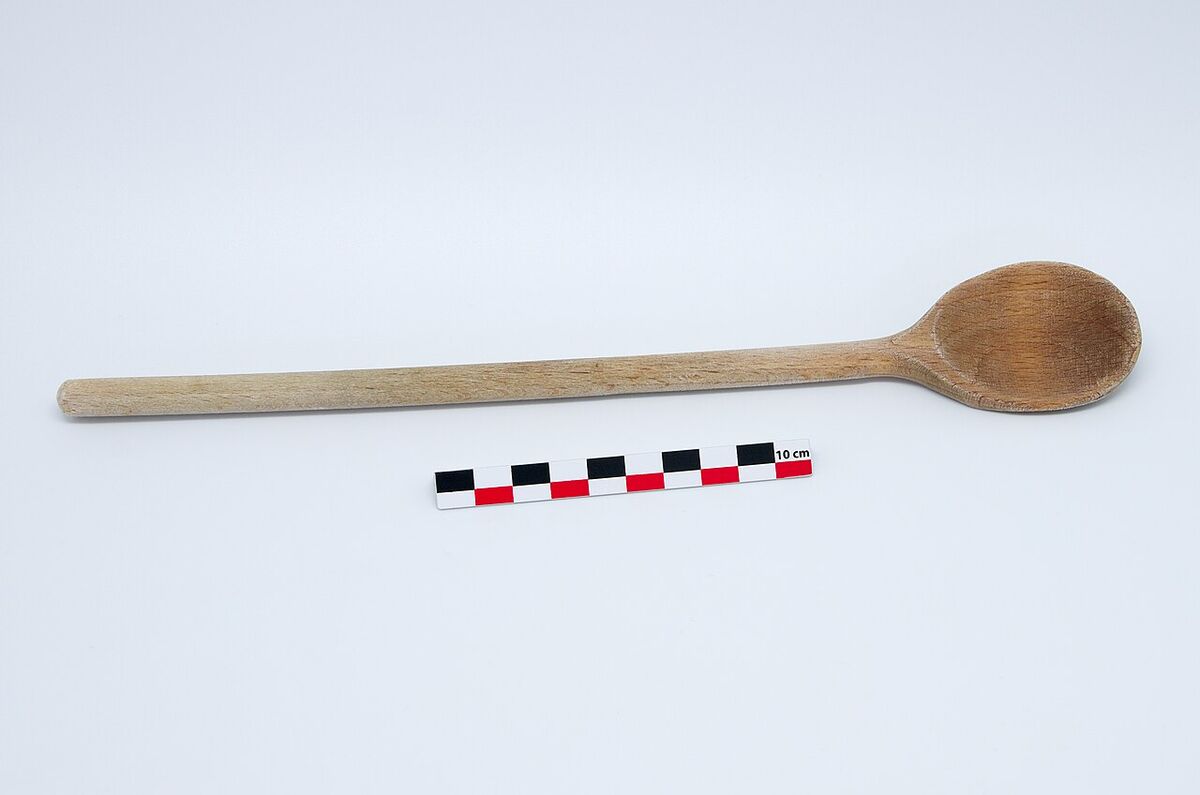
The method couldn't be easier. Just take a standard wooden spoon (or a wooden spatula) and lay it flat across the rim of your uncovered boiling pot. That is literally it.
Why does a wooden spoon stop a pot from boiling over?
A wooden spoon works because of basic physics and the properties of wood.
When starchy water boils, the bubbles that rise to the top aren't just water vapor; they are essentially tiny pockets of steam encased in a stretchy, starchy film. When you place a wooden spoon across the pot, two things happen:
- Temperature Difference: Wood is an excellent insulator, meaning it doesn't conduct heat very well. Even when the water is boiling rapidly, the wooden spoon remains relatively cool. When those hot, starchy bubbles rise up and touch the cooler surface of the spoon, the steam condenses back into liquid water. The surface tension of the bubble breaks, and it pops, sinking back into the pot instead of spilling over the edge.
- Physical Barrier: The rough, porous texture of the wood also acts as a physical barrier that helps puncture the bubbles more effectively than a smooth metal or silicone surface would.
What are the limits of the wooden spoon trick?
The trick has two limits worth knowing:
- It Buys You Time, Not Invincibility: The wooden spoon trick is meant to prevent an immediate boil-over. If you leave the heat cranked up to the absolute maximum for 10 minutes and walk into the other room, the spoon will eventually heat up, the bubbles will overwhelm it, and you'll still have a mess. It's best used to buy you a little time to turn the heat down slightly.
- Stick to Wood: Do not try this with a metal spoon! Metal conducts heat incredibly fast, so the spoon will get dangerously hot to touch and won't pop the bubbles as effectively. A plastic spoon is obviously a terrible idea as well, as it could melt.
Is the wooden spoon hack worth trying?
Yes. If you are tired of scrubbing starchy messes off your stovetop, grab a wooden spoon the next time you boil pasta. I think it is one of those rare, effortless life hacks that actually lives up to the hype. Happy cooking!