The Return of the 'Third Place' in 2026: Why We Desperately Need Spaces That Aren't Home or Work
- Lifestyle
- Exien
- · Updated
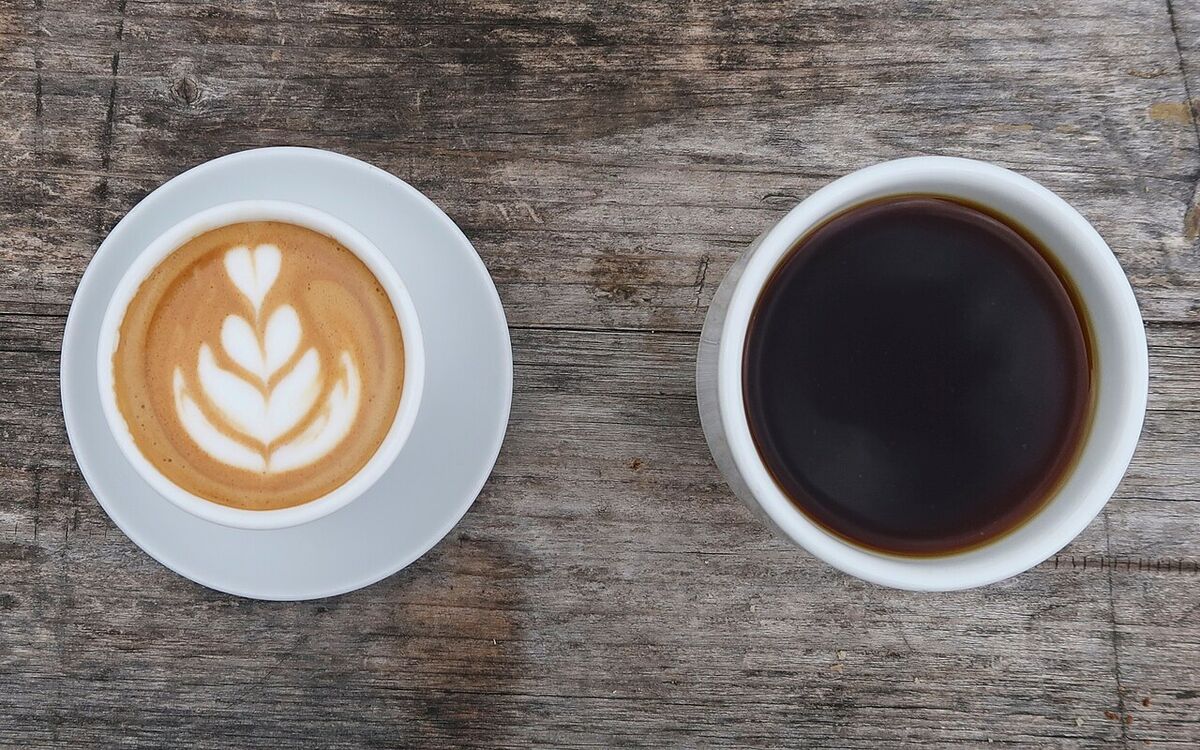
A "third place" is any spot that is neither home nor work, such as a coffee shop, pub, park or community center, where people can linger and connect without pressure. After years of disappearing, these spaces are making a comeback in 2026, because screens and group chats have not filled the gap left by face-to-face community.
What Is a Third Place?
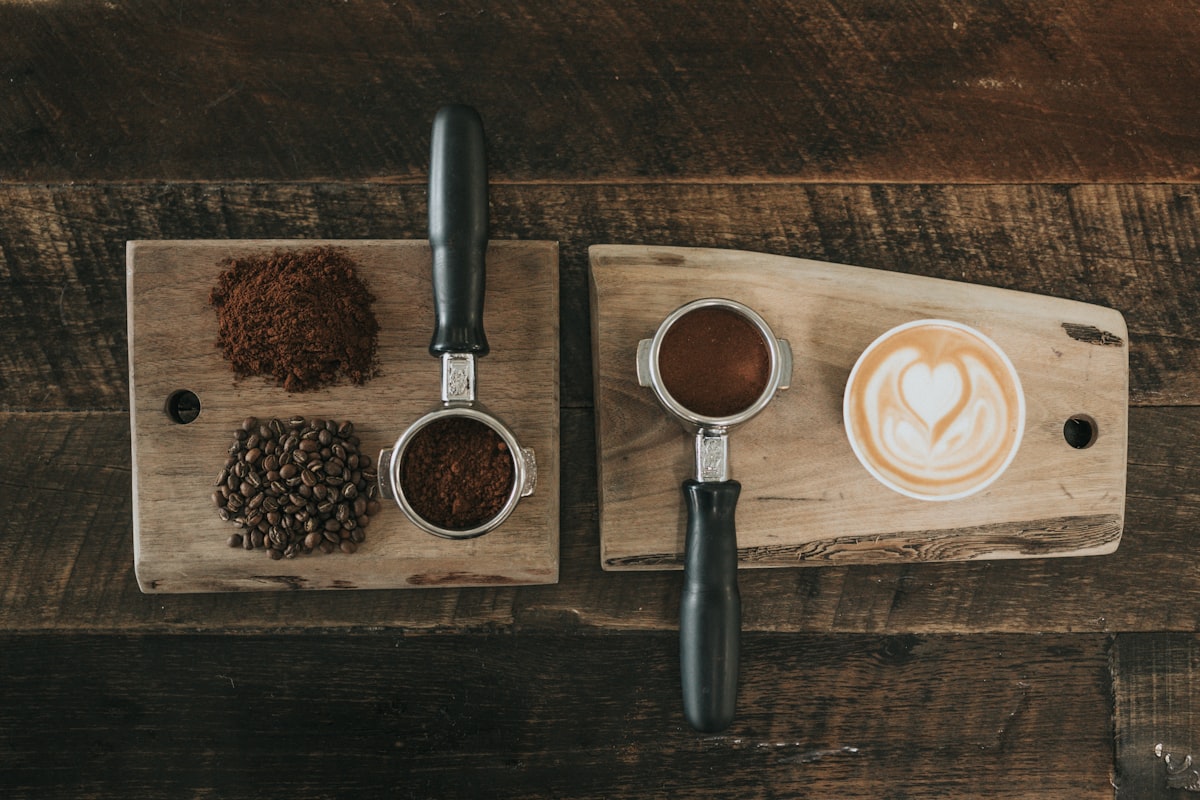
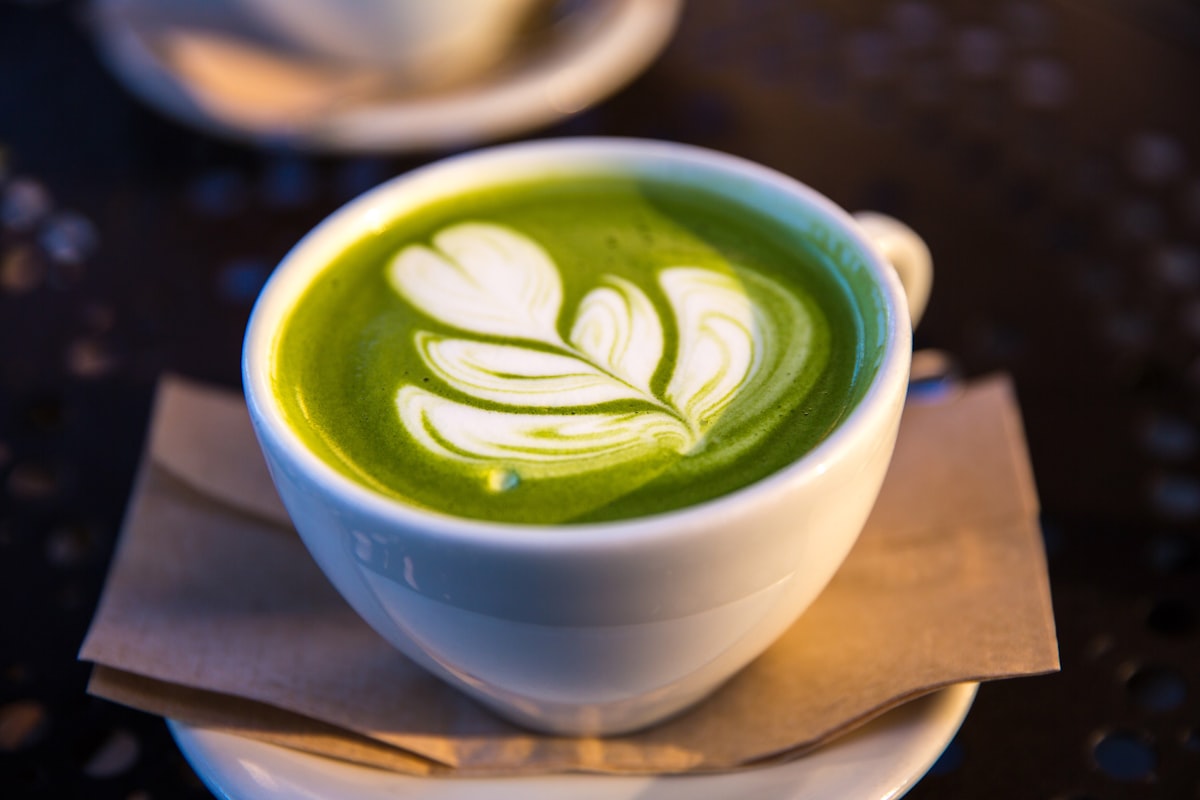
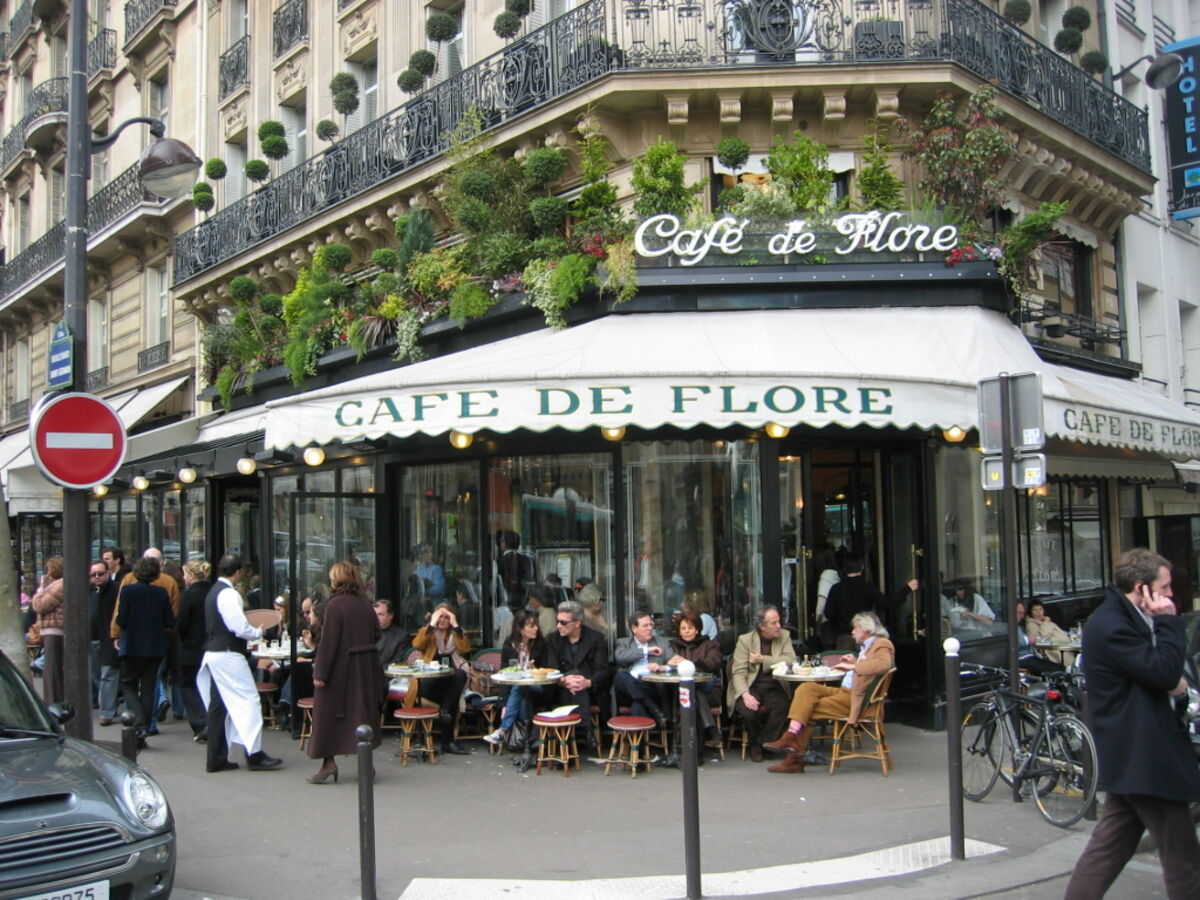
Sociologist Ray Oldenburg coined the term "third place" decades ago. The "first place" is your home. The "second place" is your workplace or school. The "third place" is everywhere else—the local coffee shop, the neighborhood pub, the community center, the park, or the bookstore. It's a neutral ground where people can gather, linger, and connect without the pressure of productivity or domestic chores.
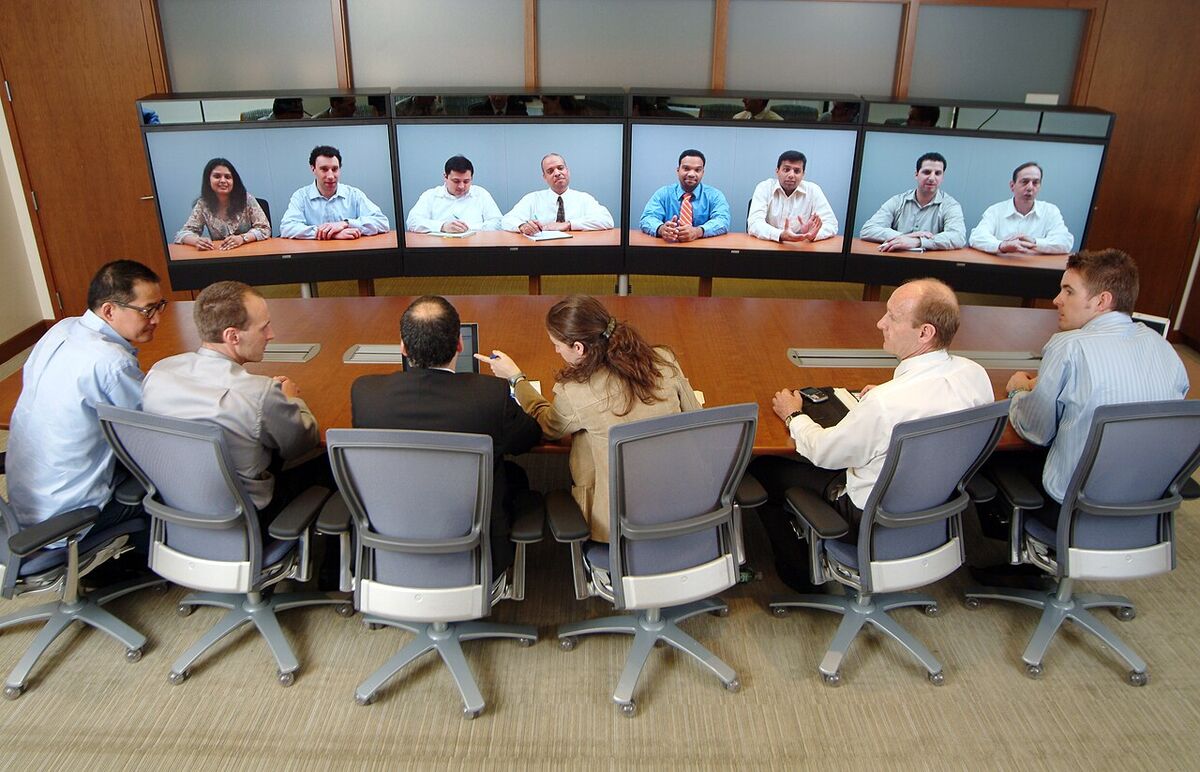
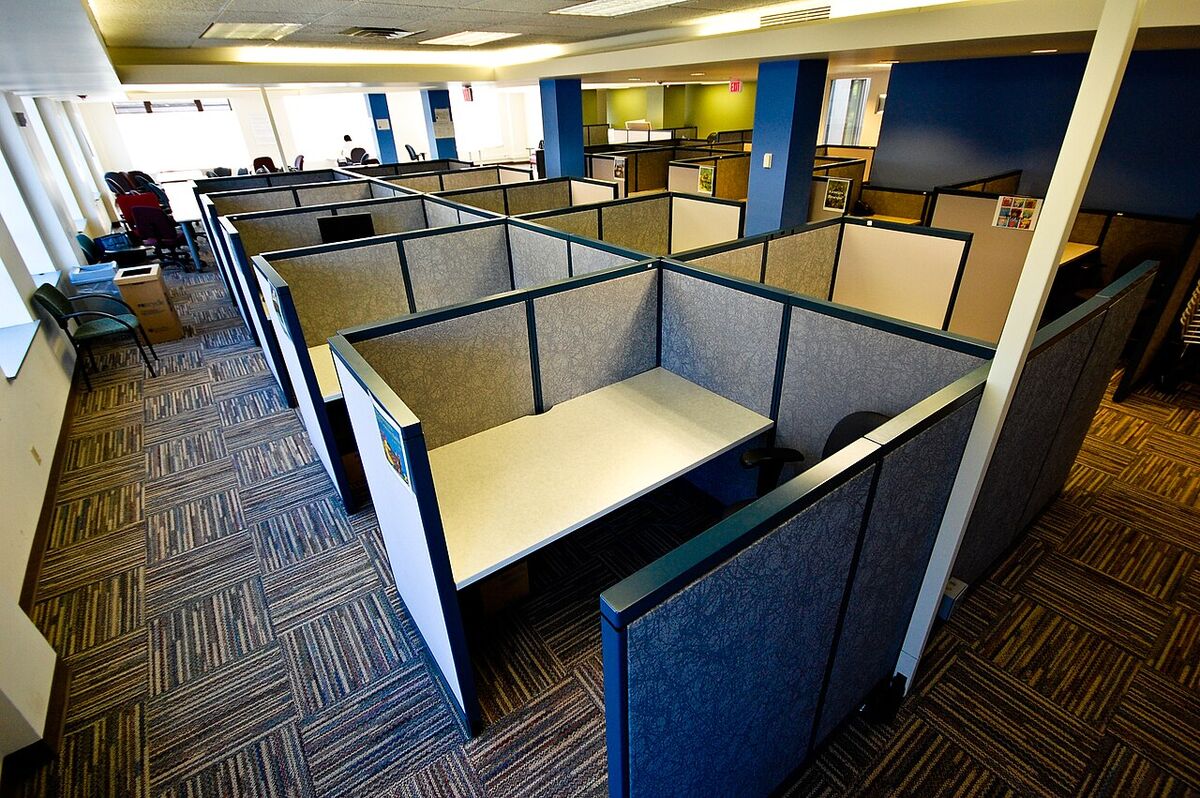
The need is easy to feel for anyone who works from home. When the living room is also the office, the gym, and the movie theater, it is possible to stare at the same walls from Monday morning to Friday evening and go days without speaking to another person face-to-face. At that point, simply leaving the house is not enough; what is missing is a third place.
Where Did Our Third Places Go?
Over the last few years, especially following the pandemic, many of our traditional third places slowly disappeared or changed fundamentally.
Coffee shops removed their comfortable seating to prioritize mobile orders and quick turnover. Libraries struggled with funding. Fast-casual restaurants became loud and aggressively lit, signaling that you should eat and leave immediately. Everything became optimized for efficiency and extraction, rather than connection and community.
We traded messy, spontaneous human interaction for the convenience of one-click delivery and algorithmic entertainment.
Why Are Third Places Coming Back in 2026?
Third places are returning because the epidemic of loneliness has reached a boiling point. Now, in 2026, the pendulum is finally swinging back. Zoom happy hours and endless group chats are like eating fast food when you're starving for a real meal—they fill you up temporarily, but they lack essential nutrients.
The revival shows up in spaces intentionally designed for lingering:
- The Anti-Hustle Cafes: Picture a neighborhood cafe that explicitly bans laptops on weekends, with big, comfortable couches, board games, and quiet background music. In a space like that, people actually talk to each other, which can feel revolutionary.
- Hobby Clubs for Adults: Whether it's run clubs, pottery studios, or local reading groups, people are seeking structured environments to meet strangers around a shared, low-stakes activity.
- Revitalized Public Spaces: Cities are finally investing in parks, pedestrian-only zones, and community gardens, realizing that urban design directly impacts mental health.
Why Do You Need a Third Place?
A third place gives you somewhere you are recognized outside your immediate professional or social bubble. Finding one requires a bit of effort. It means putting on real pants, leaving the house when you don't have to, and embracing the mild awkwardness of being a regular somewhere.
But the payoff can be immense. Casually interacting with people beyond your usual circle can offer a sense of grounding and belonging that a screen simply cannot replicate.
How Do You Find Your Own Third Place?
Start by looking around your own neighborhood. Find a spot where the coffee is decent, the chairs are comfortable, and the Wi-Fi is intentionally a little bit slow. Go there. Sit down. Look up. You might just find the community you didn't know you were missing.