Stop Throwing Away Wilted Vegetables: The 50°C Washing Hack You Need to Try
- Lifestyle, Review
- Exienent
- · Updated
You can revive limp lettuce, spinach, herbs, and soft vegetables by soaking them in water heated to about 50 degrees Celsius (122 degrees Fahrenheit) for a few minutes, then plunging them into ice water. The warm water opens the leaves' pores so they drink water quickly, without being hot enough to cook them. The hack originated in Japan, and it works on dehydration—not on rot.
We all have the best intentions when we buy groceries. We load up the cart with vibrant heads of lettuce, fresh spinach, and bundles of fragrant herbs, envisioning a week of healthy salads. But life gets busy, and by Thursday the crisper drawer holds limp, sad, wilted shadows of those greens.
The reflex is to throw them in the trash, because limp lettuce doesn't make a good salad. But tossing food is not only bad for your wallet, it's bad for the environment. Hot water sounds like it would cook vegetables, which is what makes this method seem so counterintuitive. Here is why it works and how to do it yourself.
Why Does 50°C (122°F) Water Revive Vegetables?
The 50°C bath causes a gentle "heat shock" that forces the leaves' pores open so they rehydrate fast. When vegetables sit in your refrigerator, they lose moisture through tiny pores on their surface called stomata. As they lose water, the cells deflate, causing the leaves to become limp and droopy.
So, why not just soak them in cold water? You can, and it helps a little, but it takes hours. Cold water causes the stomata to close up tightly to protect the plant.
This is where the 50°C (122°F) sweet spot comes in, a method popularized by Japanese steaming expert Kazumasa Hirayama. When a vegetable is submerged in water at this specific temperature, the heat shock forces the stomata on the surface of the leaves to open wide immediately. The plant drinks in the water, plumping up the dehydrated cells in a matter of minutes.
Crucially, 50°C is hot enough to open the pores, but just below the threshold that would start to break down the cellular structure and actually cook the vegetable.
How Do You Do the 50°C Wash, Step by Step?
The method has three steps: get the water to about 50°C, soak for a few minutes depending on the vegetable, then chill in ice water. Good candidates include spinach leaves that look like wet tissue paper and celery stalks that have lost their snap.
Step 1: Getting the Temperature Right
Precision is somewhat important here. If the water is too cold (around 40°C), it can actually encourage bacterial growth without opening the pores. If it's too hot (above 55°C/130°F), you will start cooking your salad.
If you don't have a kitchen thermometer handy, use the common shortcut: mix one part boiling water with one part room temperature tap water in a large mixing bowl. This reliably creates water right around the 50°C mark. It should feel quite hot to the touch, like a hot bath, but not so hot that it burns your skin.
Step 2: The Soak
Submerge the wilted vegetables in the hot bath. The timing depends on the vegetable:
- Thin leafy greens (spinach, lettuce, herbs): 1 to 2 minutes maximum.
- Thicker vegetables (celery, carrots, broccoli): 3 to 5 minutes.
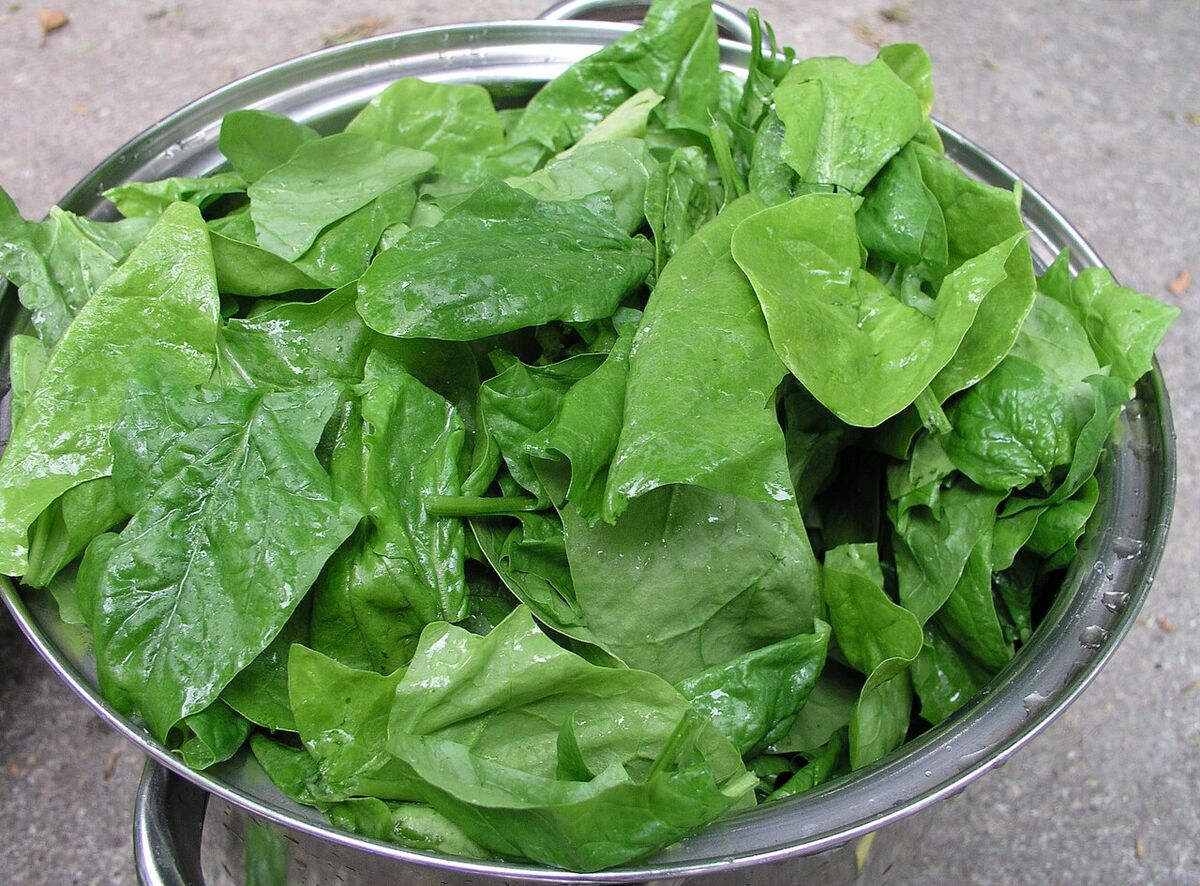
Swish delicate greens like spinach around gently. They should not turn into mushy cooked greens at this temperature.
Step 3: The Ice Bath
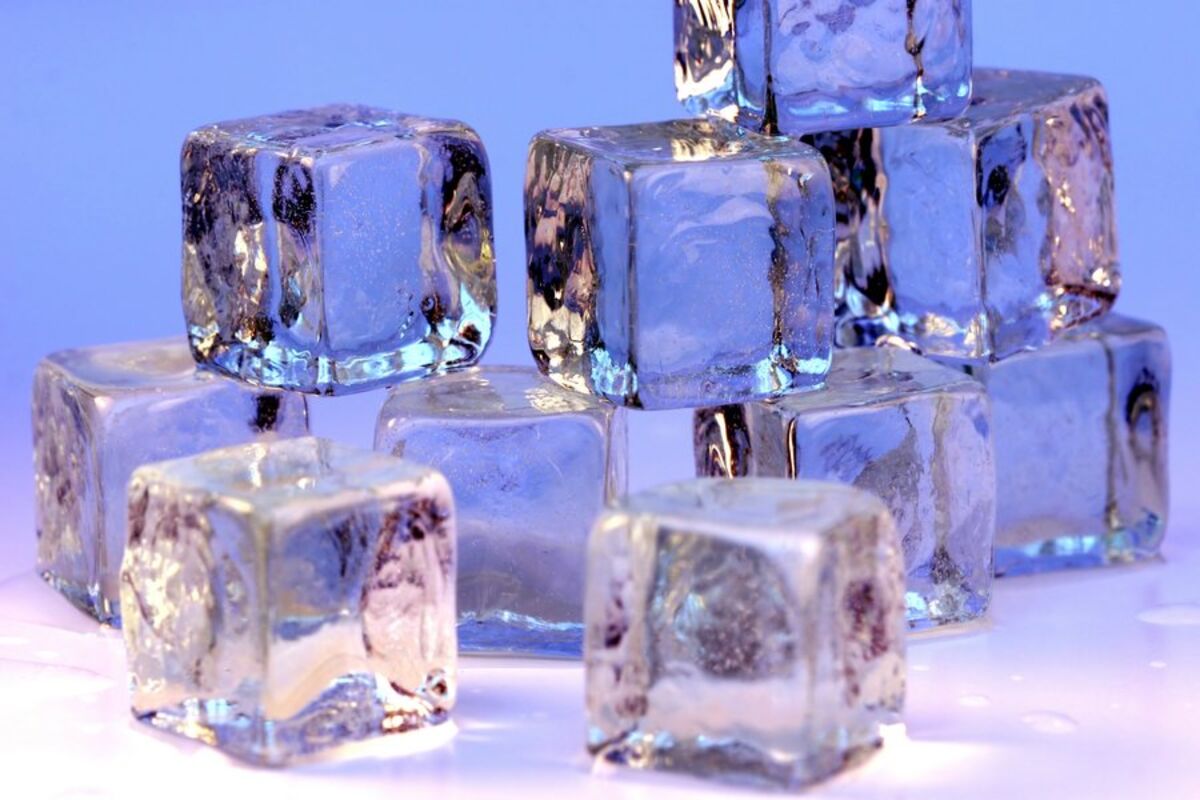
As soon as the timer goes off, pull the vegetables out of the hot water and immediately plunge them into a bowl of ice-cold water for about a minute. This stops any potential cooking process and "shocks" the stomata closed again, locking the new moisture inside the leaves.
What Results Can You Expect?
Revived greens can look and feel close to fresh again. After the ice bath, pat them dry with a paper towel.
Limp, translucent leaves can visibly plump up, the color can look more vibrant, and stems may snap instead of just folding over. Thicker vegetables like celery can go from rubbery to crisp enough to chop for a mirepoix.
The improvement isn't only visual: the texture can come back close to its original, fresh-from-the-store crunch.
What Should You Know Before You Try It?
The 50°C wash fixes dehydration, not spoilage, and the greens need to be dried well afterward:
- It won't fix rot: If your lettuce is slimy, brown, or smells bad, throw it away. The 50-degree wash can cure dehydration; it cannot cure decomposition or mold.
- It washes away dirt better: The warm water does a good job of loosening dirt and small bugs from the leaves, making it a useful cleaning method even for fresh vegetables.
- Dry thoroughly: Once you've revived your greens, spin them in a salad spinner or dry them thoroughly with towels. If you put them back in the fridge wet, they will rot quickly.
Before you throw away that sad half-bunch of cilantro or floppy carrots, take five minutes to try the 50°C wash. It is a satisfying, money-saving kitchen hack that can change how you manage your crisper drawer.