Why 'Dumb' Appliances Are Making a Massive Comeback in 2024: The Rise of Smart Home Fatigue
- Lifestyle, Technology
- Exienent
- · Updated
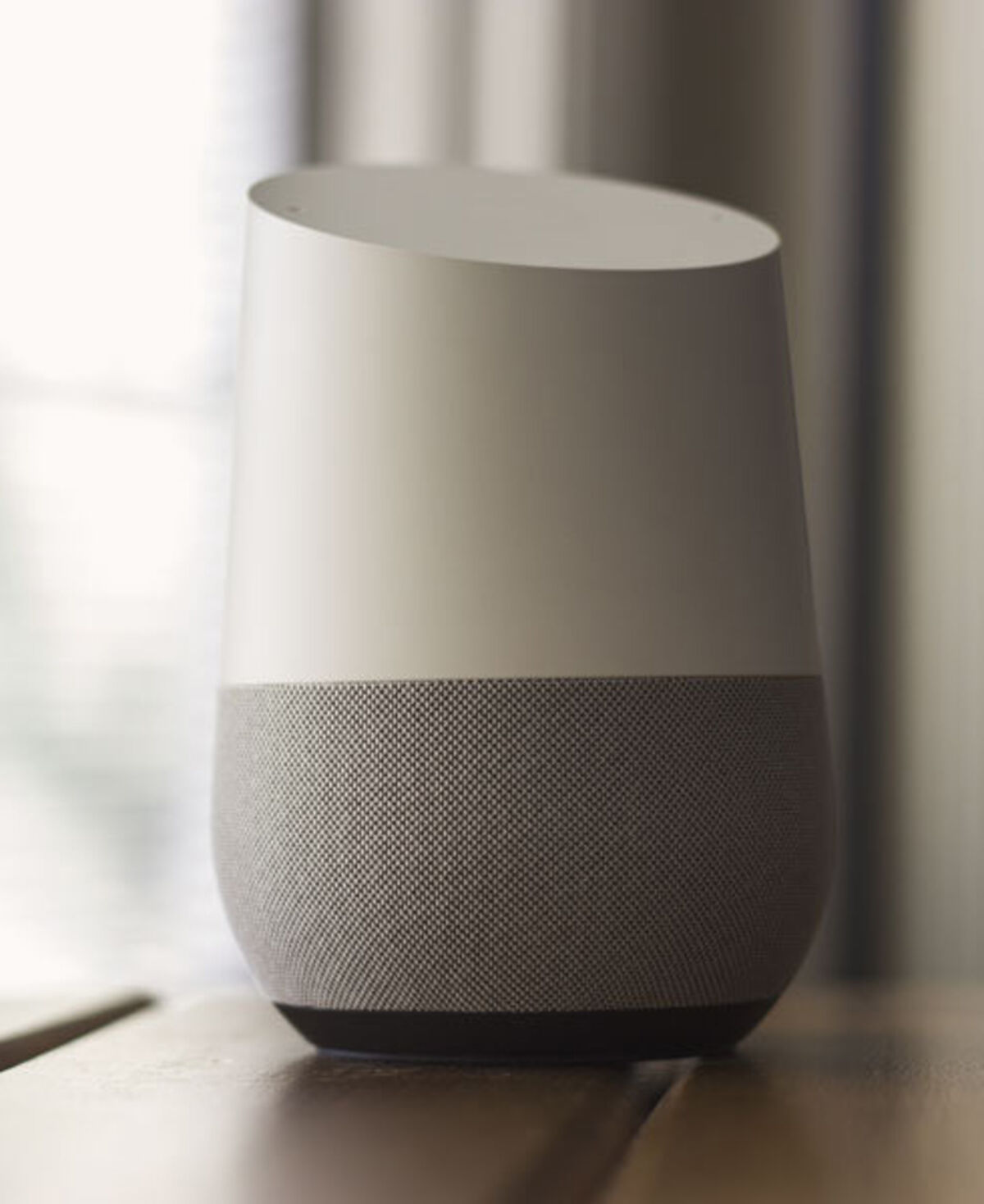
"Dumb" appliances are coming back because smart ones have created a new kind of exhaustion. In 2024, market analysts are calling it Smart Home Fatigue: buyers are tired of firmware updates, app overload, short software support, and data collection, and they are seeking out reliable analog machines instead—often premium ones.
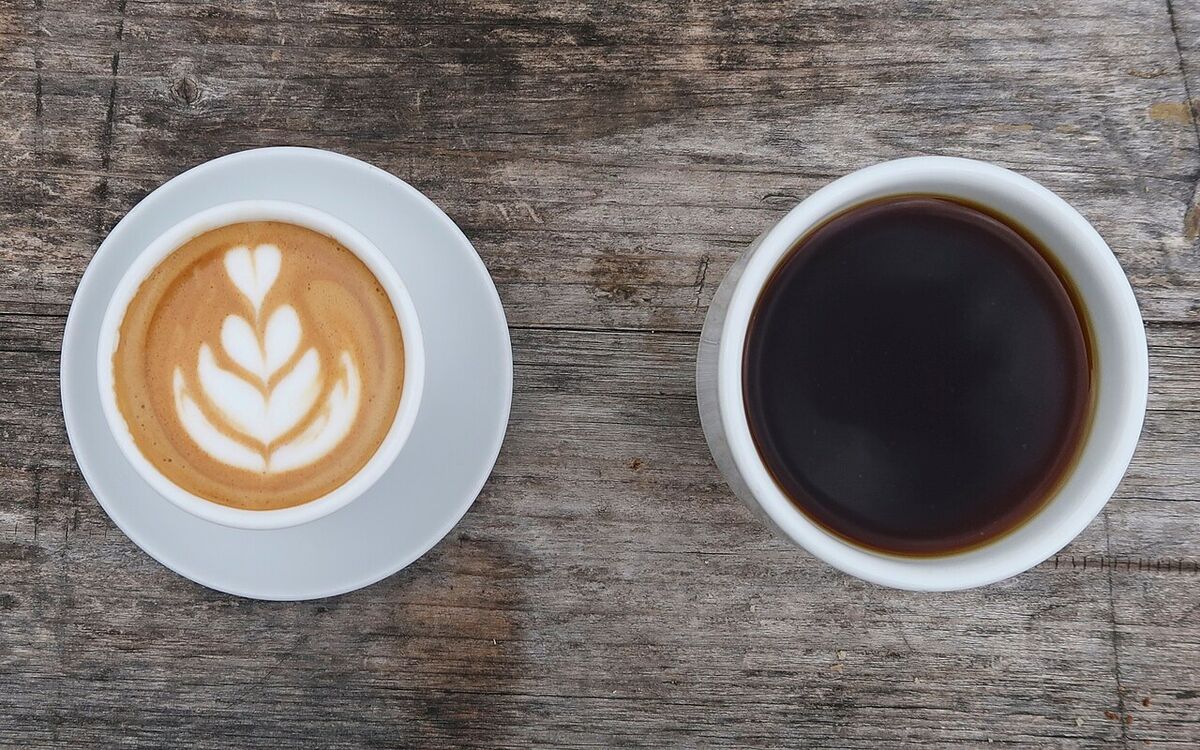
Picture the scenario that sums it up. It's 6:30 AM, you're half-asleep and desperate for coffee, and you press 'Brew' on an expensive, Wi-Fi-connected, app-controlled coffee maker. Instead of the sound of grinding beans, a red light flashes on the LCD screen: "Error 404: Firmware Update Required. Please connect to the companion app to continue." A machine that heats bean water can be blocked by out-of-date software, and getting a caffeine fix can mean fumbling with a smartphone, resetting a router, and downloading a patch.
The relentless push to connect every household item to the internet has reached a breaking point, and consumers are actively seeking out "dumb," analog appliances. Here is why the digital detox has finally reached our kitchens, and why moving backward might be the ultimate luxury.
What Exactly is Smart Home Fatigue?
Smart Home Fatigue is the collective exhaustion of dealing with the hidden costs of hyper-connectivity. It's the realization that adding a microchip and a Wi-Fi antenna to a simple machine doesn't always make it better; it often just introduces a dozen new ways for it to fail.
For the last decade, the tech industry sold a very specific utopian vision: a frictionless home where your fridge orders your groceries, your toaster knows your sleep schedule, and your oven can be preheated from your office across town. The reality of living in that vision is often frustrating.
Here are the main reasons people are hitting the brakes on connected devices:
Why Do Smart Appliances Become Obsolete So Fast?
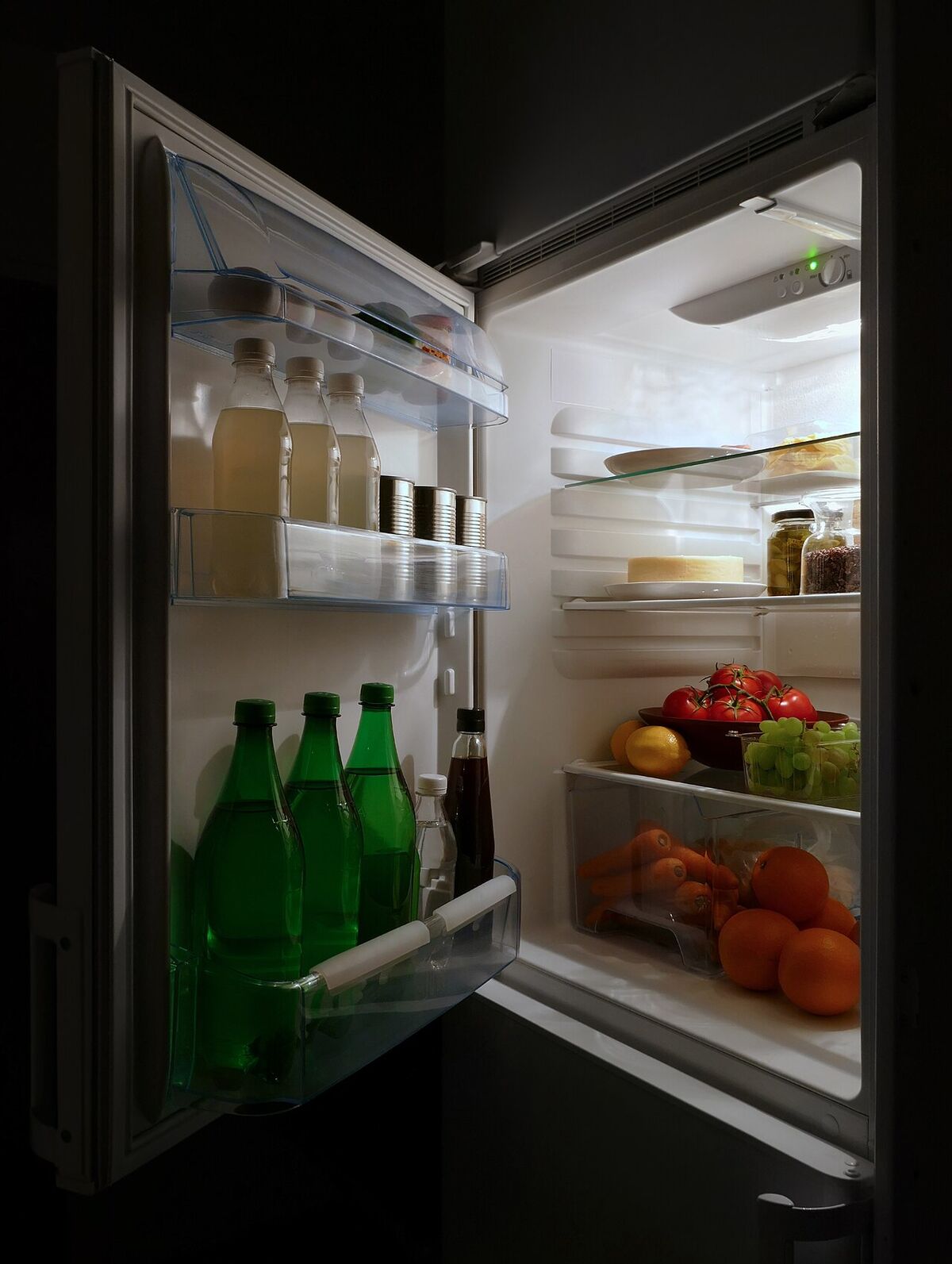
Smart appliances become obsolete when their software support ends. When you buy a classic, analog KitchenAid mixer, you reasonably expect it to last for 20 years. It's just gears and a motor. But when you buy a smart refrigerator with a massive touchscreen built into the door, you aren't just buying a fridge; you are buying a giant tablet.
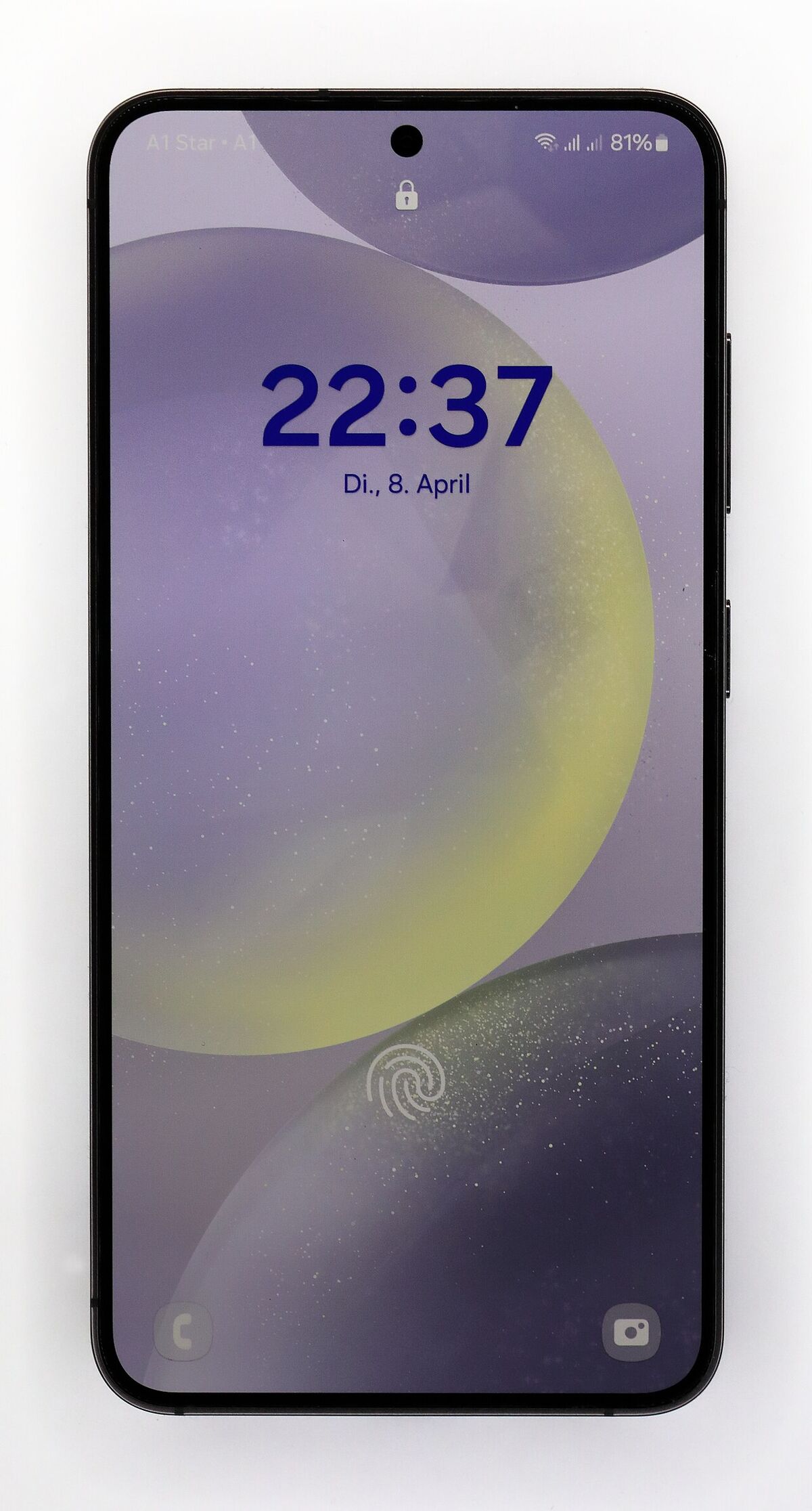
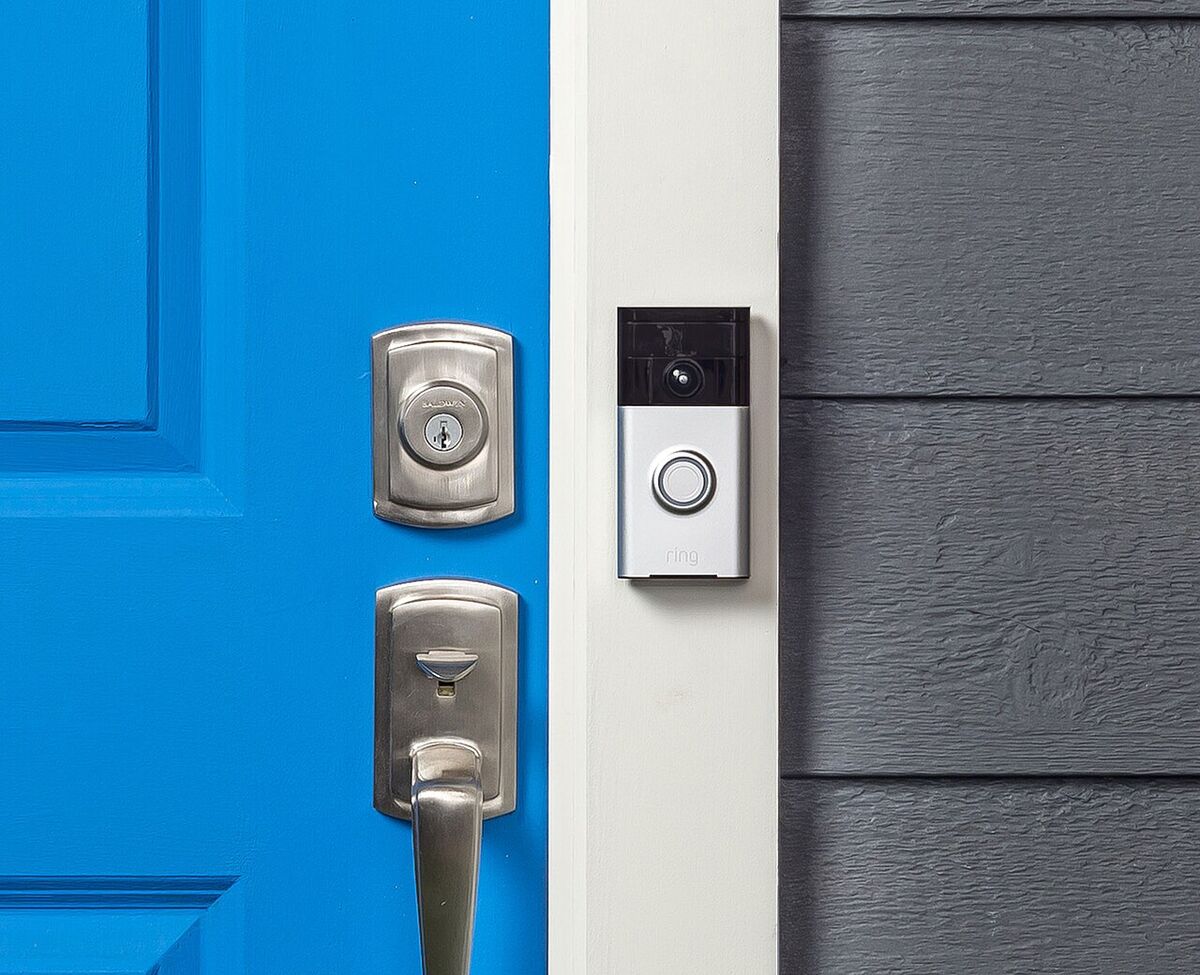
Tech companies are notorious for dropping software support for older devices. What happens in five years when the manufacturer decides your "smart" oven is obsolete and stops pushing security updates? Suddenly, you have an unsecured node on your home network that hackers can exploit, or worse, half the features simply stop working because the companion app was removed from the App Store.
How Does App Overload Make Smart Homes Harder to Use?
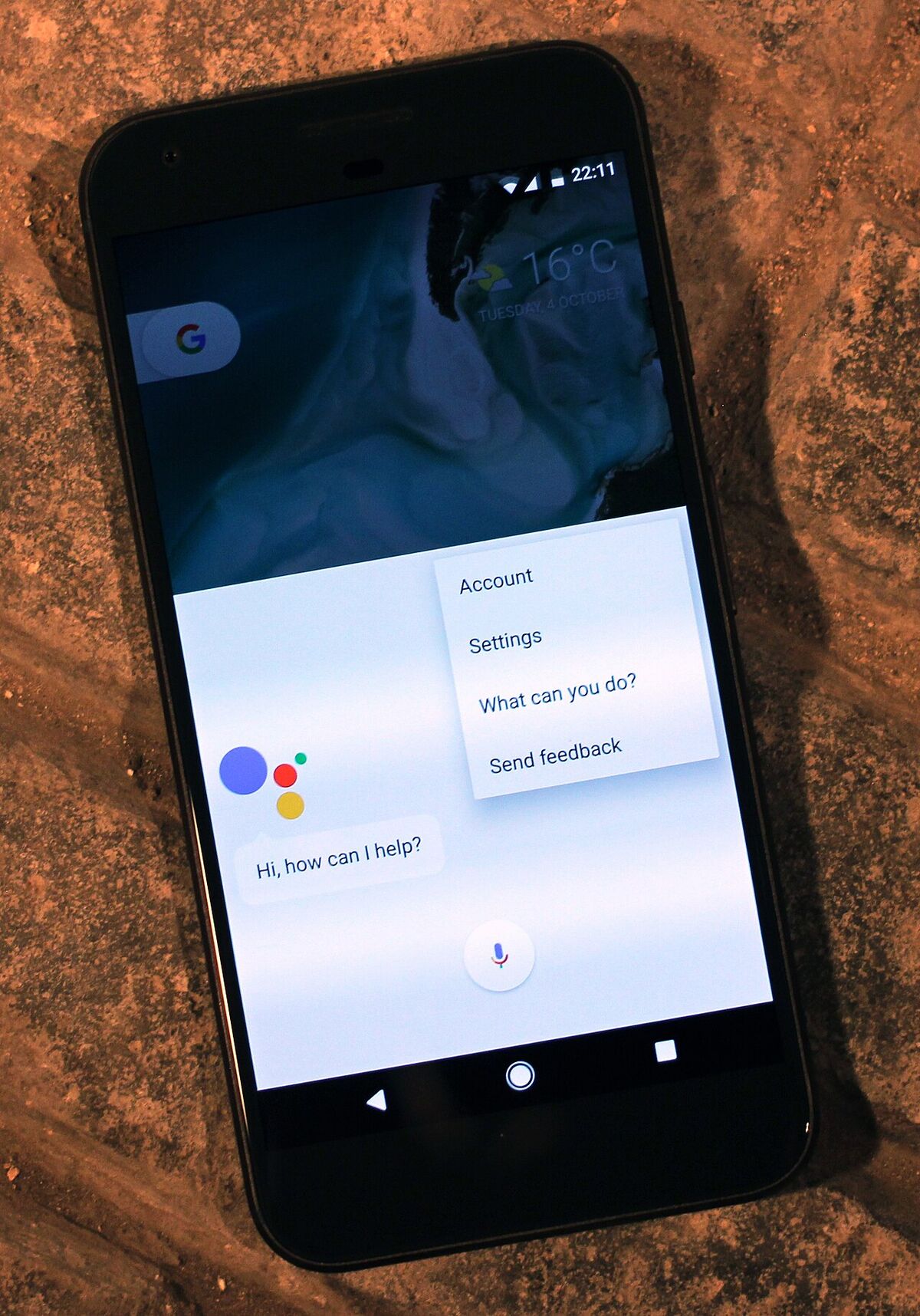
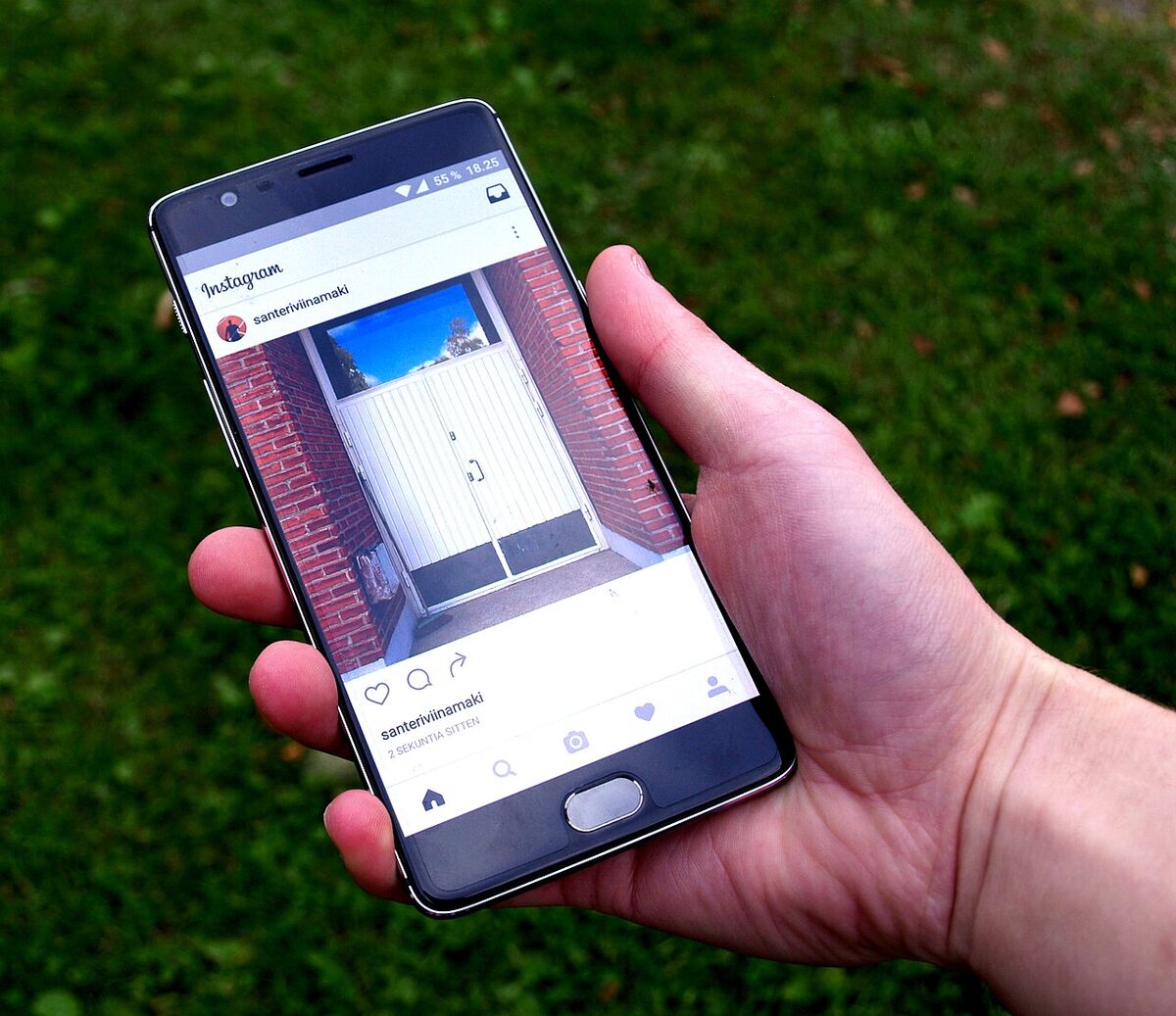
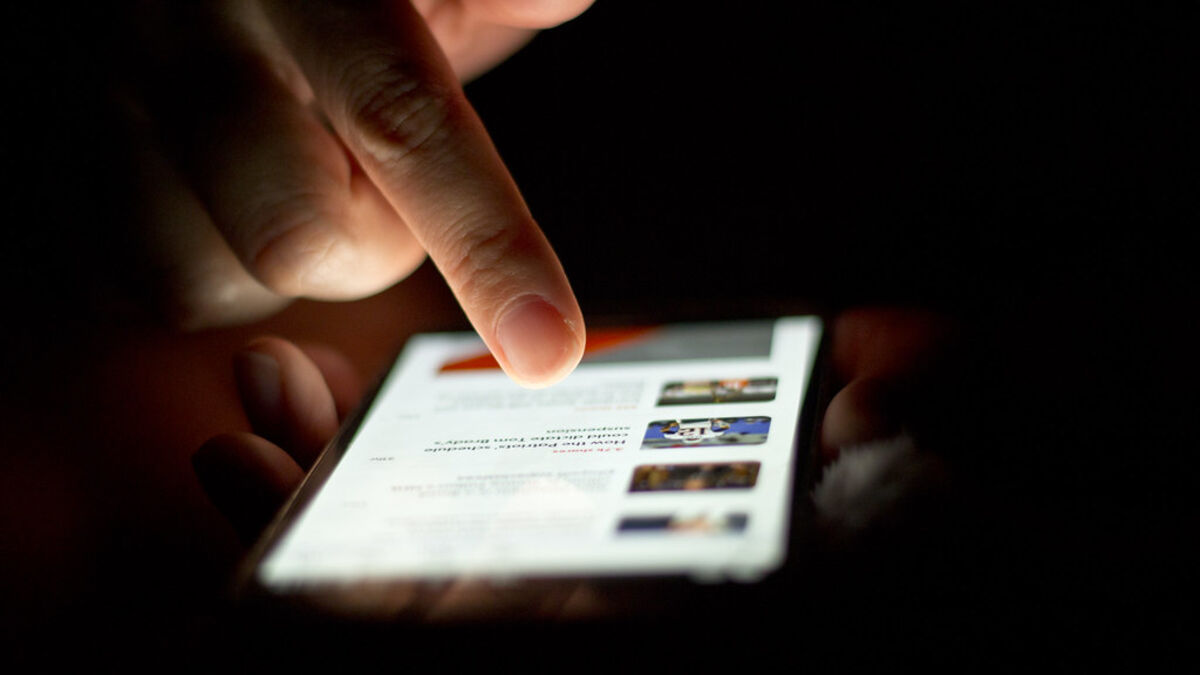
The irony of the smart home is that it was supposed to make our lives easier. Instead, it brought app overload: one app for the lights, a different app for the thermostat, a third for the vacuum, and a fourth just to check the filter on the air purifier.
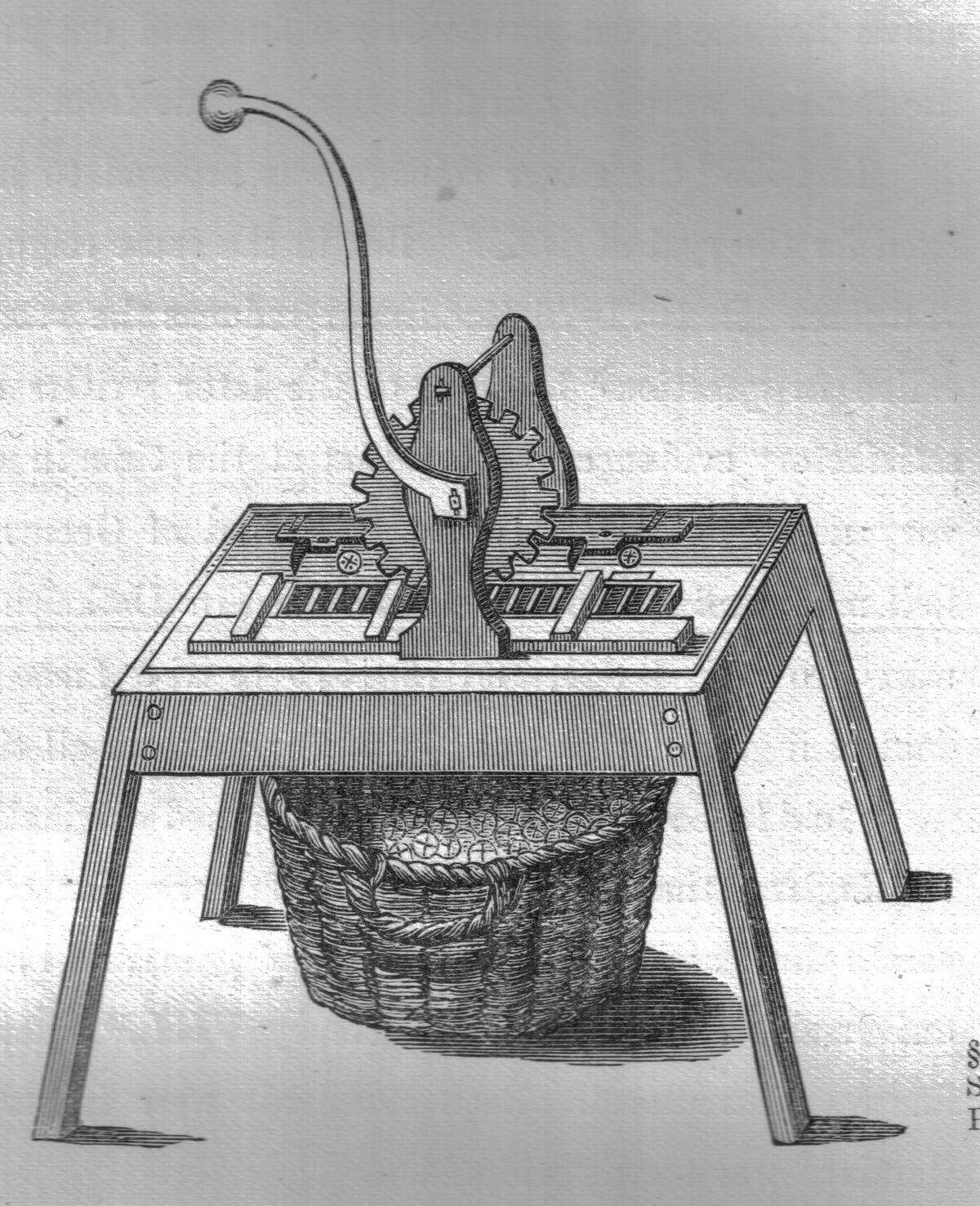
We don't actually want to manage our appliances; we just want them to work. The simple act of turning a physical dial or pulling a heavy metal lever has been replaced by unlocking a phone, opening an app, waiting for a Bluetooth connection, and navigating a digital menu. It is exhausting.
Are Smart Appliances a Privacy Risk?
Connected appliances can send usage data to the manufacturer. Do you actually want your coffee maker sending data packets to a server in California every time you brew a cup? Do you need your washing machine tracking your laundry habits? As data privacy concerns continue to dominate the headlines in 2024, many people are realizing they don't want their household chores monetized by tech conglomerates. "Dumb" appliances offer something rare today: total digital privacy.
Which "Dumb" Appliances Are People Buying Instead?
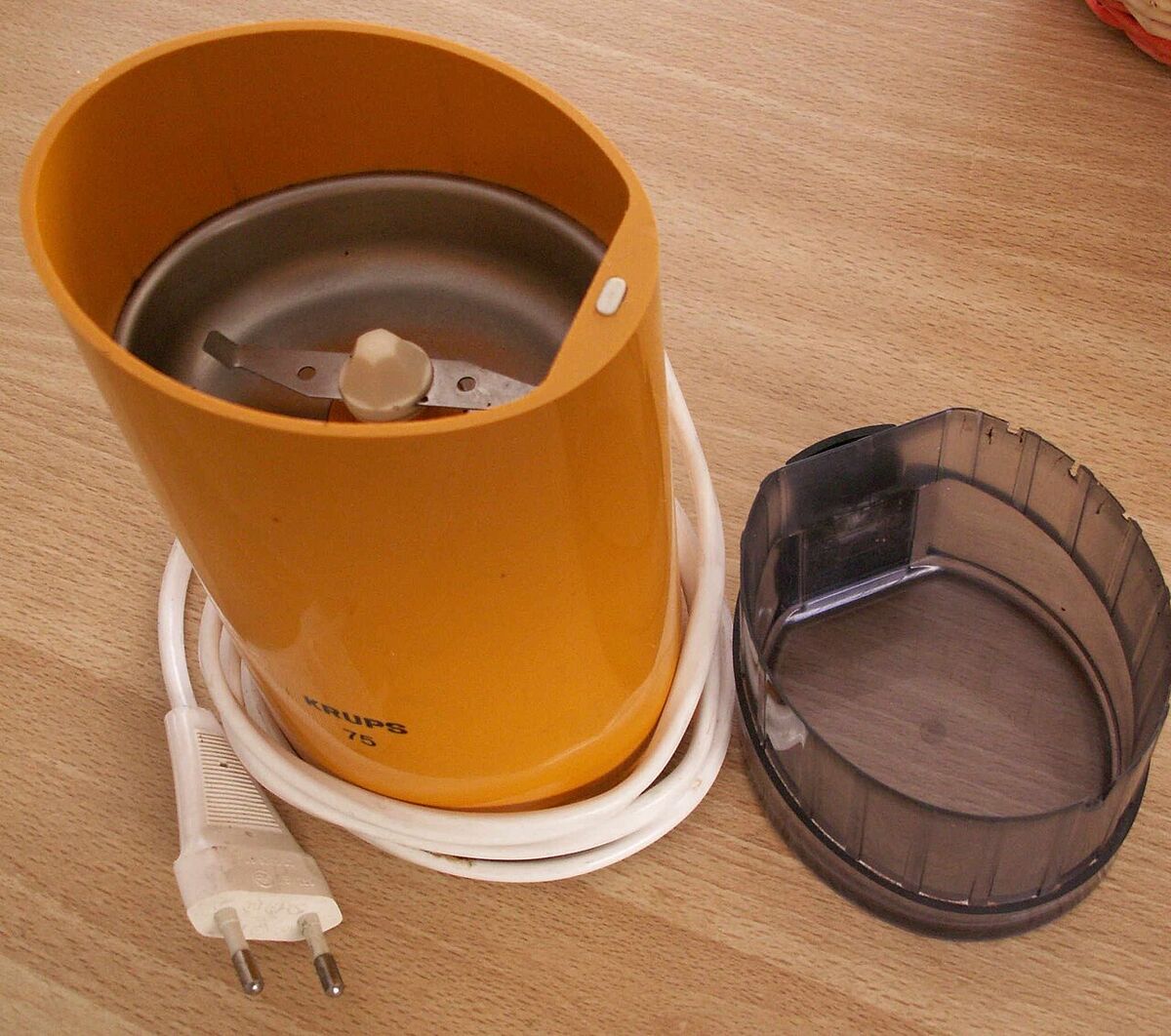
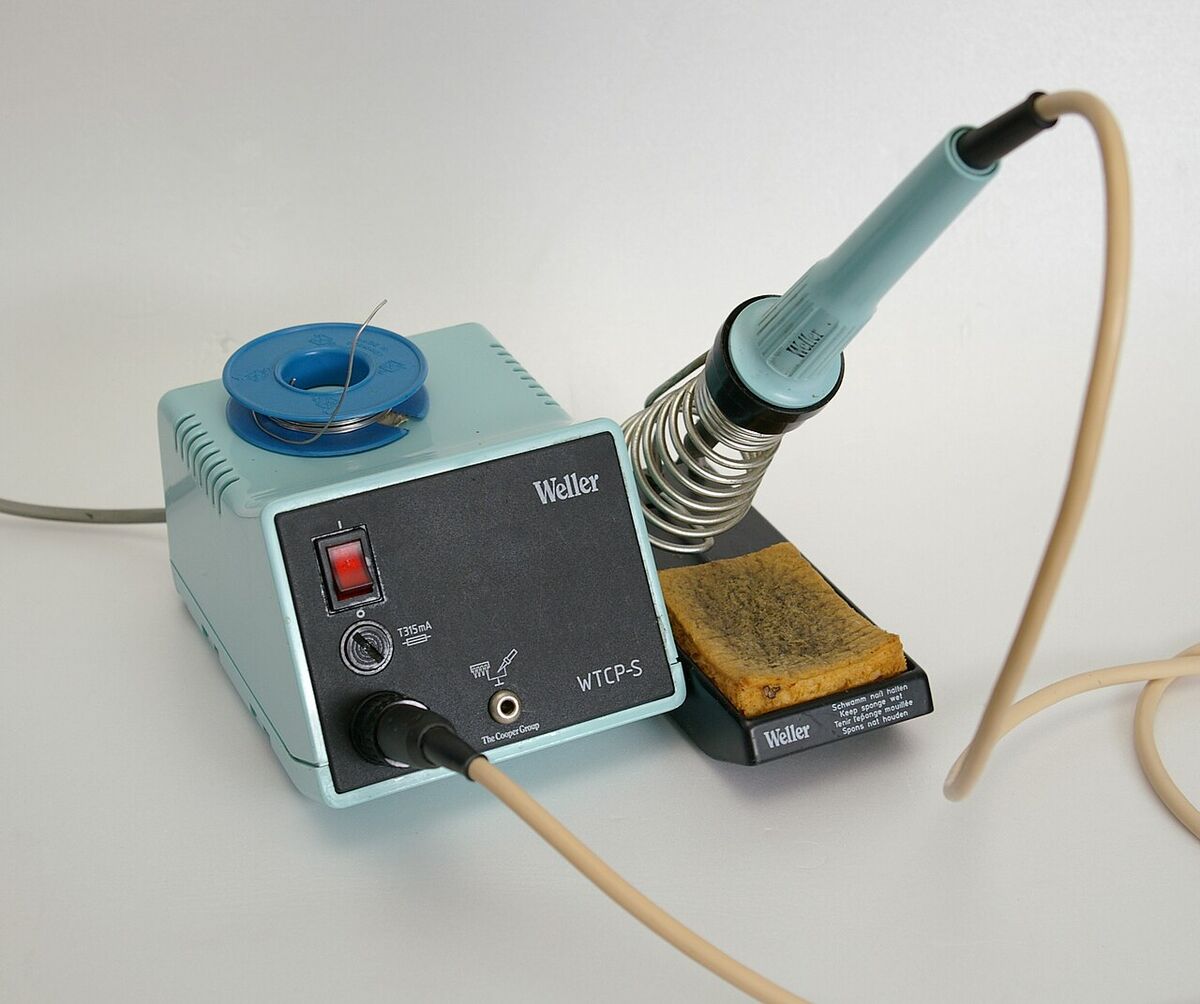
People are buying premium analog hardware, not just cheap basics. This frustration has led to a fascinating market correction, with a boom in premium, high-end analog hardware. Consumers are willing to pay top dollar for machines that do exactly one thing flawlessly, with zero digital interference.
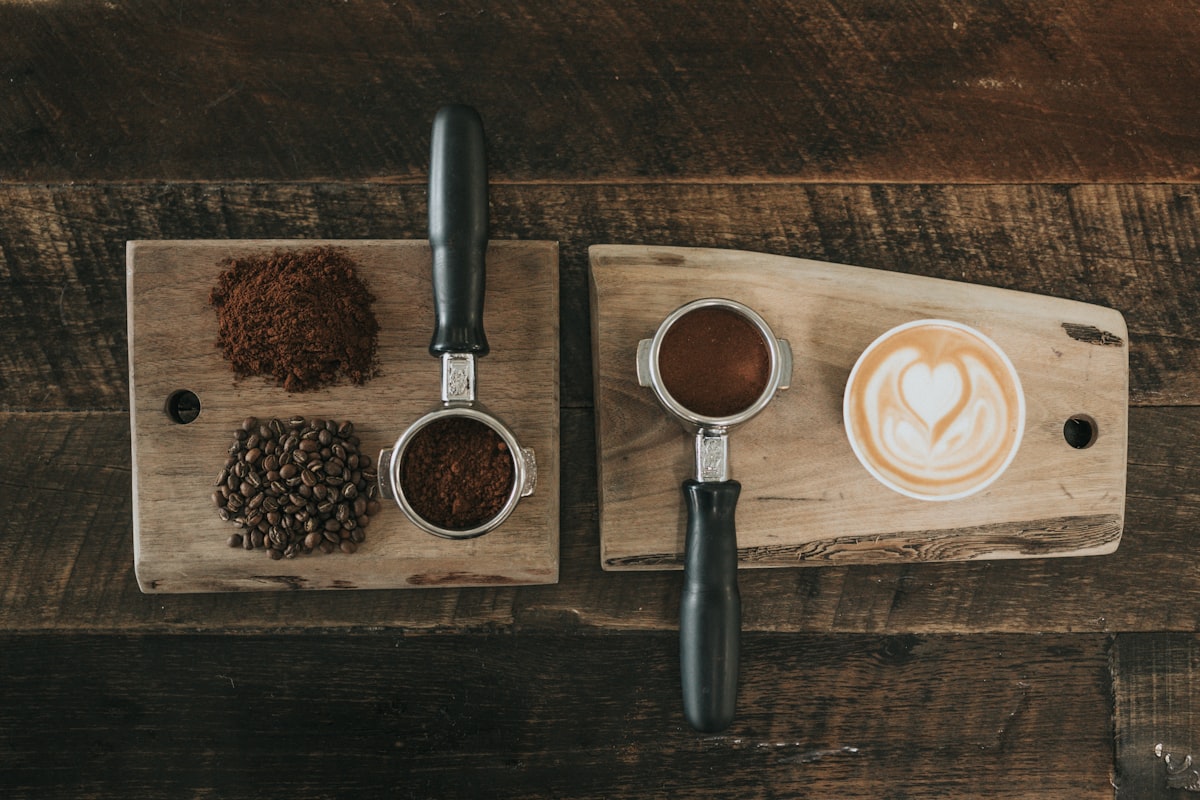
- Manual Espresso Machines: Sales of fully manual, lever-operated espresso machines (like the classic La Pavoni models) have skyrocketed. They require physical effort and skill, but there are no motherboards to fry and no firmware to update. It is just you, the coffee, and boiling water.
- Mechanical Toasters: People are ditching the $300 touchscreen toasters that burn bread anyway and hunting down vintage, fully mechanical models from the 1960s, or buying modern recreations built with heavy-duty heating elements and satisfying, clunky levers.
- Basic Washers and Dryers: Appliance repair technicians have been saying this for years: buy the simplest washer you can find. The models with the mechanical dials are vastly more reliable and cheaper to fix than the ones with LCD screens. Consumers are finally listening.
Is Going Analog Worth the Extra Effort?
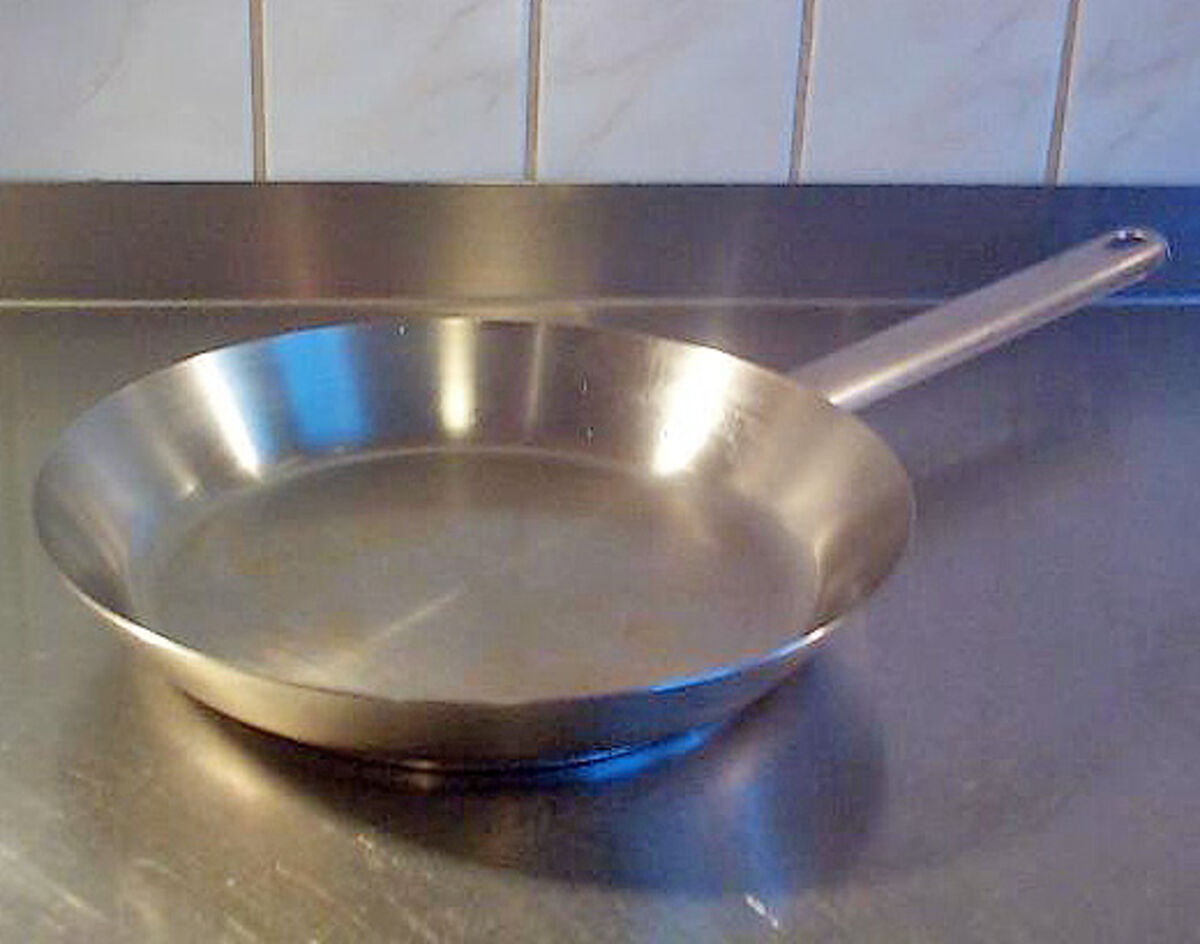
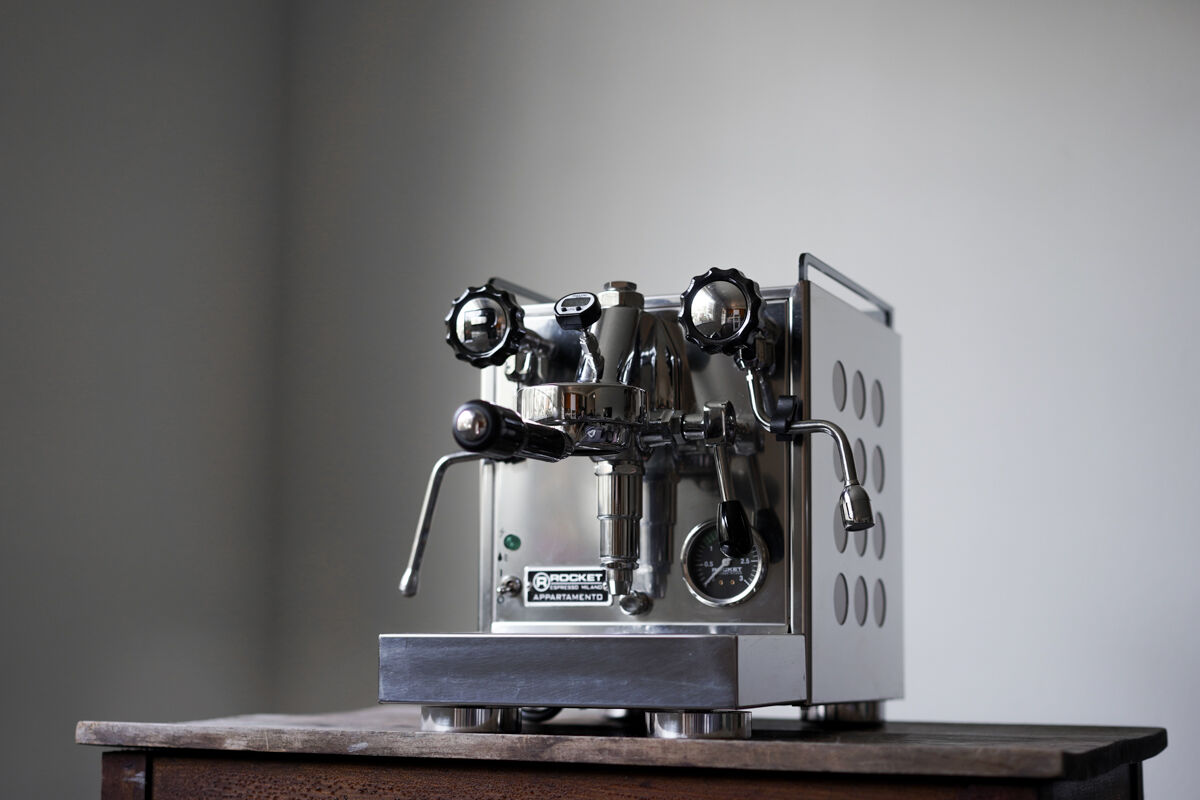
It can be, because the extra effort may become part of the appeal. One example of the switch is replacing a smart coffee maker with a heavy, stainless steel, entirely analog machine with physical toggle switches and a pressure gauge.
Such a machine takes a little more physical effort to use. You stand there, watch the extraction, and flip the switch yourself. That physical interaction can become a favorite part of the morning, because it forces you to be present.
In a world where we spend eight hours a day staring at glowing screens and navigating complex software interfaces, there is something deeply grounding about interacting with a machine that is purely physical.
If you are feeling overwhelmed by the constant pinging, updating, and syncing of modern life, maybe it's time to look at your kitchen. You don't need a smart toaster to make good toast. Sometimes, the smartest thing you can do is embrace the dumb appliance. Let me know in the comments if you've ditched any smart gadgets recently!