Why Switch from Cloud Subscriptions to a Local Storage Smart Doorbell in 2026
A local-storage smart doorbell records video to a hub inside your home instead of a company's cloud, so there is no monthly subscription, live video loads faster, and you keep physical control of your footage. The trade-offs are real: a higher upfront price, remote viewing that depends on your home upload speed, and the risk of losing everything if the hub itself is stolen.
The problem with cloud doorbells is easy to picture. A delivery driver drops off a package, your phone buzzes, and instead of the live feed you get a buffering wheel; by the time the video loads, the driver is gone. The footage has traveled to a cloud server far away and back to a phone a few steps from the door—and you are paying a monthly fee for the "privilege."
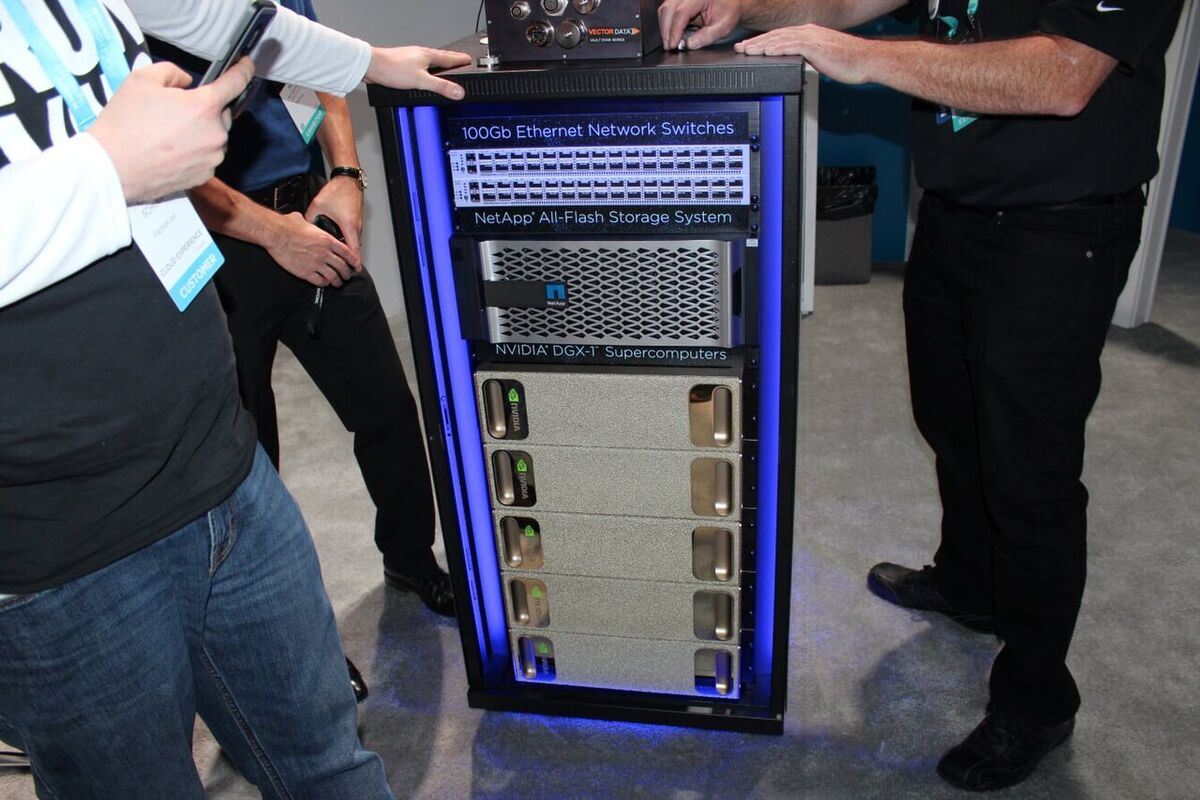
In 2026, the trend of "Cloud Repatriation"—moving data away from expensive cloud servers back to local hardware—isn't just happening in enterprise data centers. It's hitting the smart home, and doorbells that rely purely on Local Storage are the clearest example.
How does a local storage smart doorbell work?
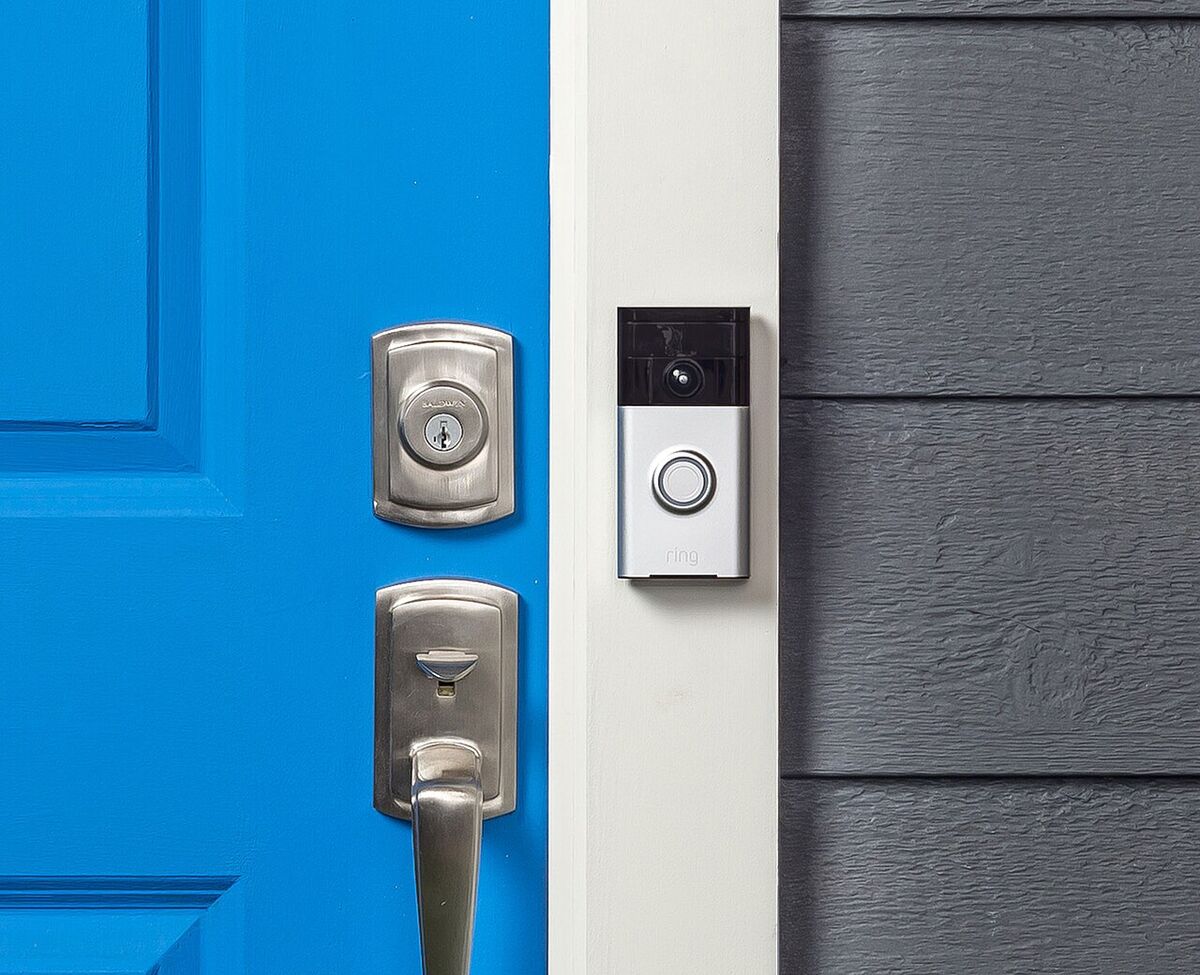
A local storage smart doorbell looks identical to the mainstream brands, but the architecture is fundamentally different. Instead of paying a subscription fee to store videos in the cloud, the doorbell saves the footage locally.
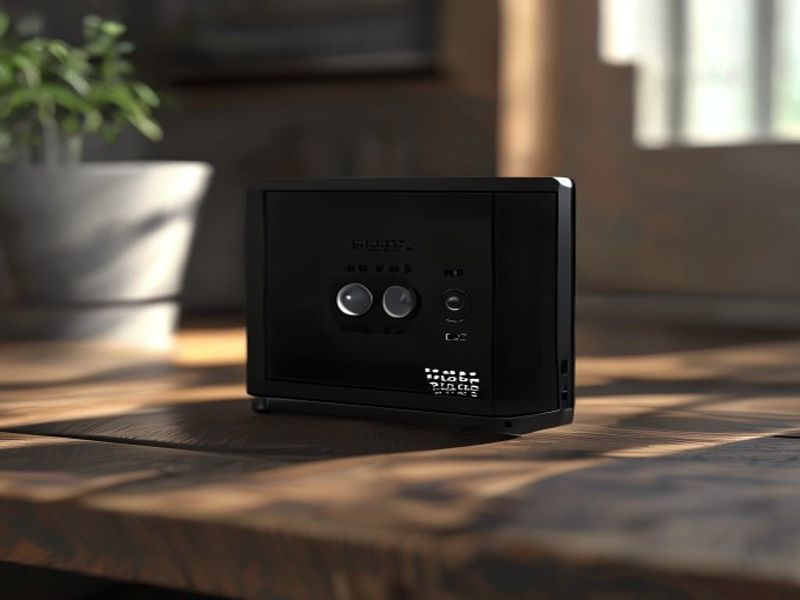
A common design pairs the doorbell with a dedicated hub (one example is a "HomeBase" unit) that plugs directly into the router inside the house and holds storage such as a 1TB SSD. The doorbell camera connects to the hub via a private, encrypted wireless connection.
What are the benefits of local storage over the cloud?
- Zero Monthly Fees: This is the biggest selling point. As an example, a $12-a-month cloud plan adds up to roughly $144 a year just to review past footage. If a local-storage doorbell costs around $250 upfront, it pays for itself in less than two years, and after that it is free to operate.
- Near-Instant Loading: Because the video doesn't have to travel to an AWS server and back, the live feed can pop up on your phone almost instantly when someone rings the bell.
- Higher Quality Video: Cloud doorbells often compress footage aggressively to save on server costs and bandwidth. With local storage, bandwidth isn't an issue, so some models can record in 4K with far less compression, which can make details noticeably clearer.
Is a local storage doorbell better for privacy?
Yes—local storage gives you ownership of your data. Over the past few years, there have been numerous scandals involving cloud doorbell companies sharing footage with law enforcement without user consent or employees improperly accessing private video feeds.
With local storage, you physically own the drive that holds your data. If the internet goes out, the doorbell continues to record and save footage to the hub. No tech giant is scanning your front porch activity to train an AI model or build a profile of your comings and goings. It stays local.
What are the downsides of a local storage doorbell?
Local storage isn't a flawless utopia, and the trade-offs are worth understanding before replacing a cloud doorbell.
- The Single Point of Failure: If a burglar breaks in and steals the internal hub where the drive lives, all the footage is gone. With a cloud doorbell, footage of the break-in is safely stored off-site. (One way to mitigate this is to hide the hub somewhere obscure, like a closet, rather than out in the open on the TV stand.)
- Remote Viewing Relies on Your Upload Speed: When you check the camera from the grocery store, the app has to connect back to your house and stream video from the local drive. If your home connection has a poor upload speed, remote viewing will be choppy.
- Upfront Cost: You are buying actual storage hardware, not just a camera sensor. Expect to pay significantly more upfront for a quality local-storage system.
Is a local storage smart doorbell worth it?
I think so, if you value privacy and speed more than off-site backup. Dropping the monthly subscription fee is nice, but the instant loading and the peace of mind about privacy are the real game-changers. The era of blindly uploading every aspect of our lives to a tech giant's server is fading, and bringing front door security back under your own roof feels like the right move in 2026.