Are AI Toothbrushes Worth It? What to Know in 2026
- Technology, Health, Lifestyle
- Exienent
- · Updated
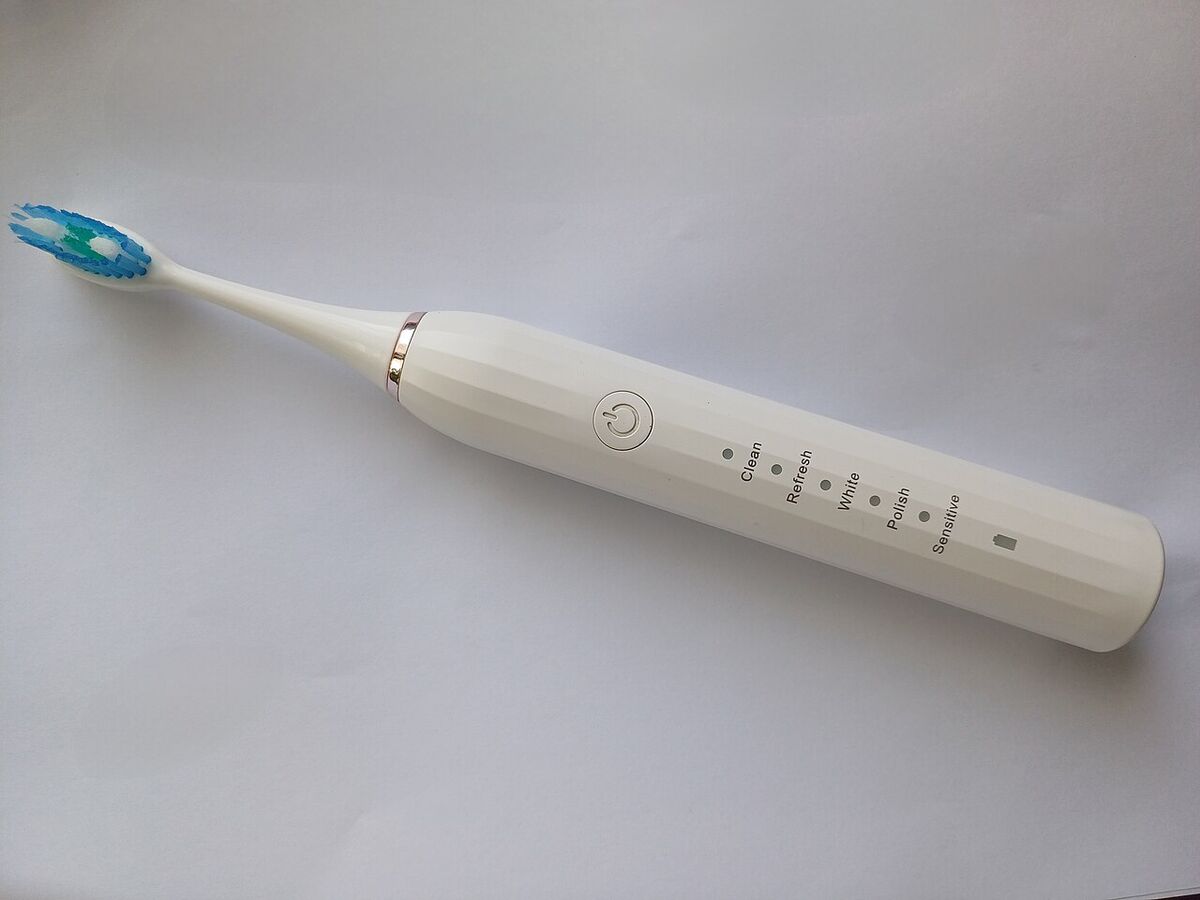
An AI toothbrush is not necessary for everyone, but it can be worth the money if you press too hard, miss hard-to-reach areas, or want proof that you are actually brushing correctly. Its real value is feedback: 3D tracking, pressure sensors, and an AI coaching algorithm show exactly where your technique falls short. The trade-offs are a price of over $300, roughly weekly charging, and a phone in the bathroom.
Spending over $300 on an "AI-powered" toothbrush can look like the peak of unnecessary consumer tech, especially if a mid-range electric brush that vibrates and beeps after two minutes already does the job. The question is whether adding AI to a toothbrush actually results in a healthier mouth, or is just another way to get us to stare at our screens.
How Is the Hardware Different from a Regular Electric Toothbrush?
The biggest hardware difference is the drive system. Some older electric toothbrushes use a loud, mechanical spinning mechanism, while this new class of AI models uses a frictionless magnetic drive system.
The difference in feel is significant. Instead of a harsh buzz, the brush head delivers smooth, concentrated micro-vibrations directly to the tips of the bristles. It operates almost silently, gliding over the teeth rather than scrubbing them. It may tickle for the first few uses, and after getting used to it, a mechanical brush can feel like a jackhammer in comparison.
How Does the AI Brushing Coach Work?
The AI coach works by tracking the brush in real time. The toothbrush is packed with gyroscopes and sensors that track its exact position, angle, and pressure in your mouth.
To get the full experience, you open the companion app on your phone while you brush. A 3D model of a mouth appears on the screen, split into 16 different zones. As you brush, the AI maps your movements and turns the teeth on the screen from blue (unbrushed) to sparkling white.
What Can the App Reveal About Your Brushing Habits?
The app can be humbling. Brushing for the full two minutes is easy to mistake for brushing well, but the tracking data can tell a different story—for example, pressing far too hard on the front teeth while almost completely neglecting the back molars on one side.
The pressure sensor is intuitive. Instead of a single warning light, a ring on the handle glows green when the pressure is optimal, white when it's too light, and red when you are pressing too hard. That makes it easy to notice if you are scrubbing sensitive gums too aggressively.
Does Gamification Make Brushing More Consistent?
Gamification can make brushing more engaging. You are given a score out of 100 after every session based on coverage, pressure, and duration.
Chasing a perfect score can make an otherwise mundane task something to look forward to. The app hands out virtual badges and awards for consistency, which sounds silly for an adult, but it can work. The app also gently reminds you when you skip a session, such as an evening brush after a late night out, which can be a surprisingly effective nudge.
What Are the Drawbacks of an AI Toothbrush?
The biggest downside is battery life. Because the toothbrush is constantly processing spatial data and maintaining a Bluetooth connection, it lasts only about a week on a single charge. A simpler electric brush without these features can go much longer between charges.
Additionally, bringing an expensive smartphone into a wet bathroom every morning and evening is a hassle. Sometimes you just want to brush quickly before bed without unlocking your phone and launching an app. Thankfully, the toothbrush stores data offline and syncs it later, but you lose the real-time visual feedback if you do so.
Verdict: Is an AI Toothbrush a Necessary Upgrade?
Is a $300 AI toothbrush strictly necessary for everyone? No. If you already have perfect brushing technique and never miss a spot, a standard $50 electric brush will serve you fine.
However, if you tend to brush too hard, often miss hard-to-reach places, or simply want the assurance that you are cleaning your teeth correctly, the investment may be worth it. Correcting excessive pressure may help some people with gum sensitivity, but it is not a treatment—see a dentist if sensitivity persists. The AI isn't a gimmick; it's a harsh but effective mirror that can help you correct long-standing bad habits. Just be prepared to charge it as often as your smartwatch.