Why Buy DVDs Again? The Real Cost of Streaming Fatigue
- Lifestyle, Technology, Review
- Exienent
- · Updated
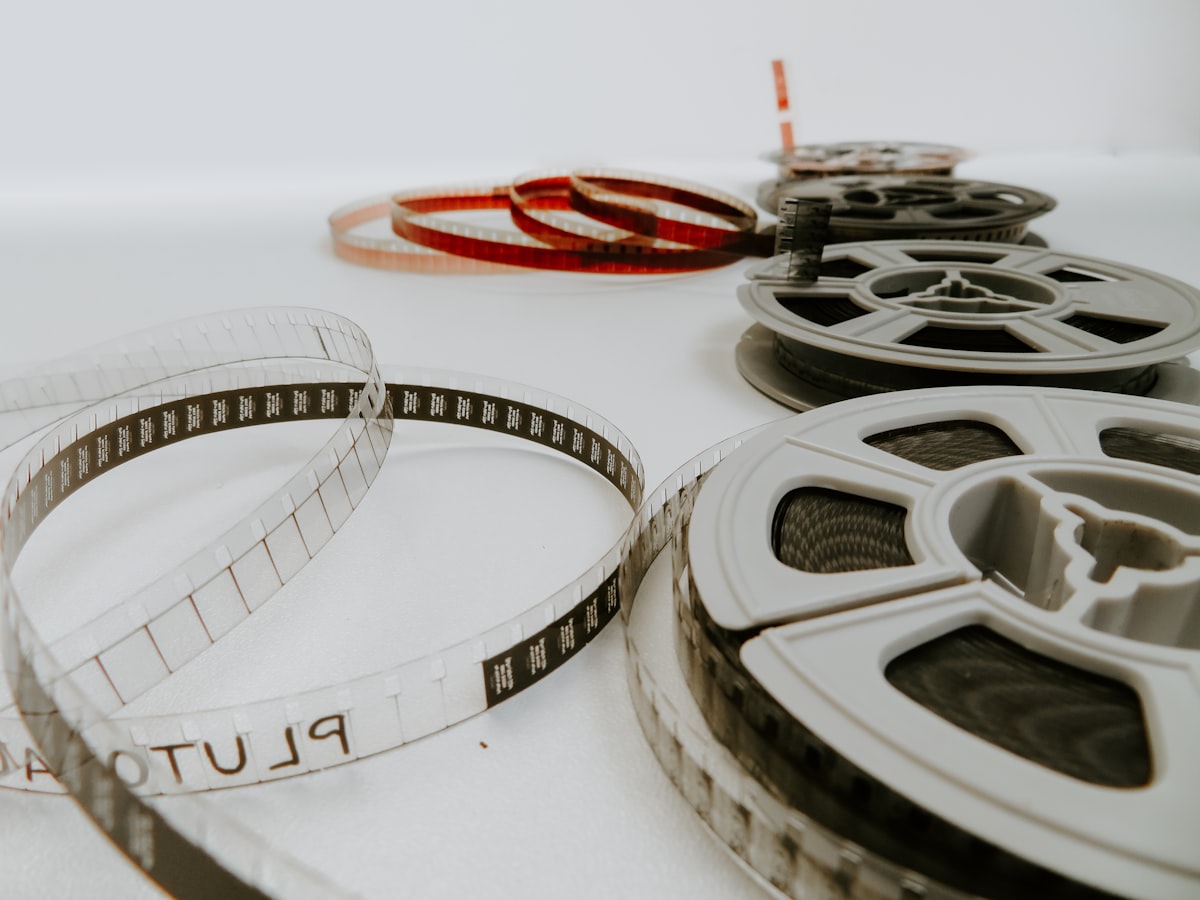
Physical media is a practical answer to streaming fatigue: a DVD or Blu-ray is yours to keep, plays without the internet, usually delivers higher picture and sound quality than a compressed stream, and still includes the extras streaming dropped. If you are tired of rising fees and disappearing libraries, a used disc collection can be a cheap way out.
Picture wanting to watch a classic you loved as a kid. It's not on Netflix. Amazon Prime offers it only as a paid rental. Max, Disney+, Hulu, and Apple TV don't have it either. You may be paying for half a dozen streaming services and still be unable to watch The Goonies without pulling out your credit card again.
We were promised a utopian future where everything ever recorded would be available at our fingertips for a single low monthly fee. Instead, we got a fragmented mess of walled gardens, constantly rising subscription fees, and digital libraries that can disappear overnight. That is why buying a DVD player and collecting physical media again feels almost rebellious in 2026—and why it makes sense.
What is streaming fatigue?
Streaming fatigue is the exhaustion that comes from the overwhelming paradox of choice, coupled with the frustration of fractured content libraries. If you've ever spent 45 minutes scrolling through a grid of movie posters only to give up and rewatch The Office for the ninth time, you've experienced it.
Here is what streaming fatigue really looks like in practice:
- The Subscription Shuffle: Constantly subscribing and unsubscribing to different services just to catch one specific show.
- Content Disappearance: The sudden, unannounced removal of your favorite movies due to licensing disputes or tax write-offs.
- Decision Paralysis: Having 10,000 mediocre options but nothing you actually want to watch.
- The "Rent-Not-Own" Trap: Realizing you've spent thousands of dollars over the years but actually own zero digital assets.
Why is physical media making a comeback?
Physical media is coming back because a disc you buy is simply yours. A used Blu-ray from a thrift store belongs to you forever. Nobody can remotely delete it, censor a scene, or hold it hostage behind a new "Premium Plus" tier.
Here's what building a physical media collection changes about how you consume entertainment:
1. True Ownership When you "buy" a digital movie on a streaming platform, you're actually just buying a long-term rental license. If that platform loses the rights to the movie, it disappears from your library, even if you paid for it. With a DVD or Blu-ray, the disc is yours. As long as you take care of it, you own that specific cut of the movie.
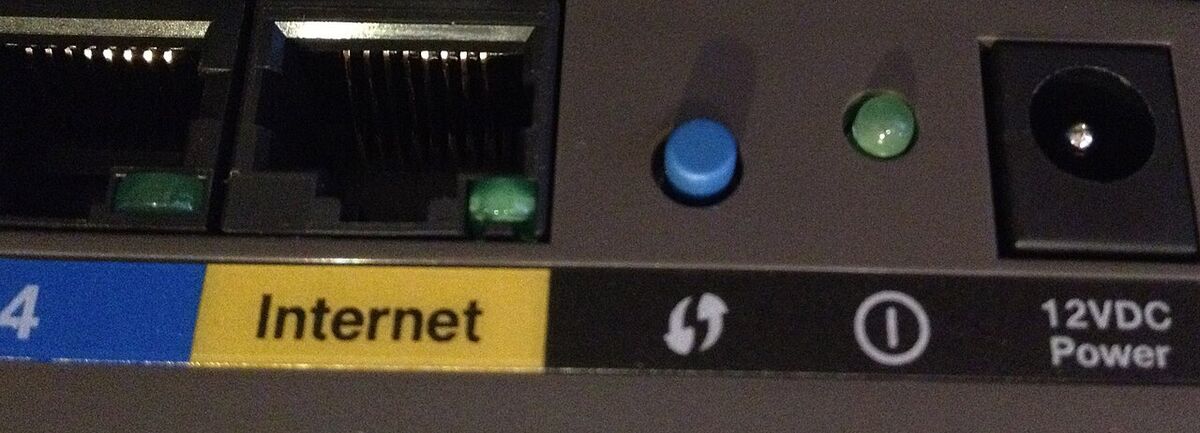
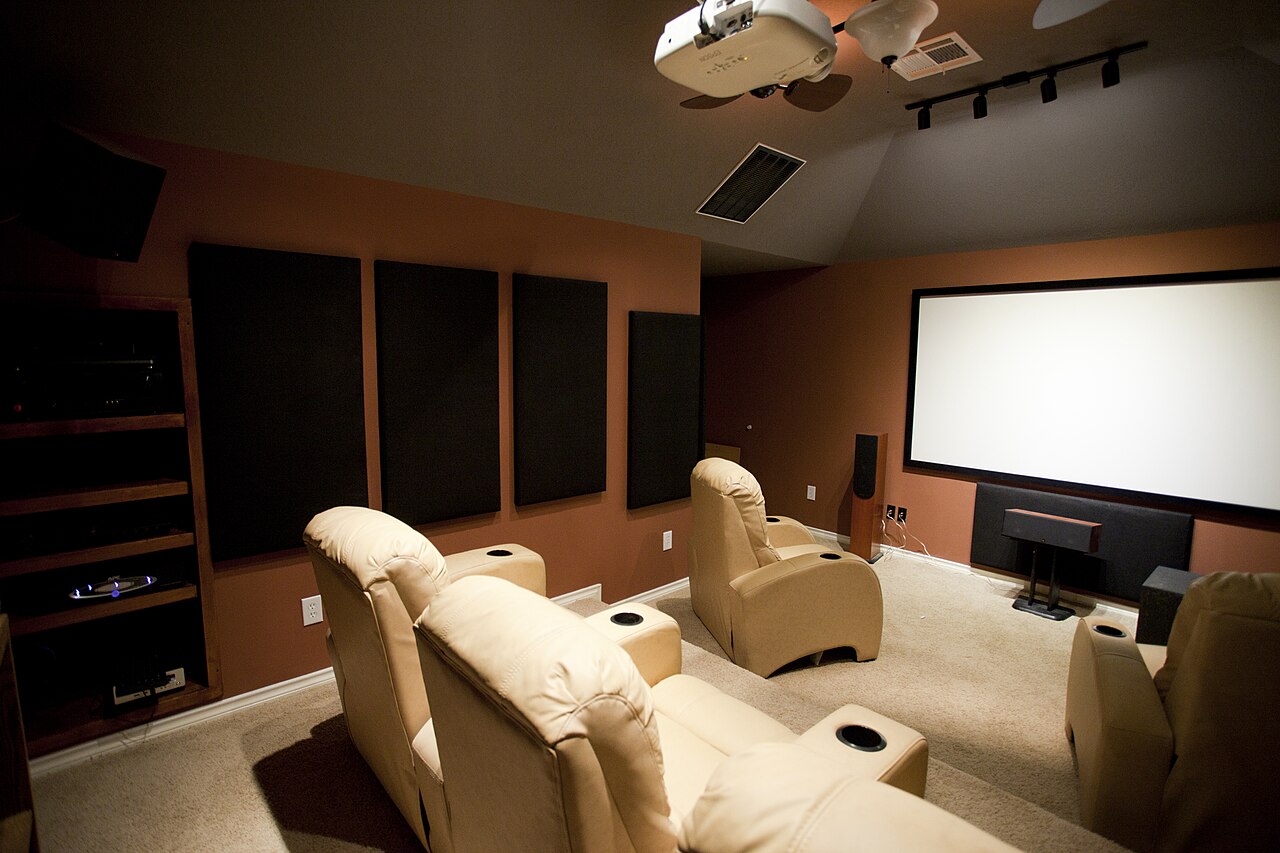
2. No Internet Required When your ISP has an outage, a smart TV is reduced to a useless black rectangle. A Blu-ray player doesn't care. You can pop in a disc and have a movie night while everyone else stares at their router lights. Physical media is completely immune to server downtime, buffering, and internet outages.
3. Intentional Viewing Streaming encourages passive, background viewing. You throw something on just to have noise in the room. But when you physically walk over to a shelf, select a movie, take it out of the case, and put it in the player, you are making an intentional choice. You are committing to watching that film, which can make it easier to stay focused on it.
4. Superior Audio and Video Quality Even with a fast internet connection, streaming services heavily compress their video and audio to save bandwidth. A standard 1080p Blu-ray often looks and sounds noticeably better than a "4K HDR" stream on Netflix, simply because the bit-rate on the disc is so much higher. The audio, in particular, is a night-and-day difference if you have a decent soundbar or home theater setup.
5. Special Features and Uncensored Cuts Remember director commentaries? Behind-the-scenes documentaries? Gag reels? Streaming platforms have largely abandoned these, while physical discs are often packed with context and history. Moreover, a disc lets you watch the movie exactly as it was originally released, without any retroactive censorship, altered soundtracks due to expired music licenses, or scene deletions.
How do you start a physical media collection?
Starting a physical media collection is easy and cheap if you follow a few rules.
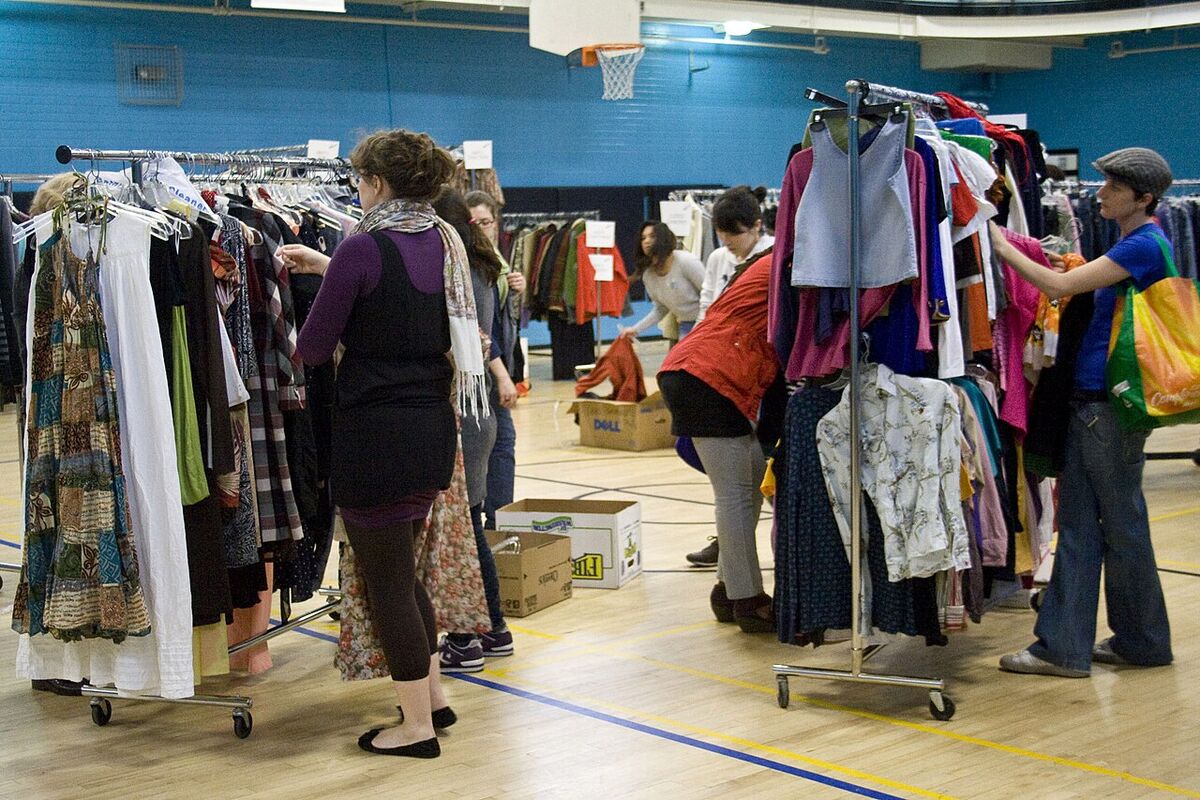
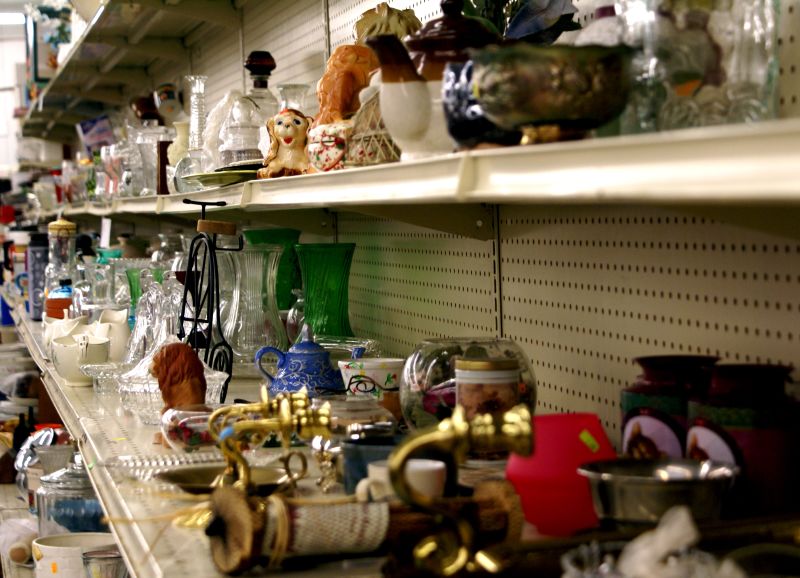
- Hit the Thrift Stores: You can find incredible DVDs and Blu-rays at local thrift shops for $1 to $3. It's the cheapest way to build a massive library quickly.
- Check Your Local Library: Most public libraries have massive collections of movies you can borrow for free.
- Curate, Don't Hoard: Don't buy movies just because they are cheap. Only buy films you actually love and know you will want to rewatch. Treat it like a curated personal museum.
- Invest in a Decent Player: You don't need a $500 4K player right away. A standard Blu-ray player from a recognizable brand will up-scale your old DVDs beautifully on a modern TV.
Can switching to discs save money?
It can, depending on your habits. If you cancel streaming services you rarely use and put that money toward used Blu-rays and the occasional new 4K release, your collection grows with permanent assets while your monthly entertainment budget may stay about the same.
There's a deep, tangible joy in looking at a shelf full of your favorite stories, knowing they are yours to keep. If you are tired of the endless scroll and the ever-increasing subscription fees, it might be time to dust off that old DVD player. The physical media revival isn't just nostalgia; it's a practical, consumer-friendly response to a broken digital ecosystem.