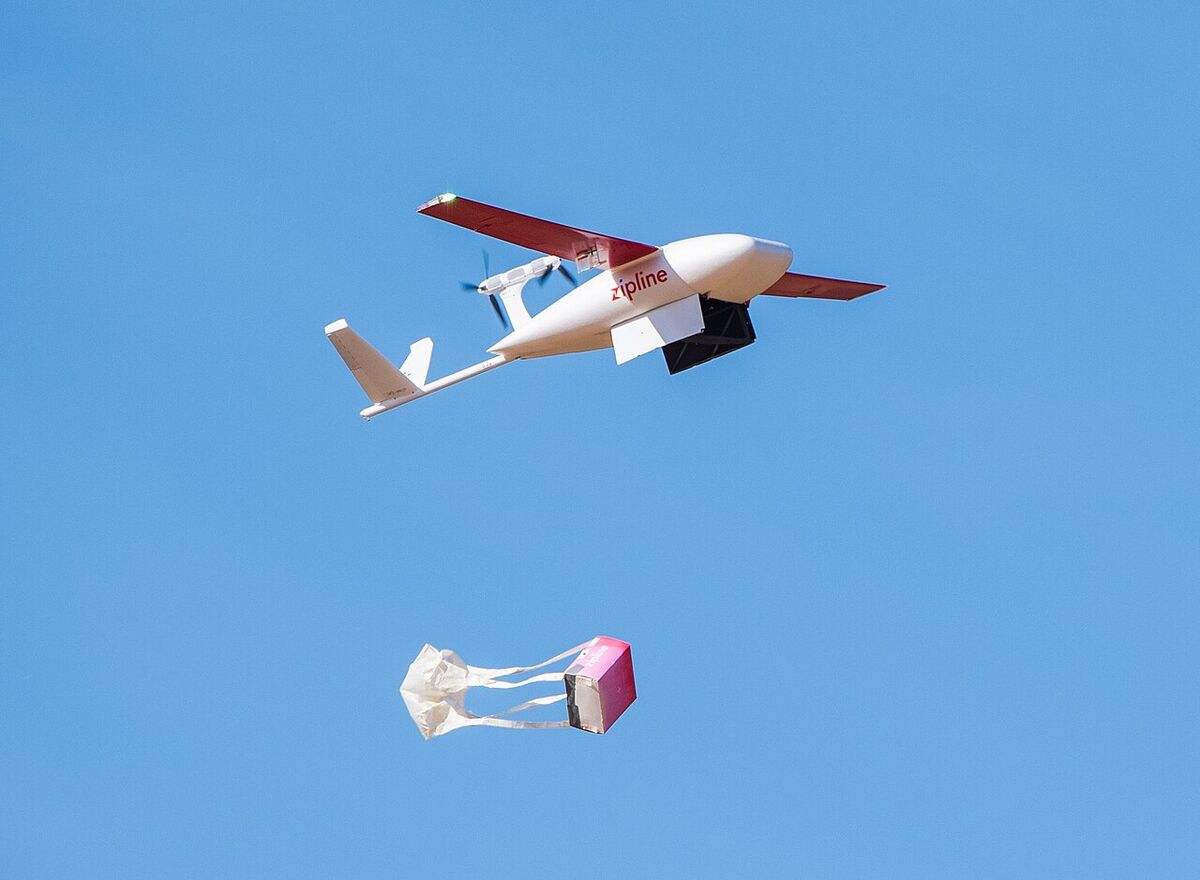
The Sky is Getting Busy: The Rapid Expansion of Drone Delivery in 2026
- Technology
- Exienent
- · Updated
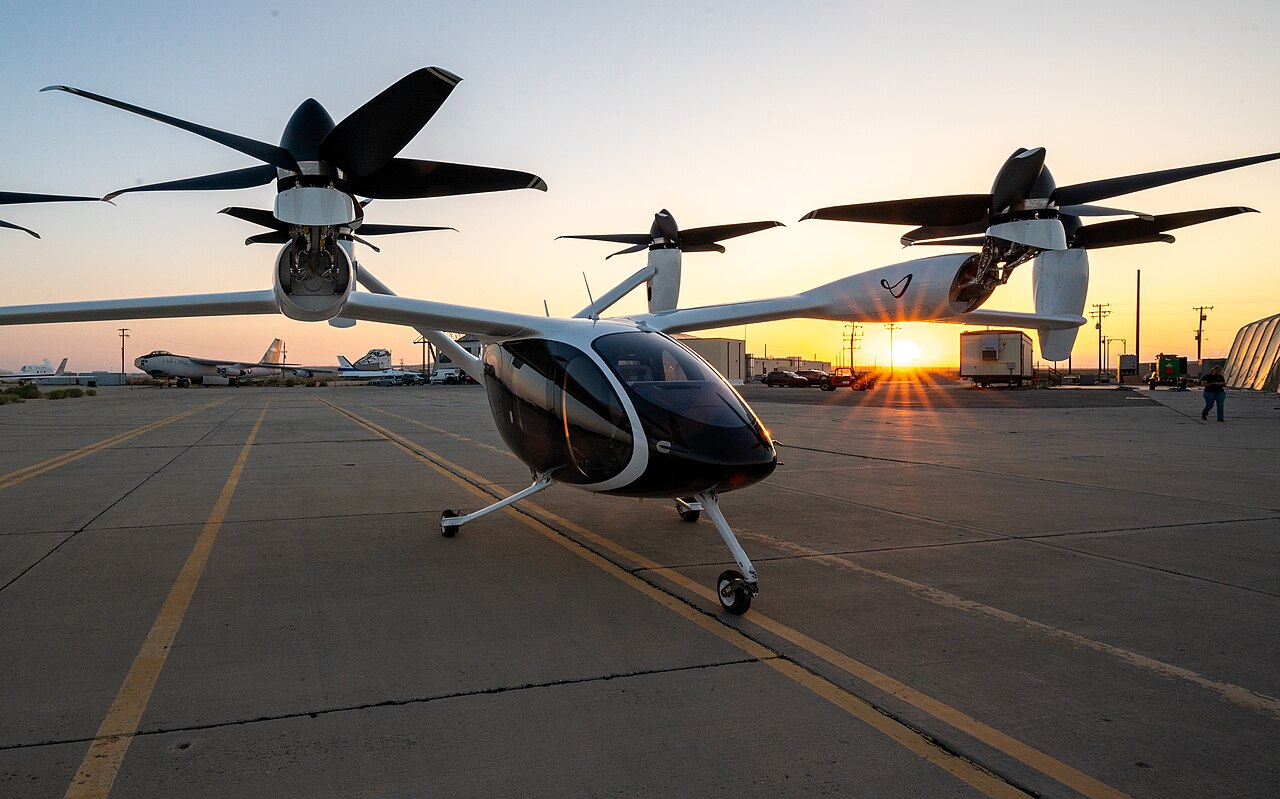
In 2026, drone delivery has moved from a novelty to a standard shipping option for several major retailers in some neighborhoods. New rules for flights beyond the operator's line of sight, lighter drones with better batteries, and advanced obstacle avoidance have made it practical, and the result is small orders that can arrive in minutes instead of a day.
For years, we've heard the promise that our packages, groceries, and even late-night medicine runs would be flown directly to our backyards by autonomous drones. It always felt like one of those tech pipe dreams—cool to think about, but constantly "five years away." Now the future of last-mile delivery has arrived, and the sky above us is getting a whole lot busier. The question is whether having toothpaste and coffee beans dropped from the sky is a game-changer or just a loud, overhyped gimmick.
How Fast Is Drone Delivery?
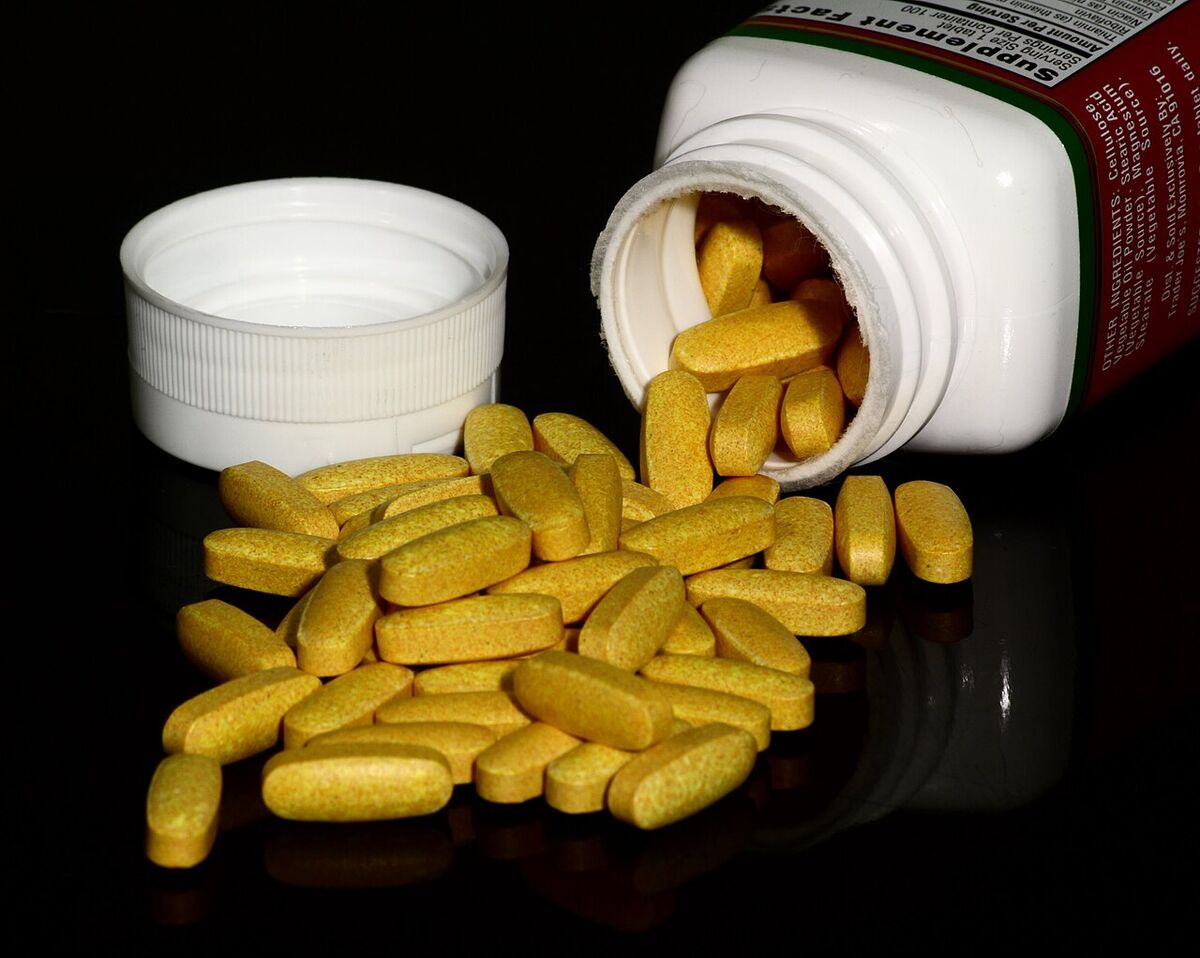
Drone delivery is fast enough to beat any truck for small orders: think minutes, not "Next Day Delivery." At checkout, a shopper ordering something like over-the-counter allergy medicine and a few pantry staples can choose "Drone Delivery" instead of standard shipping.
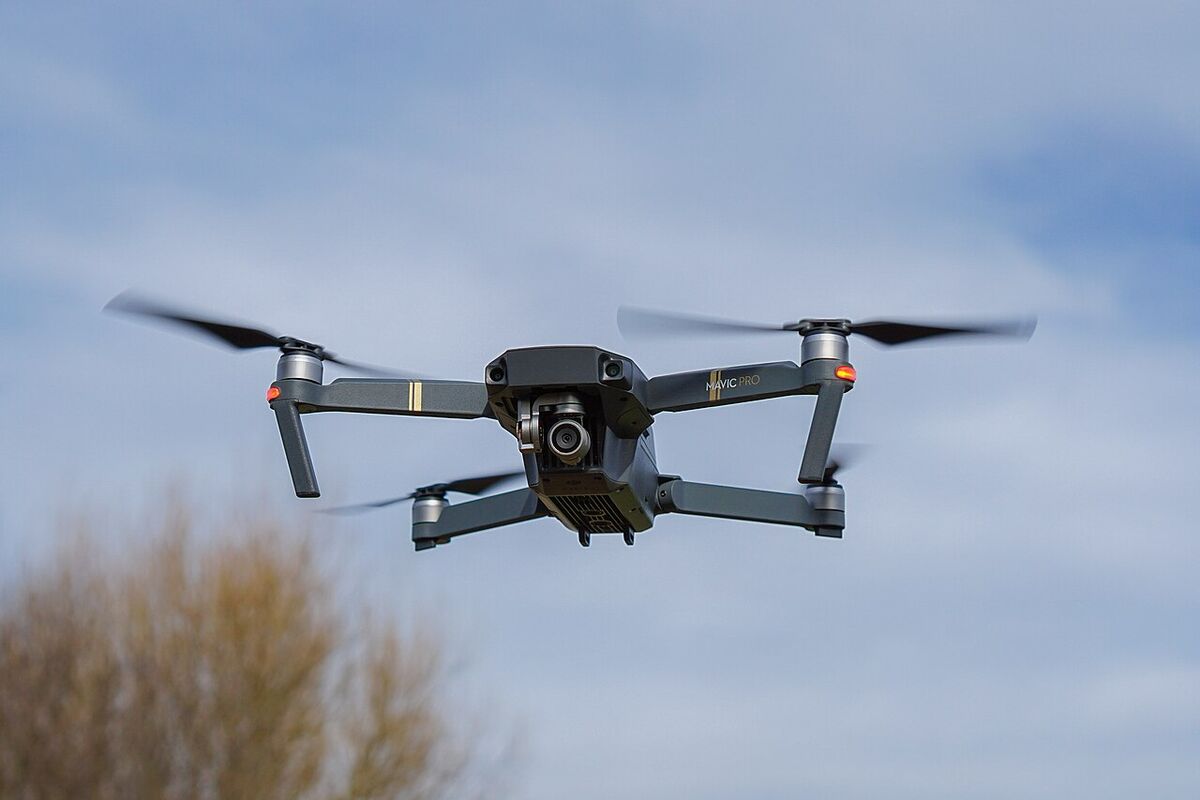
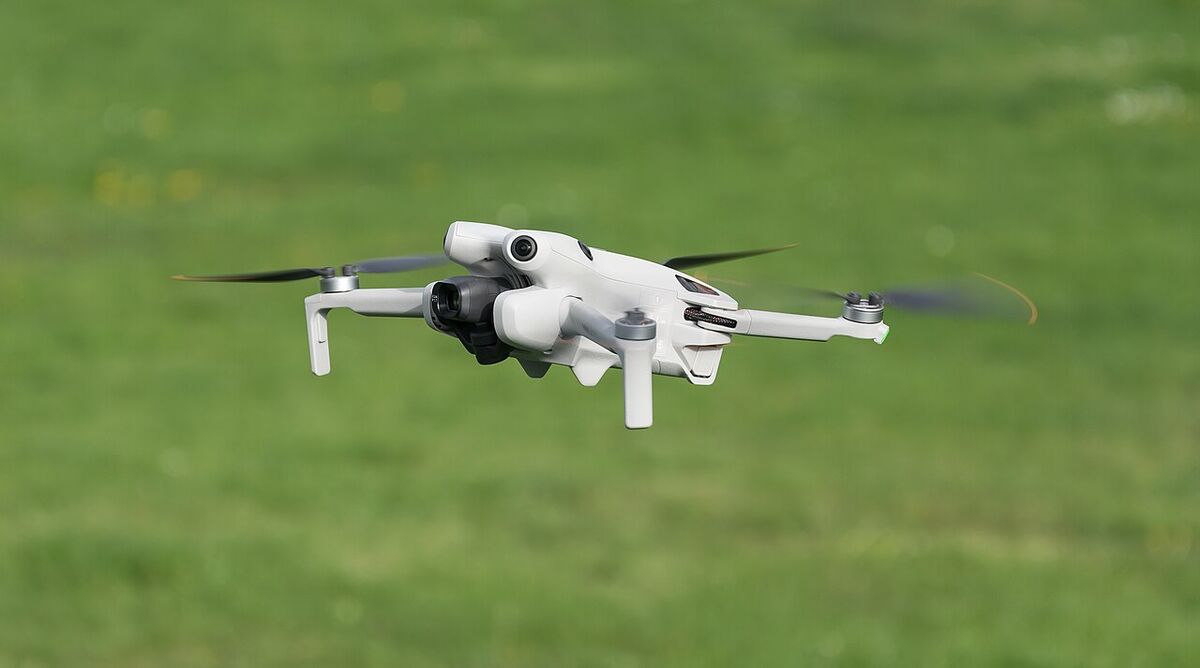
When the drone arrives, a phone notification tells you to step outside. The autonomous drone hovers above the driveway, gently lowers the package on a tether, then zooms back up and flies away. The whole process is designed to be almost jarringly frictionless.
Why Is Drone Delivery Expanding Now?
Drone delivery took until 2026 to become widespread because three pieces finally came together:
- Regulatory Breakthroughs: The FAA and global aviation authorities have finally established robust frameworks for Beyond Visual Line of Sight (BVLOS) operations, allowing drones to fly safely without a human operator needing to see them at all times.
- Battery Innovations: The drones themselves are lighter, and thanks to advancements in solid-state batteries, they can carry heavier payloads over longer distances before needing to return to base.
- Advanced Obstacle Avoidance: These aren't the consumer drones you fly in the park. They are equipped with sophisticated computer vision and radar that can instantly detect and avoid power lines, birds, and other aircraft in real-time.
Are Delivery Drones Annoying and Loud?
Delivery drones are quieter than you might expect, though not silent. The common worry is: Doesn't it sound like a swarm of angry bees all day?
The companies involved have made massive strides in noise reduction. The early prototypes were undeniably loud. However, the models flying today use uniquely shaped, low-pitch propellers that blend much more easily into typical neighborhood background noise. You can certainly hear one hovering directly over your yard to drop a package, but it can be less intrusive than a delivery truck rumbling down the street or the backup beep of a garbage truck.
What Does Drone Delivery Mean for the Future of Logistics?
Widespread drone delivery matters far beyond getting impulse purchases faster.
Here is the real value:
- Medical Supplies: Drones are now delivering emergency medical supplies, blood samples, and antivenom to rural clinics in a fraction of the time it would take a vehicle.
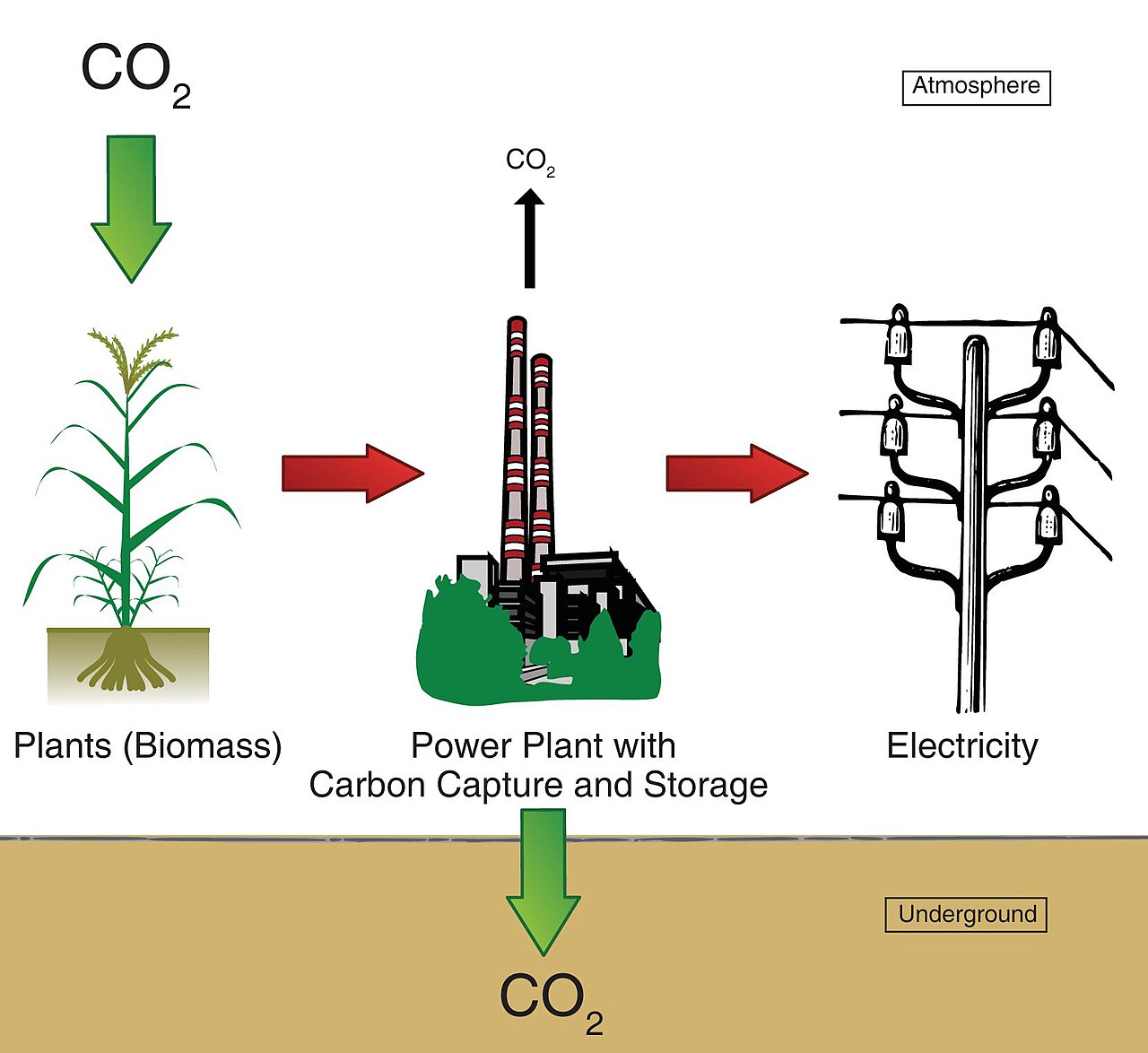
- Environmental Impact: Transitioning small, single-item deliveries from gas-powered vans to electric drones significantly reduces urban carbon emissions and traffic congestion.
- Changing Retail: Local pharmacies and grocery stores are essentially transforming into highly automated micro-fulfillment centers, capable of servicing an entire zip code in under half an hour.
The novelty of seeing a package float down from the sky may wear off quickly, and drone drops could soon feel like just another normal part of modern life. We are watching the reinvention of the supply chain happen right above our heads, and I think the convenience is hard to argue with.