Business marketing

Is the 4-Day Work Week Actually Working? Pros, Cons, and Reality
Large trials show a real 4-day week (32 hours, same pay) cut burnout and kept revenue steady, but work gets faster and not every job or employer can fit it.
The Hidden Psychology of 'Buy Now, Pay Later' (BNPL): Why It Can Backfire
Buy Now, Pay Later splits purchases into small payments that dull the pain of paying. CFPB data shows many borrowers stack several loans at once, often unseen.

The Rise of the Super-Solopreneur: AI-Powered Side Hustles in 2026
AI lets one person handle coding, writing and dubbing, but YouTube won't pay for mass-produced content and the FTC has sued AI income schemes. Here's what works.

Micro-Investing in 2026: How Round-Ups and Fractional Shares Work
Micro-investing apps invest spare change and small deposits through round-ups and fractional shares. How they work, what the fees cost, and the limits to know.

The Reality of AI Supercomputing Platforms: The Great Bottleneck of Enterprise AI in 2026
Gartner's AI supercomputing platforms mix GPUs, ASICs and other chips. For most firms the hard limits are compute cost, power and cooling, not the AI model.
Machine Customers: When AI Starts Shopping for You
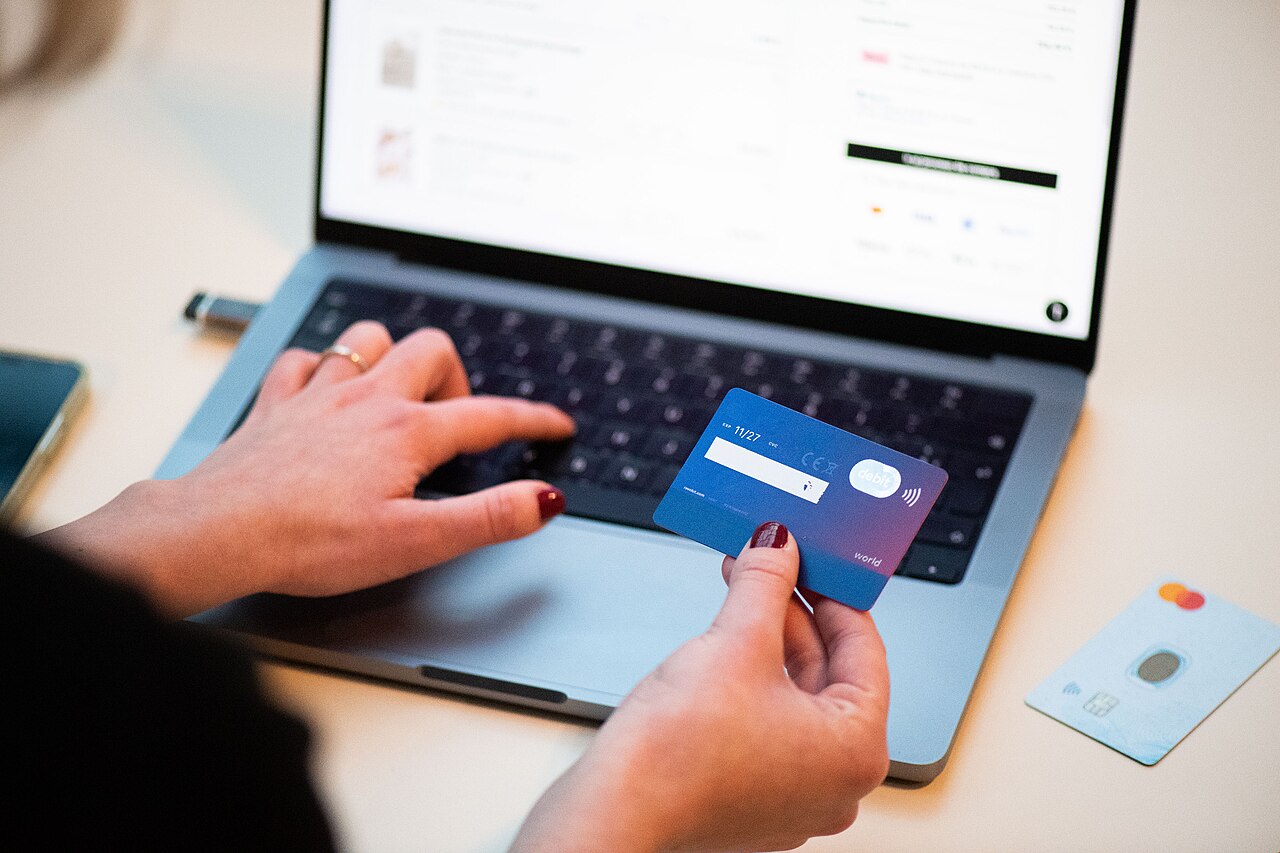
Machine customers are AI agents and devices that buy on your behalf. Checkout tools from OpenAI and Google exist, but they are early and still need guardrails.

What a Feed of Only Virtual Influencers Reveals About the Strange Future of Social Media
Brands like virtual influencers for total control, but studies find people trust them less, and the FTC treats them as endorsers who must disclose ads.

Sovereign AI: Why Enterprises and Nations Are Reclaiming Their Tech Stacks in 2026
Sovereign AI means building and running AI on infrastructure, data and talent you control. Why nations and companies want it, what EU rules require, and the costs.

The Rise of 'Dupe' Culture: Why Gen Z is Ditching Luxury for Lookalikes
Gen Z picks legal, affordable dupes over luxury brands as prices rise and social media makes side-by-side comparisons easy. Here is how dupes differ from fakes.

The Kidult Economy: Why Adults Are Buying Toys for Themselves
Kidults aged 12 and up now make up about 30% of US toy sales and 32% in Europe's top five markets. Here's what they buy, why, and how toy brands respond.

Letting AI Write Your Resume and Apply to Jobs: What Actually Happens
AI can tailor a resume to each job's keywords in seconds, but it may overstate your experience, and AI-fueled application floods make recruiters filter harder.
The Silent Takeover: How TikTok Shop is Redefining E-commerce in 2024
TikTok Shop merges video and checkout so viewers buy without leaving the app, driven by affiliate creators. Its US sales doubled in 2026, but trust is a concern.
Why Your YouTube Views Dropped: What the Algorithm Actually Rewards
YouTube says it ranks videos by viewer satisfaction, not clicks alone: surveys, likes, shares and valued watch time. What that means for views, Shorts and income.

The 2024 Bitcoin Halving: What Actually Happened and Why It Matters Now
The April 2024 halving cut the block reward to 3.125 BTC. Small miners were squeezed, big public miners gained share, and spot ETFs out-bought new supply.

The 2024 US TikTok Ban Legislation: What Happens Next?
A 2024 US law told ByteDance to sell TikTok or face a ban. The Supreme Court upheld it, enforcement was delayed, and a US joint venture took over in January 2026.

The Great YouTube Ad Blocker Crackdown of 2024: What It Means for You
YouTube says ad blockers break its terms and may stop playback. Chrome no longer runs full uBlock Origin; Firefox does. Options: allow ads, Premium, or switch.