The Rise of the Super-Solopreneur: AI-Powered Side Hustles in 2026
- Business & Marketing, Technology, AI & Data
- Exienent
- · Updated
In 2026, autonomous AI agents let a single person run workflows that once required a team, so a side hustle no longer hits the ceiling of what one person can do in 24 hours. The most promising models are niche SaaS built without coding, faceless multilingual content channels, and hyper-personalized consulting—but the same tools make competition fiercer than ever.
Building a scalable business used to mean hiring a small army of freelancers or finding an expensive co-founder. Whether you ran a marketing agency, built a software tool, or managed a successful content channel, you eventually hit a limit on what one person could physically do. A solo operator can now run what I call a "Synthetic Micro-Agency": one human setting strategy, with AI agents handling the execution.
How Has AI Changed from a Tool to a Teammate?
AI has moved from a tool you prompt for single tasks to autonomous agents that handle entire multi-step workflows. A few years ago, we asked ChatGPT to write a blog outline, or used Midjourney to generate a quick thumbnail. It saved a few hours here and there, but you were still doing the heavy lifting—editing, formatting, publishing, and marketing.
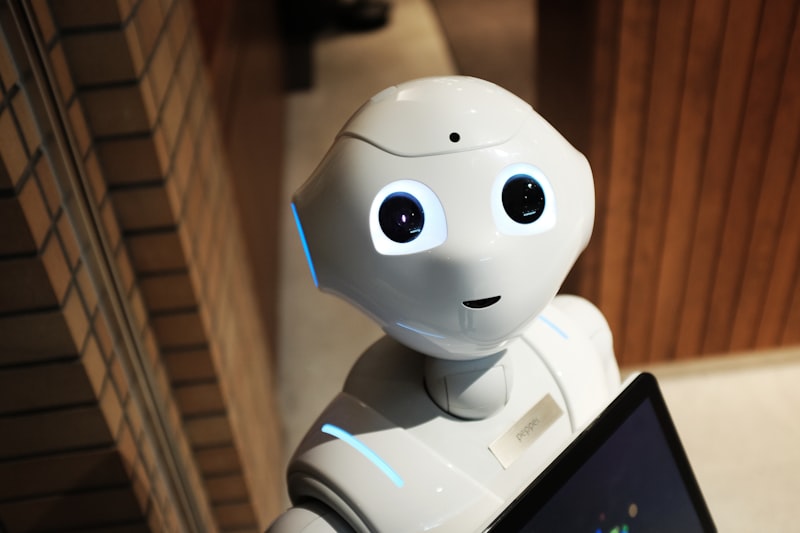
Today, we are firmly in the era of Autonomous AI Agents. These aren't just chatbots; they are capable, reasoning systems that you deploy to handle entire workflows.
Consider a localized news aggregator. You might assume it needs a team of scraping engineers and editors, but it can be run with a team of three AI agents:
- Agent one scours local public databases and community forums for updates.
- Agent two verifies the facts, synthesizes the information, and writes the daily newsletter.
- Agent three formats the email, handles the subscriber list, and manages the social media distribution.
The owner's job becomes setting the high-level strategy and reviewing the final output before it goes live. They act as the CEO, while the "employees" work 24/7, never sleep, and can cost a fraction of a traditional server bill.
Which AI Side Hustles Have the Most Leverage?
The side hustles with the most potential right now are high-leverage digital arbitrage plays.
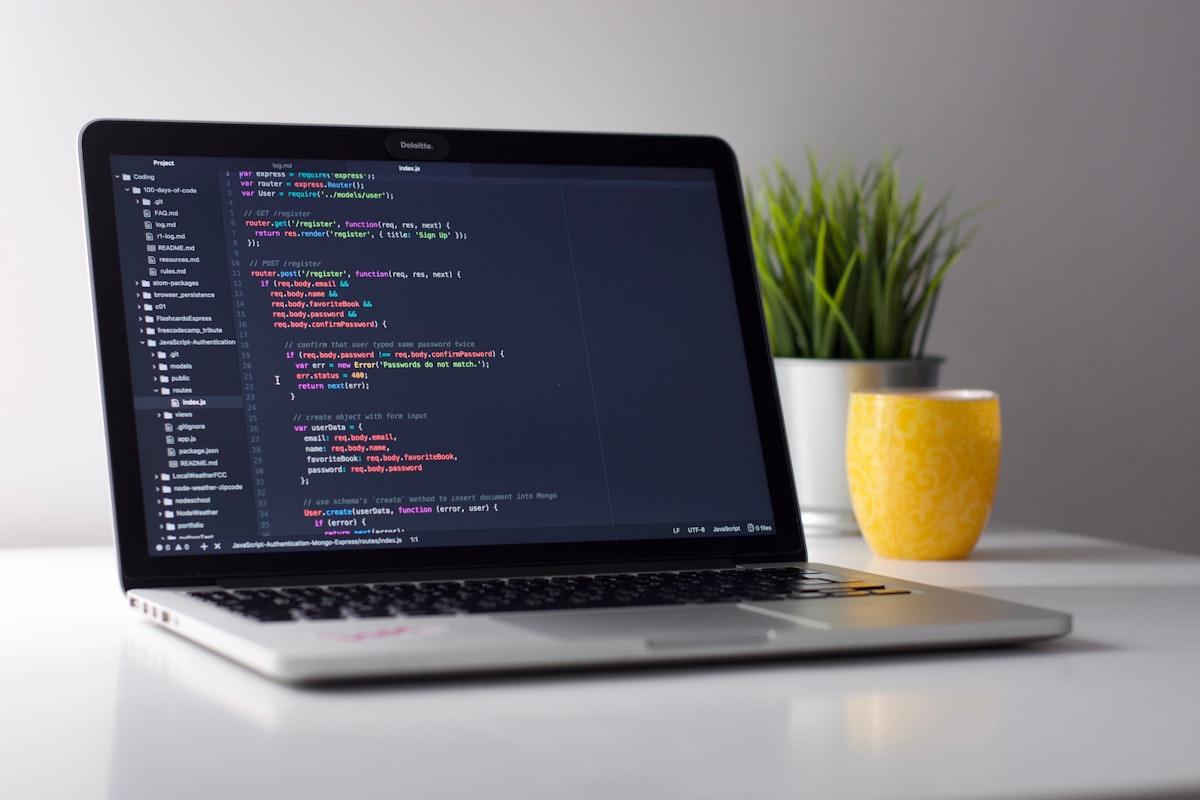
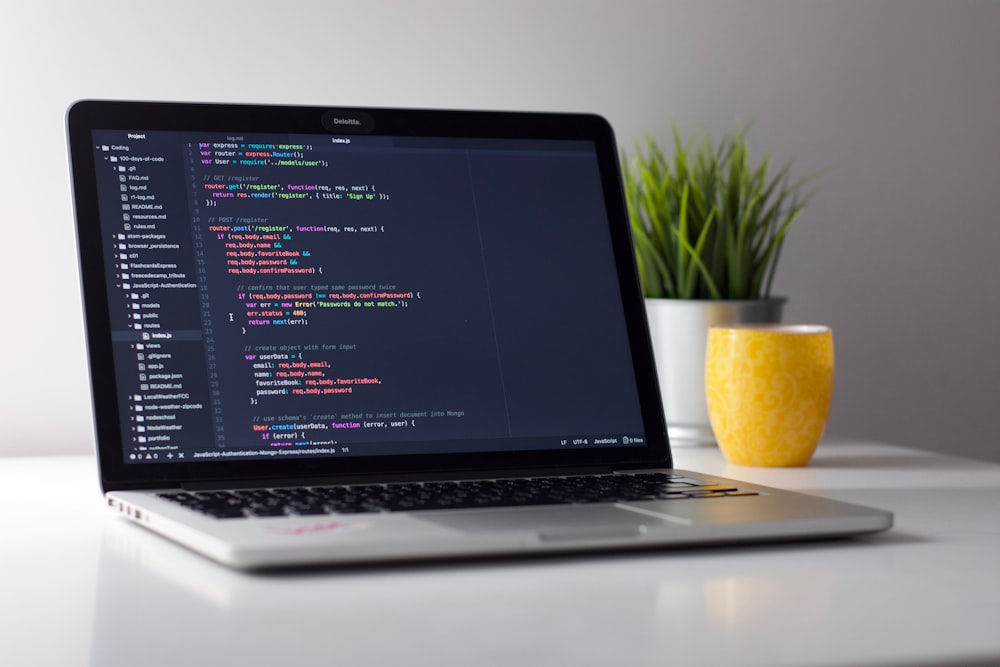
1. Niche SaaS for Non-Technical Founders: With the rise of Generative UI and advanced coding agents, you no longer need to know React or Python to build a web application. If you can identify a highly specific problem in a niche industry (say, inventory management for independent bookstores), you can prompt an AI to build, test, and deploy a functional prototype over a weekend. The barrier to entry isn't coding anymore; it's identifying the problem and marketing the solution.
2. The Faceless Multi-Lingual Content Empire: The idea of a "faceless YouTube channel" isn't new, but the scale has exploded. Instead of struggling to edit one video a week, creators can use AI to generate high-quality, long-form video essays complete with licensed stock footage and natural, expressive voiceovers. The real kicker: localized LLMs can dub that same video into Spanish, Hindi, and Mandarin, matching lip-sync and cultural nuance. Instead of reaching one audience, a channel can target global markets simultaneously.
3. Hyper-Personalized Consulting: Consultants can use Retrieval-Augmented Generation (RAG) to ingest massive amounts of client data—financial records, internal wikis, or competitor analysis. They can walk into a meeting looking like they spent 100 hours researching a company, when in reality an AI agent did the groundwork. It allows independent consultants to punch above their weight class and compete with much larger firms.
What Is the Honest Reality of Being a Super-Solopreneur?
The reality is that powerful tools also mean fiercer competition, so AI alone does not guarantee success or income. It sounds like a utopia, but it's important to be realistic.
Because anyone can start an AI-powered agency in an afternoon, the internet is flooded with low-quality, synthetic noise. In my view, the people who will win in 2026 aren't the ones just pressing "generate" and walking away.
The winners use AI to handle the tedious execution, freeing up their time to focus on deep human connection, building genuine communities, and offering a unique, irreplaceable perspective. The AI is the engine, but you still have to be the one steering the ship.
If you've been sitting on an idea because you felt you didn't have the time or the team to execute it, that excuse is much weaker now. The tools are ready whenever you are.