The Final Frontier on Earth: Why Deep Sea Exploration is Booming in 2026
- Technology, Environment
- Exien
- · Updated
In 2026, the real frontier of discovery isn't outer space; it's inner space. We are experiencing a golden age of Deep Sea Exploration, driven by a perfect storm of technological breakthroughs—above all, autonomous underwater robots—and environmental necessity.
For the last few years, everyone’s eyes have been pointed up. We watched rockets land backwards, rovers traverse Mars, and billionaires take joyrides to the edge of space. But recently, a completely different frontier has been making headlines, and it’s located right here on our own planet. Here is why there is a sudden, massive influx of funding and interest in the deepest, darkest parts of the ocean, and what's actually happening at the bottom of the world.
How Are Robots Mapping the Ocean Floor So Fast?
The biggest reason we are suddenly mapping the ocean floor at an unprecedented rate is that we finally took humans out of the equation.
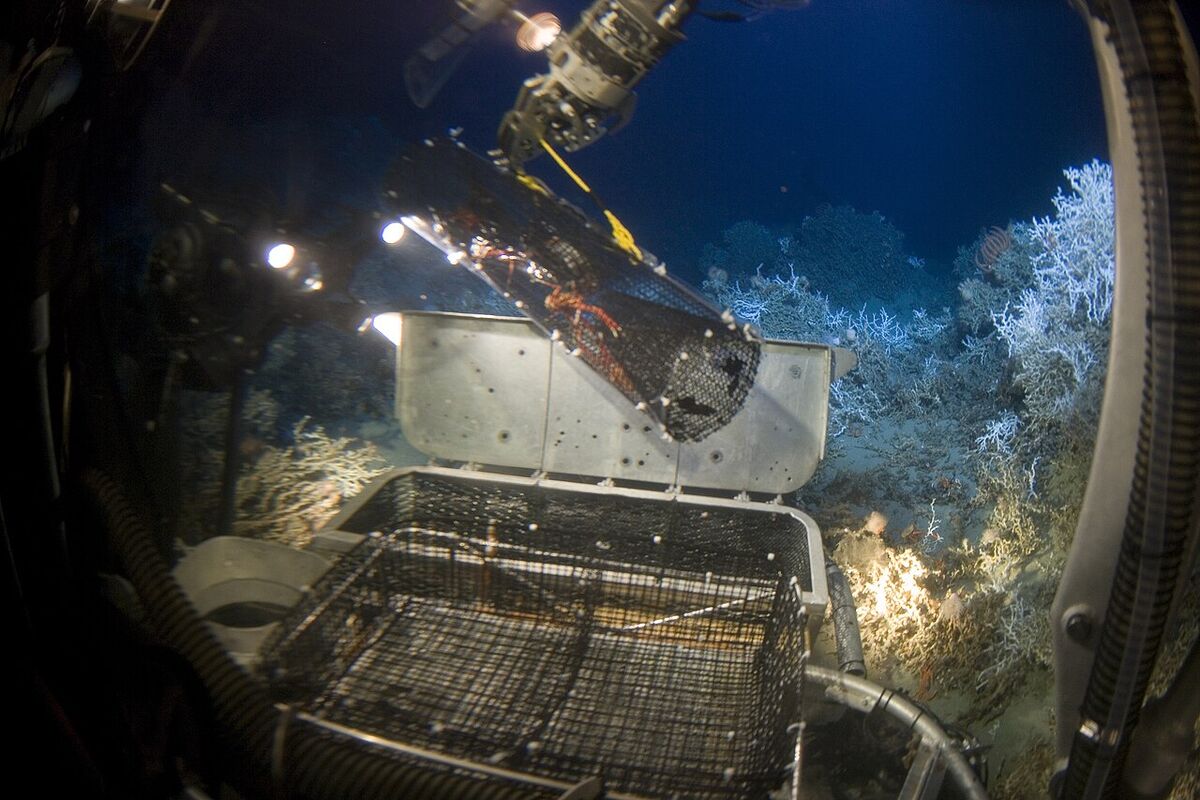
Historically, exploring the deep sea meant sending highly trained scientists down in incredibly expensive, cramped, and dangerous submersibles. It was slow, risky, and inefficient. Today, the game has shifted to Autonomous Underwater Vehicles (AUVs).
What Is Swarm Robotics?
Swarm robotics is the 2026 breakthrough: instead of sending down one robot at a time, research institutes and private companies are deploying dozens of AI-powered drones simultaneously. These swarms communicate with each other using advanced acoustic modems, mapping vast underwater mountain ranges and deep-sea trenches in a fraction of the time it used to take a single ship. They can navigate treacherous underwater terrain, make split-second decisions to investigate unusual thermal vents, and return to their surface motherships to offload petabytes of high-definition data.
What Are Deep Sea Explorers Actually Looking For?
The underwater gold rush is driven by climate science, medicine, and battery metals—not just finding shipwrecks or weird-looking fish with glowing lures. The stakes are much higher.
- Climate Change Data: The deep ocean is the Earth's largest carbon sink. By mapping deep sea currents, temperature fluctuations, and the incredibly complex ecosystems of the abyssal plain, scientists are building vastly more accurate climate models. We can't fix the climate crisis if we don't understand the largest part of the system.
- Medical Breakthroughs: The creatures that survive in the extreme pressure and toxic environments of deep-sea hydrothermal vents have unique biologies. Researchers are discovering new compounds in deep-sea sponges and microbes that are already being synthesized into next-generation antibiotics and cancer treatments.
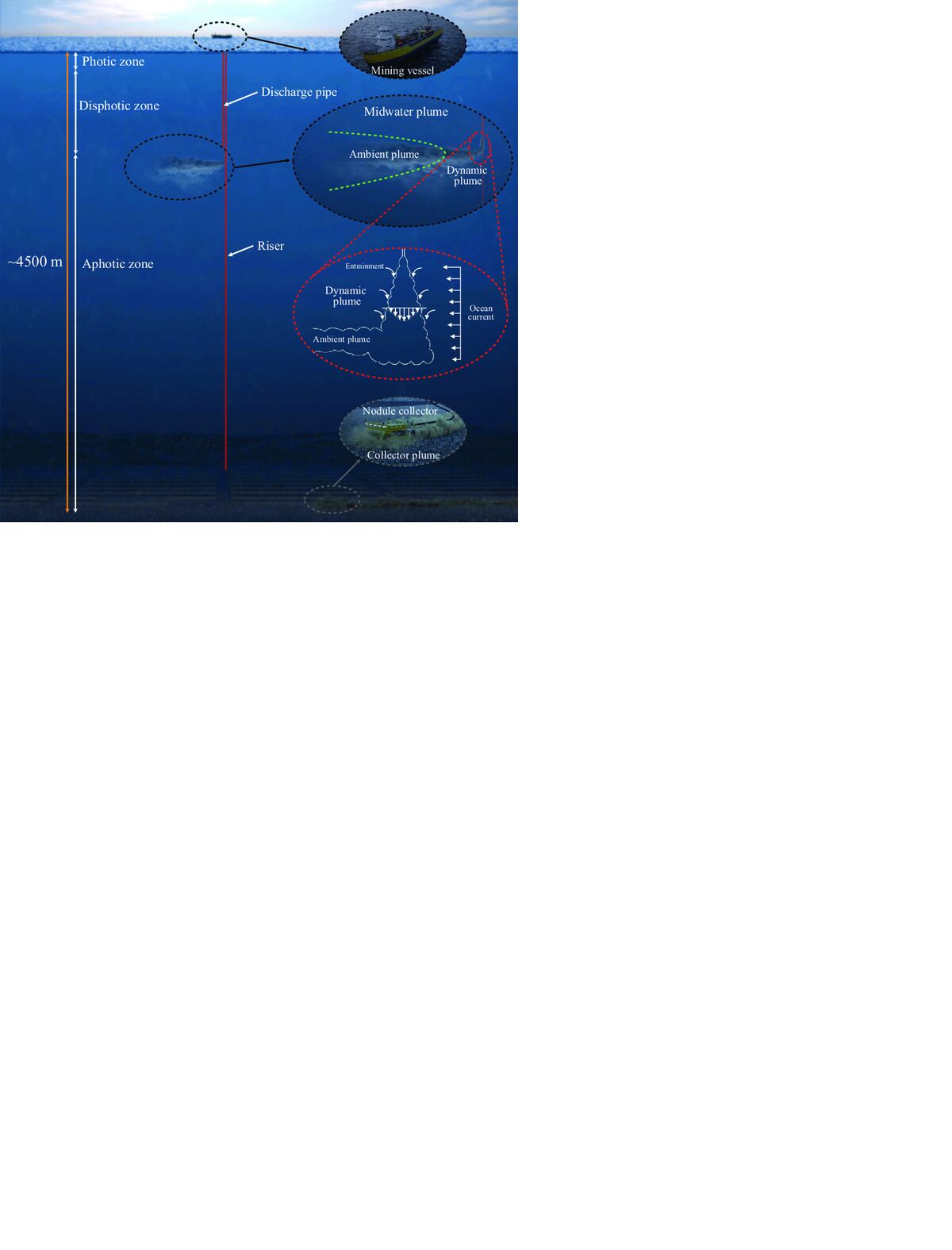
- The Rare Earth Debate: The controversial topic of polymetallic nodules is still a major factor. The ocean floor is littered with rocks containing the exact battery metals needed for the EV transition. While actual mining remains hotly debated and heavily regulated, the push to map these resources—and understand the ecosystems around them before they are disturbed—is a massive driver of exploration funding.
Can You Explore the Deep Sea in Virtual Reality?
Yes. One of the most surprising outcomes of the deep-sea boom is how it is being shared with the public, and you don't have to be a marine biologist to experience it anymore.
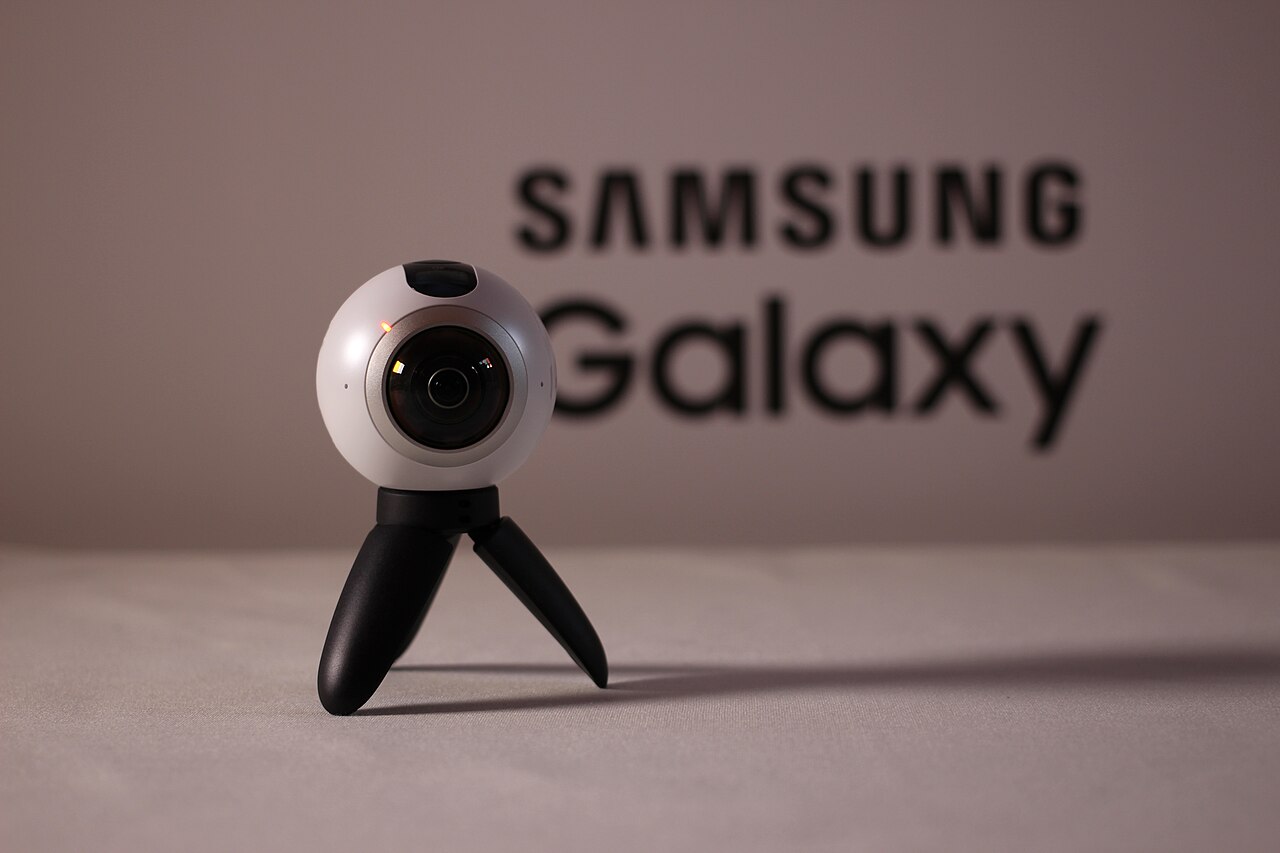
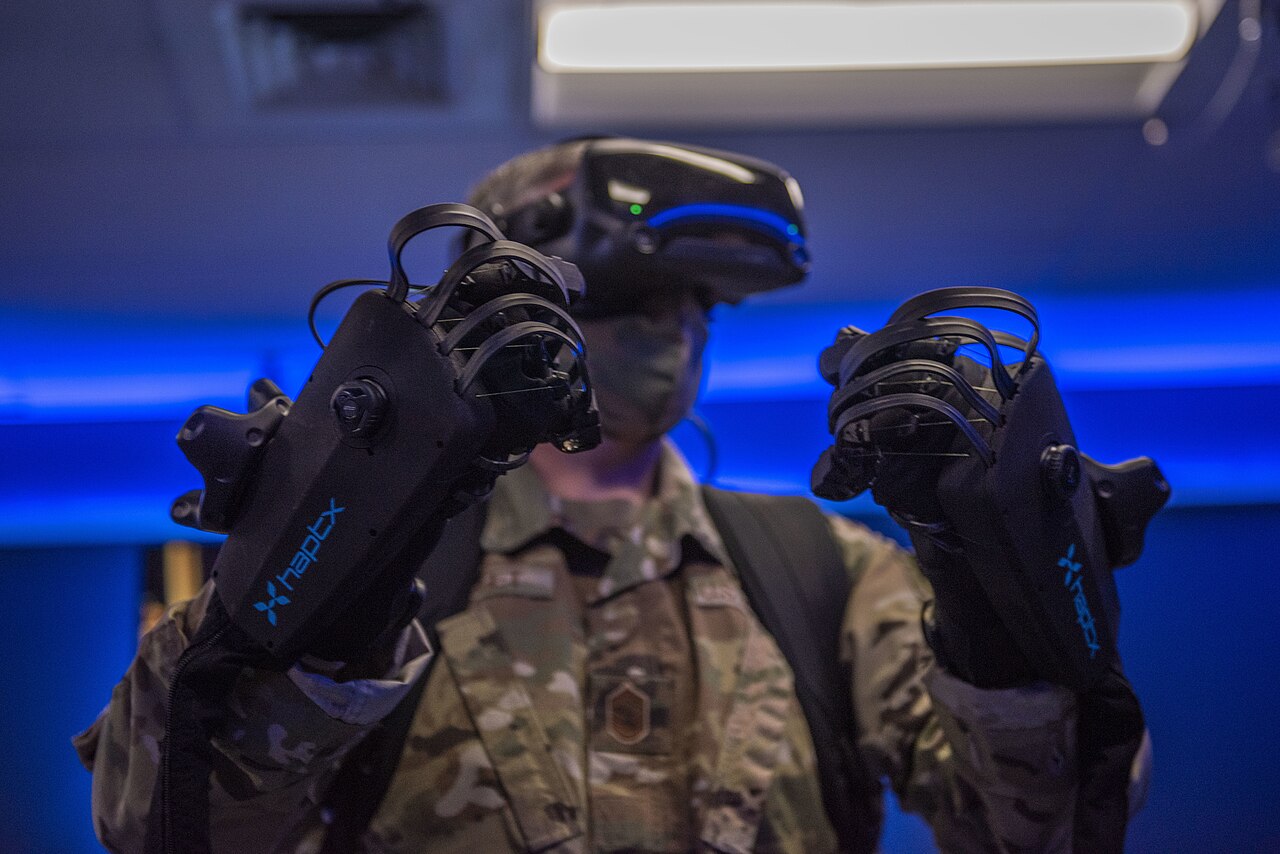
Thanks to the ultra-high-definition cameras on these AUVs and fast data processing, organizations are creating real-time digital twins of the ocean floor. Using consumer VR headsets, you can now literally walk around a 3D model of a newly discovered hydrothermal vent thousands of meters below the surface.
Why Does Deep Sea Exploration Matter?
We know more about the surface of the moon than we do about the bottom of our own oceans. But in 2026, thanks to autonomous robotics and AI, that is finally starting to change. We are mapping the last true unknown on Earth, and what we are finding is going to fundamentally change our understanding of our own planet.