Direct-to-Cell Technology: Unpacking the Hype and Reality
- Technology
- Exienent
- · Updated
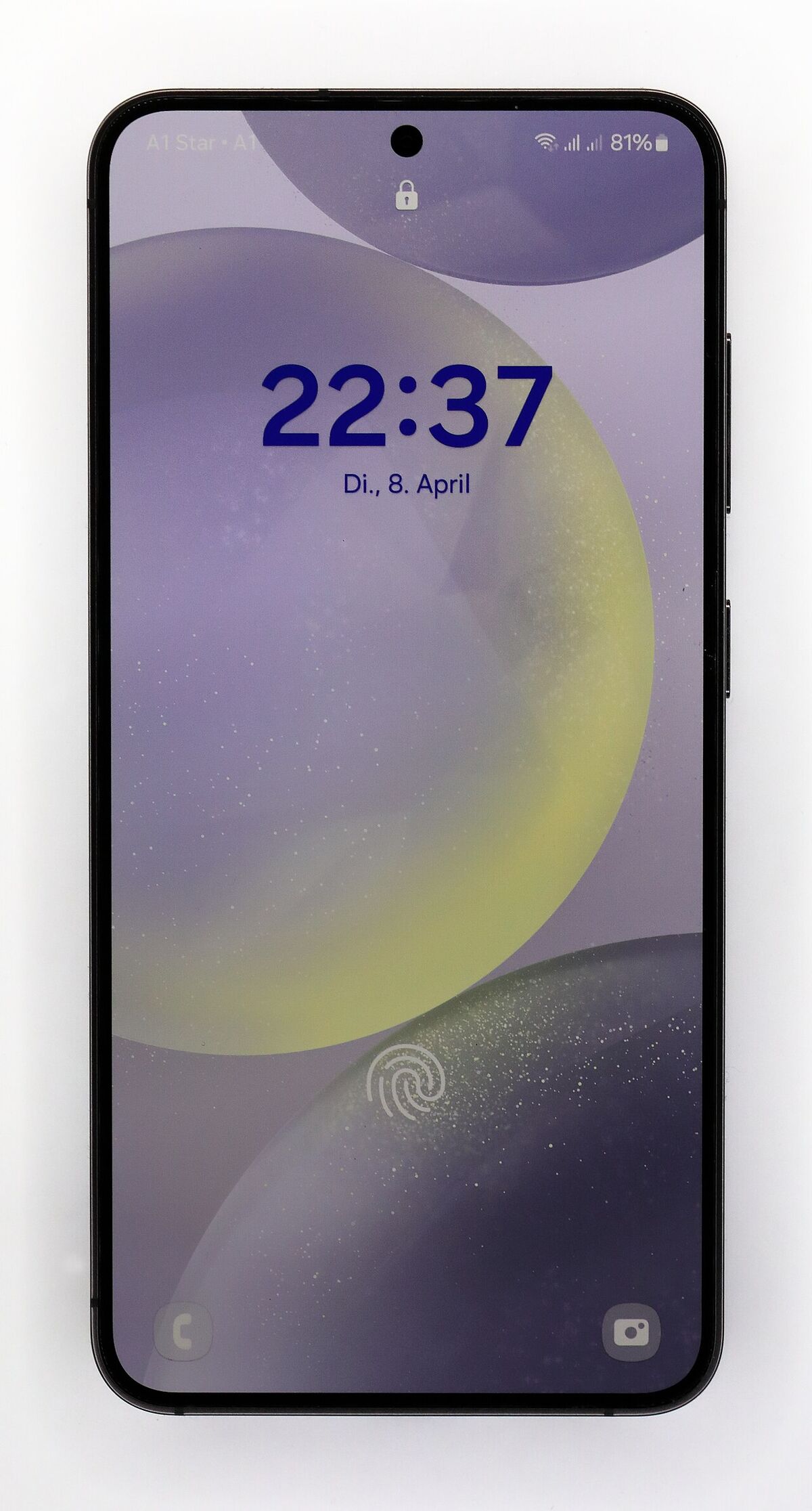
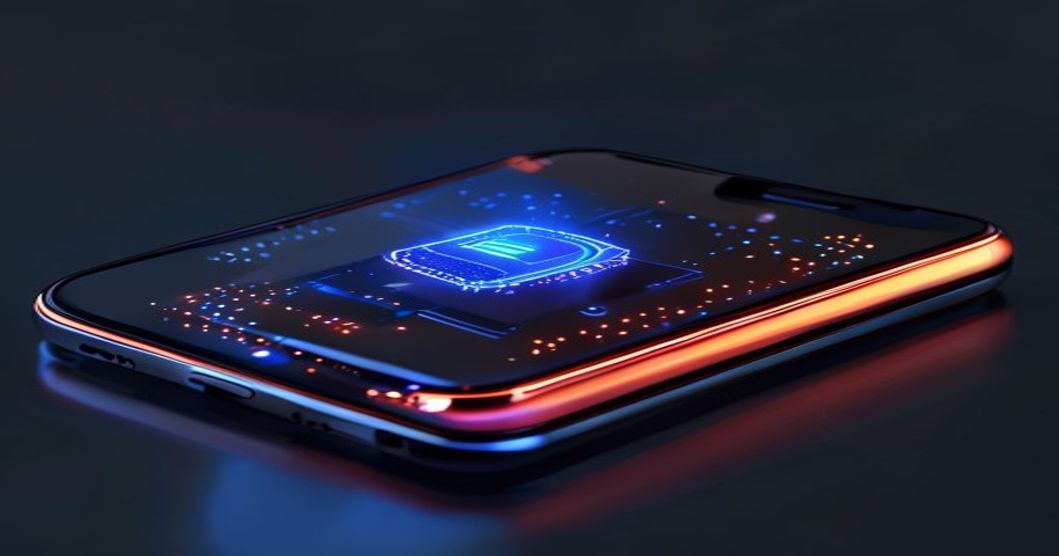
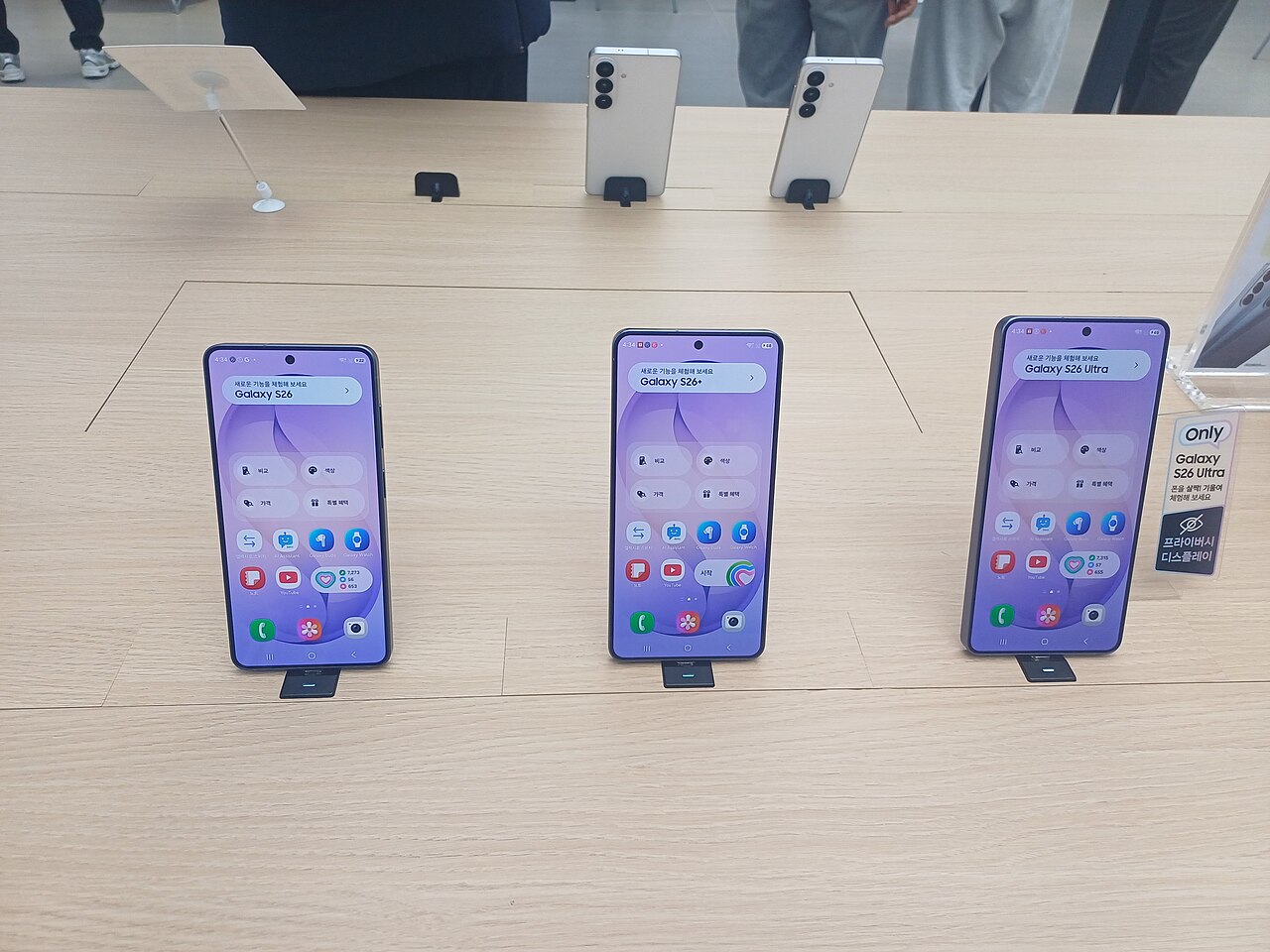
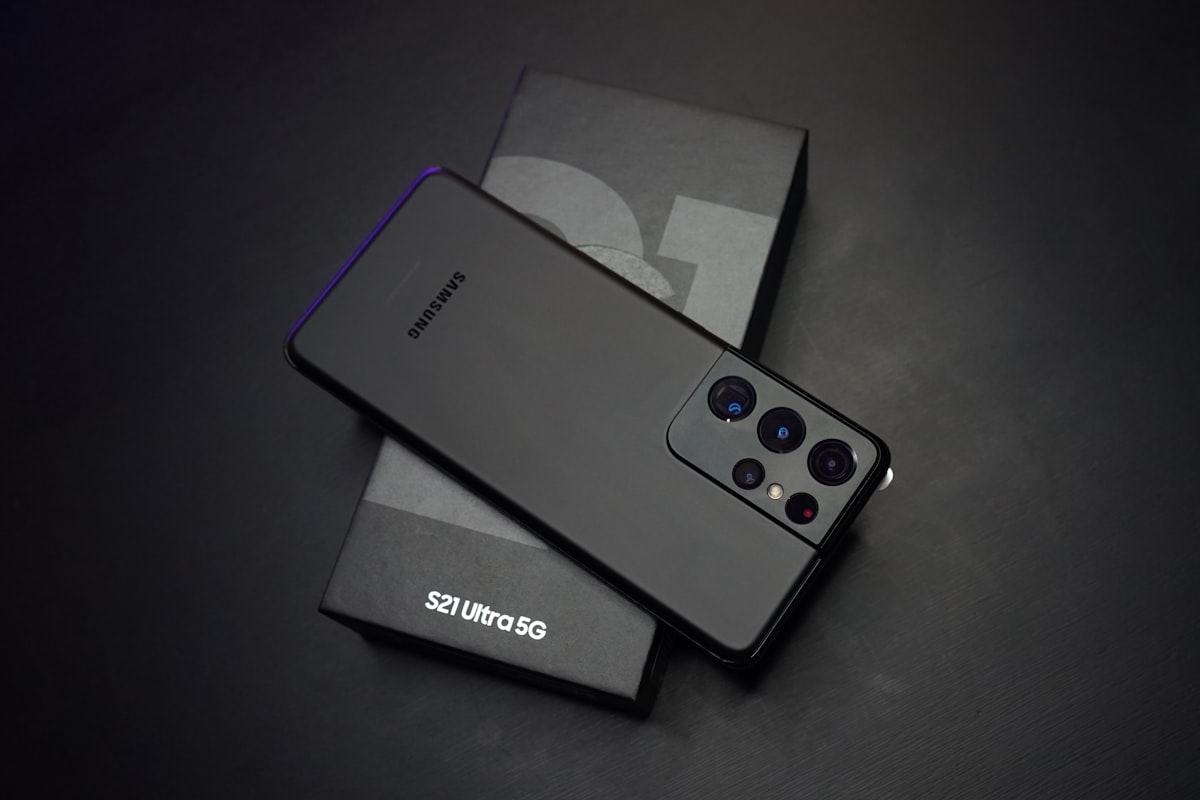
Direct-to-cell technology lets a standard, unmodified smartphone talk directly to low-earth orbit satellites, which in 2026 mainly means text messages, SOS alerts, and very basic data in places with no cell coverage. It is not a replacement for terrestrial 5G: speeds are measured in kilobits or single-digit megabits per second, and you need a clear view of the sky.
Being stranded on a hiking trail with no bars, no GPS updates, and a map that makes less sense the longer you stare at it is becoming increasingly rare, thanks in large part to the rapid advancements in direct-to-cell technology. With all the headlines lately about "cell towers in space," it's worth unpacking what this means for everyday smartphone users right now.
Can You Stream Video Over Direct-to-Cell Satellites?
No—despite what some marketing materials suggest, you cannot seamlessly stream 4K video from the middle of the Sahara Desert. We are absolutely not there yet. The current bandwidth provided by these low-earth orbit satellites interacting directly with standard, unmodified smartphones is relatively limited. Right now, it's primarily designed to solve the "dead zone" problem for critical communication—think text messages, SOS alerts, and very basic, low-bandwidth data transfers.
How Does Direct-to-Cell Technology Work?
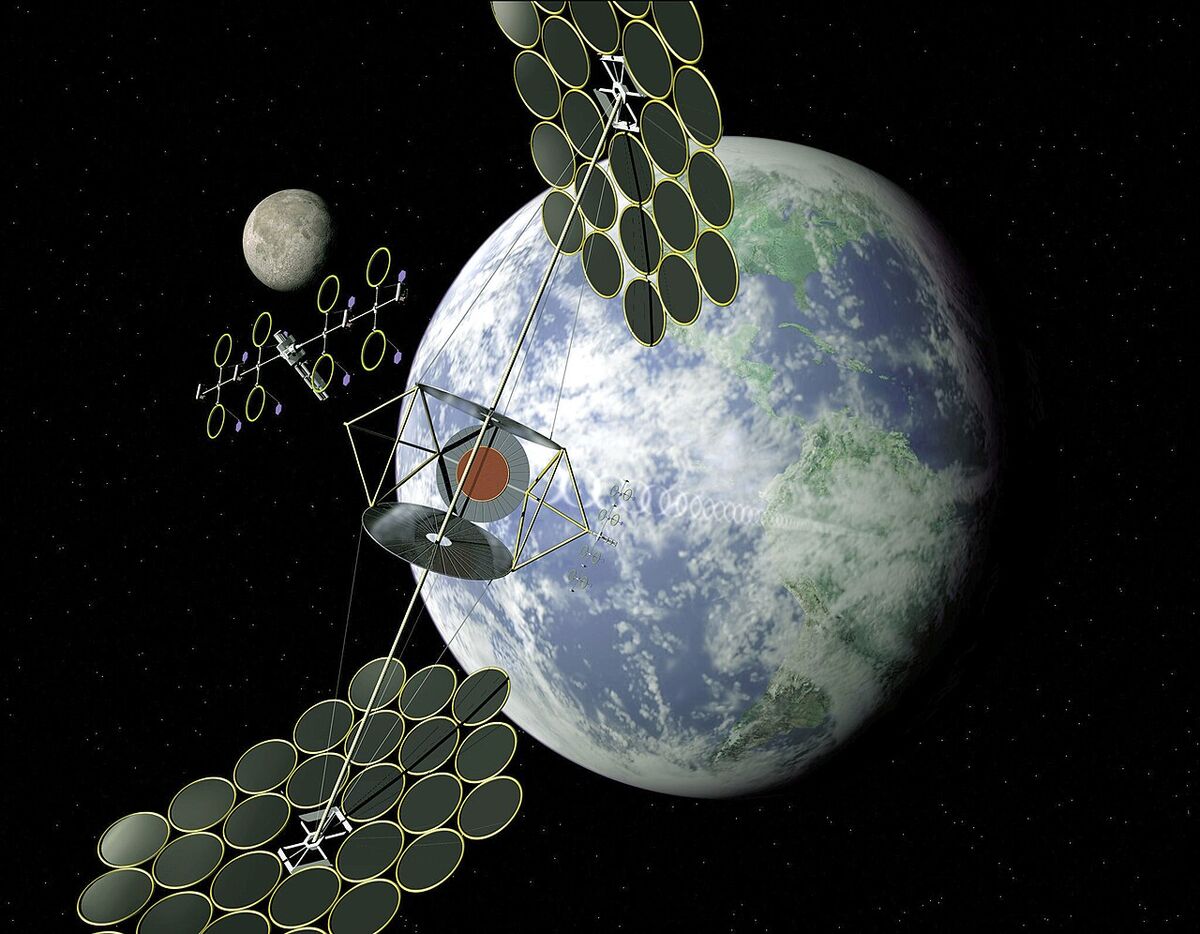
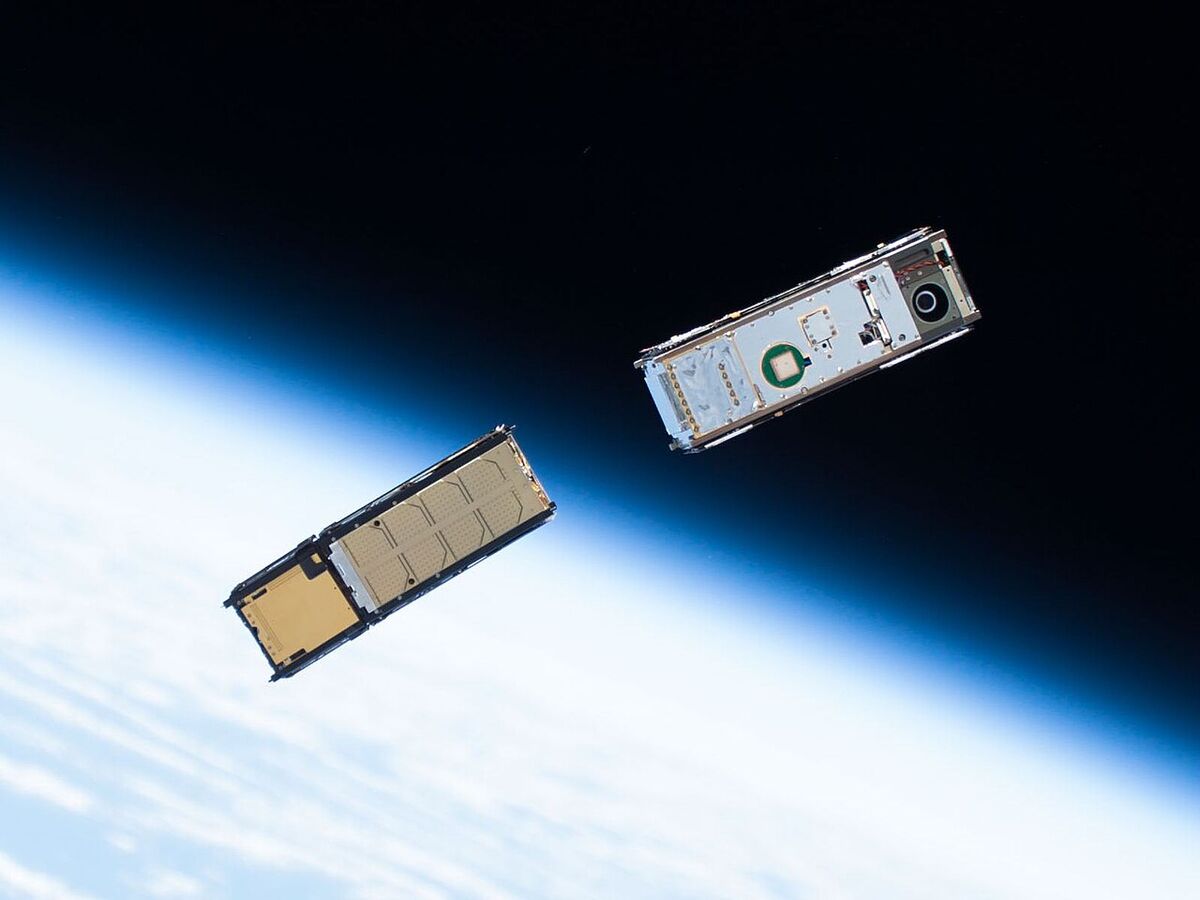
Direct-to-cell works by leveraging incredibly large phased-array antennas on satellites that essentially act as massive cell towers floating hundreds of miles above us. These satellites broadcast a signal that your phone's existing LTE or 5G modem can understand, without requiring you to carry a bulky satellite phone with a massive antenna sticking out of it. It's a remarkable engineering feat, but physics still plays a major role. The distance the signal has to travel, combined with the power limitations of a typical smartphone, means speeds are currently measured in kilobits or single-digit megabits per second, not the hundreds of megabits you get on a robust terrestrial 5G network.
What I find genuinely fascinating is how this is fundamentally changing the telecom landscape. For decades, the only way to get broader coverage was to build more cell towers—a costly and often logistically challenging endeavor, especially in rural or mountainous areas. Direct-to-cell flips that model entirely. By putting the infrastructure in space, companies can blanket massive geographical areas almost overnight once the satellite constellation is in place.
What Is Using Direct-to-Cell Service Like?
Using an early commercial direct-to-cell service, for example on a weekend camping trip, is noticeably different from regular cellular service. You need a clear, unobstructed view of the sky—trees and tall buildings can significantly block the signal. The connection can also be somewhat intermittent as satellites pass overhead and hand off the connection. Sending a simple text message may take longer than usual, and sometimes you have to literally point your phone towards the open sky, following a helpful little graphic on the screen to align with the nearest satellite.
However, the peace of mind this provides is significant. Knowing that you can reach out in an emergency, or simply send a quick "I'm okay" message from almost anywhere on the planet with just the phone already in your pocket, is a game-changer for outdoor enthusiasts, travelers, and people living in remote communities.
What Is Next for Direct-to-Cell Technology?
The next steps are more bandwidth, then reliable voice, then light data apps. As companies launch more advanced satellites with more powerful antennas and improved spectrum utilization, we can expect significant bumps in bandwidth. We are likely to see support for voice calls become more common and reliable in the near future, followed by support for more data-intensive applications like basic web browsing and low-resolution video calling.
While it's not going to replace traditional cell towers for high-density urban areas anytime soon, direct-to-cell is rapidly evolving from a niche emergency feature into a crucial safety net and a foundational element of a truly ubiquitous global communication network. It's bridging the final gaps in our connected world, so that no matter where your adventures take you, you are rarely truly out of reach.