How an AI Posture Wearable Works: Fixing 'Tech Neck'
- Health, Technology
- Exienent
- · Updated
An AI posture wearable is a small sensor pod worn on the upper back that vibrates when you slump, training your own muscles instead of propping you up. With consistent use, it can help build muscle memory and may ease the neck and shoulder ache known as "tech neck" for some people. It doesn't fix your back for you, but it gives you the real-time feedback you need to fix it yourself.
Constant neck and shoulder pain can seem like the inevitable price of working in tech. Hours hunched over a laptop, leaning forward to read tiny code, can make "tech neck" a default state, and ergonomic chairs, standing desks, and YouTube stretching routines don't always stick. A wearable that promises to train muscles rather than just support them is a different approach.
What is an AI posture wearable?
An AI posture wearable is a sensor-based device that detects poor posture and reminds you to correct it. Unlike traditional posture correctors that physically force your shoulders back using restrictive straps—which can actually weaken your muscles over time—this new generation of AI posture wearables works completely differently.
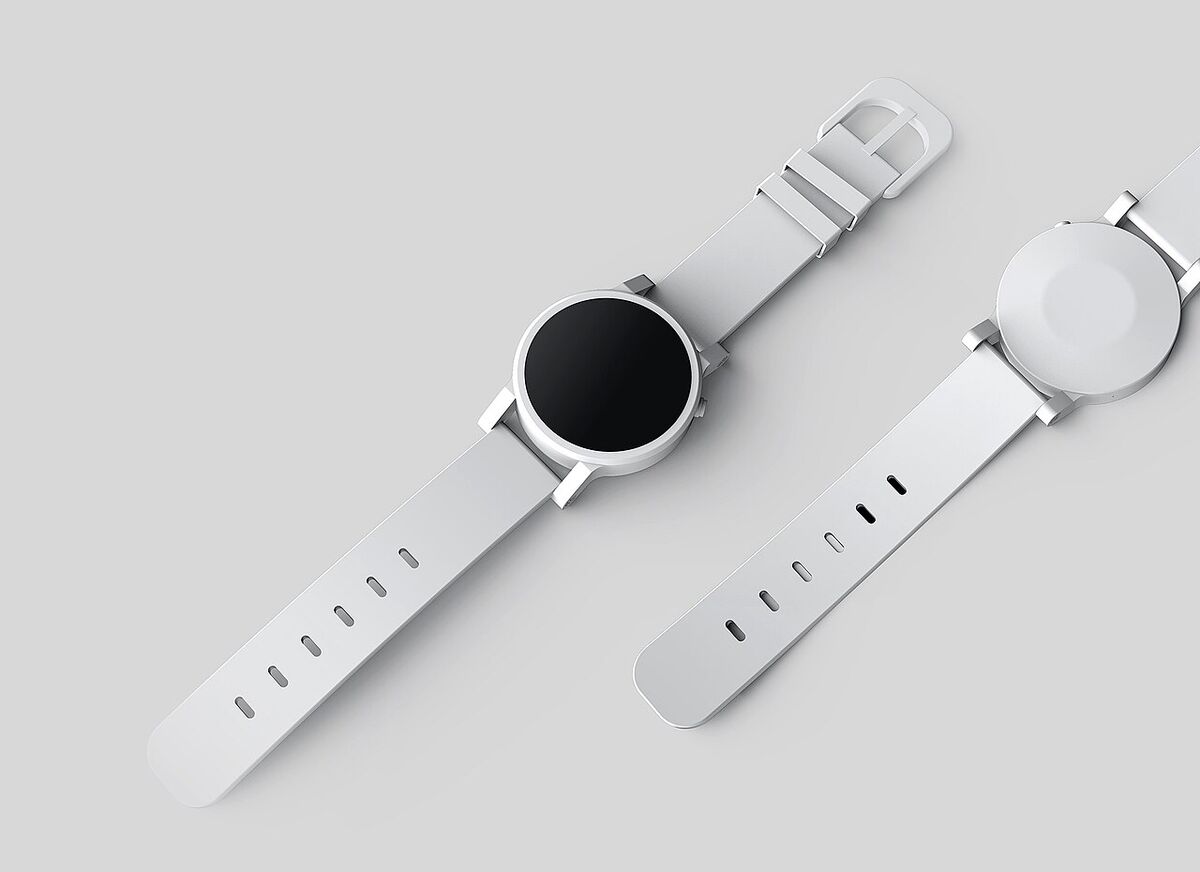
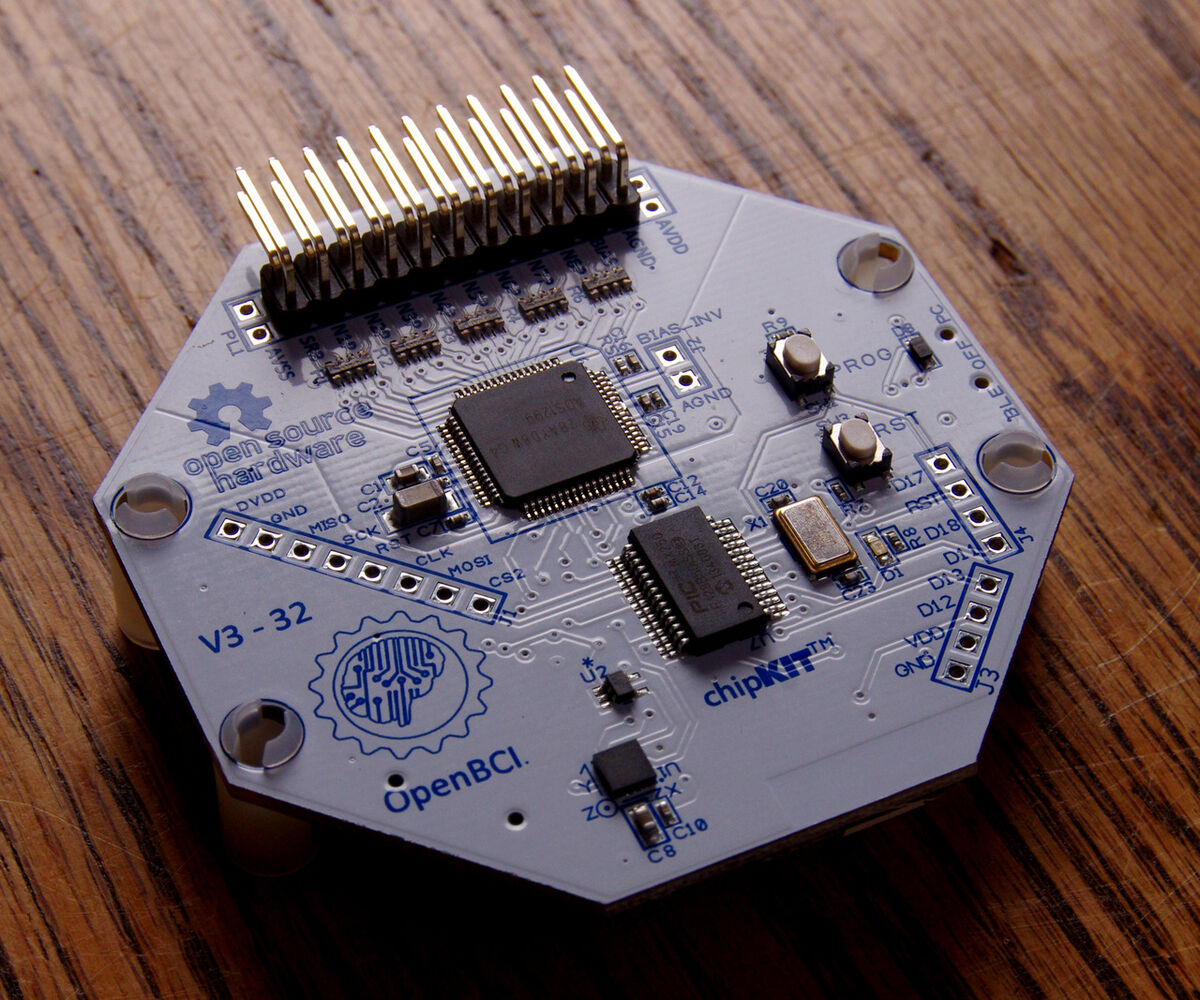
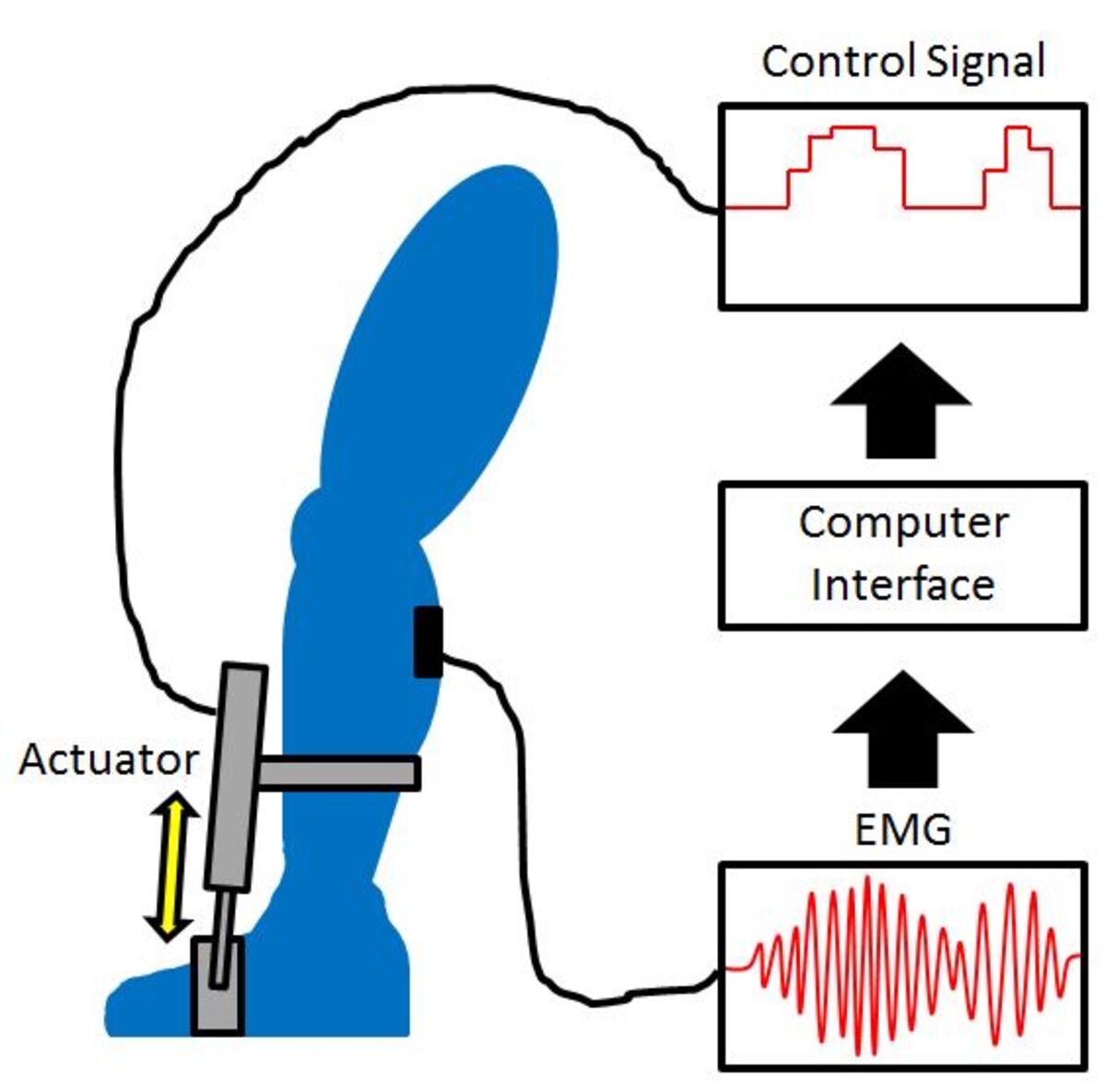
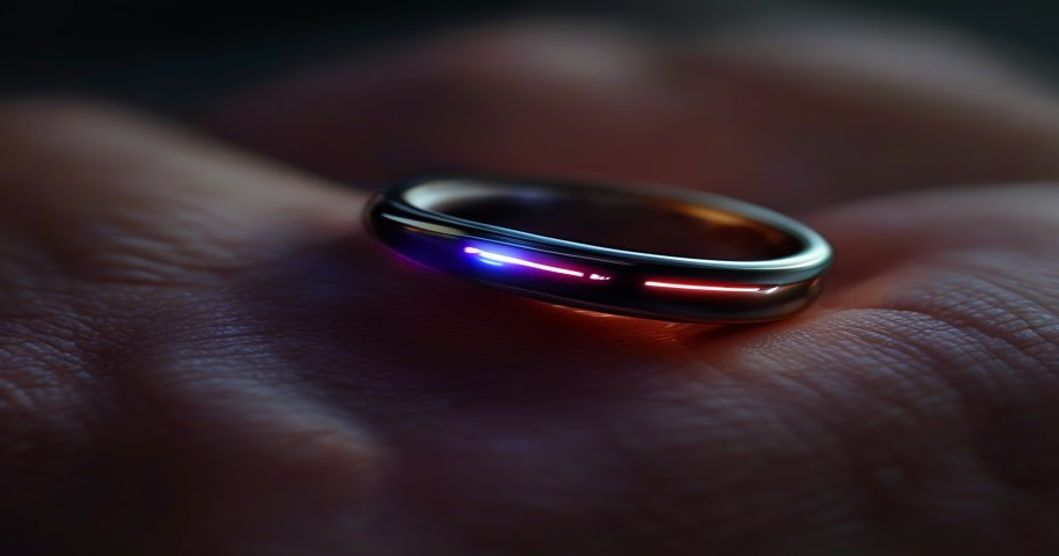
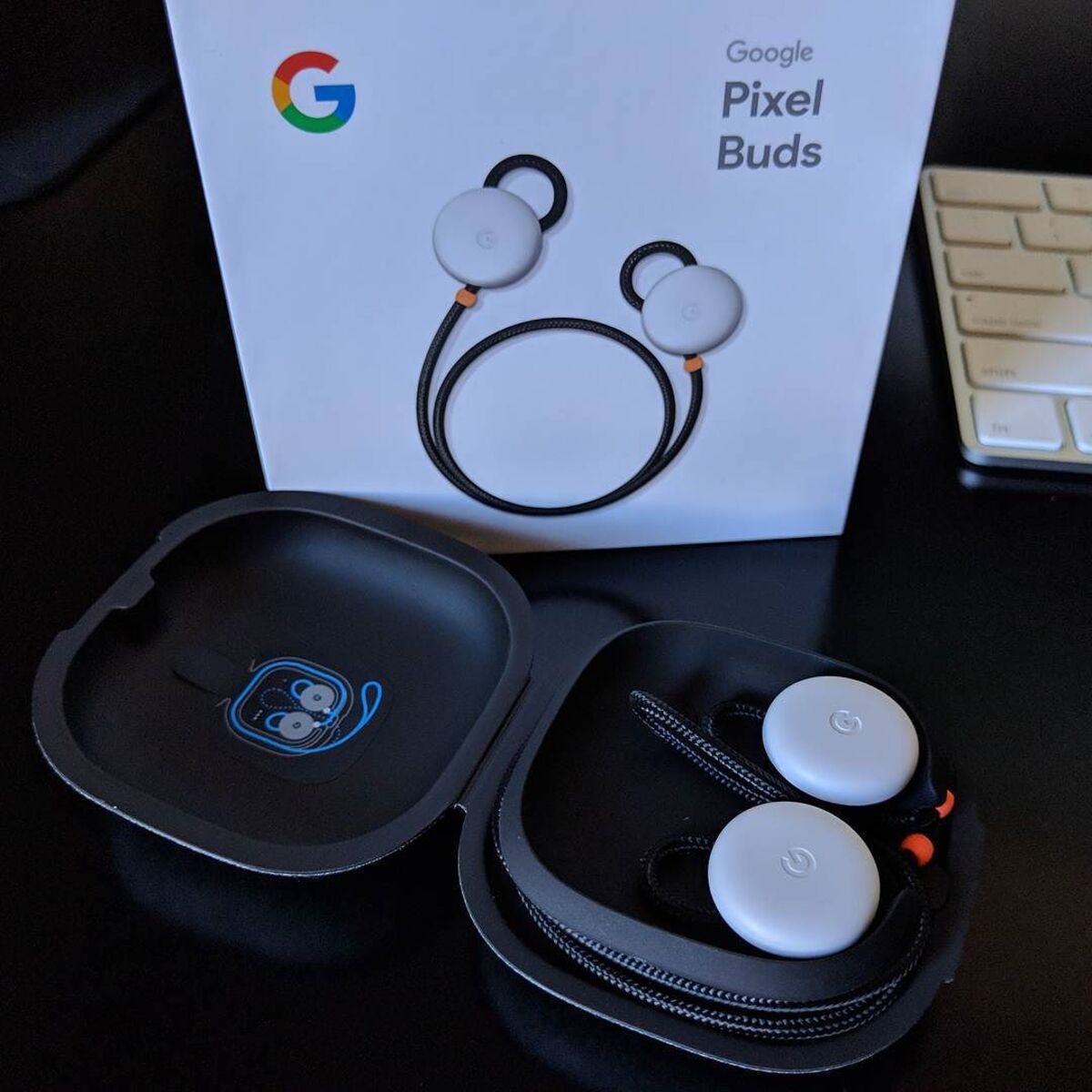
It's essentially a small pod, about the size of a thumb drive, that you either stick directly to your skin with hypoallergenic adhesive or clip to the back of a tight-fitting shirt. Inside, it's packed with accelerometers and gyroscopes. But the real magic is the AI algorithm running on the companion app.
Instead of just buzzing every time you lean forward, it learns your unique baseline posture and analyzes your movement patterns. It distinguishes between slumping at your desk (bad) and leaning over to tie your shoe (normal). When it detects a sustained, poor posture, it sends a gentle, silent vibration to remind you to straighten up.
What is the first week like?
The first week can be the hardest—not because of physical soreness, but because of the mental fatigue from constant buzzing.
Your posture may turn out to be worse than you realize. When you focus deeply on a task, your head can drift toward the monitor, pulling your shoulders with it. Bzzzt. You sit up straight. Five minutes later, you unconsciously slump again. Bzzzt.
It can feel like having a very persistent, tiny yoga instructor sitting on your shoulder. But here is the critical part: because you have to actively use your own core and back muscles to correct your posture every time it buzzes, you're building muscle memory, not just relying on a brace.
How do you know muscle memory is forming?
Muscle memory shows up as the buzzing decreases. The device hasn't stopped working; your body has started anticipating it.
At this stage, you may start catching your slump before the wearable has to remind you. The companion app tracks this data, so you can watch your "upright time" change over the days.
Does an AI posture wearable actually help with pain?
It may help some people: better posture can ease the dull, lingering ache at the base of the neck, and when you aren't compressing your chest by slouching, breathing can feel easier. A wearable isn't a treatment, so see a professional for persistent pain.
What are the downsides of AI posture wearables?
No tech is perfect. Here are a few things to consider if you are thinking about getting one:
- Adhesive Fatigue: If you choose to stick it directly to your skin, you have to replace the adhesive strips frequently, which is an ongoing minor cost and can irritate sensitive skin after a few weeks.
- Battery Life: You have to remember to charge it every few days. It's just one more thing to plug in.
- The "Training" Phase: You have to be willing to endure the annoyance of the first week. It takes genuine effort to change a lifelong habit.
Is an AI posture wearable worth trying?
If you are struggling with "tech neck" and find yourself constantly rubbing your shoulders after a long workday, an AI posture wearable is worth trying. It doesn't magically fix your back for you; instead, it provides the exact real-time feedback you need to fix it yourself. I think it's best seen as the missing link between knowing you need better posture and actually maintaining it throughout the day.