When AI Wins a Nobel Prize: Why AlphaFold Deserved the 2024 Chemistry Award
- AI & Data, Health, Science
- Exienent
- · Updated
The 2024 Nobel Prize in Chemistry went to David Baker, Demis Hassabis, and John Jumper, and it is a landmark for AI: Hassabis and Jumper built Google DeepMind's AlphaFold, an AI system that solved the protein folding problem, a grand challenge that had stumped biologists for over 50 years. The award, given in October 2024 by the Royal Swedish Academy of Sciences, sent a very clear message about the true potential of AI.
For a long time, the narrative around Artificial Intelligence has been dominated by chatbots writing emails, generating weird images with extra fingers, or helping students cheat on their homework. AlphaFold is a different story. If you aren't a biologist, it might sound a bit dry, so here is why it is practically magic, and why it absolutely deserved a Nobel Prize.
What Is the Protein Folding Problem?
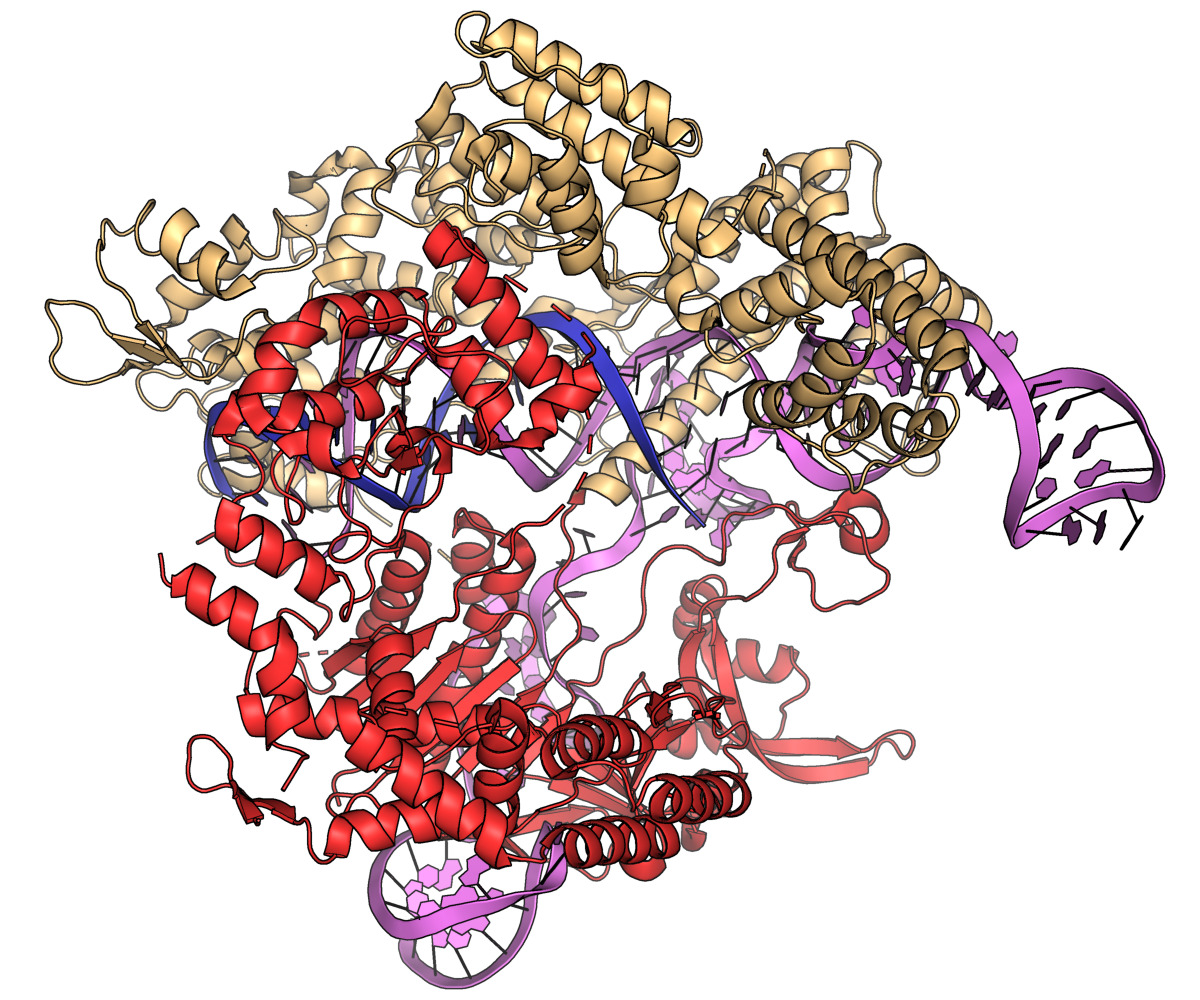
The protein folding problem is the challenge of predicting the 3D shape a protein will fold into from its sequence of amino acids. To see why that matters, you need to know a little bit about proteins. Proteins are the building blocks of life. They make up your muscles, carry oxygen in your blood (hemoglobin), act as antibodies to fight off viruses, and digest your food (enzymes).
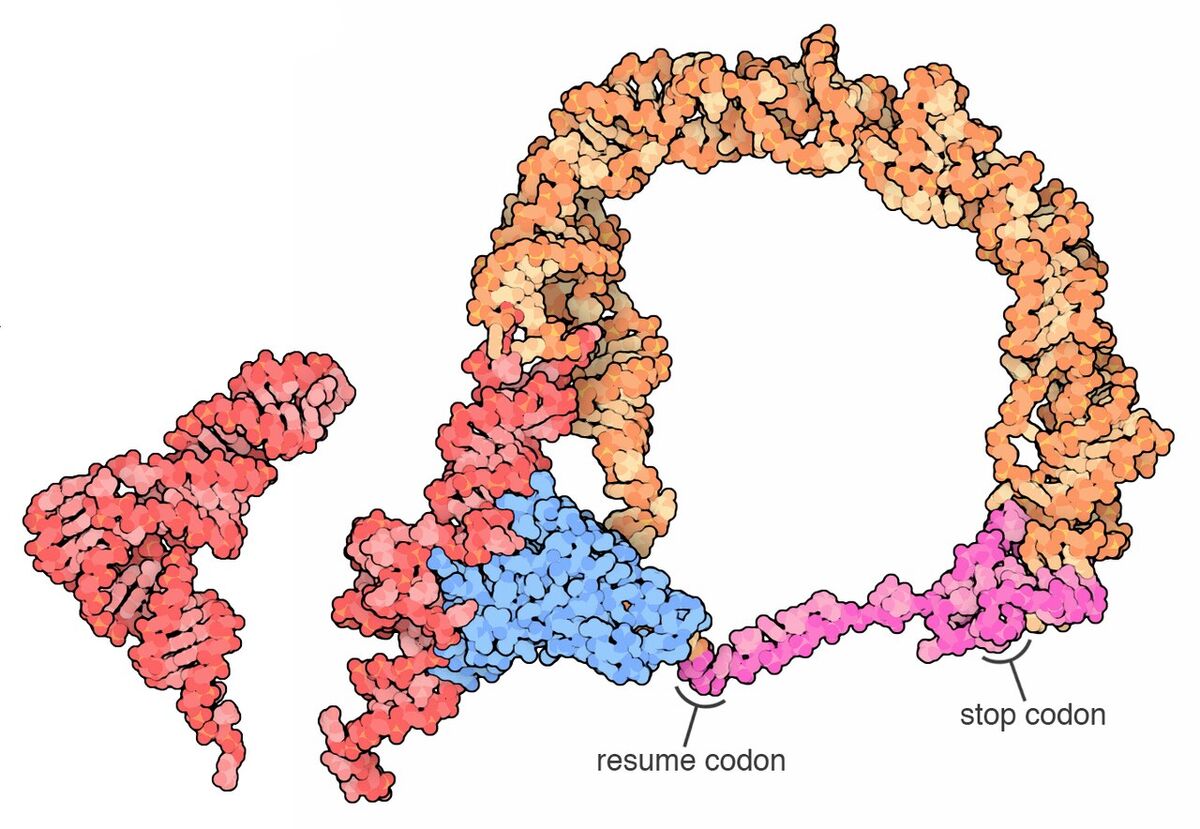
A protein is essentially a long string of amino acids. But a protein doesn't work as a string; it immediately folds up into an incredibly complex, 3D origami shape. The shape a protein folds into dictates exactly what it does in the body.
For half a century, scientists knew the amino acid sequence of thousands of proteins, but they had no idea what 3D shape they would fold into. Figuring out the structure of a single protein used to take years of painstaking, million-dollar laboratory work using X-ray crystallography or cryo-electron microscopy.
Biologists desperately wanted a way to just look at the string of amino acids and computationally predict the final 3D shape. But the number of possible ways a single protein could fold is astronomically large—greater than the number of atoms in the observable universe. It was considered impossible.
How Did AlphaFold Solve It?
AlphaFold 2, released by DeepMind in 2020, predicts the 3D structure of a protein from its amino acid sequence with an accuracy comparable to grueling, years-long physical experiments—but it does it in minutes. It didn't just improve the prediction accuracy slightly; it completely shattered the problem.
By 2022, DeepMind used AlphaFold to predict the structure of nearly every single protein known to science (over 200 million of them) and released the entire database to the public for free.
Why Does AlphaFold Matter for Science?
AlphaFold matters because it is accelerating biological research at a pace we have never seen before. The impact cannot be overstated:
- Drug Discovery: If you know the exact 3D shape of a disease-causing protein, you can use computers to design a drug molecule that perfectly slots into it and disables it, much like finding the perfect key for a lock.
- Plastic Degradation: Researchers are using AlphaFold to design entirely new, artificial enzymes that can break down plastic pollution in the oceans.
- Climate Change: Scientists are working on designing proteins that can pull carbon dioxide directly out of the atmosphere more efficiently.
What Does the Nobel Prize Mean for AI?
The 2024 Chemistry Nobel Prize isn't just a win for DeepMind; it's a validation of AI as an engine for fundamental scientific discovery. We are moving past the era of AI just being a tool that mimics human text, and entering an era where AI is solving the mysteries of the physical universe that we simply couldn't solve on our own.
This is just the beginning.